

Shipping from China to Poland: 2026 Freight Cost and Route Guide
Selecting the most efficient strategy for shipping from China to Poland is essential for maintaining a competitive edge in the 2026 European market. Businesses must navigate fluctuating fuel prices and evolving trade regulations to ensure their goods arrive on time and within budget. China Trade Freight offers specialized logistics solutions designed to simplify your import process and reduce operational overhead. By understanding the nuances of different transport modes, you can make informed decisions that protect your profit margins and enhance your supply chain reliability.
What Are the Main Options for Shipping from China to Poland?
Importers today have several distinct choices when moving goods across the Eurasian continent toward Polish destinations. Consequently, the decision between sea, rail, and air freight depends heavily on your specific budget constraints and delivery deadlines. Sea freight remains the most popular choice for bulk commodities and large volumes due to its unmatched cost-effectiveness over long distances.
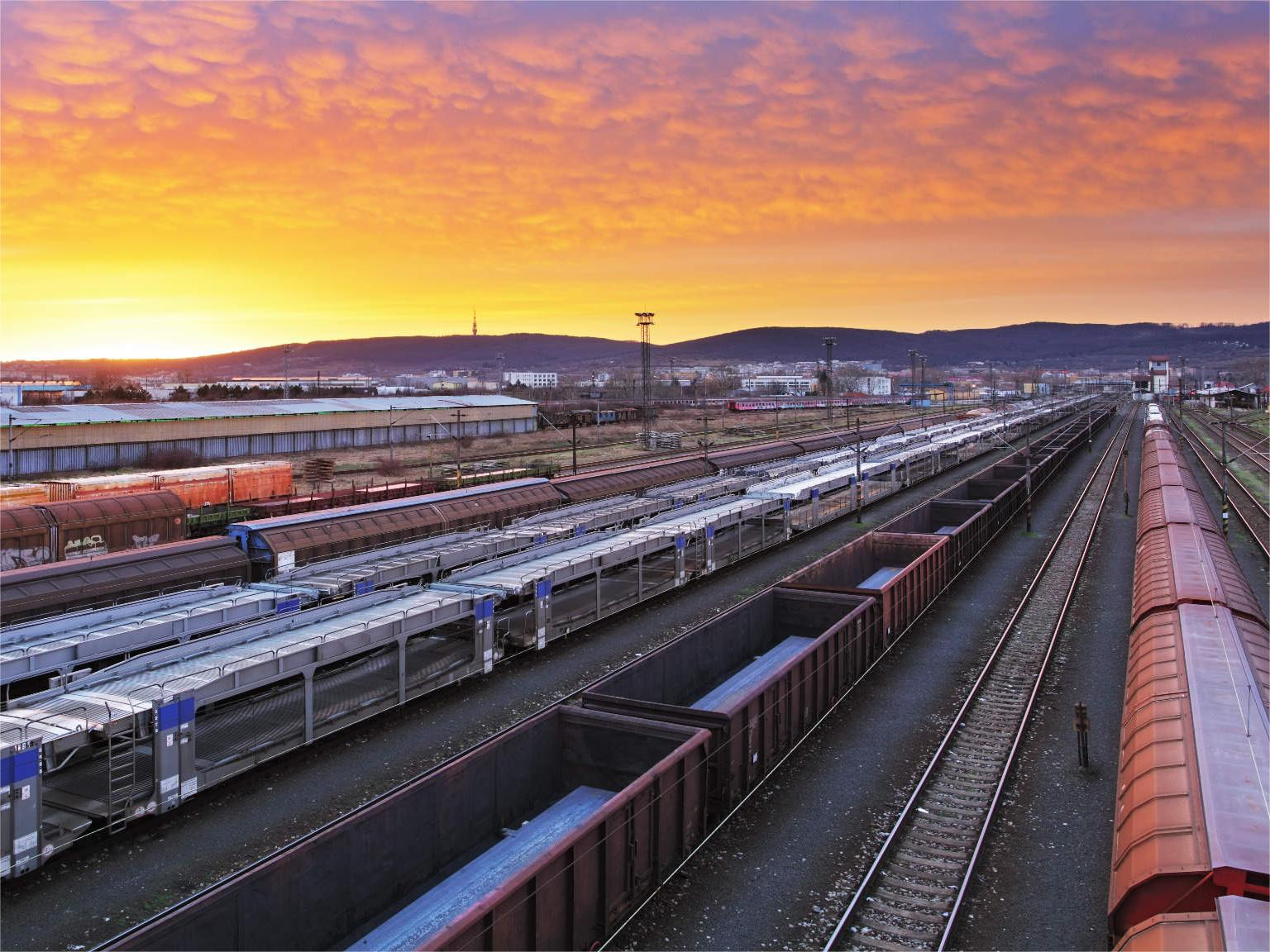
Rail freight has emerged as a powerhouse for Poland, serving as a primary gateway for the New Silk Road connecting East Asia to Europe. This method offers a balanced middle ground, providing faster transit than the ocean while remaining significantly cheaper than air transport. Furthermore, the strategic location of terminals like Malaszewicze makes Poland a central hub for rail distribution throughout the European Union.
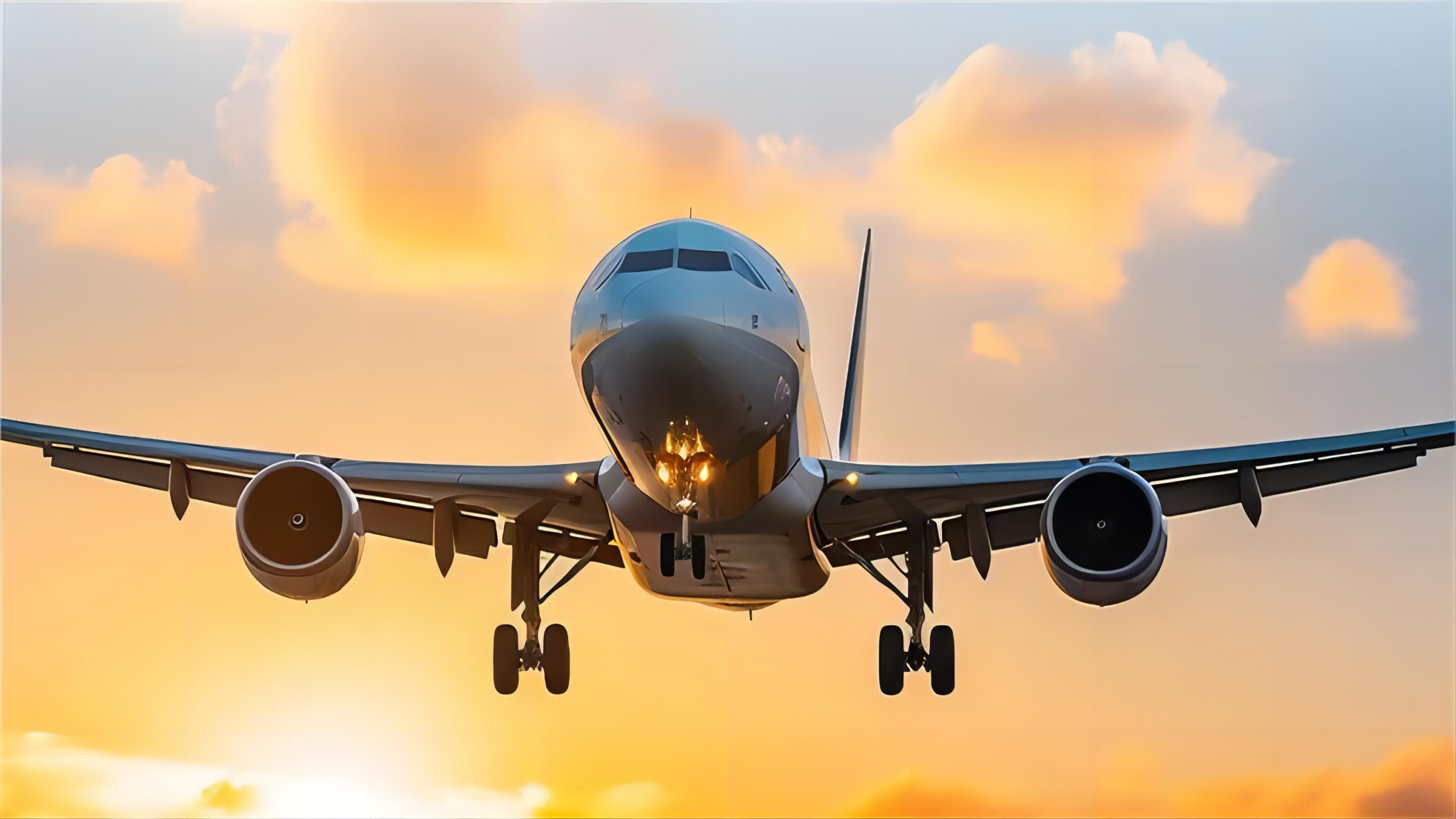
Air freight provides the necessary speed for high-value electronics or seasonal fashion items that require rapid replenishment in the Polish market. Although it carries a higher price tag, the reduction in inventory holding costs often justifies the investment for time-sensitive cargo. Each method offers specific advantages depending on the nature of your cargo and your delivery schedule requirements in 2026.
Understanding Sea Freight Services and Container Costs
Ocean transport continues to be the backbone of global trade, especially for heavy machinery, furniture, and large-scale consumer goods. When utilizing sea freight, you must choose between Full Container Load (FCL) and Less than Container Load (LCL) based on your total cargo volume. FCL is generally more efficient for shipments exceeding 15 cubic meters, as it offers better security and faster handling at the port.
LCL shipping allows smaller businesses to share container space, which significantly reduces costs for lower volumes. However, this method requires additional time for consolidation and deconsolidation at the origin and destination ports. Indeed, most sea shipments from China arrive at major Polish ports like Gdynia and Gdansk, which have seen significant infrastructure upgrades throughout 2025 and 2026.
Market data suggests that container shipping prices 2026 have stabilized following previous global disruptions. For instance, a 40HQ container from Shanghai to Gdynia currently ranges between 3,000 and 4,200 dollars depending on the season. Nevertheless, importers should account for local port charges and inland transportation when calculating their total landed cost.
| Container Type | Average Cost (USD) | Transit Time | Capacity |
|---|---|---|---|
| 20GP FCL | 1,800 – 2,500 | 32 – 38 Days | 33 CBM |
| 40GP FCL | 2,800 – 3,800 | 32 – 38 Days | 67 CBM |
| 40HQ FCL | 3,000 – 4,200 | 32 – 38 Days | 76 CBM |
| LCL (per CBM) | 80 – 130 | 40 – 45 Days | Variable |
Why Rail Freight is the Strategic Choice for Poland
Poland occupies a unique position in the global logistics landscape as the primary entry point for rail freight entering the European Union from China. This route typically crosses through Kazakhstan, Russia, and Belarus before reaching the Polish border. Consequently, rail transit times have become highly reliable, often delivering goods from Chengdu or Xi’an to Warsaw in under 20 days.
Moreover, rail transport is significantly more environmentally friendly than air freight and more predictable than sea freight during peak seasons. Many electronics manufacturers and automotive suppliers prefer this method because it supports a just-in-time inventory model without the extreme costs of air transport. Additionally, the development of specialized rail terminals in Lodz and Poznan has further improved local distribution speeds.
Pricing for rail containers in early 2026 reflects a premium over sea freight but remains accessible for mid-range products. You can expect to pay between 4,500 and 7,500 dollars for a full container depending on the specific origin city in China. Therefore, businesses looking to bridge the gap between slow ocean voyages and expensive air shipments find rail to be an ideal solution.

When Should You Choose Air Freight for Urgent Cargo?
If your primary concern is speed and security, air freight is the undisputed leader for international logistics. High-value items such as semiconductors, medical equipment, and luxury goods benefit from the reduced handling and shorter exposure to transit risks. Furthermore, air cargo rates 2026 are influenced by jet fuel prices and available belly capacity on passenger flights to Warsaw Chopin Airport.
Typical air transit times from major Chinese hubs like Shenzhen or Guangzhou to Poland range from 3 to 7 days, including customs processing. On the other hand, the cost per kilogram is substantially higher than other modes, making it less suitable for heavy or bulky items. Indeed, most air shipments are calculated based on either actual weight or volumetric weight, whichever is greater.
To optimize your air shipping costs, you should focus on efficient packaging and accurate documentation to avoid unnecessary delays. Meanwhile, consolidating multiple small orders into a single air shipment can sometimes yield better rates from carriers. Accordingly, air freight remains a vital tool for responding to sudden market demands or supply chain emergencies.
How Does Sea Freight Compare to Other Shipping Options?
Comparing different shipping methods requires a thorough analysis of cost, speed, and cargo suitability. While sea freight offers the lowest price per unit, it demands the longest lead times, which can tie up your capital in transit for over a month. In contrast, rail freight offers a 50 percent reduction in transit time for a moderate increase in total expenditure.
Alternative strategies often involve hybrid solutions, such as sea-air combinations via Dubai, though these are less common for the China-Poland route given the strength of direct rail links. For shipments under 15 CBM, LCL at 90 dollars per CBM might be more economical than a full container, but it involves more complex handling. Without a doubt, the choice of method significantly impacts your overall inventory turnover rate.
Direct routes to Polish ports like Gdynia are generally 10 percent more expensive than transshipment via Hamburg but save 5 to 7 days in total transit. Therefore, importers must weigh the benefits of direct arrival against the potential savings of major European hub transshipment. To summarize, the best method aligns with your specific product margins and customer expectations.
| Shipping Method | Cost Range | Transit Time | Best For | Limitations |
|---|---|---|---|---|
| Sea Freight | $2,200 – $4,200 | 32 – 42 Days | Bulk/Heavy Goods | Slowest Speed |
| Rail Freight | $4,500 – $7,500 | 15 – 22 Days | Consumer Goods | Border Delays |
| Air Freight | $5.50 – $9.50/kg | 3 – 7 Days | Urgent/High-value | Highest Cost |
| Express | $8.00 – $15.0/kg | 2 – 4 Days | Samples/Docs | Size Limits |

Navigating Customs Brokerage and Import Duties in Poland
Clearing customs in Poland requires a precise understanding of European Union regulations and local tax requirements. Every importer must obtain an EORI number to facilitate the movement of goods into the Polish territory. Additionally, utilizing a professional customs brokerage service can prevent costly delays and ensure compliance with the latest 2026 trade policies.
Import duties are calculated based on the HS code of your products, with VAT in Poland typically set at 23 percent for most commercial goods. However, certain products may qualify for lower rates or exemptions under specific trade agreements. Furthermore, accurate documentation, including the Commercial Invoice and Packing List, is mandatory for a smooth clearance process at the border.
Consequently, errors in paperwork can lead to container storage fees and unexpected inspections by Polish customs authorities. For instance, misdeclaring the value of goods is a common pitfall that results in significant fines and shipment holds. Therefore, investing in expert customs advice is a strategic move that protects your business from regulatory risks.
Door to Door Delivery Solutions for Polish Importers
Many modern businesses prefer the convenience of door to door services to minimize their logistical workload. This comprehensive solution covers everything from the initial pickup at the Chinese factory to the final delivery at your warehouse in Warsaw or Krakow. Moreover, it provides a single point of contact, which simplifies communication and accountability throughout the shipping journey.
Door to door shipping is particularly beneficial for companies without their own logistics department or those importing smaller LCL volumes. By integrating trucking, ocean or rail freight, and customs clearance into one package, you can often achieve better overall rates. Additionally, this service usually includes cargo insurance, providing peace of mind against potential transit damage.
In 2026, technology-driven tracking has become a standard feature for door to door services, allowing you to monitor your cargo in real-time. Whether you are shipping from Ningbo to Wroclaw or Shenzhen to Poznan, the process remains seamless and transparent. Accordingly, this end-to-end approach is increasingly becoming the preferred model for Polish e-commerce sellers and retailers.
Real-World Case Studies: China to Poland Shipments
Examining real-world examples helps illustrate the practical application of different shipping strategies for the Polish market. These scenarios reflect actual market conditions in late 2025 and early 2026, providing a benchmark for your own logistics planning. By reviewing these cases, you can better understand the timeline and cost variables involved in international freight.
Case Study 1: Electronics from Shenzhen to Warsaw. Cargo: High-end consumer electronics, 15 CBM, 4500 kg. Method: Rail Freight (LCL). Port of Loading: Shenzhen. Terminal of Discharge: Warsaw. Route: Via Kazakhstan and Malaszewicze. Cost Breakdown: Rail Freight $3,200, Origin/Destination Charges $850, Customs $1,200. Total Landed Cost: $5,250. Timeline: 19 days door-to-door. Key Insight: Rail provided a 50 percent time saving over sea freight with high reliability.
Case Study 2: Furniture from Ningbo to Gdynia. Cargo: Home furniture, 68 CBM, 12000 kg. Method: Sea Freight (40HQ). Port of Loading: Ningbo. Port of Discharge: Gdynia. Route: Direct via Suez Canal. Cost Breakdown: Ocean Freight $3,400, Origin Charges $350, Destination Charges $550, Customs $2,100. Total Landed Cost: $6,400. Timeline: 38 days total. Key Insight: Choosing a direct route to Gdynia avoided transshipment delays in major North Sea hubs.
Note: Freight rates are subject to change based on fuel costs, carrier capacity, and seasonal demand. Contact us for a current quote tailored to your specific shipment.
Which Option Should You Choose for Your Cargo?
Choosing the right shipping method requires a clear prioritization of your business needs. If your primary goal is the lowest possible cost and you have flexible deadlines, sea freight is the logical choice for large volumes. However, if you need to balance speed and cost for retail goods, rail freight offers the best overall value for the China-Poland route.
For urgent shipments or high-value items where security is paramount, air freight remains the superior option despite the higher expense. You should also consider the volume of your cargo; FCL is better for large shipments while LCL or Express services suit smaller parcels. Indeed, many successful importers use a mix of these methods to manage their inventory levels throughout the year.
Seasonal variations also play a role in your decision-making process. During peak periods like the lead-up to the winter holidays, rail and sea rates can increase by 20 percent or more. Consequently, booking your shipments at least 3 to 4 weeks in advance is highly recommended to secure space and favorable pricing. To summarize, a well-planned logistics strategy is the key to successful importing.
Mastering Your Logistics from China to Poland
Successfully managing shipping from China to Poland requires a strategic balance of speed, cost, and reliability in the modern trade environment. By leveraging the right freight modes and professional guidance, you can optimize your 2026 supply chain operations effectively. Whether you choose the cost-efficiency of the sea, the speed of the air, or the strategic middle ground of rail, understanding the landscape is vital.
Furthermore, staying informed about customs regulations and market trends will help you avoid common pitfalls and unnecessary expenses. As Poland continues to grow as a central logistics hub for Europe, the opportunities for efficient importing from China are greater than ever. Partnering with a reliable freight forwarder ensures that your business remains agile and capable of meeting customer demands throughout the year.
Need a tailored shipping solution?
Our experienced team is ready to help you navigate the complexities of shipping from China to Poland with ease and precision. Contact China Trade Freight today to receive a personalized quote that meets your specific logistics requirements and budget. Visit our website to learn more about our comprehensive service offerings and start your next shipment with confidence. Send Inquiry: https://chinatradefreight.com/