


Shipping from China to Sweden: 2026 Expert Logistics Guide
Navigating the complexities of shipping from china to sweden requires a strategic approach to balance cost and speed. Whether you are a small business owner or a large enterprise, understanding the logistics landscape in 2026 is crucial for your supply chain success. This guide provides actionable insights into the most efficient transit routes and cost-saving methods available today. Consequently, you can optimize your operations and ensure timely delivery to the Swedish market.
What Are the Main Methods for Shipping from China to Sweden?
Selecting the right transportation mode depends heavily on your specific cargo requirements and budget constraints. For instance, sea freight remains the most popular choice for bulk commodities due to its low cost per unit. Moreover, it accommodates both Full Container Load (FCL) and Less than Container Load (LCL) shipments effectively.
Air transport offers a significantly faster alternative for high-value or perishable items. Specifically, air freight reduces transit times from weeks to days, which is vital for maintaining tight production schedules. Nevertheless, the higher price point requires careful financial planning to maintain healthy profit margins.
Rail transportation has emerged as a compelling middle-ground solution for modern importers. By utilizing rail freight, businesses can achieve faster delivery than sea while paying less than air. Indeed, the expanded Silk Road network has made this a reliable option for 2026 logistics planning.
Express courier services provide the ultimate convenience for small parcels and urgent documents. These providers handle the entire process from pickup to final delivery. Therefore, using an express service is often the best choice for samples or lightweight e-commerce orders.
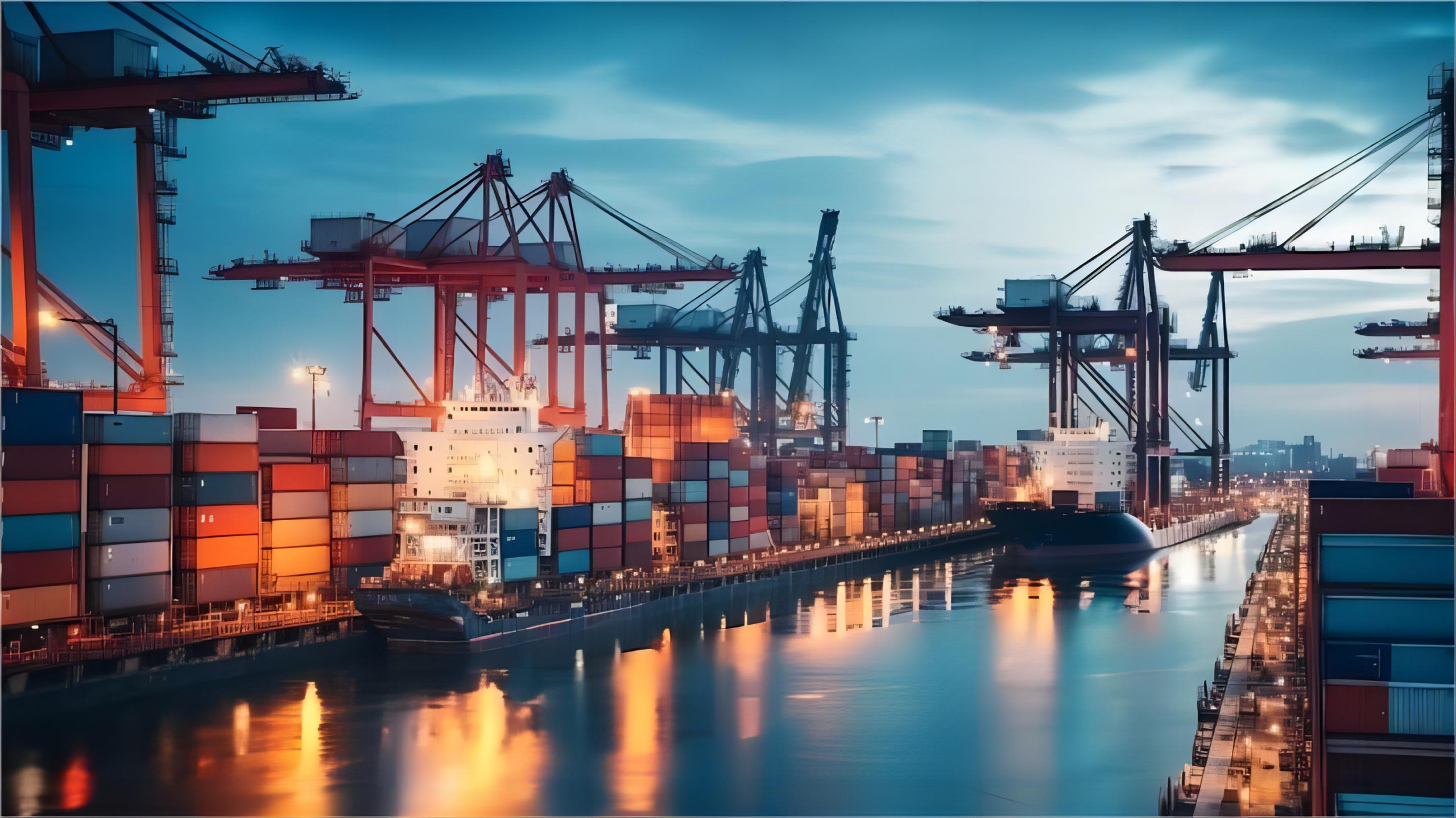
How Does Sea Freight Compare to Other Shipping Options?
Analyzing the trade-offs between different shipping modes is essential for long-term logistics efficiency. While sea freight offers the lowest price, it also involves the longest lead times. On the other hand, air freight provides rapid delivery but at a premium cost that may not suit all products.
Rail freight serves as a hybrid strategy that bridges the gap between speed and affordability. In contrast to sea routes, rail minimizes the risk of maritime weather delays. Furthermore, it provides a more sustainable alternative to air transport for environmentally conscious brands in 2026.
| Shipping Method | Cost Range | Transit Time | Best For | Limitations |
|---|---|---|---|---|
| Sea Freight | $1,800 – $4,200 | 30-45 Days | Bulk & Large Items | Slowest speed |
| Air Freight | $5.50 – $9.00/kg | 5-8 Days | High-value goods | High cost |
| Rail Freight | $2,500 – $5,500 | 18-24 Days | Mid-size cargo | Limited routes |
| Express | $8.00 – $15.00/kg | 3-5 Days | Small parcels | Very expensive |
Which Option Should You Choose?
Budget Priority
Speed Priority
Cargo Type Considerations
Understanding Shipping Costs from China to Sweden in 2026
Freight rates are influenced by several dynamic factors including fuel surcharges, seasonal demand, and carrier capacity. As of early 2026, market data suggests that rates have stabilized but remain sensitive to global economic shifts. For example, during the peak season from August to October, prices typically rise by 15-25% due to increased volume.
Accurate budgeting requires a detailed breakdown of all potential charges beyond the basic freight rate. You must account for origin handling, documentation fees, and destination port charges. Indeed, working with an experienced partner can help you identify hidden costs before they impact your bottom line.
| Container Type | Estimated Rate (2026) | Capacity (CBM) | Max Weight |
|---|---|---|---|
| 20GP Container | $1,900 – $2,600 | 33 CBM | 28,000 kg |
| 40GP Container | $3,000 – $4,000 | 67 CBM | 26,000 kg |
| 40HQ Container | $3,200 – $4,500 | 76 CBM | 26,000 kg |
| LCL (per CBM) | $60 – $110 | Variable | Variable |

How Long Does Shipping from China to Sweden Take?
Transit time to Stockholm or Gothenburg varies significantly based on the chosen port of loading and the specific shipping line. Direct sea routes from Shanghai usually take around 35 days, whereas transshipment through major hubs like Singapore might add another week. Meanwhile, rail routes through the Eurasian land bridge are becoming increasingly efficient in 2026.
Customs clearance procedures at the Swedish border can also influence the total door-to-door delivery time. Usually, this process takes 1-3 days if all documentation is in order. Accordingly, ensuring paperwork accuracy is the best way to prevent unnecessary delays in your supply chain.
| Route Type | Average Transit | Reliability | Frequency |
|---|---|---|---|
| Sea (Direct) | 32-38 Days | High | Weekly |
| Sea (Transshipment) | 40-50 Days | Moderate | Daily |
| Rail (Express) | 16-20 Days | High | Bi-weekly |
| Air (Standard) | 5-9 Days | Very High | Daily |
Essential Customs Documentation for Swedish Imports
Navigating the Swedish customs landscape requires a thorough understanding of EU import regulations and local requirements. Every shipment must be accompanied by a commercial invoice, a packing list, and a bill of lading or airway bill. Furthermore, specific products like electronics or chemicals may require additional certifications such as CE marking or REACH compliance.
Professional customs brokerage services can prove invaluable for avoiding costly fines and shipment seizures. These experts ensure that your cargo is classified under the correct HS code, which determines the applicable duty rates. Consequently, you can avoid overpaying taxes while remaining fully compliant with Swedish law.
Importers must also obtain an EORI number (Economic Operators Registration and Identification) to trade with EU member states. This unique identification number is mandatory for all customs declarations in Sweden. Therefore, you should apply for this number well before your first shipment arrives at the port of discharge.
Door to Door Shipping Solutions Explained
Choosing a door to door service simplifies the entire logistics chain by providing a single point of contact. This comprehensive solution covers everything from factory pickup in China to final delivery at your warehouse in Sweden. Moreover, it includes all intermediate steps such as export clearance, international freight, and local trucking.
Business owners often prefer this method because it eliminates the need to coordinate with multiple vendors across different time zones. Although it might appear more expensive upfront, it often saves money by reducing administrative overhead and preventing communication errors. Indeed, the peace of mind provided by end-to-end tracking is a significant advantage for modern importers.
Market trends in 2026 show an increasing demand for integrated logistics that handle the last-mile delivery. Swedish infrastructure is well-equipped to support efficient trucking from major ports like Gothenburg to inland cities. As a result, door-to-door solutions have become the standard for companies seeking a seamless import experience.
Real-World Case Studies: China to Sweden 2026
Case Study 1: High-Volume Furniture Import. Origin: Ningbo, China to Destination: Gothenburg, Sweden. Cargo: Home furniture, 68 CBM, 12,000 kg. Container: 40HQ FCL. Carrier: Major maritime carrier. Route: Direct sea freight. Ocean Freight: $3,650. Origin Charges: $450. Destination Charges: $550. Customs & Duties: $1,200. Total Landed Cost: $5,850. Sea Transit: 36 days. Key Insight: Booking 4 weeks in advance secured a lower rate during the Q3 peak season.
Case Study 2: Urgent Tech Components. Origin: Shenzhen, China to Destination: Stockholm, Sweden. Cargo: Circuit boards, 1.2 CBM, 280 kg. Method: Air Freight. Route: Transshipment via Frankfurt. Air Freight Cost: $2,150. Customs Clearance: 1 day. Total Door-to-Door: 7 days. Key Insight: Using air freight prevented a production line shutdown that would have cost the client $10,000 per day in lost revenue.

Top Strategies to Reduce Your Shipping Costs
Optimizing your packaging can lead to significant savings, especially when using LCL or air freight services. By reducing the overall volume of your cargo, you directly lower the billable weight or CBM. Furthermore, consolidating multiple small orders into a single larger shipment can help you qualify for better container rates.
Negotiating long-term contracts with freight forwarders can provide price stability in a volatile market. While spot rates might occasionally be lower, a fixed contract protects you from sudden price spikes during peak seasons. Additionally, consider shipping during the off-peak months of March and April when demand is traditionally lower.
Note: Freight rates are subject to change based on fuel costs, carrier capacity, and seasonal demand. Contact us for a current quote tailored to your specific shipment.
Mastering Your Import Strategy
Successfully managing shipping from china to sweden requires a deep understanding of the available methods, costs, and regulatory requirements. By carefully selecting between sea, air, and rail freight, you can balance your need for speed with your budgetary constraints. Moreover, partnering with an experienced freight forwarder ensures that your cargo navigates customs smoothly and arrives on schedule.
To summarize, the 2026 logistics landscape offers more flexibility than ever before. Focus on accurate documentation, strategic timing, and efficient packaging to maximize your profitability. With the right approach, your international trade operations will become a powerful driver for your business growth in the Swedish market.
Ready to streamline your logistics?
Streamline your supply chain today with our expert logistics solutions. Whether you need rapid air delivery or cost-effective sea transport, we provide tailored strategies for shipping from china to sweden. Contact China Trade Freight now for a personalized quote and professional guidance. Send Inquiry: https://chinatradefreight.com/
Request Quote