

Shipping from China to Denmark: 2026 Logistics and Cost Guide
Navigating the complexities of shipping from China to Denmark requires a strategic approach to modern supply chain management. Whether you are importing electronics from Shenzhen or textiles from Ningbo, China Trade Freight offers the professional expertise needed to optimize your international logistics. This comprehensive guide provides the latest 2026 market data to help you select the most efficient transport methods for your specific business needs.
What Are the Main Methods for Shipping from China to Denmark?
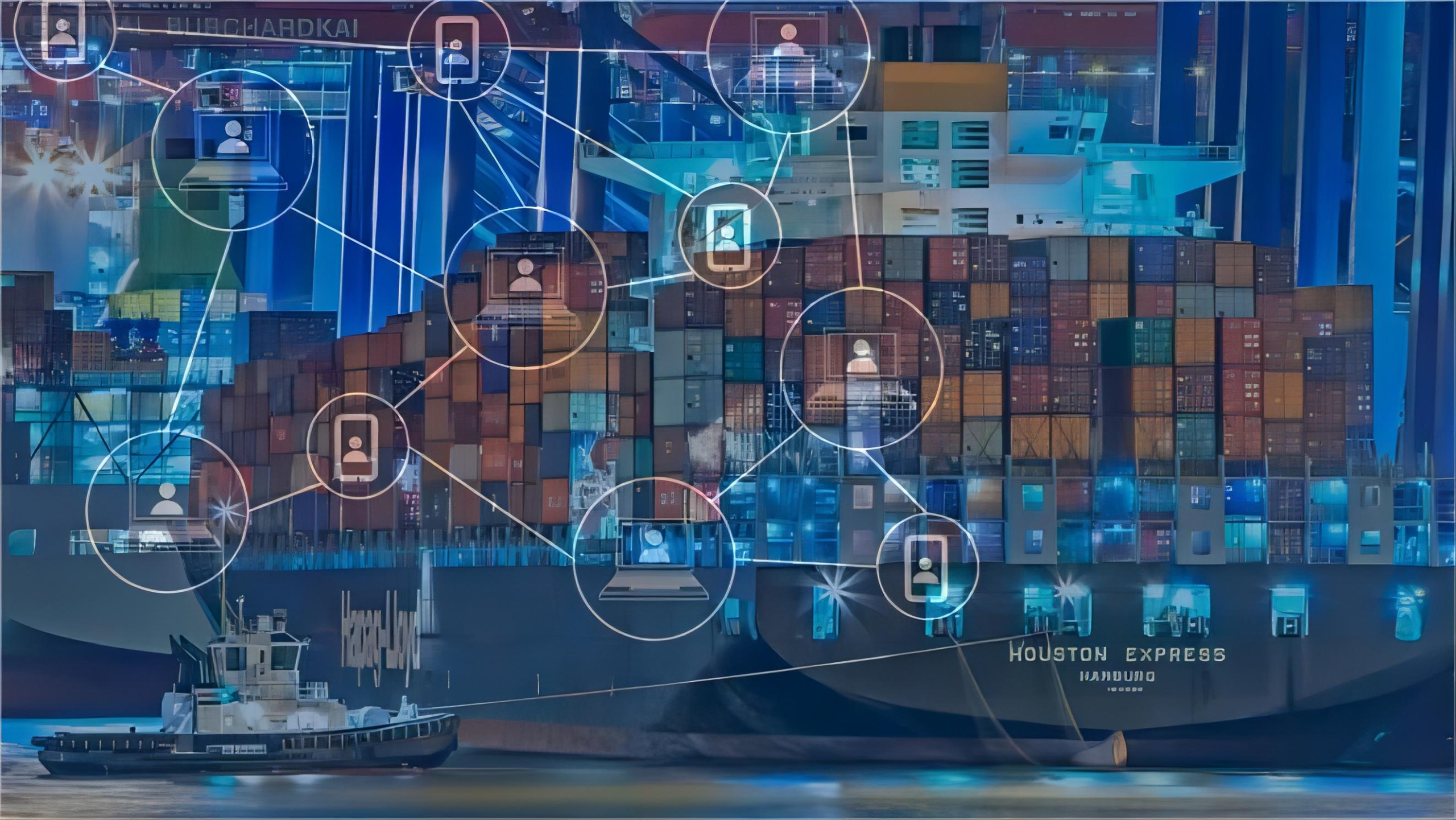
Selecting the right transportation mode involves balancing speed, cost, and the nature of your goods. In 2026, the logistics landscape offers three primary routes: sea freight, air freight, and the increasingly popular rail freight option. Each method serves distinct business objectives depending on your inventory turnover requirements.
Furthermore, businesses must evaluate the total landed cost which includes not only the freight rate but also duties and local handling fees. Consequently, choosing door to door services can simplify this process by providing a single point of contact for the entire journey. This approach significantly reduces the administrative burden on your internal team.
Moreover, the current market environment in 2026 emphasizes sustainability and digital tracking. Therefore, many shippers now prioritize carriers that offer real-time visibility into their cargo’s location. Indeed, the integration of advanced logistics technology has made the route from China to Denmark more transparent than ever before.
| Shipping Method | Average Transit Time | Cost Level | Ideal Cargo Type |
|---|---|---|---|
| Sea Freight (FCL) | 30 – 40 Days | Low | Bulk goods, heavy machinery |
| Air Freight | 3 – 7 Days | High | High-value, urgent items |
| Rail Freight | 18 – 25 Days | Medium | Industrial parts, electronics |
| Express Shipping | 2 – 5 Days | Very High | Samples, small parcels |
How Does Sea Freight Compare to Other Shipping Options?
Analyzing sea freight against other alternatives reveals its dominance for high-volume shipments. While sea freight costs significantly less than air transport, it requires a much longer lead time. For instance, a 40HQ container might cost 3,500 USD, whereas the same volume by air would exceed 25,000 USD in today’s market.
Alternatively, rail freight has emerged as a viable middle ground for those who cannot wait 40 days but find air freight too expensive. Nevertheless, sea freight remains the backbone of trade between China and Denmark due to its massive capacity. It is particularly effective for non-perishable goods that do not require immediate delivery.
Additionally, we must consider the environmental impact of each method. Sea transport generally has a lower carbon footprint per ton-kilometer compared to air freight. As a result, companies with strict CSR goals often favor sea freight to minimize their ecological impact.
| Shipping Method | Cost Range (USD) | Transit Time | Best For | Limitations |
|---|---|---|---|---|
| Sea (FCL 40HQ) | 3,200 – 4,800 | 32-42 Days | Full Containers | Slowest speed |
| Air (per kg) | 4.50 – 7.50 | 4-8 Days | Urgent Stock | Weight limits |
| Rail (LCL) | 120 – 180 /CBM | 20-26 Days | Medium Volumes | Route availability |
| Sea-Air Hybrid | 1,800 – 2,500 | 15-20 Days | Balanced Needs | Complex handling |
Understanding Sea Freight: FCL vs LCL Solutions
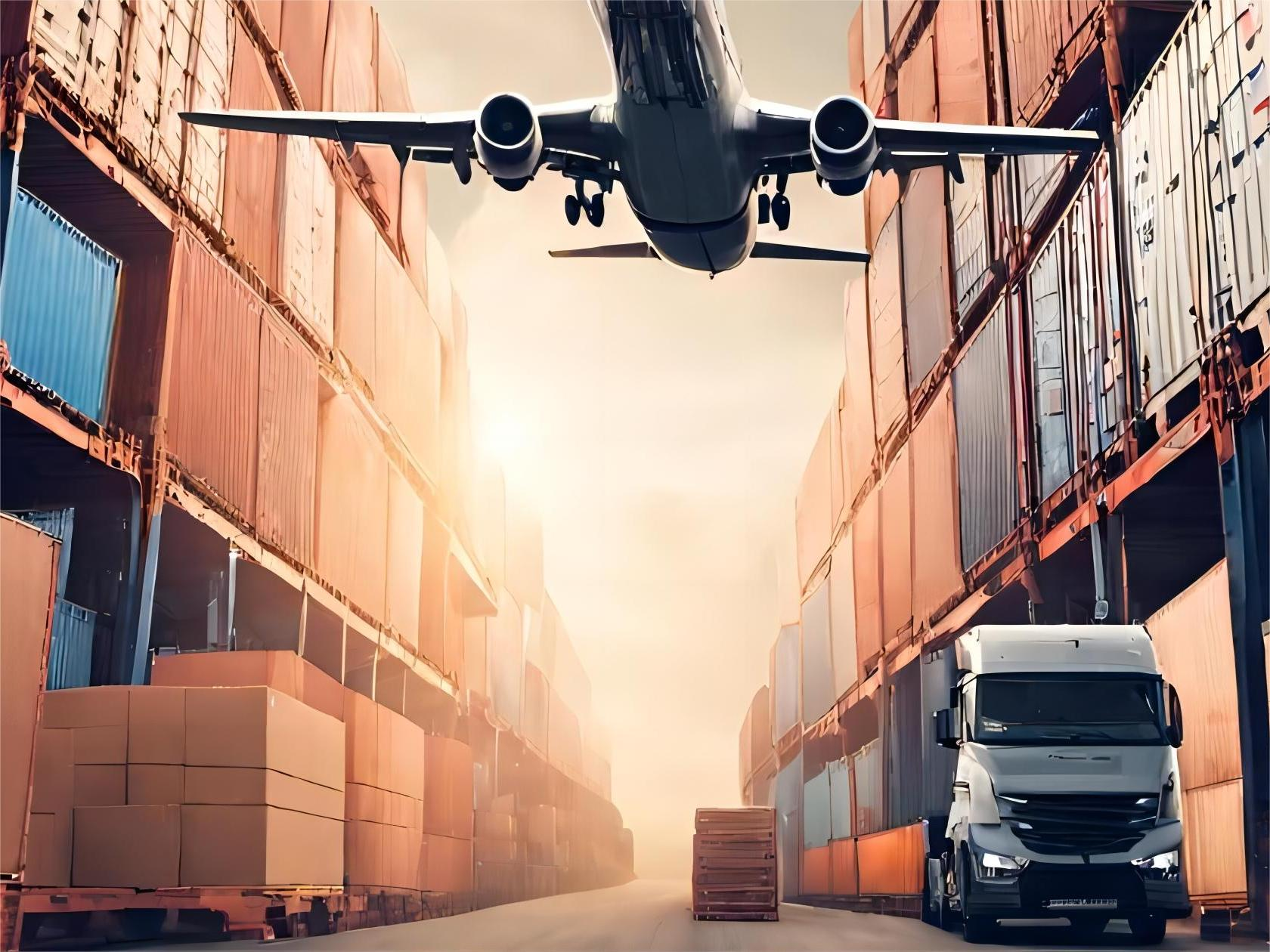
Ocean shipping is categorized into Full Container Load (FCL) and Less than Container Load (LCL). If your shipment occupies more than 15 cubic meters, FCL is usually the more cost-effective choice. On the other hand, LCL allows you to share container space with other importers, which is ideal for smaller volumes.
Specifically, FCL offers better security since the container is sealed at the origin and only opened at the destination. Meanwhile, LCL involves more handling at consolidation hubs, which can slightly increase the risk of damage. Therefore, fragile goods are often safer in a dedicated FCL shipment.
Note: Freight rates are subject to change based on fuel costs, carrier capacity, and seasonal demand. Contact us for a current quote tailored to your specific shipment.
Why Choose Air Freight for Your Denmark Shipments?
Speed is the primary driver for choosing air freight when shipping to Denmark. In the fast-paced retail and tech sectors, arriving a week earlier can mean the difference between profit and loss. Consequently, air transport is the preferred choice for seasonal launches and emergency restocks.
Furthermore, air cargo offers higher security levels and reduced insurance premiums because the transit time is so short. Although the rates are higher, the reduction in inventory holding costs can often justify the expense. For example, high-value electronics benefit from the reduced risk of theft and damage associated with airports.
Indeed, major hubs like Shanghai Pudong and Beijing Capital provide daily flights to Copenhagen. This frequent schedule ensures that your supply chain remains agile and responsive to market changes. Accordingly, many businesses use air freight as a strategic tool for managing volatile demand.
Is Rail Freight a Viable Alternative for the China-Denmark Route?
Rail transport through the New Silk Road has become a stable option in 2026 for European destinations. By utilizing rail freight, you can cut the sea transit time in half while avoiding the extreme costs of air transport. This method connects major Chinese hubs like Xi’an and Chengdu directly to European rail terminals.
However, shippers should be aware of potential geopolitical factors that can influence rail schedules. Despite these variables, the reliability of rail has improved significantly over the last few years. It is particularly suitable for automotive parts and industrial equipment that require a steady delivery schedule.
Moreover, rail freight pricing is less volatile than sea freight during peak seasons. Consequently, it provides a predictable budget for logistics managers. For instance, during the Q4 peak, rail often remains a competitive alternative when sea rates spike due to container shortages.
Customs Clearance and Import Regulations in Denmark
Denmark follows strict EU customs regulations, which require accurate documentation and classification of goods. Every importer must have an EORI number to process shipments through Danish customs. Additionally, ensuring your Harmonized System (HS) codes are correct is vital to avoid delays and fines.
Utilizing a professional customs brokerage service can prevent common pitfalls like incorrect VAT calculations. In Denmark, the standard VAT rate is 25 percent, which is applied to the total landed value of the goods. Therefore, precise valuation is necessary for compliance.
Furthermore, certain products like food or chemicals may require additional health or safety certificates. Without a doubt, preparing these documents in advance is the best way to ensure a smooth transition through the Port of Aarhus or Copenhagen. Meanwhile, staying updated on trade agreements can help you leverage potential duty exemptions.
Real-World Case Studies: China to Denmark Logistics
Case Study 1: Electronics Distribution. Route: Shenzhen to Copenhagen. Cargo: 500kg of high-end tablets. Method: Air Freight. Total Door-to-Door Time: 6 days. Key Insight: The client used air freight to meet a product launch deadline, successfully avoiding a 35-day sea voyage that would have missed the holiday sales window.
Case Study 2: Furniture Import. Route: Ningbo to Aarhus. Cargo: 40GP Container of home office furniture. Method: Sea Freight (FCL). Ocean Freight Cost: 3,850 USD (Based on Q3 2025 market rates). Sea Transit: 38 days. Key Insight: By booking 4 weeks in advance, the importer secured a lower rate before the October peak season price hike.
Case Study 3: Industrial Components. Route: Xi’an to Hamburg (then truck to Denmark). Cargo: 12 CBM of machinery parts. Method: Rail Freight (LCL). Total Landed Cost: 2,400 USD. Transit Time: 22 days. Key Insight: Rail provided the perfect balance for the client who needed the parts faster than sea but had a limited budget.
Which Option Should You Choose? Decision Framework
Budget priority: If your primary goal is to minimize costs and your timeline is flexible, sea freight is the clear winner. For shipments over 500kg, the savings compared to air are substantial. Therefore, plan your inventory at least three months in advance to accommodate the longer transit.
Speed priority: When time is the most critical factor, air freight or express services are necessary. This is especially true for perishable items or high-demand consumer goods. Consequently, you should factor the higher shipping cost into your product’s retail price.
Volume thresholds: For shipments between 1 and 10 cubic meters, LCL sea freight or rail freight are usually the most efficient. However, once you exceed 15 cubic meters, you should compare the cost of a 20GP container. Often, a full container is cheaper than a large LCL shipment due to reduced handling fees.
Final Thoughts on Shipping from China to Denmark
To summarize, successful shipping from China to Denmark depends on selecting the right method for your specific cargo and timeline. While sea freight remains the most economical choice for large volumes, air and rail provide essential alternatives for faster delivery. By understanding the 2026 market trends and customs requirements, you can build a more resilient and cost-effective supply chain.
Indeed, the key to logistics success is proactive planning and choosing a reliable freight forwarder. Whether you are navigating customs or comparing freight rates, having expert support ensures your business stays competitive. Start optimizing your route today to enjoy seamless international trade between China and the Danish market.
Need a tailored shipping solution?
Optimizing your shipping from China to Denmark requires a partner who understands the nuances of global trade. At China Trade Freight, we provide tailored logistics solutions that save you time and money. Visit our website today to request a personalized quote and let our experts handle your next shipment with precision and care. See: https://chinatradefreight.com/ for more details.