

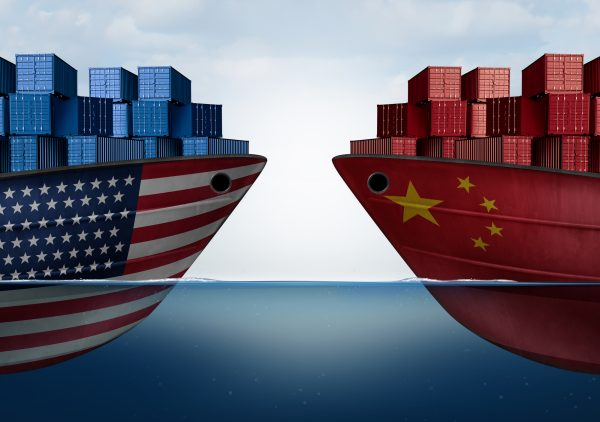
Shipping from China to Switzerland: The Ultimate 2026 Logistics Guide
Navigating the complexities of shipping from China to Switzerland requires a strategic approach to logistics and supply chain management. Businesses must evaluate multiple transport modes to balance speed and cost effectively. By partnering with experts like China Trade Freight, importers can streamline their operations and ensure reliable delivery of goods across international borders. This comprehensive guide provides the latest market insights and practical solutions for your 2026 shipping needs.

What Are the Primary Methods for Shipping from China to Switzerland?
Choosing the right transportation mode is the most critical decision in your logistics planning. Currently, three main options dominate the route between China and Switzerland: air freight, sea freight, and rail freight.
Air freight offers the fastest transit times for urgent or high-value cargo. In contrast, sea freight remains the most economical choice for large volumes and heavy machinery. Rail freight has emerged as a popular middle-ground solution, offering faster speeds than sea and lower costs than air.
Each method has specific advantages depending on your budget and delivery schedule. For instance, air freight is ideal for electronics, while sea freight suits bulk commodities.
How Does Sea Freight Compare to Other Shipping Options?
Sea freight is the backbone of global trade, especially for long-distance routes. While Switzerland is landlocked, it utilizes major European ports like Rotterdam, Hamburg, or Genoa to receive maritime shipments.
When comparing sea freight to air or rail, the primary trade-off is time versus cost. Sea freight offers the lowest price per kilogram but requires the longest lead times in your supply chain.
Moreover, sea freight allows for two main types of shipments: Full Container Load (FCL) and Less than Container Load (LCL). FCL is more cost-effective for shipments exceeding 15 cubic meters, whereas LCL allows smaller businesses to share container space.
| Shipping Method | Cost Range | Transit Time | Best For | Limitations |
|---|---|---|---|---|
| Air Freight | $5.00 – $9.00 / kg | 3 – 7 Days | Urgent, high-value | Expensive, weight limits |
| Sea Freight (FCL) | $2,500 – $4,500 / 40HQ | 35 – 45 Days | Bulk, large volume | Slowest transit time |
| Rail Freight | $1.50 – $3.00 / kg | 18 – 25 Days | Medium-sized cargo | Subject to rail congestion |
| Express Service | $8.00 – $12.00 / kg | 2 – 5 Days | Small parcels, samples | Highest overall cost |
What Is the Cost of Shipping from China to Switzerland in 2026?
Freight rates in 2026 have stabilized following the disruptions of previous years. However, costs still fluctuate based on fuel surcharges, seasonal demand, and carrier capacity.
For sea freight, a 20GP container typically costs between $1,800 and $2,800. A 40HQ container ranges from $3,000 to $4,500 depending on the departure port and the final destination in Switzerland.
Air freight prices are currently hovering around $5.50 to $8.50 per kilogram for standard shipments. During peak seasons like the fourth quarter, you should expect these rates to increase by 20% to 30%.
Note: Freight rates are subject to change based on fuel costs, carrier capacity, and seasonal demand. Contact us for a current quote tailored to your specific shipment.
The Benefits of Rail Freight for Swiss Importers
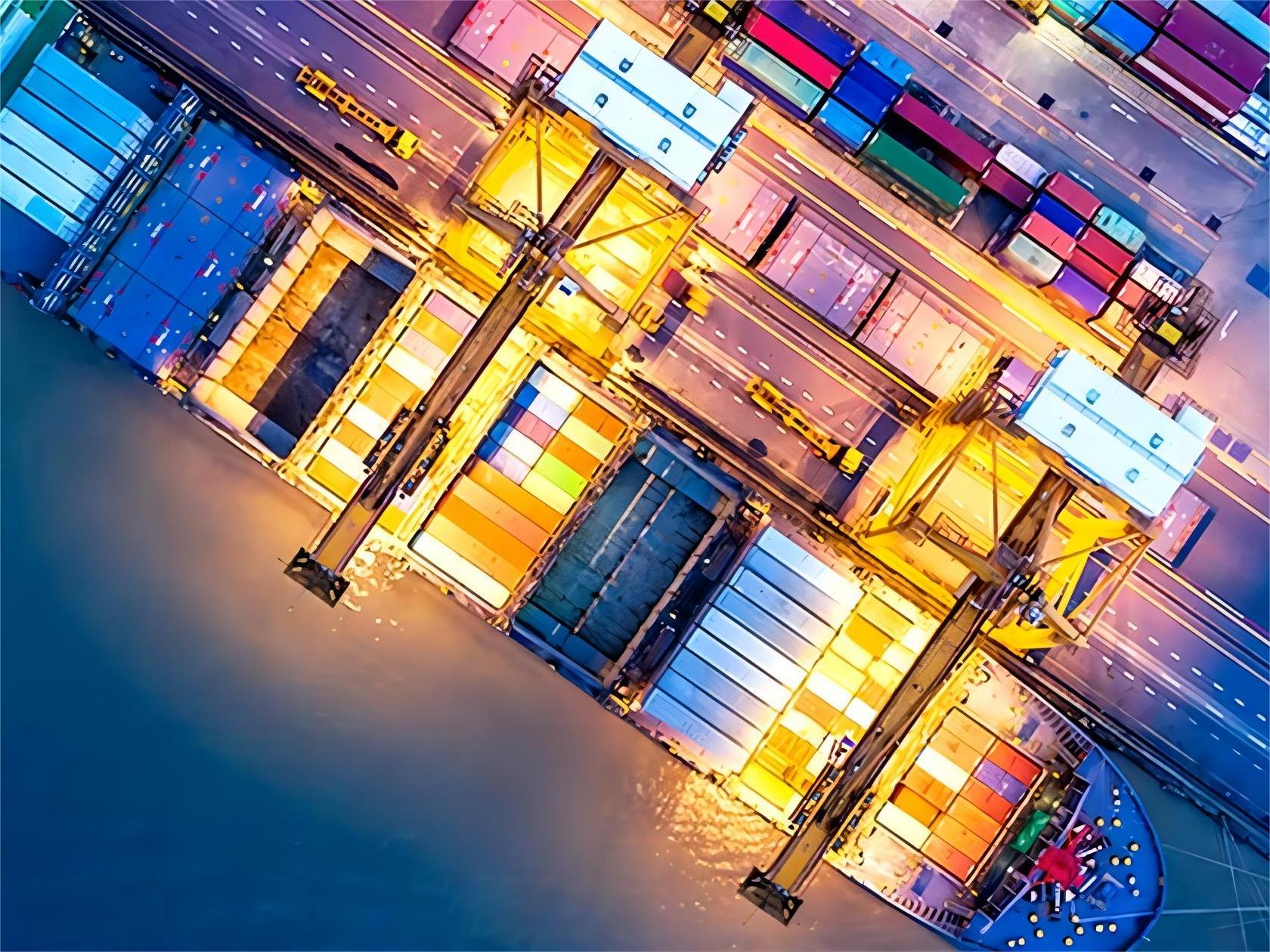
Rail freight has become a highly reliable alternative for businesses shipping from China to Switzerland. This mode utilizes the extensive Eurasian rail network, connecting major Chinese hubs like Chengdu or Xi’an to European rail terminals.
Using rail freight can reduce your transit time by nearly 50% compared to sea freight. It is particularly beneficial for automotive parts, industrial machinery, and fashion items that need to hit the market quickly.
Furthermore, rail transport is considered more environmentally friendly than air freight. It provides a balanced solution for companies aiming to reduce their carbon footprint while maintaining a fast supply chain.
How Long Does Transit Time Take for Each Method?
Transit time is a crucial factor when planning your inventory levels. Air freight is the clear winner, taking only 3 to 7 days from airport to airport.
Rail freight usually takes between 18 and 25 days to reach major European hubs, followed by a short truck transit into Switzerland. This makes it a very competitive option for mid-range urgency.
Sea freight remains the slowest, with transit times ranging from 35 to 50 days. This duration includes ocean transit to a port like Rotterdam and the subsequent barge or rail transport to Switzerland.
| Route Type | Departure Port | Arrival Hub | Avg. Transit Time |
|---|---|---|---|
| Air Direct | Shanghai (PVG) | Zurich (ZRH) | 3 – 5 Days |
| Rail Express | Xi’an | Duisburg / Basel | 20 – 22 Days |
| Sea (via North) | Ningbo | Rotterdam / Basel | 40 – 45 Days |
| Sea (via South) | Shenzhen | Genoa / Chiasso | 32 – 38 Days |
Understanding Door-to-Door Shipping Services
For many importers, the most convenient option is a comprehensive door to door service. This solution manages the entire logistics chain from the factory in China to your warehouse in Switzerland.
Choosing this service eliminates the need for you to coordinate with multiple carriers and customs agents. Your freight forwarder handles the pickup, export clearance, international transport, and final delivery.
Consequently, this method reduces the risk of communication errors and delays. It is highly recommended for small to medium-sized enterprises that may not have a dedicated logistics department.

Customs Clearance and Documentation Requirements
Switzerland is not part of the European Union, which means it has its own distinct customs regulations and tariffs. Proper documentation is essential to avoid costly delays and penalties at the border.
You must provide a commercial invoice, a detailed packing list, and a Bill of Lading or Air Waybill. Additionally, a Certificate of Origin may be required to benefit from specific trade agreements between China and Switzerland.
Engaging a professional customs brokerage service can simplify this process significantly. They ensure that your goods are classified correctly under the Harmonized System (HS) codes and that all duties are paid accurately.
| Document Name | Purpose | Required By | Typical Format |
|---|---|---|---|
| Commercial Invoice | Value declaration | Customs | Digital/Paper |
| Packing List | Cargo details | Warehouse/Customs | Digital/Paper |
| Bill of Lading | Title of goods | Carrier/Bank | Original/Telex |
| Import Declaration | Tax assessment | Swiss Customs | Electronic (e-dec) |
Case Studies: Real-World Shipping Scenarios
To better understand how these logistics strategies work in practice, let us look at some recent shipments from China to Switzerland.
Case Study 1: Electronics from Shenzhen to Zurich. Cargo: 500kg of high-end sensors. Method: Air Freight. Sea Transit: N/A (3 days flight). Cost: $3,200. Total Door-to-Door: 6 days. Key Insight: Speed was prioritized over cost to meet a production deadline.
Case Study 2: Furniture from Ningbo to Basel. Cargo: 28 CBM (1 x 20GP). Method: Sea Freight via Rotterdam. Ocean Transit: 38 days. Total Landed Cost: $3,150. Total Door-to-Door: 48 days. Key Insight: FCL sea freight provided the lowest per-unit cost for bulky items.
Case Study 3: Industrial Machinery from Wuhan to Geneva. Cargo: 12 CBM LCL. Method: Rail Freight. Rail Transit: 22 days. Total Landed Cost: $2,400. Total Door-to-Door: 30 days. Key Insight: Rail offered a 20-day saving over sea freight with manageable costs.
Which Option Should You Choose for Your Supply Chain?
The ideal shipping method depends on your specific priorities regarding budget, speed, and cargo volume. If your priority is the lowest possible cost and you have flexible timelines, sea freight is the best choice.
However, if you need to replenish stock quickly or are shipping perishable goods, air freight is the only viable option. Rail freight is the perfect compromise for those who need faster delivery than sea but cannot afford air rates.
Always consider the total landed cost, which includes duties, taxes, and local delivery charges. For shipments destined for Europe and specifically Switzerland, planning at least 2-3 months in advance for sea freight is highly recommended.
Mastering Your Shipping from China to Switzerland
Successful shipping from China to Switzerland requires a deep understanding of transport modes, costs, and customs regulations. By evaluating air, sea, and rail options, you can find a balance that supports your business goals.
In 2026, the logistics landscape continues to evolve, making expert guidance more valuable than ever. Always stay informed about market trends and maintain clear communication with your freight forwarder to ensure a smooth shipping experience.

Need a tailored shipping solution?
Ready to optimize your supply chain? Contact China Trade Freight today for a customized quote on shipping from China to Switzerland. Our experts are standing by to help you choose the best route for your business needs. Visit our website to learn more or send an inquiry directly to get started.