

Shipping from China to Austria: The Ultimate 2026 Logistics Guide
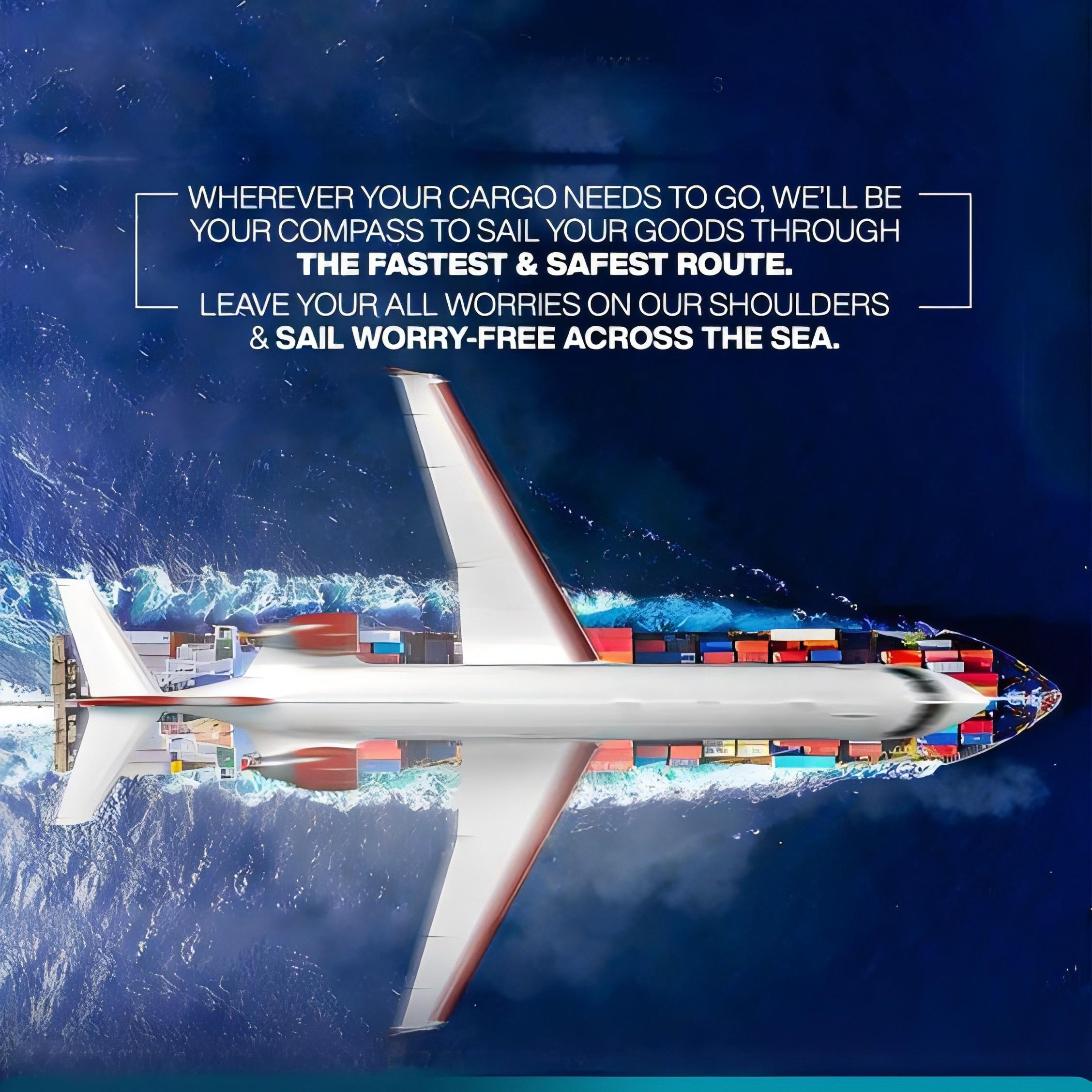
Navigating the complexities of shipping from China to Austria requires a deep understanding of modern logistics and landlocked geography. As a premier partner for international trade, China Trade Freight provides comprehensive solutions tailored to the unique needs of Austrian importers. This guide explores the most efficient methods to move your cargo while minimizing costs and maximizing speed in the current 2026 market landscape. Consequently, businesses can streamline their operations by selecting the right transportation strategy for their specific cargo requirements.
What are the Main Shipping Methods from China to Austria?
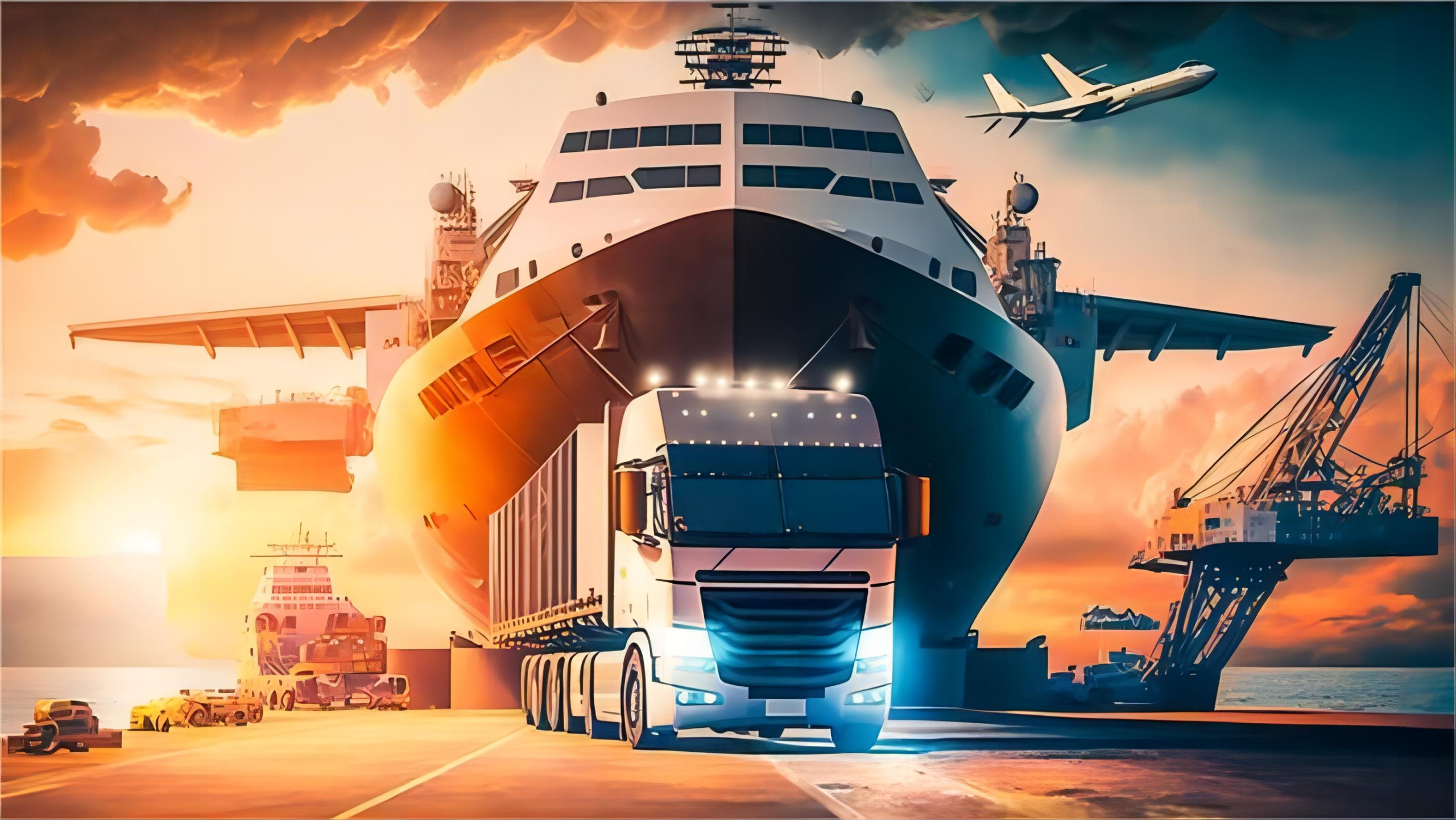
Choosing the right transportation mode is the first step in establishing a reliable supply chain between China and Central Europe. Specifically, shippers can choose between sea, air, and rail freight based on their budget and urgency. Each method offers distinct advantages depending on the volume of goods and the desired delivery schedule.
Rail transportation has emerged as a dominant force for this route due to Austria’s central location in Europe. Indeed, rail freight offers a middle ground between the speed of air and the low cost of sea transport. This method is particularly effective for heavy machinery and automotive parts that require faster turnaround than ocean vessels can provide.
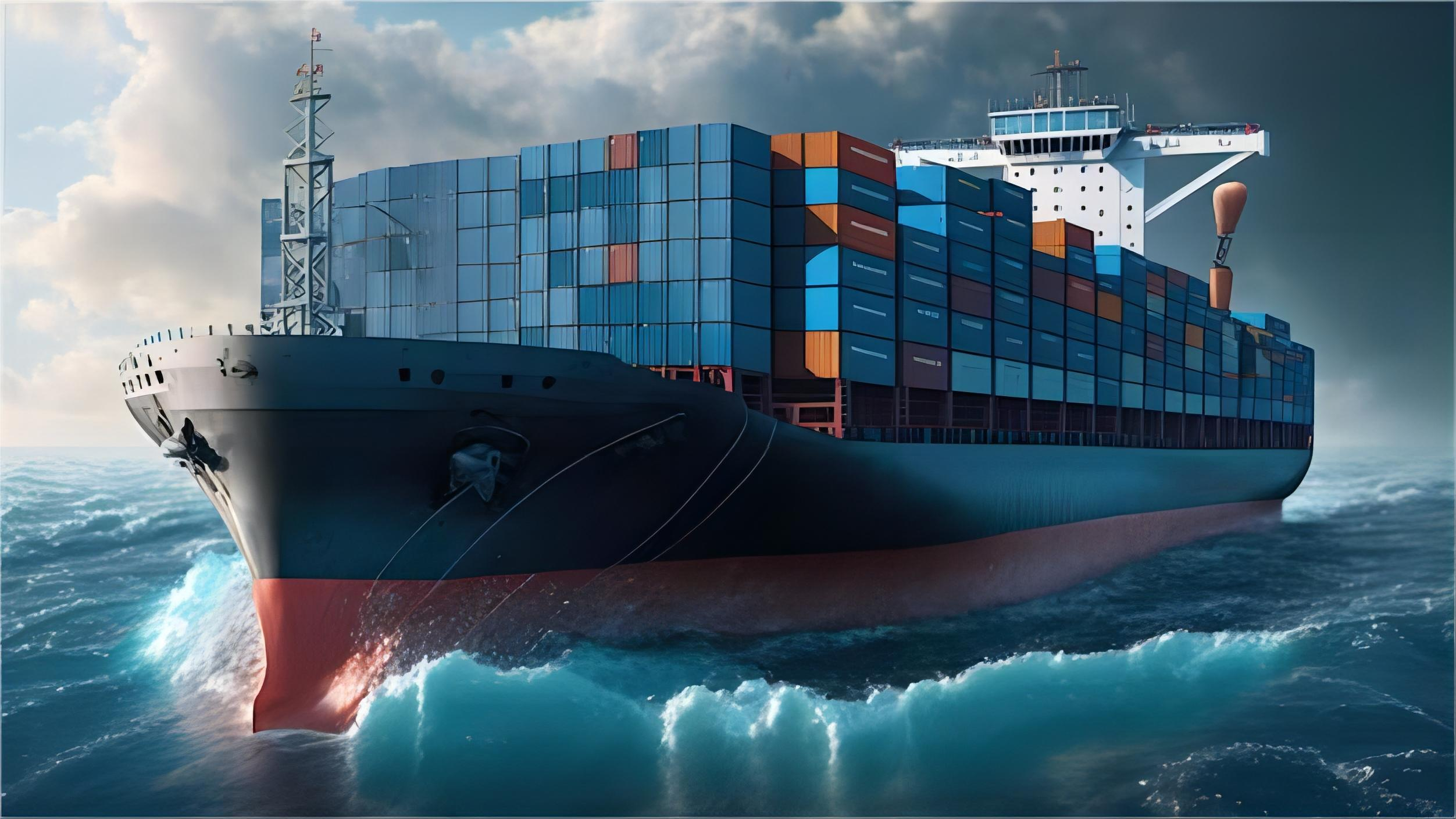
Ocean shipping remains the most economical choice for massive volumes and non-urgent inventory. However, because Austria is landlocked, sea cargo must arrive at major European ports like Hamburg or Koper before being moved by truck or train to Austrian cities. This multi-modal approach requires careful coordination to avoid unnecessary delays at the port of discharge.
Air transport serves as the fastest solution for high-value or time-sensitive shipments. For instance, electronics and fashion items often utilize this method to meet tight market demands. Although it is the most expensive option, the reduced transit time significantly lowers inventory carrying costs for many businesses.
How Does Rail Freight Compare to Other Shipping Options?
Analyzing the trade-offs between different logistics modes is essential for cost-effective importing. While sea freight is traditionally the cheapest way to ship from China to Austria, the current 2026 rail infrastructure has made trains highly competitive for many cargo types. Furthermore, rail options provide a more stable schedule compared to the seasonal fluctuations often seen in ocean shipping.
Direct rail links from Chinese hubs like Xi’an or Chengdu reach European terminals in record time. Consequently, many companies are shifting their mid-tier cargo from sea to rail to improve cash flow. On the other hand, air freight remains unbeatable for shipments that must arrive within a week, despite the significantly higher financial investment required.
Hybrid solutions like sea-air or rail-road combinations are also gaining popularity in the 2026 logistics market. These strategies allow shippers to balance speed and cost by utilizing the best features of each transport mode. To summarize the differences, please refer to the comparison table below.
| Shipping Method | Cost Range | Transit Time | Best For |
|---|---|---|---|
| Sea Freight (FCL) | $3,000 – $4,200 | 35-45 Days | Large Bulk Goods |
| Rail Freight | $2,200 – $3,500 | 18-22 Days | Heavy Machinery |
| Air Freight | $5.50 – $9.00/kg | 4-7 Days | High-Value Items |
| Express Courier | $9.00 – $15.00/kg | 3-5 Days | Small Samples |
Which Option Should You Choose for Your Business?
Determining the best shipping strategy depends on your specific business priorities and cargo characteristics. If your primary goal is budget optimization, sea freight is the logical choice for shipments exceeding 15 cubic meters. Nevertheless, you must account for the additional land transport costs from the coastal port to your final destination in Austria.
Speed priority dictates a shift toward air or express services. For example, if you are launching a new product or replenishing out-of-stock items, the higher cost of air transport is justified by the rapid market entry. Meanwhile, rail freight serves as the perfect compromise for businesses that need faster delivery than sea but cannot afford air rates.
Volume thresholds play a critical role in the decision-making process. For shipments under 1 CBM, express services are often the most sensible choice due to simplified customs and door-to-door convenience. In contrast, larger shipments benefit from the economies of scale provided by FCL (Full Container Load) or LCL (Less than Container Load) sea and rail services.
Decision Framework Criteria
Budget priority: Recommend Sea Freight for non-urgent, high-volume cargo.
Speed priority: Recommend Air Freight or Express for urgent inventory.
Cargo type: Recommend Rail Freight for heavy industrial equipment.
Volume threshold: Recommend LCL for shipments between 1 and 15 CBM.
Understanding Shipping Costs and Rates in 2026
Freight rates in 2026 have stabilized following the global supply chain disruptions of previous years. However, fuel surcharges and seasonal demand still influence the final price of shipping from China to Austria. Specifically, air freight rates fluctuate weekly based on carrier capacity and global fuel indices.
Ocean freight prices are currently influenced by port efficiency and container availability in major Chinese hubs like Shanghai and Ningbo. Additionally, Austrian importers should be aware of ‘landed costs,’ which include duties, taxes, and local handling fees. Indeed, a transparent cost breakdown is vital for accurate financial planning and profit margin protection.
Market data suggests that booking at least 3-4 weeks in advance can save up to 15% on total shipping costs. Furthermore, consolidating multiple small shipments into a single LCL container can significantly reduce the per-unit transportation expense. Note: Freight rates are subject to change based on fuel costs, carrier capacity, and seasonal demand. Contact us for a current quote tailored to your specific shipment.
| Route (To Austria) | 20GP Container | 40HQ Container | Est. Transit |
|---|---|---|---|
| Shenzhen via Koper | $2,100 – $2,600 | $3,200 – $4,100 | 32-38 Days |
| Shanghai via Hamburg | $2,300 – $2,800 | $3,500 – $4,400 | 35-42 Days |
| Ningbo via Trieste | $2,200 – $2,700 | $3,300 – $4,200 | 30-36 Days |
| Qingdao via Rail | $2,400 – $2,900 | $3,600 – $4,500 | 18-22 Days |
What is the Estimated Transit Time for Cargo?
Timeframes for delivery vary significantly based on the chosen logistics path and the efficiency of customs clearance. For instance, air freight typically arrives at Vienna International Airport within 5 to 7 days, including origin handling and terminal processing. Consequently, this is the preferred method for the electronics sector and pharmaceutical industries.
Rail freight transit times have improved in 2026, with most trains reaching European distribution centers in under three weeks. After reaching a terminal like Budapest or Warsaw, the cargo is quickly trucked to Austrian cities such as Linz, Graz, or Salzburg. Meanwhile, sea freight remains the longest route, often taking 35 to 50 days depending on the port of loading and the specific maritime service used.
Weather conditions and seasonal peaks can also impact the delivery schedule. During the August to October peak season, transit times may extend by 5-10 days due to congestion at major transshipment hubs. Therefore, planning your inventory arrivals well in advance of the holiday shopping season is a critical strategy for success.

Key Customs Documents and Import Regulations in Austria
Navigating Austrian customs requires meticulous attention to detail and accurate documentation. As a member of the European Union, Austria follows standardized import procedures, but local nuances still exist. Utilizing a professional customs brokerage service can prevent costly delays and ensure compliance with all EU regulations.
Documentation is the backbone of a successful import process. For example, the Commercial Invoice and Packing List must clearly state the value, origin, and description of the goods. Additionally, a Bill of Lading or Air Waybill is required to prove ownership and facilitate the release of the cargo upon arrival.
Import duties and Value Added Tax (VAT) are calculated based on the CIF (Cost, Insurance, and Freight) value of the shipment. Consequently, ensuring your HS codes are correct is essential for paying the right amount of tax. Without a doubt, misclassification is one of the most common causes of customs audits and financial penalties for importers.
| Document Name | Purpose | Required By | Notes |
|---|---|---|---|
| Commercial Invoice | Value Declaration | Customs Authority | Must match packing list |
| Packing List | Cargo Details | Warehouse/Customs | Lists weights and dims |
| Bill of Lading | Title of Goods | Carrier/Bank | Essential for sea/rail |
| Certificate of Origin | Duty Calculation | Customs Authority | Proves manufacturing site |
Door to Door Shipping and Amazon FBA Solutions
Streamlining your logistics from the factory floor to the final customer is possible through comprehensive door-to-door services. This approach eliminates the need for the importer to manage multiple logistics providers, as the freight forwarder handles every step. Specifically, Amazon FBA sellers in Austria benefit greatly from these integrated solutions.
Managing inventory for e-commerce requires a high degree of precision and reliability. By utilizing a door-to-door service, you ensure that your products are picked up in China, cleared through customs, and delivered directly to Amazon fulfillment centers in Europe. Furthermore, this service often includes labeling and palletizing to meet strict Amazon requirements.
Costs for door-to-door shipping are typically quoted as an all-in rate, providing better budget predictability. Although the initial quote might seem higher than port-to-port rates, the inclusion of local delivery and customs handling often results in lower total expenses. Indeed, many small to medium enterprises prefer this ‘hands-off’ approach to focus on their core sales activities.
Case Studies: Real-World Logistics Scenarios
Examining actual shipments provides valuable insights into the practicalities of shipping from China to Austria. These examples reflect the typical costs and timelines observed in early 2026. Consequently, they serve as a benchmark for businesses planning their upcoming logistics requirements.
Case Study 1: Electronics from Shenzhen to Vienna Route: Shenzhen, China to Vienna, Austria Cargo: Consumer Electronics, 5 CBM, 1,200 kg Container: LCL (Less than Container Load) Shipping Details: – Carrier: Major Rail Service – Port of Loading: Shenzhen Terminal – Port of Discharge: Vienna South Terminal – Route Type: Direct Rail via Poland Cost Breakdown: – Ocean/Rail Freight: $1,450 – Origin Charges: $250 – Destination Charges: $320 – Customs and Duties: $850 – Total Landed Cost: $2,870 Timeline: – Booking to Loading: 4 days – Rail Transit: 20 days – Customs Clearance: 2 days – Total Door-to-Door: 26 days Key Insight: Rail provided a 50% time saving over sea freight with only a 20% cost increase.
Case Study 2: Industrial Machinery from Shanghai to Linz Route: Shanghai, China to Linz, Austria Cargo: CNC Machinery, 28 CBM, 8,500 kg Container: 40GP Full Container Shipping Details: – Carrier: COSCO Shipping – Port of Loading: Shanghai Port – Port of Discharge: Port of Koper, Slovenia – Route Type: Transshipment via Singapore Cost Breakdown: – Ocean Freight: $3,800 – Origin Charges: $450 – Destination Charges: $600 – Customs and Duties: $2,100 – Total Landed Cost: $6,950 Timeline: – Booking to Loading: 6 days – Sea Transit: 34 days – Customs Clearance: 3 days – Total Door-to-Door: 43 days Key Insight: Using Koper as the entry port reduced inland trucking costs to Linz compared to North Sea ports.
Final Thoughts on Shipping from China to Austria
Successful shipping from China to Austria in 2026 hinges on selecting the right partner and the most appropriate transport mode. Whether you prioritize the speed of air, the balance of rail, or the economy of sea freight, understanding the nuances of the route is essential. Furthermore, staying informed about customs regulations and market trends will ensure your cargo arrives safely and on time.
Partnering with an experienced freight forwarder allows you to navigate these challenges with confidence. By leveraging modern logistics technology and strategic port selections, you can significantly reduce your lead times and landed costs. Therefore, take the time to evaluate your shipping needs and choose a solution that supports your long-term business growth.
Get Your Shipping Quote Today
Ready to optimize your supply chain from China to Austria? Contact China Trade Freight today for a customized quote and expert guidance on the best shipping methods for your business. Visit our website to learn more about our specialized services and start your seamless shipping journey now. Send Inquiry: Visit https://chinatradefreight.com/
Request Quote