


Sea Freight China to Germany Cost: 2026 Pricing and Logistics Guide
Navigating the complexities of international logistics requires a clear understanding of the sea freight china to germany cost to ensure your business remains profitable in 2026. China Trade Freight provides comprehensive solutions for businesses looking to optimize their supply chain expenses and improve delivery reliability. Understanding these variables helps you plan better and avoid unexpected fees during the transit process.

What Factors Influence Sea Freight China to Germany Cost?
Several dynamic elements dictate the final price you pay for ocean transport in the current market. Fuel surcharges, often referred to as Bunker Adjustment Factors, fluctuate based on global oil prices and environmental regulations. Moreover, seasonal demand spikes during the Golden Week or the lead-up to Christmas can significantly inflate standard rates.
Port congestion remains a critical variable that affects both time and money. When major hubs like Shanghai or Hamburg experience delays, carriers often implement congestion surcharges to offset their operational losses. Consequently, shippers must stay informed about local labor situations and infrastructure projects that might impact throughput.
Currency exchange rates also play a subtle yet impactful role in international shipping costs. Since most freight contracts are denominated in US Dollars, fluctuations between the Euro and the Dollar can change your landed cost overnight. Therefore, many savvy importers use forward contracts or hedging strategies to stabilize their logistics budgets throughout the fiscal year.
FCL vs LCL: Which Shipping Method is More Cost-Effective?
Choosing between Full Container Load and Less than Container Load depends largely on your total cargo volume and urgency. For shipments exceeding 15 cubic meters, sea freight in a dedicated 20-foot container usually offers the best value. This method provides better security and faster handling since the container remains sealed from the origin to the destination.
Smaller shipments benefit from LCL, where you only pay for the space your goods actually occupy. However, you must account for consolidation and deconsolidation fees which can sometimes make small LCL shipments more expensive per unit than FCL. In addition, LCL transit times are typically 5 to 7 days longer due to the extra handling required at both ends of the journey.
Note: Freight rates are subject to change based on fuel costs, carrier capacity, and seasonal demand. Contact us for a current quote tailored to your specific shipment.
| Container Type | Capacity (CBM) | Est. Cost (2026) | Best For |
|---|---|---|---|
| 20GP (Standard) | 33 CBM | $2,100 – $2,800 | Heavy machinery or dense goods |
| 40GP (Standard) | 67 CBM | $3,500 – $4,200 | General consumer goods |
| 40HQ (High Cube) | 76 CBM | $3,800 – $4,600 | Bulky or lightweight items |
| LCL (Per CBM) | 1 – 15 CBM | $120 – $180 | Small trial orders |
How Does Sea Freight Compare to Other Shipping Options?
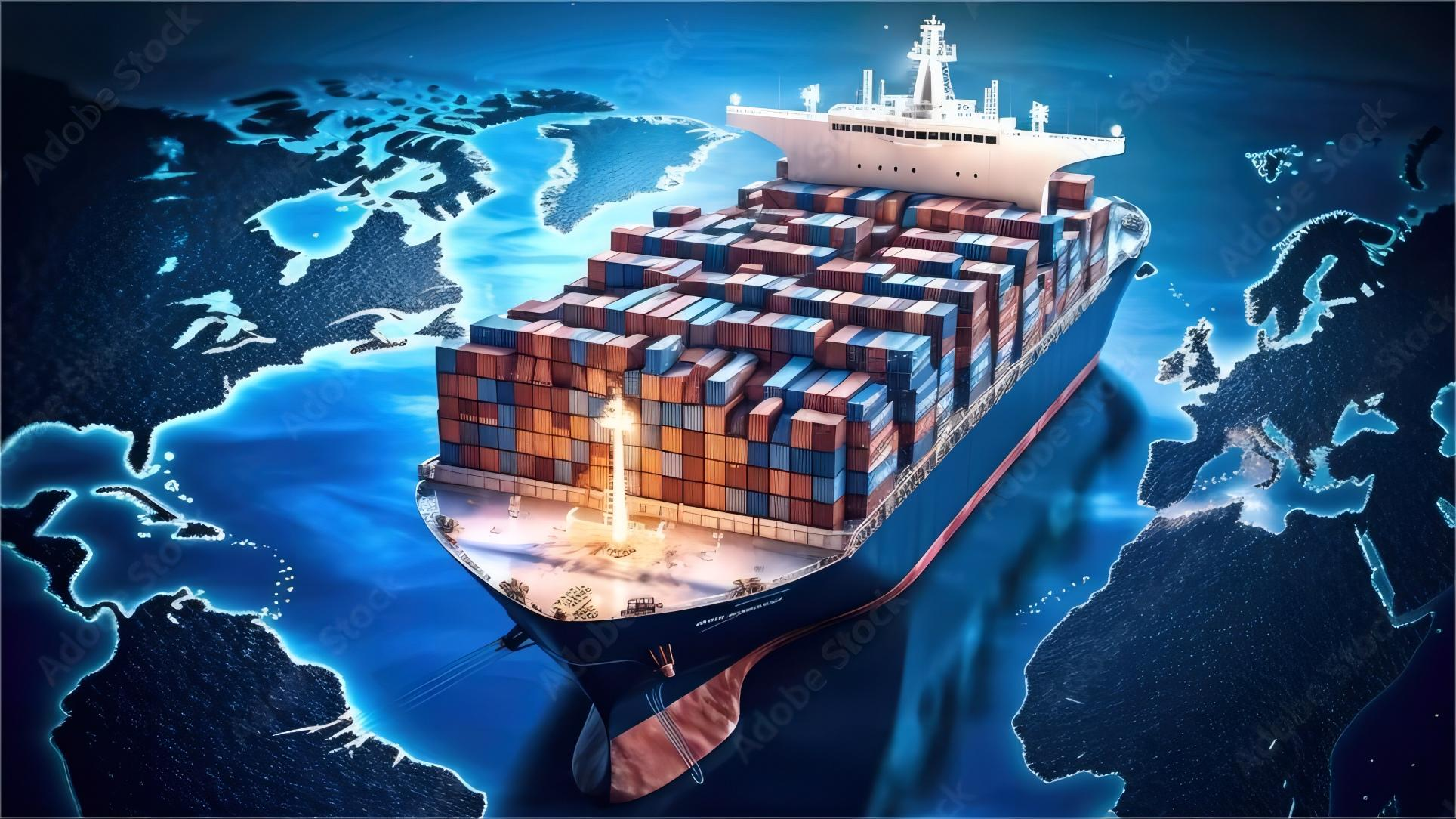
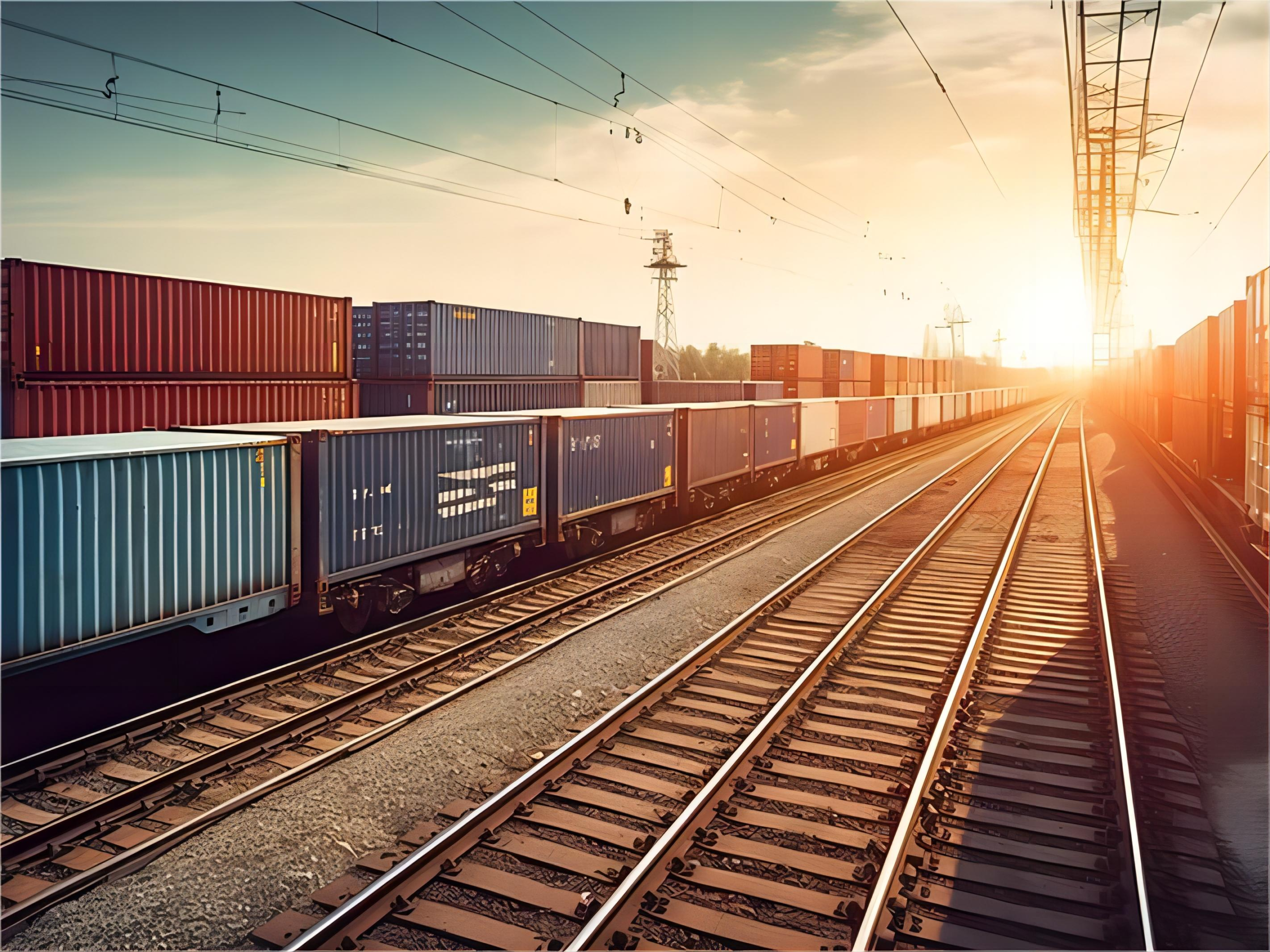
Analyzing the trade-offs between different transport modes is essential for maintaining a competitive supply chain. While ocean freight remains the most economical choice for large volumes, rail freight offers a middle ground with faster transit times than sea but lower costs than air. Specifically, the Iron Silk Road connects major Chinese hubs directly to German rail terminals in about 18 to 22 days.
Air transport serves as the premium option for high-value or time-sensitive electronics and fashion items. Although the cost per kilogram is significantly higher, the reduction in inventory carrying costs can sometimes justify the expense for specific product launches. Furthermore, businesses often use a hybrid sea-air approach to balance speed and budget during peak seasons.
Market data suggests that as of early 2026, the price gap between rail and sea has narrowed, making rail an increasingly attractive alternative for mid-sized enterprises. Nevertheless, for bulk commodities and raw materials, the massive capacity of modern container ships remains unbeatable in terms of cost per ton.
| Shipping Method | Cost Range | Transit Time | Best For | Limitations |
|---|---|---|---|---|
| Sea Freight | $2,000 – $4,500 | 30 – 40 Days | Bulk, non-urgent | Slowest speed |
| Rail Freight | $4,000 – $7,000 | 18 – 22 Days | Mid-value goods | Capacity limits |
| Air Freight | $15,000 – $25,000 | 3 – 7 Days | Urgent, high-value | Very expensive |
| Express | $20,000+ | 2 – 4 Days | Samples, documents | Highest cost |
Which Option Should You Choose?
Budget priority dictates a strong preference for FCL sea freight, especially when you can fill a 40HQ container. If your primary goal is to minimize the sea freight china to germany cost, planning your shipments 8 to 10 weeks in advance is the most effective strategy. This lead time allows you to book during lower-demand windows and avoid the premium rates associated with last-minute capacity crunches.
Speed priority necessitates a shift toward air freight or express services. When a production delay threatens to miss a retail deadline, the higher transport cost is often cheaper than the contractual penalties for late delivery. In contrast, for steady inventory replenishment, the slow but steady pace of ocean transport provides the necessary cost-efficiency.
Cargo type considerations also influence the decision framework significantly. Hazardous materials or oversized industrial equipment often have limited options and may require specialized flat-rack containers or RORO ships. Consequently, you should consult with a logistics expert to determine the most compliant and cost-effective route for non-standard cargo.
Essential Customs Documents for Importing to Germany
Navigating German customs requires meticulous documentation to avoid costly storage fees and delivery delays. The Commercial Invoice must clearly state the transaction value, country of origin, and detailed product descriptions. Additionally, the Packing List should accurately reflect the contents of each container to facilitate efficient inspections by customs officers.
Utilizing a professional customs brokerage service can streamline the clearance process significantly. They ensure that your EORI number is active and that the correct HS codes are applied to your goods. Indeed, incorrect classification is one of the leading causes of administrative fines and shipment seizures in the European Union.
Specific products may require additional certifications, such as CE marking for electronics or phytosanitary certificates for agricultural products. Without these documents, your shipment could be held at the Port of Hamburg indefinitely. Therefore, verifying all regulatory requirements before the ship leaves China is a mandatory step for successful importing.
| Document Name | Purpose | Required By | Format |
|---|---|---|---|
| Bill of Lading | Title to goods | Carrier/Customs | Digital/Original |
| Commercial Invoice | Tax/Duty assessment | German Customs | Digital |
| Certificate of Origin | Trade agreement proof | Customs | Original |
| EORI Number | EU Trader ID | German Customs | Registration |
Real-World Case Studies: Shipping Costs in 2026
Case Study 1: Electronics from Shenzhen to Hamburg Route: Shenzhen, China to Hamburg, Germany Cargo: Consumer Electronics, 68 CBM, 12,000 kg Container: 40HQ Full Container Shipping Details: – Carrier: Major carrier direct service – Port of Loading: Shenzhen – Port of Discharge: Hamburg – Route Type: Direct Cost Breakdown: – Ocean Freight: $4,100 – Origin Charges: $350 – Destination Charges: $420 – Customs and Duties: $1,200 (estimated) – Total Landed Cost: $6,070 Timeline: – Booking to Loading: 5 days – Sea Transit: 32 days – Customs Clearance: 2 days – Total Door-to-Door: 39 days Key Insight: Early booking during the Q2 slack season saved the client approximately 15 percent compared to peak rates.
Case Study 2: Textile LCL from Ningbo to Bremen Route: Ningbo, China to Bremen, Germany Cargo: Finished Garments, 6 CBM, 1,800 kg Container: LCL Service Shipping Details: – Carrier: Consolidation service via Singapore – Port of Loading: Ningbo – Port of Discharge: Bremen – Route Type: Transshipment Cost Breakdown: – Ocean Freight: $960 ($160 per CBM) – Origin Charges: $180 – Destination Charges: $250 – Total Landed Cost: $1,390 Timeline: – Booking to Loading: 4 days – Sea Transit: 38 days – Customs Clearance: 3 days – Total Door-to-Door: 45 days Key Insight: Using a transshipment route through Singapore provided a cheaper alternative than direct LCL, though it added 6 days to the schedule.
Case Study 3: Industrial Parts from Shanghai to Duisburg Route: Shanghai, China to Duisburg, Germany Cargo: Metal Components, 25 CBM, 18,000 kg Container: 20GP Full Container Shipping Details: – Carrier: Major carrier – Port of Loading: Shanghai – Port of Discharge: Wilhelmshaven (then rail to Duisburg) – Route Type: Direct to port, then intermodal Cost Breakdown: – Ocean Freight: $2,400 – Intermodal Rail: $450 – Origin/Dest Charges: $600 – Total Landed Cost: $3,450 Timeline: – Sea Transit: 34 days – Rail Connection: 3 days – Total Door-to-Door: 42 days Key Insight: Clearing customs at the deep-water port of Wilhelmshaven avoided the congestion often found at Hamburg, ensuring a faster rail connection to the inland terminal.
Hidden Costs and Surcharges in International Shipping
Beyond the base ocean freight rate, several hidden fees can impact your total sea freight china to germany cost. Demurrage and detention charges are perhaps the most common, occurring when containers are held at the port or outside the terminal beyond the allowed free time. To avoid these, you must ensure your local trucking partners are ready to move the cargo as soon as it clears customs.
Terminal Handling Charges at both the origin and destination ports cover the physical movement of the container from the ship to the yard. While these are standard, they vary significantly between different ports in Germany. For instance, Bremerhaven might have slightly different tariff structures compared to Hamburg, affecting your final invoice.
Insurance is another critical expense that many first-time importers overlook. While carriers have limited liability, purchasing comprehensive marine cargo insurance typically costs between 0.3 percent and 0.5 percent of the insured value. This small investment protects your business against total loss due to maritime accidents, theft, or heavy weather damage during the long voyage.
Mastering Your Shipping Strategy from China to Germany
Managing the sea freight china to germany cost effectively requires a combination of early planning, correct method selection, and reliable partnerships. By understanding the differences between FCL and LCL, and keeping an eye on market trends in 2026, you can maintain a lean and responsive supply chain.
Whether you choose the speed of rail or the economy of the ocean, staying informed about customs requirements and hidden fees will prevent costly surprises. Partnering with a dedicated freight forwarder ensures that your cargo moves efficiently through the global logistics network, allowing you to focus on growing your business in the German market.
Need a tailored shipping solution?
Ready to optimize your supply chain and secure the most competitive sea freight china to germany cost for your next shipment? Contact our expert team at China Trade Freight today for a personalized quote and professional logistics advice. Visit our website to start your inquiry and experience seamless international shipping. Send Inquiry: https://chinatradefreight.com/