

Amazon FBA Shipping from China to Europe: 2026 Logistics Guide
“Navigating the complexities of amazon fba shipping from china to europe requires a deep understanding of international logistics and European customs regulations. Choosing the right freight forwarder like China Trade Freight ensures your inventory arrives safely and on time at Amazon fulfillment centers. Consequently, this guide explores the most efficient methods to optimize your supply chain in 2026, helping you minimize costs while maximizing delivery speed. Moreover, we will address common challenges such as VAT compliance and labeling requirements that often hinder new sellers.”
What are the Primary Methods for Amazon FBA Shipping from China to Europe?
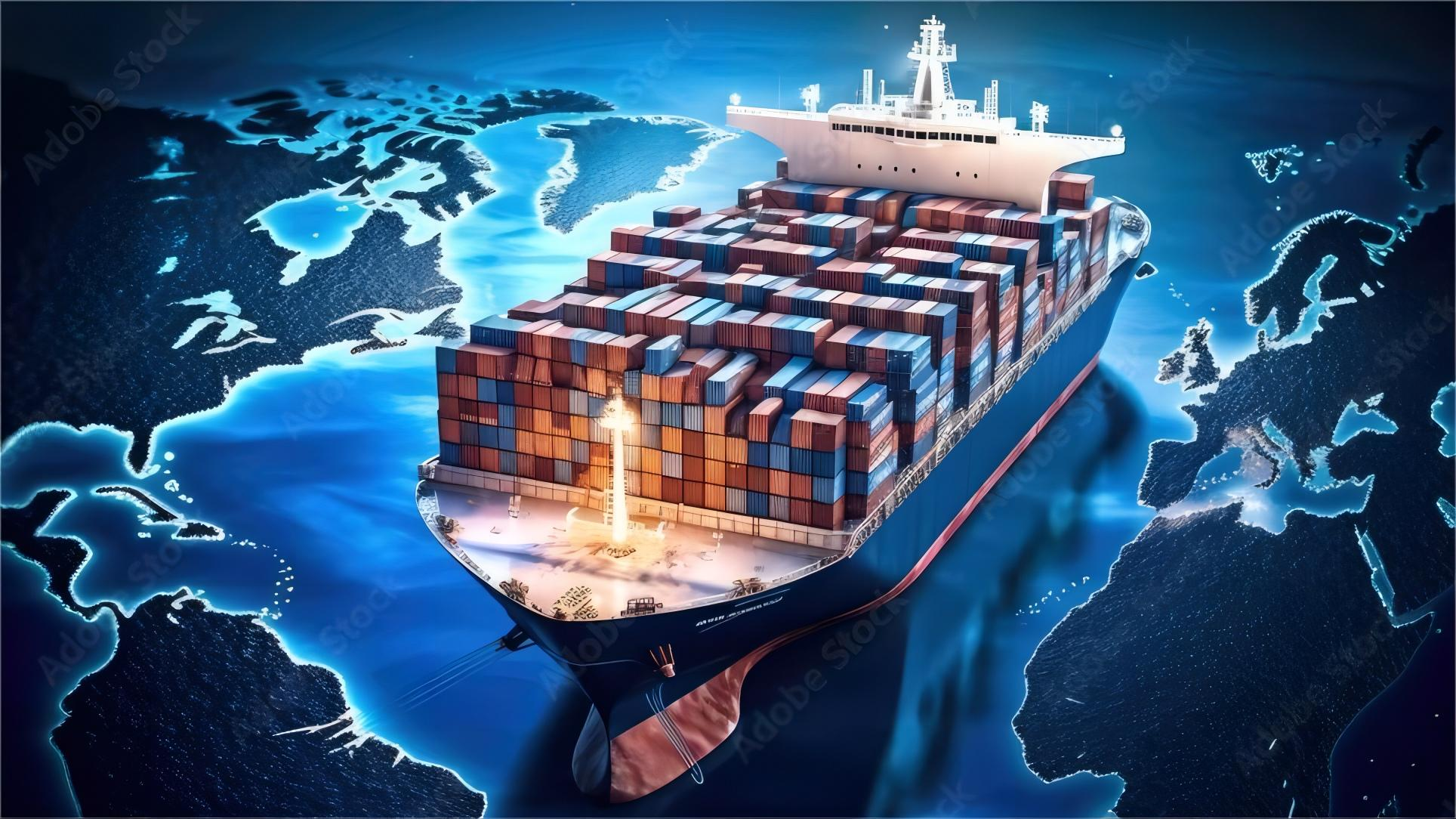
❖Sellers currently have three main options for transporting goods from Chinese factories to European Amazon warehouses. Specifically, these include sea freight, air freight, and rail freight, each offering distinct advantages based on your budget and urgency. Additionally, express services are available for smaller, high-priority shipments that need to arrive within days rather than weeks.
Sea freight remains the most popular choice for large volume shipments due to its cost-effectiveness. In contrast, air freight offers the fastest transit times but comes with a significantly higher price tag. Furthermore, rail freight has emerged as a reliable middle ground, providing faster delivery than sea and lower costs than air. Meanwhile, many sellers are now exploring hybrid solutions to balance their logistics expenses and inventory turnover rates.
Choosing the right method depends on several factors, including cargo volume, weight, and seasonal demand. For instance, during the Q4 peak season, air freight capacity often tightens, leading many to book sea or rail space months in advance. Therefore, understanding the nuances of each mode is essential for maintaining a healthy Amazon seller account status and ensuring product availability.
How Does Sea Freight Compare to Other Shipping Options?
❖When analyzing sea freight, it is clear that this method provides the lowest cost per unit for bulk inventory. However, the transit time is the longest, typically ranging from 30 to 45 days depending on the specific European port. Consequently, sellers must plan their inventory cycles carefully to avoid stockouts during long transit periods.
For those with tighter deadlines, air freight provides a much faster alternative, usually delivering goods within 5 to 10 days. Although the cost is higher, the speed allows for quicker reinvestment of capital and faster response to market trends. Nevertheless, for heavy or bulky items, the expense of air transport can quickly erode profit margins, making it less viable for low-margin products.
Market data suggests that sea freight rates have stabilized in early 2026 following the disruptions seen in previous years. To illustrate the differences, consider the following comparison of the primary shipping modes available for the China-to-Europe route.
| Shipping Method | Cost Range (per kg/CBM) | Transit Time | Best For |
|---|---|---|---|
| Sea Freight (FCL) | $3,000 – $4,500 per 40HQ | 30 – 45 Days | Bulk inventory, low-cost items |
| Air Freight | $4.50 – $8.00 per kg | 5 – 10 Days | High-value, lightweight goods |
| Rail Freight | $120 – $180 per CBM | 18 – 25 Days | Moderate budgets and timelines |
| Express Service | $7.00 – $12.00 per kg | 3 – 5 Days | Urgent restocks, samples |
Why Should You Consider Rail Freight for Your Amazon FBA Shipments?
❖Notably, rail freight has become a cornerstone of the New Silk Road, connecting major Chinese manufacturing hubs like Chengdu and Xi’an to European rail terminals. This method is particularly effective for sellers who need a faster turnaround than sea freight but cannot justify the premium price of air transport. Indeed, rail transit is often 50% faster than sea shipping while being significantly cheaper than air.
Environmental considerations are also driving more sellers toward rail options in 2026. Because rail transport has a lower carbon footprint compared to air and sea, it aligns well with the sustainability goals of many modern brands. Furthermore, rail schedules are generally consistent, offering a level of predictability that is often lacking in ocean shipping due to port congestion.
However, rail freight is subject to geopolitical stability along the transit routes. Shippers should stay informed about the current status of the Trans-Siberian and Middle Corridor routes. Despite these variables, rail remains a robust alternative for shipping electronics, auto parts, and consumer goods directly into the heart of Europe.
Understanding the Costs of Amazon FBA Shipping from China to Europe in 2026
❖Calculating the total landed cost is vital for any Amazon business. This includes not only the freight rate but also origin charges, destination fees, and customs duties. For example, ocean freight for a 40HQ container from Shanghai to Rotterdam might cost $4,000, but additional local charges can add another $800 to the bill. Therefore, obtaining a comprehensive quote is necessary for accurate financial planning.
Customs duties and Value Added Tax (VAT) represent a significant portion of the total expense when importing into the European Union or the UK. Specifically, the EU’s Import One-Stop Shop (IOSS) and various country-specific VAT regulations must be followed strictly. Failure to account for these costs can lead to unexpected losses and inventory delays at the border.
According to industry benchmarks, freight rates typically increase by 15-25% during the August to October peak season. During this time, demand for space on vessels and planes surges as sellers prepare for Black Friday and Christmas. To mitigate these spikes, many experienced shippers negotiate long-term contracts or use a mix of shipping methods to spread their risk.
| Route | 20GP Container | 40HQ Container | Average Transit |
|---|---|---|---|
| China to Germany | $2,200 – $2,800 | $3,800 – $4,800 | 32 – 38 Days |
| China to UK | $2,400 – $3,000 | $4,000 – $5,200 | 35 – 42 Days |
| China to France | $2,100 – $2,700 | $3,700 – $4,600 | 30 – 36 Days |
| China to Poland | $2,000 – $2,500 | $3,500 – $4,400 | 28 – 34 Days |
Which Shipping Option Should You Choose for Your Business?
❖Choosing between FCL (Full Container Load) and LCL (Less than Container Load) is a primary decision for sea and rail shippers. If your cargo volume exceeds 15 CBM, FCL is usually more economical and safer, as your goods occupy the entire container. Conversely, LCL is better for smaller shipments, though it involves more handling and a higher risk of minor delays during consolidation.
Sellers should also consider door to door services to simplify the logistics chain. This comprehensive service covers everything from factory pickup in China to final delivery at the Amazon fulfillment center. Consequently, it removes the burden of managing multiple logistics providers and ensures a smoother transition through various transit points.
Budget priority dictates choosing sea freight for non-urgent restocks. Speed priority, on the other hand, makes air freight or express shipping the only viable choices for hot-selling items. For a balanced approach, many sellers ship 80% of their inventory via sea and 20% via air to maintain stock levels without overspending on logistics.
Navigating Customs and Compliance for European Amazon FBA
❖Importing goods into Europe requires meticulous documentation to avoid costly delays or seizures. You must have a valid EORI (Economic Operators Registration and Identification) number to clear customs in both the UK and the EU. Furthermore, engaging a professional customs brokerage service is highly recommended to navigate the varying tax laws of different European nations.
Documentation such as the Commercial Invoice, Packing List, and Bill of Lading must be perfectly accurate. In addition, certain products like electronics or toys require specific certifications, such as the CE mark, to be legally sold in the European market. Without these documents, your shipment could be held indefinitely, leading to significant storage fees and lost sales.
VAT compliance is another critical area for Amazon FBA sellers. Since the 2021 changes to EU VAT rules, Amazon often collects VAT at the point of sale for non-EU sellers. However, you are still responsible for paying import VAT, which can often be reclaimed if you are VAT-registered in the country of import. Always consult with a tax professional to ensure your business remains compliant with the latest 2026 regulations.
Preparation and Labeling Requirements for Amazon FBA Europe
❖Amazon has strict requirements for how inventory must be prepared and labeled before it reaches their warehouses. Every single unit must have a scannable FNSKU label that corresponds to your seller account. Additionally, if you are shipping pallets, they must meet specific European standards, which differ from those used in the United States or China.
Carton labeling is equally important. Each master carton must have an FBA shipment label and should not exceed the weight limits set by Amazon (usually 23kg in the UK and EU). Moreover, using the wrong type of pallet or failing to wrap them correctly can result in Amazon refusing your shipment at the dock. To avoid this, many sellers use prep centers in China or Europe to double-check compliance before final delivery.
Transitioning to a professional prep service can save you time and reduce the risk of errors. These services understand the minute details of Amazon’s requirements, such as polybagging for apparel or bubble wrapping for fragile items. Ultimately, proper preparation is the final step in ensuring your amazon fba shipping from china to europe journey ends successfully.
Real-World Case Studies of Amazon FBA Shipping Success
❖Case Study 1: Electronics Restock to Germany. Origin: Shenzhen. Destination: Hamburg. Cargo: Computer accessories, 12 CBM, 2500 kg. Method: Sea Freight LCL. Cost: $2,100 total landed. Transit Time: 34 days. Key Insight: By booking three weeks in advance, the seller avoided a 10% rate hike and ensured the goods arrived before a major sales event.
Case Study 2: Home Decor Launch in the UK. Origin: Ningbo. Destination: Felixstowe. Cargo: Decorative lamps, 68 CBM, 11000 kg. Container: 40HQ. Method: Sea Freight FCL. Cost: $4,250 total landed. Transit Time: 39 days. Key Insight: Direct routing saved 5 days compared to transshipment, allowing the seller to meet their aggressive launch deadline.
Case Study 3: Urgent Apparel Restock to France. Origin: Guangzhou. Destination: Paris. Cargo: Summer clothing, 500 kg. Method: Air Freight. Cost: $3,250. Transit Time: 7 days. Key Insight: Despite the high cost, the air shipment prevented a stockout on a top-selling item, preserving the seller’s organic ranking on Amazon.fr.
Final Thoughts on Amazon FBA Shipping from China to Europe
To summarize, successful amazon fba shipping from china to europe requires a strategic balance of cost, speed, and compliance. By understanding the differences between sea, air, and rail freight, you can choose the method that best fits your current business needs. Moreover, staying updated on market trends and customs regulations in 2026 will help you avoid common pitfalls.
Partnering with an experienced freight forwarder is the most effective way to manage these variables. Whether you are a new seller or an established brand, professional logistics support ensures your inventory moves efficiently across borders. Start planning your next shipment today to secure the best rates and maintain a consistent supply of products for your European customers.

Ready to streamline your logistics?
Ready to streamline your amazon fba shipping from china to europe? Contact China Trade Freight today for a customized quote and expert guidance on your 2026 logistics strategy. Let us handle the complexities of international transport while you focus on growing your Amazon business. Visit our website to learn more about our comprehensive shipping solutions.
Request Quote