

Container Logistics China Europe Company: 2026 Shipping Guide
“Selecting a reliable container logistics China Europe company is a critical decision for businesses aiming to optimize their global supply chains in 2026. As international trade routes evolve, having a partner that understands the nuances of both Asian manufacturing hubs and European distribution networks is essential. This comprehensive guide provides the necessary insights to navigate shipping costs, transit times, and regulatory requirements effectively. Consequently, you can make informed decisions that balance speed and budget for your specific cargo needs.”

Why You Need a Specialized Container Logistics China Europe Company
❖Navigating the logistics landscape between China and Europe requires more than just moving boxes from point A to point B. A specialized company offers deep expertise in local regulations, port operations, and multi-modal transport strategies that general providers might lack. Furthermore, these specialists provide real-time tracking and risk management tools that are vital in today volatile market.
Reliable partners ensure that your documentation is perfect, reducing the risk of costly delays at border crossings. Because of the geographic distance, any minor error in paperwork can lead to significant bottlenecks in the supply chain. Therefore, choosing a firm with a proven track record in the China-Europe corridor is a strategic investment in your business growth.
Moreover, a dedicated logistics provider helps you leverage different transport modes based on seasonal demand and budget constraints. They act as an extension of your team, offering advice on everything from container loading optimization to last-mile delivery. In addition, these companies often have established relationships with major carriers, ensuring space availability even during peak seasons.
Comparing Shipping Methods: Sea vs. Rail vs. Air Freight
❖Understanding the differences between shipping modes is the first step in optimizing your logistics costs. For most businesses, sea freight remains the backbone of international trade due to its high capacity and lower cost per unit. However, the transit time can be a drawback for time-sensitive goods.
In contrast, rail freight has emerged as a powerful middle-ground solution, offering faster delivery than sea and lower costs than air. Specifically, the China-Europe Railway Express has revolutionized the corridor by connecting inland Chinese cities directly to European hubs like Duisburg and Warsaw. This method is particularly effective for high-value electronics or automotive parts.
Air freight remains the fastest option but comes at a significant premium, making it suitable only for urgent or highly perishable items. Meanwhile, sea-air or rail-sea hybrid solutions are gaining popularity as companies seek to balance cost and speed. The following table provides a clear comparison of these primary methods based on 2026 market data.
| Method | Transit Time | Cost Level | Best For |
|---|---|---|---|
| Sea Freight | 30-45 Days | Low | Bulk goods, FCL/LCL |
| Rail Freight | 15-22 Days | Medium | Mid-value, urgent stock |
| Air Freight | 3-7 Days | High | Samples, high-value |
| Express | 2-5 Days | Very High | Small parcels, docs |
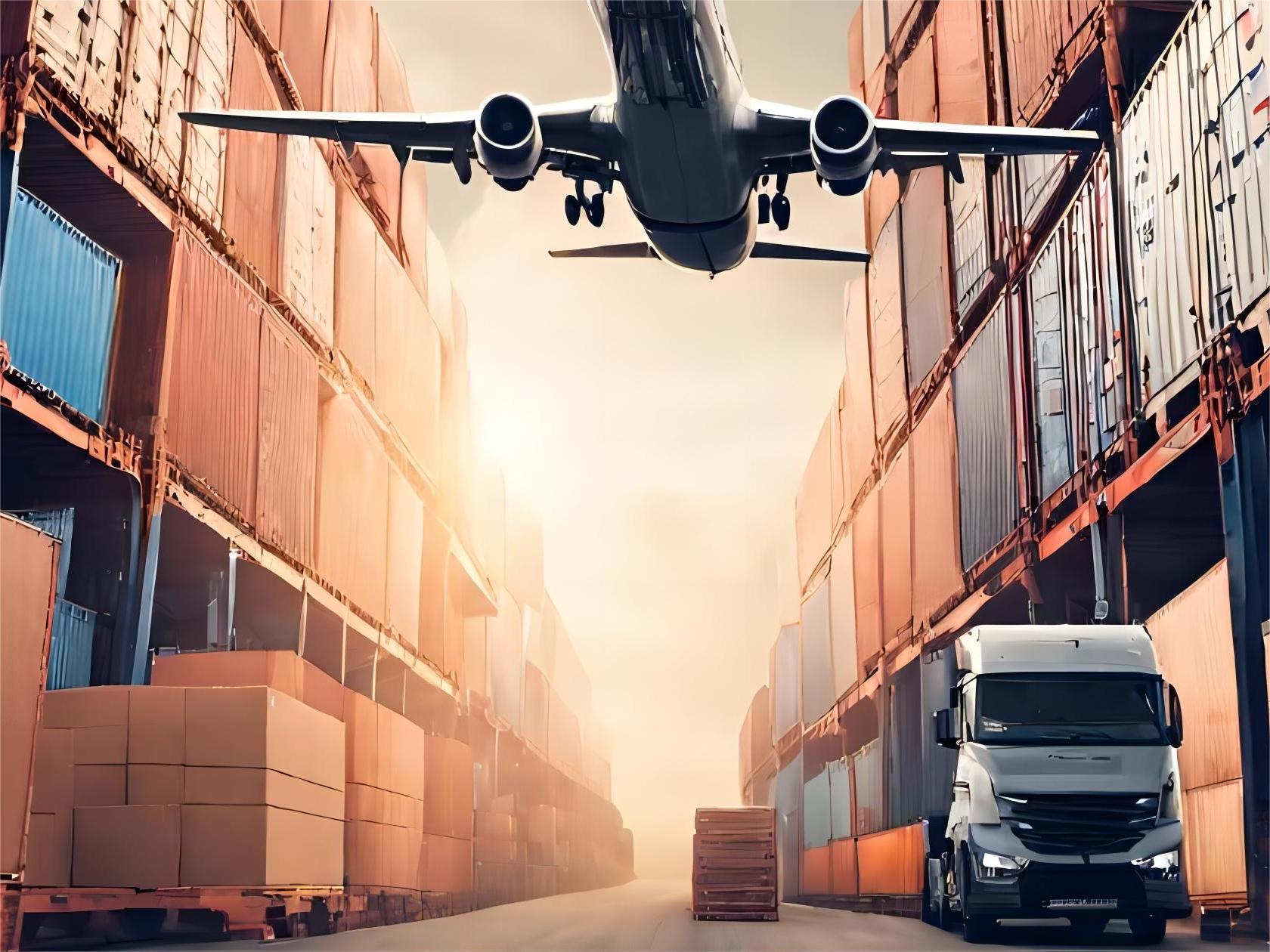
How Does Sea Freight Compare to Other Shipping Options?
❖Analyzing the objective trade-offs between sea freight and its alternatives is essential for long-term planning. While sea freight costs approximately 1,800 to 2,500 USD for a 20GP container in early 2026, rail freight for the same route might cost 30 to 50 percent more. Nevertheless, the time saved by rail can often justify the additional expense by reducing inventory holding costs.
For shipments under 15 CBM, LCL (Less than Container Load) shipping via sea is often more economical than a full container. However, LCL involves more handling and a higher risk of minor delays during the consolidation process. In contrast, FCL (Full Container Load) provides a dedicated space and faster processing at both origin and destination ports.
Direct routes typically cost 10 to 15 percent more than transshipment options but save significant time. For example, a direct vessel from Shanghai to Rotterdam is faster than one stopping at Singapore or Colombo. Consequently, businesses must weigh the cost savings of transshipment against the potential for port congestion at intermediate hubs.
| Shipping Method | Cost Range | Transit Time | Limitations |
|---|---|---|---|
| Sea FCL | $2,000 – $4,200 | 30-40 Days | Port congestion |
| Sea LCL | $50 – $90/CBM | 35-45 Days | Handling risks |
| Rail Freight | $4,500 – $6,500 | 18-24 Days | Border capacity |
| Air Freight | $4.50 – $8.00/kg | 5-8 Days | Weight limits |
Current Market Trends and Freight Rates for 2026
❖Market data suggests that freight rates from China to Europe have stabilized in early 2026 following the disruptions seen in previous years. According to industry benchmarks, the average cost for a 40HQ container currently ranges between 3,000 and 4,500 USD depending on the specific port pair. Furthermore, carriers are increasingly focusing on green logistics and carbon-neutral shipping options.
Typical rates as of Q1 2026 show a slight increase during the pre-Chinese New Year period, followed by a seasonal dip in March. Indeed, savvy shippers often book their space 4 to 6 weeks in advance to secure the most competitive rates. Moreover, the integration of AI in logistics planning is helping companies better predict demand and optimize container usage.
Note: Freight rates are subject to change based on fuel costs, carrier capacity, and seasonal demand. Contact us for a current quote tailored to your specific shipment.
Door-to-Door Logistics: Streamlining Your Supply Chain
❖Implementing a door to door service model simplifies the complexity of international trade by providing a single point of contact. This approach covers everything from factory pickup in China to final delivery at your warehouse in Europe. Consequently, it removes the burden of managing multiple vendors and disparate schedules.
Professional logistics companies handle the entire process, including inland trucking, export documentation, and ocean or rail carriage. Additionally, they manage the critical transition points where cargo is most vulnerable to delays. As a result, your team can focus on core business activities while the logistics experts ensure the flow of goods.
Choosing this service level often leads to better overall efficiency and visibility. Most providers offer integrated dashboards where you can monitor the status of your shipment at every stage. Furthermore, door-to-door solutions often include insurance and specialized handling, providing peace of mind for high-value or fragile cargo.

Navigating Customs Clearance and Compliance
❖Managing customs brokerage is perhaps the most complex aspect of China-Europe logistics. Each European country may have specific local requirements despite the overarching EU customs union rules. Therefore, having a partner with local boots on the ground is essential for smooth clearance.
Accurate classification of goods using HS codes is vital to determine the correct duties and taxes. Incorrect codes can lead to heavy fines, cargo seizures, or long-term audits by customs authorities. In addition, new environmental regulations in 2026 require detailed reporting on the carbon footprint of imported goods.
Documentation checklists typically include the commercial invoice, packing list, bill of lading, and certificates of origin. For certain products, additional permits or health certificates may be required. By preparing these documents in advance, you significantly reduce the risk of your container being held at the port of discharge.
| Document Name | Purpose | Typical Source | Requirement |
|---|---|---|---|
| Commercial Invoice | Valuation of goods | Seller/Supplier | Mandatory |
| Packing List | Details of contents | Seller/Supplier | Mandatory |
| Bill of Lading | Title to the cargo | Carrier/Forwarder | Mandatory |
| HS Code | Tax classification | Shipper/Broker | Mandatory |
Real-World Case Studies for China-Europe Shipping
❖Case Study 1: Electronics Distribution to Germany. Route: Shenzhen, China to Hamburg, Germany. Cargo: Consumer electronics, 28 CBM, 4500 kg. Container: 40GP. Shipping Details: Rail Freight via Xi an. Port of Loading: Xi an Inland Port. Port of Discharge: Hamburg Terminal. Route Type: Direct Rail. Cost Breakdown: Rail Freight: $5,200; Origin Charges: $450; Destination Charges: $600; Customs: $1,200; Total Landed Cost: $7,450. Timeline: Booking to Loading: 4 days; Transit: 18 days; Customs: 2 days; Total: 24 days. Key Insight: Rail saved 15 days compared to sea, allowing the client to meet a product launch deadline.
Case Study 2: Fashion Retailer to Italy. Route: Ningbo, China to Genoa, Italy. Cargo: Apparel, 12 CBM, 2000 kg. Container: LCL. Shipping Details: Sea Freight. Port of Loading: Ningbo. Port of Discharge: Genoa. Route Type: Transshipment via Singapore. Cost Breakdown: Ocean Freight: $950; Origin Charges: $300; Destination Charges: $400; Customs: $800; Total Landed Cost: $2,450. Timeline: Booking to Loading: 5 days; Sea Transit: 38 days; Customs: 3 days; Total: 46 days. Key Insight: Choosing LCL sea freight minimized costs for a non-urgent seasonal restock.
Case Study 3: Industrial Parts to Poland. Route: Qingdao, China to Warsaw, Poland. Cargo: Machinery parts, 65 CBM, 12000 kg. Container: 40HQ. Shipping Details: Sea-Rail Hybrid. Port of Loading: Qingdao. Port of Discharge: Gdynia. Route Type: Sea to Gdynia then Rail to Warsaw. Cost Breakdown: Ocean Freight: $3,800; Rail Leg: $700; Origin Charges: $500; Destination Charges: $550; Total Landed Cost: $5,550. Timeline: Booking to Loading: 6 days; Sea Transit: 34 days; Rail/Customs: 5 days; Total: 45 days. Key Insight: Using a hybrid approach optimized the final delivery to an inland warehouse.
Which Option Should You Choose?
❖Budget priority is the primary driver for many businesses, and in such cases, sea freight is the clear winner. If your margins are tight and your lead times are flexible, sea shipping provides the best return on investment. Furthermore, it is the most environmentally friendly option per ton-kilometer.
Speed priority becomes the focus when dealing with stockouts or high-demand product launches. In these scenarios, rail freight or even air freight is recommended to ensure market presence. Additionally, cargo type considerations like weight and volume will dictate whether FCL or LCL is more appropriate for your specific volume thresholds.
Volume thresholds often determine the switch between methods. For example, once your shipment exceeds 15 CBM, it is often more cost-effective to book a 20GP container rather than paying LCL rates. Consequently, analyzing your shipping patterns over a quarter can reveal significant opportunities for consolidation and cost reduction.
Summary of China-Europe Logistics Strategies
Successfully managing international trade requires a deep understanding of the available transport modes and market conditions. By choosing the right container logistics China Europe company, you gain access to the tools and expertise needed to minimize costs and maximize efficiency. Whether you opt for the speed of rail or the economy of sea freight, consistency and planning remain the keys to success.
Ultimately, your logistics strategy should be as dynamic as the market itself. Regularly reviewing your shipping routes, staying updated on 2026 freight trends, and maintaining clear communication with your forwarder will ensure your supply chain remains resilient. Trusting a specialized partner allows you to navigate the complexities of the China-Europe corridor with confidence and precision.

Ready to streamline your logistics?
Partnering with a professional container logistics China Europe company ensures your cargo is handled with expertise and care. Our team provides tailored solutions to help you navigate the complexities of 2026 trade routes. Contact China Trade Freight today to request a comprehensive quote and optimize your international shipping strategy. Visit our website to learn more about our end-to-end logistics services.
Request Quote