
China Freight Forwarder Europe: Expert 2026 Logistics Solutions
Establishing a robust supply chain requires more than just moving boxes from one point to another. A professional china freight forwarder europe manages the entire lifecycle of your shipment from the manufacturer’s door to the final destination. Consequently, they handle the intricate details of local logistics in China, export licensing, and international transit regulations. This partnership allows businesses to scale without worrying about the complexities of global trade or the risk of non-compliance. Moreover, the logistics industry in 2026 has become increasingly digitalized and data-driven. Modern forwarders use advanced software to predict potential disruptions and optimize routes effectively.

Why You Need a China Freight Forwarder Europe in 2026
Managing international shipments involves complex regulations and coordination across multiple time zones. A specialized freight forwarder acts as your bridge between Chinese manufacturers and European markets. Consequently, they mitigate risks such as port delays, equipment shortages, or customs issues. These experts provide a single point of contact for your entire logistics operation.
Moreover, these professionals offer consolidated services that reduce overall costs for small and medium enterprises. By leveraging their established network, you gain access to competitive shipping rates and priority space on major carriers. In addition, they provide real-time tracking and visibility to ensure transparency throughout the journey. Without this expertise, businesses often face unexpected fees and delivery delays.
Regarding the current market, 2026 has seen a stabilization of freight rates after previous global disruptions. However, navigating the specific documentation for different European Union member states remains a challenge. A forwarder ensures that all paperwork complies with local laws, preventing costly legal complications and storage fees at the port of discharge.
Exploring Core Shipping Methods for European Trade
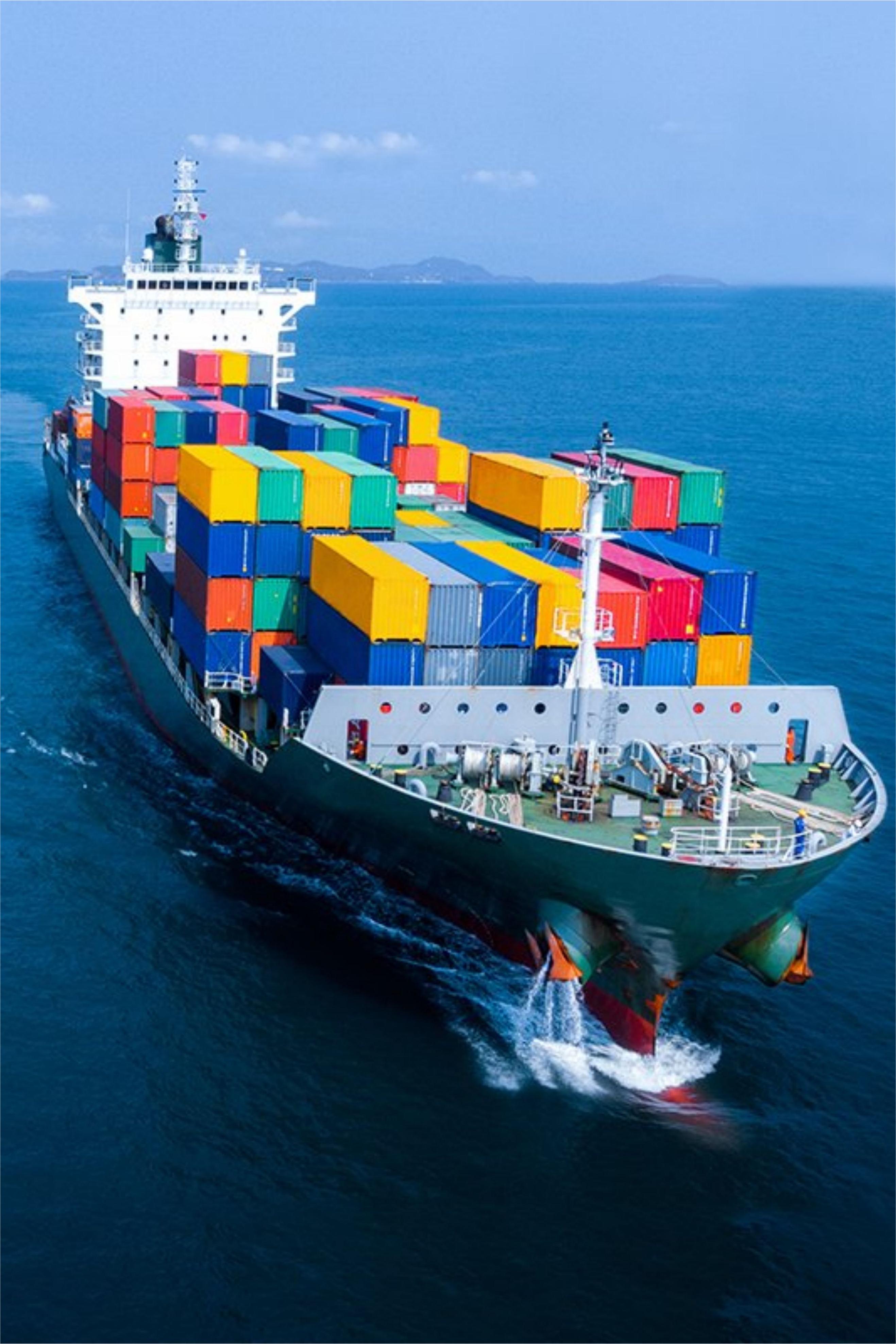
Selecting the right transport mode is a fundamental decision that impacts your business profitability. Sea freight remains the backbone of trade between Asia and Europe due to its massive capacity and cost-effectiveness. However, air freight offers unparalleled speed for those who need to restock inventory rapidly. Furthermore, rail freight has emerged as a sustainable and efficient middle ground for many industrial sectors.
Specifically, businesses must weigh the trade-offs between cost, speed, and environmental impact. For instance, while sea freight is the cheapest, it also has a longer transit time compared to other modes. On the other hand, rail freight provides a greener alternative that is faster than the ocean route. Meanwhile, air freight is reserved for high-margin products where time is the most critical factor.
| Method | Cost Level | Transit Time | Best For |
|---|---|---|---|
| Sea Freight | Low | 30-40 Days | Bulk Goods / FCL |
| Rail Freight | Medium | 15-22 Days | Industrial / Auto |
| Air Freight | High | 3-7 Days | High Value / Urgent |
| Express | Very High | 2-5 Days | Samples / Small |
How Does Sea Freight Compare to Other Shipping Options?
Objective analysis of shipping routes shows that sea freight is still the most utilized method for China-Europe trade. While it takes longer, the ability to move thousands of containers on a single vessel creates economies of scale. Consequently, for large-scale manufacturing and retail, the low per-unit cost is difficult to beat. Nevertheless, the recent focus on supply chain agility has led many to consider hybrid solutions.
Sea-Air combinations, for example, involve shipping goods by sea to a hub like Dubai and then flying them to Europe. This strategy can save up to 40 percent in costs compared to pure air freight while being twice as fast as sea freight. In contrast, direct rail routes offer a more consistent schedule that is less affected by maritime weather conditions. Understanding these nuances helps businesses choose the most resilient path for their cargo.
| Shipping Method | Cost Range | Transit Time | Key Limitations |
|---|---|---|---|
| Sea Freight | $2,000-$4,200 | 30-40 Days | Weather / Congestion |
| Rail Freight | $4,000-$6,500 | 15-22 Days | Border Inspections |
| Air Freight | $8,000-$15,000 | 3-7 Days | Strict Weight Limits |

Choosing Between FCL and LCL Shipping
For large volumes, sea freight offers the most economical solution for European importers. Full Container Load (FCL) allows you to use the entire space of a 20ft or 40ft container for your goods. This method is generally faster and safer as the container is sealed at the origin and only opened at the destination. Additionally, FCL reduces the risk of damage from handling other shippers’ cargo.
Alternatively, Less than Container Load (LCL) is ideal for smaller shipments that do not fill a whole container. While this is cost-effective for low volumes, it involves sharing space with other importers in a consolidated container. Therefore, you should calculate your total volume in cubic meters carefully before deciding. LCL often involves more handling at the port, which may slightly increase the risk of minor delays during the consolidation process.
Utilizing Air Freight for Time-Sensitive Cargo
When speed is your absolute priority, air freight remains the most effective choice. This method is particularly suitable for high-value electronics, seasonal fashion, or urgent industrial replacement parts. As a result, you can reduce transit time from several weeks to just a few business days. This speed allows businesses to respond quickly to market trends and maintain lower inventory levels.
Rapid delivery comes at a premium price, however, making it essential to optimize your packaging. For instance, shipping a 500kg pallet via air might cost significantly more than any other method. Nevertheless, the reduced inventory holding costs and the ability to meet tight deadlines often justify the expense. Professional forwarders can help you find deferred air services that offer a balance between speed and cost.
The Strategic Importance of Rail Freight
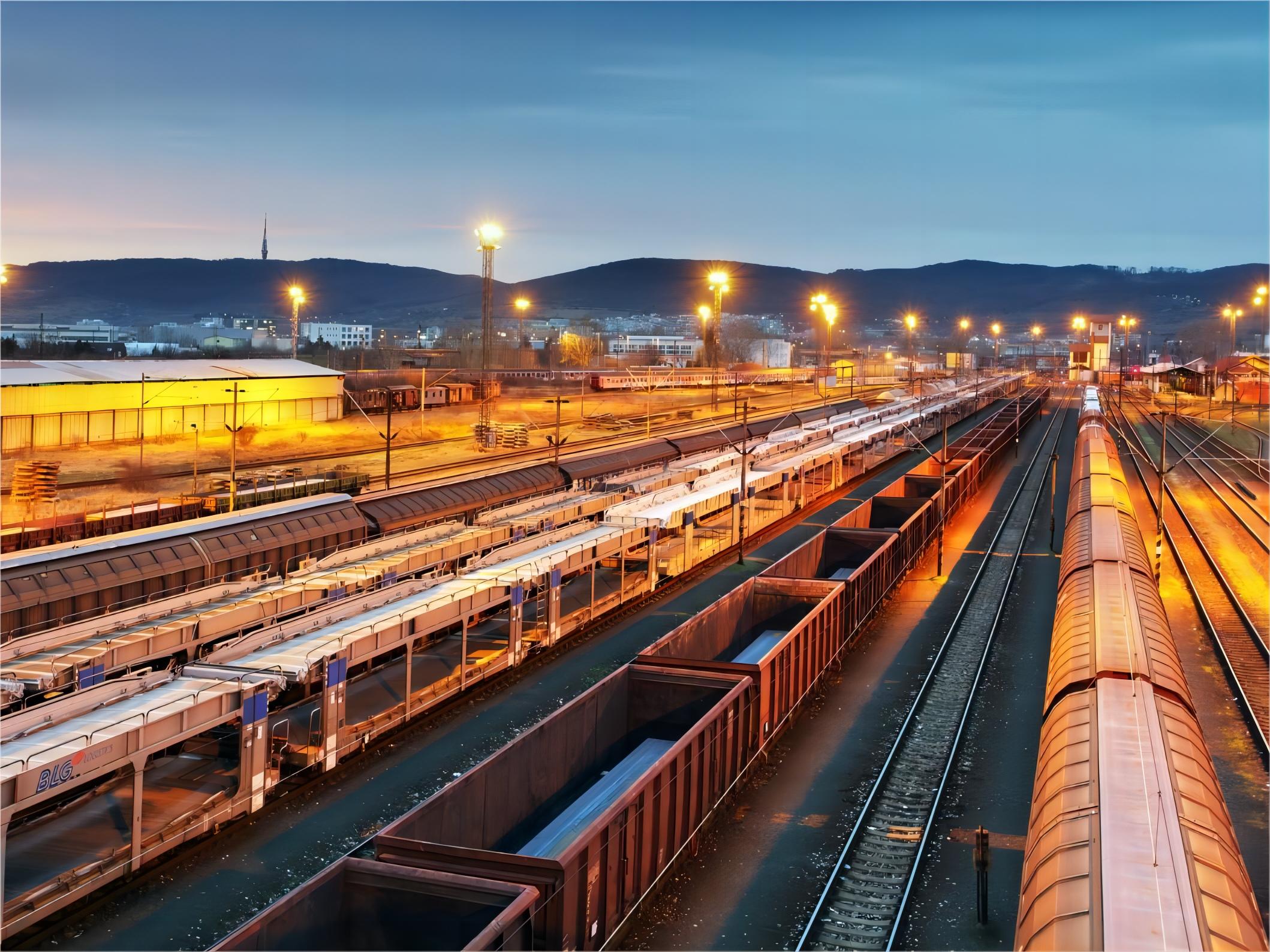
The Iron Silk Road has become a vital alternative for trade between major Chinese hubs and European rail terminals. Rail freight offers a middle ground that perfectly suits many modern supply chains. Consequently, it has gained immense popularity for automotive parts, machinery, and consumer goods. The stability of rail schedules makes it an excellent choice for just-in-time manufacturing processes.
Infrastructure improvements across Central Asia in 2026 have ensured more reliable transit times and smoother border crossings. This development provides a competitive edge for companies looking to avoid the volatility of ocean freight rates. Simultaneously, businesses are using rail to enhance their sustainability profiles, as rail emits significantly less CO2 than air transport. It is a strategic tool for balancing logistics budgets and environmental goals.
Specialized Logistics for Amazon FBA Sellers
Many European entrepreneurs rely on Amazon FBA to reach their customers efficiently. A professional forwarder handles the specialized requirements of labeling, palletizing, and direct delivery to Amazon fulfillment centers. Therefore, you can streamline your e-commerce operations without the need to manage a physical warehouse. This end-to-end service is crucial for maintaining high seller ratings and avoiding shipment rejections.
Besides physical handling, forwarders ensure that all shipments meet Amazon’s strict appointment scheduling and packaging standards. Experts in this field manage the entire process, including the payment of duties and taxes through DDP terms. Consequently, your products arrive ready for sale, allowing you to focus on marketing and customer service. E-commerce logistics requires this level of precision to succeed in the competitive European market.
Navigating Customs Clearance and Documentation
Efficient customs brokerage is the key to avoiding costly delays at European borders. Every country within the EU, as well as the UK, has specific requirements for import duties and VAT. For example, Germany and the Netherlands have different inspection protocols for certain categories of industrial goods. A knowledgeable forwarder prepares all necessary declarations to ensure a smooth entry into the destination country.
Documentation accuracy is mandatory for a successful import process and to avoid heavy fines. Your forwarder will assist with commercial invoices, packing lists, and certificates of origin. Without a doubt, professional oversight prevents legal complications and ensures that you pay the correct amount of duty. They also stay updated on the latest trade agreements that could potentially lower your import costs.
| Document Name | Purpose | Importance | Required By |
|---|---|---|---|
| Commercial Invoice | Value Declaration | Critical | Customs |
| Packing List | Cargo Details | High | Port Authority |
| Bill of Lading | Title of Goods | Mandatory | Carrier |
| Certificate Origin | Duty Assessment | Variable | Customs |
Real Case Studies: China to Europe Shipments
Case Study 1: Electronics Distribution to Germany. Route: Shenzhen, China to Hamburg, Germany. Cargo: Consumer Electronics, 65 CBM, 12,000 kg. Container: 40HQ. Shipping Details: Maersk Direct Service via Shenzhen. Cost Breakdown: Ocean Freight $3,450; Origin Charges $280; Destination Charges $420; Customs and Duties $1,100. Total Landed Cost: $5,250. Timeline: 38 days door-to-door. Key Insight: Using a 40HQ container maximized volume efficiency for lightweight electronics.
Case Study 2: Fast-Fashion Rail Transport. Route: Chengdu, China to Warsaw, Poland. Cargo: Apparel and Textiles, 28 CBM, 5,500 kg. Container: 20GP. Shipping Details: China-Europe Railway Express. Cost Breakdown: Rail Freight $4,800; Origin Charges $150; Destination Charges $350; Customs and Duties $900. Total Landed Cost: $6,200. Timeline: 20 days door-to-door. Key Insight: Rail provided a 50 percent time saving compared to sea at a manageable cost for seasonal stock.
Case Study 3: Industrial Machinery LCL. Route: Shanghai, China to Rotterdam, Netherlands. Cargo: Spare Machine Parts, 8 CBM, 2,200 kg. Container: LCL 8 CBM. Shipping Details: COSCO LCL Service via Singapore. Cost Breakdown: Ocean Freight $720; Origin Charges $120; Destination Charges $280; Customs and Duties $450. Total Landed Cost: $1,570. Timeline: 46 days door-to-door. Key Insight: LCL was the most economical choice for a shipment too small for a full container.
Which Option Should You Choose? Decision Framework
Selecting the most appropriate logistics path depends entirely on your specific business requirements and cargo type. If you are importing heavy bulk materials or furniture, sea freight provides the necessary capacity and lowest cost. Conversely, if you are launching a new product line with high market demand, air freight ensures you never miss a sales opportunity due to stockouts.
Current market data suggests that rail freight is becoming the preferred choice for electronics and automotive manufacturers in 2026. This is because it offers a significant speed advantage over sea without the extreme costs associated with air transport. Additionally, shipping from China to Europe via rail has seen improved reliability due to better diplomatic coordination along the transit corridors. Always consult with your forwarder to evaluate the latest route performance.
Cost-Saving Strategies for 2026 Shipping
Plan your shipments well in advance to avoid the high surcharges associated with peak seasons. Typically, rates increase by 15 to 25 percent between August and October as retailers prepare for the holiday season. Furthermore, consolidating multiple small orders from different suppliers into one LCL or FCL shipment can save significant money on documentation and handling fees.
Consider using different ports of entry to find lower local handling fees or faster inland transport. For instance, shipping to Piraeus and then using rail to reach Central Europe might be more cost-effective than a direct sea route to Northern ports. Always ask your forwarder for hybrid routing options and stay flexible with your delivery schedule to take advantage of lower spot rates.
Mastering Your Logistics from China to Europe
Successfully navigating the trade route from China to Europe requires a combination of strategic planning and expert execution. By choosing a reliable china freight forwarder europe, you gain a partner who can handle the complexities of modern international shipping. Whether you prioritize the speed of air, the balance of rail, or the economy of sea freight, the right guidance is essential.
Summarizing the key takeaways, always consider your volume, budget, and urgency before selecting a transport mode. Use the 2026 market trends to your advantage by exploring rail and hybrid solutions. With the right logistics framework, your business can achieve a more resilient and cost-effective supply chain.
Start Your Shipment
Partner with a leading china freight forwarder europe to optimize your 2026 logistics strategy and reduce overhead. Contact our expert team today for a customized quote and professional advice on your next international shipment. Send Inquiry: info@chinatradefreight.com
Request Quote