

Freight Forwarder Amazon FBA Europe: 2026 Logistics Guide
Expanding your e-commerce business into the European market requires a robust logistics strategy and a partner who understands the complexity of international trade. Finding a reliable freight forwarder amazon fba europe is the first step toward ensuring your inventory arrives safely at fulfillment centers across the continent. This guide explores how specialized logistics providers navigate the unique challenges of the European Union and United Kingdom markets in 2026.

What Does a Freight Forwarder Amazon FBA Europe Do?
A specialized freight forwarder amazon fba europe acts as the bridge between your Chinese manufacturers and Amazon warehouses in countries like Germany, France, and Italy. These professionals manage the entire transportation process, ensuring that your goods comply with strict Amazon packaging and labeling requirements. Moreover, they handle the intricate paperwork necessary for international transit, which prevents costly delays at the border.
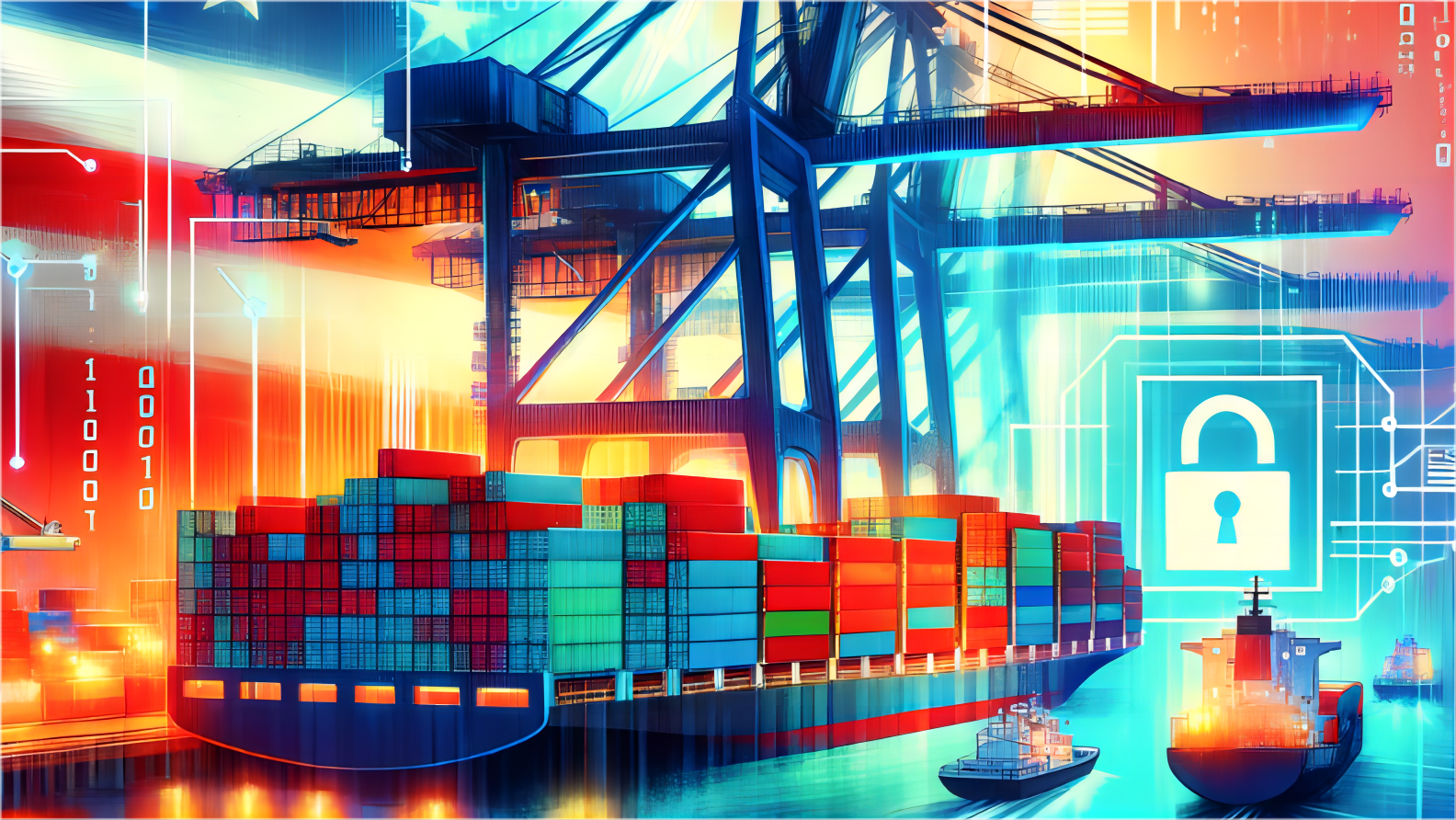
Consequently, working with an expert allows you to focus on marketing and sales while they manage the heavy lifting of logistics. They offer various services including consolidation, quality inspection, and palletization to meet Amazon standards. In addition, they provide real-time tracking so you can monitor your inventory levels throughout the voyage. Therefore, choosing the right partner is essential for maintaining a healthy seller rating and avoiding stockouts.
How Does Sea Freight Compare to Other Shipping Options?
When planning your inventory replenishment, you must evaluate the trade-offs between speed and cost. While sea freight remains the most popular choice for bulk shipments, other modes like rail and air offer distinct advantages. For instance, air freight provides unparalleled speed for high-value or urgent stock, whereas rail freight offers a middle ground for businesses looking to balance their budget and timeline.
Market data from early 2026 suggests that sea freight rates have stabilized, making it the most economical choice for large volumes. On the other hand, rail freight via the New Silk Road has become increasingly reliable for shipments destined for Central and Eastern Europe. Furthermore, air freight is generally reserved for lightweight items or emergency restocks due to its significantly higher price point per kilogram.
| Shipping Method | Cost Range | Transit Time | Best For |
|---|---|---|---|
| Sea Freight (FCL) | High efficiency | 30-40 Days | Large bulk orders |
| Rail Freight | Moderate cost | 18-24 Days | Mid-sized inventory |
| Air Freight | Premium price | 5-9 Days | Urgent restocks |
| Express Service | Highest cost | 3-5 Days | Small samples |
Navigating Customs Clearance and VAT for Amazon FBA Europe
Importing goods into Europe involves navigating a complex web of VAT regulations and customs duties. Each shipment requires a valid EORI number and proper documentation to pass through European customs without issues. Indeed, utilizing a professional customs brokerage service can save you from the headache of rejected entries or unexpected tax bills.
Furthermore, the European Union has specific rules regarding the Import One-Stop Shop (IOSS) and deferred VAT schemes that vary by country. For example, Germany and the Netherlands offer different advantages for initial entry points based on their local tax laws. Nevertheless, a knowledgeable freight forwarder amazon fba europe will advise you on the most tax-efficient route for your specific business model. Consequently, proper planning ensures that your landed cost remains predictable and your profit margins stay protected.
The Benefits of Door to Door Logistics Solutions
Many sellers prefer a comprehensive door to door service to simplify their supply chain. This solution covers everything from picking up the goods at the factory in China to the final delivery at the Amazon fulfillment center. Additionally, it often includes DDP (Delivered Duty Paid) terms, meaning the forwarder handles all taxes and duties upfront. As a result, you do not have to worry about managing multiple vendors or dealing with local European couriers.
Without a doubt, this streamlined approach reduces the risk of communication errors between different logistics providers. Moreover, it provides a single point of accountability if any issues arise during transit. Meanwhile, the forwarder coordinates with Amazon’s appointment scheduling system to ensure the final delivery slot is secured. Therefore, this hassle-free option is highly recommended for both new and experienced sellers targeting the European market.
Which Option Should You Choose for Your FBA Business?
Selecting the ideal shipping method depends on your specific business priorities, such as budget constraints or time sensitivity. If your primary goal is to minimize costs, sea freight is the clear winner for shipments exceeding 15 CBM. However, if you are launching a new product and need it on the shelves quickly, air freight might justify the higher expense. In contrast, rail freight serves as an excellent alternative for those who need faster delivery than sea but cannot afford air rates.
Consider the volume of your cargo before making a final decision. For smaller shipments, LCL (Less than Container Load) allows you to share space with other shippers, which is cost-effective. Conversely, FCL (Full Container Load) provides better security and faster handling for larger inventories. Ultimately, your choice should align with your inventory turnover rate and seasonal demand patterns.
| Priority | Recommended Method | Volume Threshold | Benefit |
|---|---|---|---|
| Budget | Sea Freight LCL/FCL | Over 2 CBM | Lowest unit cost |
| Speed | Air Freight | Under 500kg | Fastest turnaround |
| Balance | Rail Freight | 2-10 CBM | Reliable schedule |
| Small Parcels | Express Shipping | Under 100kg | Easy tracking |
Transit Times and Estimated Costs for 2026
Understanding the current market landscape is vital for accurate financial forecasting. As of early 2026, shipping from China to Europe has seen improved efficiency due to better port automation. Typical transit times for sea freight from Shenzhen to Rotterdam now average around 32 to 35 days. Meanwhile, air freight remains consistent at approximately 7 days including ground handling time.
Prices fluctuate based on fuel surcharges and seasonal peaks, such as the period leading up to the winter holidays. For instance, rates often increase by 20% between August and October. Consequently, booking your shipments at least 4-6 weeks in advance is highly recommended to secure better rates. Note: Freight rates are subject to change based on fuel costs, carrier capacity, and seasonal demand. Contact us for a current quote tailored to your specific shipment.
Real-World Case Studies for Amazon FBA Europe
Examining real-world examples helps sellers understand the practical application of different logistics strategies. These scenarios reflect typical shipments handled during the 2025 and 2026 shipping seasons. By reviewing these cases, you can better estimate your own timelines and potential costs.
Case Study 1: Shenzhen to Hamburg. Cargo: Electronics, 12 CBM, 2,500 kg. Method: Sea Freight LCL. Port of Loading: Shenzhen. Port of Discharge: Hamburg. Route: Direct via Suez Canal. Cost Breakdown: Ocean Freight $1,100; Origin Charges $250; Destination Charges $400; Total Landed Cost $1,750 (excluding duties). Timeline: 38 days door-to-door. Key Insight: Consolidating electronics in Shenzhen saved 15% compared to shipping from multiple smaller ports.
Case Study 2: Shanghai to Wroclaw. Cargo: Home Textiles, 40HQ Container. Method: Rail Freight. Port of Loading: Shanghai. Port of Discharge: Małaszewicze. Route: Trans-Siberian Railway. Cost Breakdown: Rail Freight $6,200; Customs Clearance $300; Delivery to FBA $850; Total Landed Cost $7,350. Timeline: 22 days door-to-door. Key Insight: Rail was chosen to avoid a 40-day sea voyage during a stockout crisis, arriving 18 days earlier for a 40% premium.

Preparing Your Inventory for the European Market
Proper preparation is the key to avoiding delays at the Amazon warehouse. You must ensure that every unit has a scannable FNSKU label and that your master cartons comply with Amazon’s weight limits. Furthermore, European warehouses often require specific pallet types, such as Euro-pallets (1200x800mm), which differ from the standard pallets used in the USA. Therefore, your freight forwarder amazon fba europe must be well-versed in these regional requirements.
Additionally, verify that your products meet all EU safety and compliance standards, such as CE marking or REACH certifications. Failure to provide these documents during customs clearance can lead to the seizure of your goods. In contrast, having a complete documentation pack ready before the ship sails ensures a smooth transition through the port. Indeed, proactive preparation is the hallmark of a successful international seller.
Mastering Your European Supply Chain
Successfully selling on Amazon in Europe requires more than just great products; it demands a reliable logistics backbone. By selecting an experienced freight forwarder amazon fba europe, you gain access to expert knowledge in customs, transit routes, and Amazon compliance. Whether you choose the cost-effectiveness of sea freight or the speed of air transport, a strategic approach will ensure your inventory is always available for your customers.
As the market continues to evolve in 2026, staying informed about shipping trends and cost-saving strategies is essential. Remember to plan your shipments well in advance and maintain clear communication with your logistics partner. With the right support, your business can thrive in the diverse and lucrative European marketplace.
Get Your Shipping Quote Today
Are you ready to scale your business across the European continent? Partner with a professional freight forwarder amazon fba europe to streamline your logistics and reduce shipping overhead. Send Inquiry
Request Quote