

Best China Freight Forwarder Europe: Top Shipping Guide 2026
Finding the best china freight forwarder europe is a critical step for businesses looking to streamline their international supply chain in 2026. At China Trade Freight, we understand that navigating the complexities of modern logistics requires more than just moving cargo from point A to point B. Consequently, our team focuses on providing integrated solutions that address the specific challenges of the China-Europe trade lane, ensuring your goods arrive safely and on schedule.
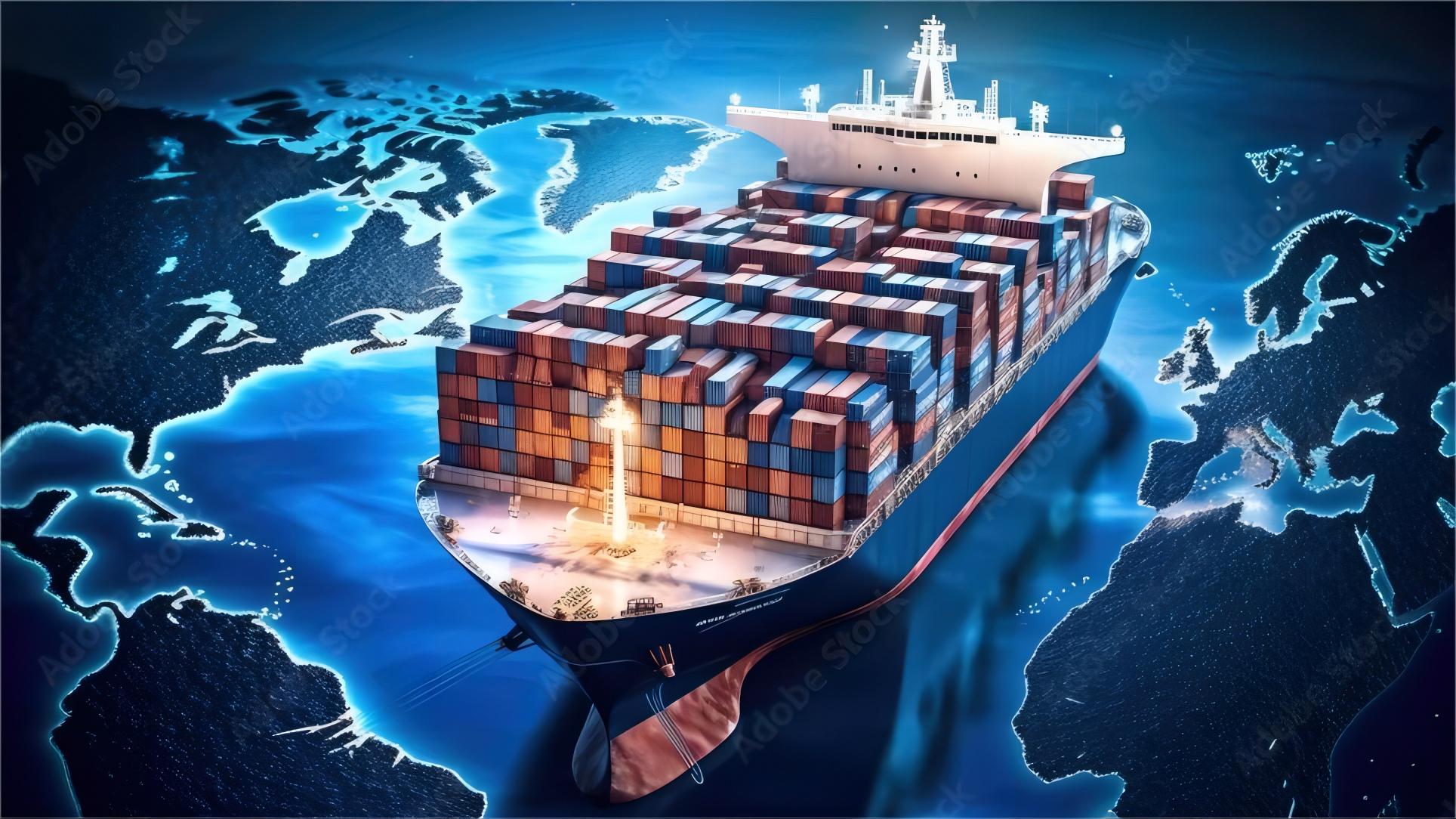
Why Choosing the Best China Freight Forwarder Europe Matters in 2026
Selecting a reliable partner is essential because the global logistics landscape has become increasingly volatile. Furthermore, the stabilization of trade routes in early 2026 has introduced new opportunities for cost-saving through optimized route planning. Businesses that partner with experts can leverage these trends to reduce their overall landed costs.

Reliability remains the most significant factor when evaluating potential logistics providers for your European shipments. Specifically, a forwarder with deep local knowledge in both China and the EU can navigate fluctuating port congestion and labor availability. This expertise ensures that your delivery schedule remains predictable even during peak seasons.
Moreover, the environmental regulations in Europe are becoming stricter, requiring forwarders to offer more sustainable shipping options. Therefore, working with a forwarder who understands carbon reporting and efficient multimodal transport is no longer optional. It is a strategic necessity for long-term growth in the European market.
How Does Sea Freight Compare to Other Shipping Options?
Sea freight continues to be the backbone of international trade due to its incredible capacity and cost-efficiency. Utilizing sea freight is particularly beneficial for high-volume shipments where time is less critical than the bottom line. However, it is important to compare this method against rail and air options to find the right balance for your specific needs.
Transitioning between different modes of transport can often provide the best results for complex supply chains. For instance, some importers choose sea-air hybrid solutions to save money while maintaining a reasonable transit time. This flexibility is a hallmark of the best china freight forwarder europe.
| Shipping Method | Cost Range | Transit Time | Best For |
|---|---|---|---|
| Sea Freight (FCL) | $3,000 – $4,200 | 30 – 38 Days | Bulk goods and machinery |
| Rail Freight | $4,500 – $6,000 | 18 – 24 Days | Mid-value electronics |
| Air Freight | $5.50 – $8.50/kg | 5 – 8 Days | Urgent or high-value items |
| Express Service | $9.00 – $14.00/kg | 3 – 5 Days | Small parcels and samples |
The Rise of Rail Freight on the New Silk Road
Expansion of the rail freight network has revolutionized how goods move across the Eurasian continent. This method offers a middle ground that is faster than sea freight and significantly cheaper than air transport. Consequently, many automotive and electronics manufacturers have shifted their primary logistics strategy to favor rail.
Notably, the transit time from major hubs like Chengdu or Xi’an to Duisburg or Warsaw has stabilized at approximately 20 days in 2026. This predictability allows for tighter inventory management and reduced warehousing costs. Indeed, rail transport is often the preferred choice for companies looking to balance speed and budget effectively.
Additionally, rail freight is considered more environmentally friendly than air or road transport. As EU carbon taxes evolve, this mode of transport provides a future-proof solution for sustainable supply chains. Many businesses are now integrating rail into their core logistics framework to meet corporate social responsibility goals.
Navigating Customs Brokerage and EU Compliance
Understanding the complexities of European customs is vital for avoiding costly delays at the port of entry. A professional customs brokerage service will ensure that all documentation, including the EORI number and HS codes, is perfectly prepared. Furthermore, the implementation of the ICS2 system in 2026 requires even more precise data submission before cargo arrives.
Compliance with VAT regulations and import duties varies significantly between different European countries. For example, shipping to Germany might involve different procedural nuances than shipping to Italy or Spain. Therefore, your forwarder must have a comprehensive understanding of the Union Customs Code to facilitate smooth clearance.
Meanwhile, misclassification of goods can lead to heavy fines and the seizure of shipments. The best china freight forwarder europe will provide a thorough audit of your paperwork to ensure every detail is accurate. This proactive approach saves time and protects your business reputation with customs authorities.
Strategic Shipping to Europe: Port Selection and Logistics Trends
Shipping to Europe requires a strategic choice of discharge ports to optimize the final delivery leg. Major hubs like Rotterdam, Antwerp, and Hamburg offer the best connectivity to the rest of the continent. However, southern ports like Piraeus or Valencia are becoming increasingly popular for reaching Central and Eastern European markets faster.
Logistics trends in 2026 show a significant shift toward digital transparency and real-time tracking. Importers now expect to see the exact location of their cargo at every stage of the journey. Consequently, top-tier forwarders are investing heavily in IoT and blockchain technology to provide this level of visibility.
Accordingly, the integration of last-mile delivery services has become a standard requirement for most importers. Whether you are shipping to a warehouse or directly to a customer, the efficiency of the final leg determines the overall success of the shipment. Choosing a forwarder with a strong local distribution network is essential for maintaining high service levels.
Optimizing Amazon FBA Shipments from China
Sellers utilizing Amazon FBA face unique challenges regarding labeling, palletization, and strict delivery windows. The best china freight forwarder europe will offer specialized services that cater to these specific requirements. This includes quality control inspections at the origin to ensure products meet Amazon’s rigorous standards.
Efficiently managing inventory levels is crucial for avoiding long-term storage fees at Amazon fulfillment centers. Many sellers now use a hybrid approach, storing bulk inventory in third-party warehouses and replenishing FBA stock as needed. This strategy provides greater flexibility and reduces the risk of stockouts during peak shopping periods.
Moreover, the use of dedicated FBA shipping lanes can significantly reduce transit times and costs. These lanes are optimized for the fastest possible processing at both the origin and destination ports. By leveraging these specialized services, sellers can maintain a competitive edge in the crowded European marketplace.

Which Option Should You Choose? A Decision Framework
Choosing the right shipping method depends on several factors, including your budget, timeline, and cargo type. If cost is your primary concern and you have a flexible schedule, sea freight is the clear winner. For urgent shipments or high-value goods, air freight provides the necessary speed and security.
Volume thresholds also play a role in determining the most economical method. For shipments under 15 CBM, Less than Container Load (LCL) is often more cost-effective than paying for a Full Container Load (FCL). However, once you exceed 15-20 CBM, FCL usually offers a better price per unit and reduced handling risks.
Market data suggests that freight rates are subject to change based on fuel costs, carrier capacity, and seasonal demand. We recommend requesting a current quote tailored to your specific shipment to ensure you are getting the best possible rate. Always factor in potential surcharges when calculating your total landed cost.
| Priority | Recommended Method | Typical Scenario | Key Benefit |
|---|---|---|---|
| Lowest Cost | Sea Freight (LCL/FCL) | Large inventory restock | Maximum ROI |
| Speed & Reliability | Air Freight | Product launches | Market responsiveness |
| Balanced Logistics | Rail Freight | Steady supply chain | Lower carbon footprint |
| Small Shipments | Express Service | Samples or spare parts | Door-to-door ease |
Real-World Case Studies: China to Europe Shipping 2026
Examining real-world examples can provide valuable insights into the practicalities of international shipping. These case studies reflect actual market conditions and pricing as of early 2026. They demonstrate how different strategies can be applied to achieve specific business objectives.
Case Study 1: Electronics from Shenzhen to Hamburg via Rail. Route: Shenzhen, China to Hamburg, Germany. Cargo: Consumer electronics, 68 CBM, 12,000 kg. Container: 40HQ. Shipping Details: Major rail carrier via Xi’an hub. Cost Breakdown: Rail Freight $5,200; Origin Charges $450; Destination Charges $600; Customs $300. Total Landed Cost: $6,550. Timeline: 22 days door-to-door. Key Insight: Rail provided a 15-day saving over sea freight at only 40% of the cost of air freight.
Case Study 2: Furniture from Ningbo to Rotterdam via Sea. Route: Ningbo, China to Rotterdam, Netherlands. Cargo: Flat-pack furniture, 28 CBM, 8,500 kg. Container: 20GP. Shipping Details: Direct ocean carrier (COSCO). Cost Breakdown: Ocean Freight $2,100; Origin Charges $350; Destination Charges $500; Customs $250. Total Landed Cost: $3,200. Timeline: 36 days door-to-door. Key Insight: Direct sea routes minimized handling and ensured the lowest possible cost for bulky items.
Note: Freight rates are subject to change based on fuel costs, carrier capacity, and seasonal demand. Contact us for a current quote tailored to your specific shipment.
Final Thoughts on Finding the Best China Freight Forwarder Europe
Summarizing your logistics strategy for 2026 requires a focus on flexibility, compliance, and cost-efficiency. By understanding the strengths of sea, rail, and air freight, you can build a resilient supply chain that withstands market fluctuations. The best china freight forwarder europe will act as a partner in your growth, providing the expertise needed to navigate the complexities of international trade.
Ultimately, the right choice depends on your specific business goals and the nature of your cargo. Whether you prioritize speed or cost, having a reliable partner like China Trade Freight ensures that your logistics are in expert hands. Start planning your next shipment today to take advantage of the latest logistics trends and competitive rates.
Need a tailored shipping solution?
Ready to optimize your supply chain with the best china freight forwarder europe? Contact our expert team today for a customized quote and experience seamless logistics tailored to your business needs. Send Inquiry