

Cargo Shipping China to Europe: 2026 Logistics Guide for Businesses
Navigating cargo shipping china to europe requires a strategic approach to balance cost efficiency and delivery speed. At China Trade Freight, we simplify complex global logistics for businesses of all sizes throughout the continent. Consequently, understanding the latest 2026 market trends is essential for maintaining a resilient and healthy supply chain in a fluctuating global economy.

What are the Primary Methods for Cargo Shipping China to Europe?
Determining the right transportation mode depends heavily on your specific budget and urgency requirements. Most businesses choose between ocean freight, rail transport, and air cargo based on volume and lead times. Furthermore, the stabilization of trade routes in early 2026 has provided more predictable schedules for European importers.
Sea freight remains the backbone of international trade due to its unmatched capacity for large-scale shipments. Importers typically utilize sea freight for non-urgent goods like furniture, machinery, and bulk textiles. Additionally, this method offers the lowest cost per unit when moving high volumes across long distances.
Rail freight has emerged as a powerful middle-ground solution for those needing faster delivery than sea but lower costs than air. Specifically, the China-Europe Railway Express connects major Chinese hubs to European cities in roughly half the time of ocean transit. Therefore, it is an ideal choice for automotive parts and seasonal consumer electronics.
Air freight serves as the fastest option for high-value or time-sensitive inventory. While it carries a higher price tag, it reduces the need for large safety stocks and minimizes the risk of damage. Consequently, many tech companies rely on this mode to launch new products across European markets simultaneously.
How Does Sea Freight Compare to Other Shipping Options?
Analyzing the trade-offs between different shipping methods is crucial for optimizing your logistics expenditure. Sea freight offers the highest scalability, yet it suffers from the longest transit times and potential port congestion. In contrast, rail and air provide speed but come with stricter weight and volume limitations.
Moreover, the environmental impact of each method is becoming a significant factor for European businesses. Ocean transport generally has a lower carbon footprint per ton-mile compared to air transport. Meanwhile, hybrid solutions like sea-air are gaining popularity for balancing these diverse priorities effectively.
| Shipping Method | Cost Range (2026) | Transit Time | Best For |
|---|---|---|---|
| Sea Freight (FCL) | $3,000 – $4,500 | 30 – 40 Days | Bulk & Heavy Goods |
| Rail Freight | $4,500 – $7,000 | 18 – 25 Days | Mid-value Inventory |
| Air Freight | $5.50 – $9.50/kg | 5 – 8 Days | Urgent & High Value |
| Express Service | $8.00 – $14.00/kg | 3 – 5 Days | Small Parcels |
What are the Logistics Trends for 2026?
Recent market data suggests that freight rates have reached a new equilibrium after the disruptions of previous years. Industry average for this route now reflects a more stable fuel surcharge environment and increased vessel capacity. Additionally, digital tracking technologies are now standard, providing real-time visibility for cargo shipping china to europe.
Sustainability initiatives are also reshaping how cargo handling is managed at major ports like Rotterdam and Hamburg. Many carriers are transitioning to greener fuels, which may influence long-term pricing structures. Nevertheless, the demand for efficient lcl shipping china to europe remains high among small and medium enterprises.
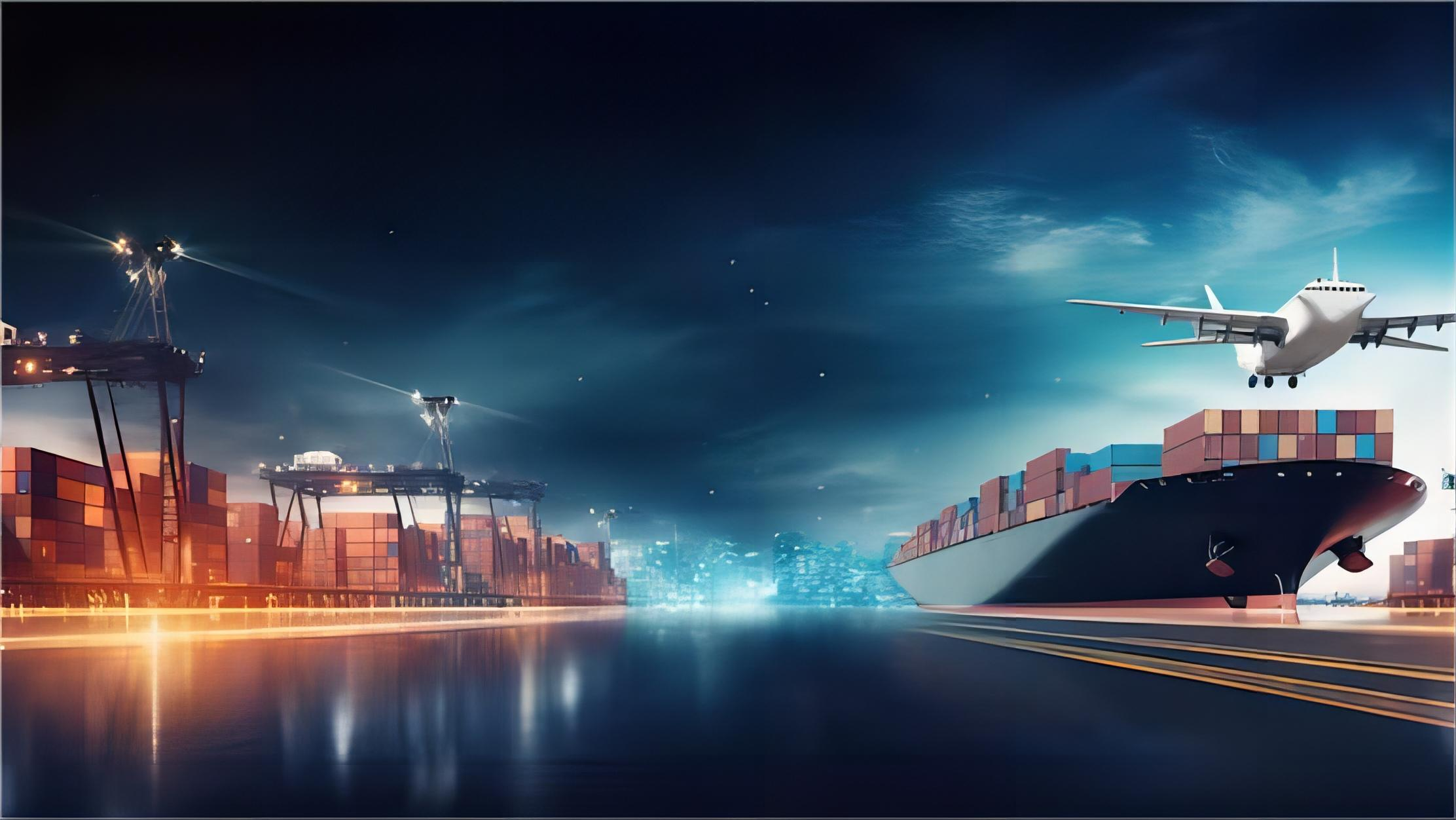
The Rise of Rail Freight China to Europe Transit Time
Utilizing the rail freight network has become a game-changer for businesses targeting Eastern and Central Europe. This method bypasses the lengthy maritime route around the Cape of Good Hope or through the Suez Canal. As a result, transit times to cities like Warsaw or Duisburg have become highly reliable.
Rail transport also offers a smoother ride for sensitive equipment compared to the rougher conditions of ocean transit. Indeed, the reduced vibration and controlled environment make it suitable for precision instruments. Furthermore, rail freight rates china to europe 2026 have remained competitive despite global energy fluctuations.
When Should You Prioritize Air Freight Rates China to Europe 2026?
High-value goods often justify the investment in air freight to ensure rapid market entry. If your inventory has a short shelf life or high depreciation rate, the speed of air transport is indispensable. For instance, shipping electronics from china to germany via air can save weeks of capital being tied up in transit.
Air cargo also provides superior security features and lower insurance premiums due to shorter exposure times. Although the cost per kilogram is higher, the total landed cost might be lower when factoring in reduced warehousing needs. Accordingly, businesses should evaluate their inventory turnover rates before dismissing air transport as too expensive.
Door to Door Shipping China to Europe: A Seamless Solution
Choosing a door to door service eliminates the complexity of managing multiple logistics providers. This comprehensive approach covers everything from the initial factory pickup in China to final delivery at your European warehouse. Moreover, it provides a single point of accountability for your entire shipment.
Professional customs brokerage is a vital component of this service, ensuring all legal requirements are met. Experts handle the intricate paperwork required for customs clearance europe from china, preventing costly delays at the border. Consequently, you can focus on your core business operations while logistics professionals manage the movement of your goods.

Which Option Should You Choose? Decision Framework
Selecting the optimal shipping method requires a careful analysis of your business priorities and cargo characteristics. If your primary goal is cost reduction and you have ample lead time, ocean freight is the logical choice. On the other hand, if you are restocking a popular item with low inventory levels, rail or air might be necessary.
Consider the volume of your shipment as well; for smaller loads, lcl shipping china to europe provides a cost-effective way to share container space. For larger consignments, fcl shipping china to europe offers better security and faster handling. Following a structured decision framework helps minimize risks and maximize profitability.
| Priority | Recommended Method | Key Reason | Trade-off |
|---|---|---|---|
| Lowest Cost | Sea Freight (LCL/FCL) | Massive economy of scale | Longest transit time |
| Fastest Delivery | Air Freight | Direct flight connections | Highest price point |
| Balanced Speed | Rail Freight | Consistent land route | Weight restrictions |
| Convenience | Door-to-Door | Full service management | Slightly higher fees |
Real-World Case Studies for 2026
Case Study 1: High-Volume Textile Import. Route: Shanghai, China to Rotterdam, Netherlands. Cargo: Finished apparel, 68 CBM, 12,000 kg. Container: 40HQ. Shipping Method: Sea Freight. Ocean Freight: $3,950. Origin/Destination Charges: $850. Total Landed Cost: $4,800. Timeline: 34 days total. Key Insight: Booking 3 weeks in advance secured a lower rate during the Q3 peak season.
Case Study 2: Urgent Tech Components. Route: Shenzhen, China to Warsaw, Poland. Cargo: Circuit boards, 4 CBM, 850 kg. Shipping Method: Rail Freight (LCL). Total Cost: $1,450. Timeline: 21 days total. Key Insight: Rail provided a 15-day saving over sea freight, allowing the client to meet a critical production deadline.
Case Study 3: Luxury Goods Launch. Route: Guangzhou, China to Paris, France. Cargo: Designer accessories, 1.5 CBM, 300 kg. Shipping Method: Air Freight. Total Cost: $2,100. Timeline: 6 days total. Key Insight: Air freight minimized the risk of theft and ensured the collection was available for the scheduled fashion event.
Understanding Customs and Documentation Requirements
Every successful international shipment relies on accurate and complete documentation to pass through regulatory checks. Essential documents include the Commercial Invoice, Packing List, and the Bill of Lading or Waybill. Additionally, you must provide a Certificate of Origin to determine applicable tariff rates under trade agreements.
Importers must also ensure their goods comply with European safety and environmental standards, such as CE marking or REACH. Failure to provide correct documentation can lead to severe fines and prolonged storage charges at the port. Therefore, partnering with an experienced logistics provider is the best way to navigate these complexities.
Cost-Saving Strategies for International Logistics
Reducing your total shipping spend involves more than just finding the lowest freight rate. Optimizing your packaging to reduce volumetric weight can significantly lower air and rail costs. Furthermore, consolidating multiple small shipments into a single LCL or FCL load can improve your bargaining power with carriers.
Planning your shipments around seasonal peaks is another effective way to save money. Rates typically increase 15-25% during the August-October period due to holiday demand. By moving inventory earlier in the year, you can avoid these surcharges and ensure better equipment availability. Note: Freight rates are subject to change based on fuel costs, carrier capacity, and seasonal demand. Contact us for a current quote tailored to your specific shipment.
Final Thoughts on European Logistics
Successfully managing cargo shipping china to europe in 2026 requires a deep understanding of the various transport modes and market conditions. Whether you prioritize the cost savings of sea freight or the rapid transit of air and rail, choosing the right partner is paramount.
Logistics remains a dynamic field where flexibility and planning are the keys to long-term success. By leveraging the insights and strategies outlined in this guide, you can build a more efficient and competitive supply chain for the European market.
Need a tailored shipping solution?
Ready to streamline your cargo shipping china to europe? Contact China Trade Freight today for a customized quote and expert guidance on the best logistics strategy for your business. Our team is standing by to ensure your goods arrive safely, on time, and within budget.