

Export Logistics China Europe: A Strategic Guide for 2026
Developing a robust strategy for export logistics china europe is essential for businesses looking to maintain a competitive edge in the global market. As global trade routes evolve in 2026, understanding the nuances of transit times and freight costs becomes a critical factor for success. This comprehensive guide explores the most efficient shipping methods, provides real-world cost benchmarks, and offers actionable advice to streamline your international supply chain.
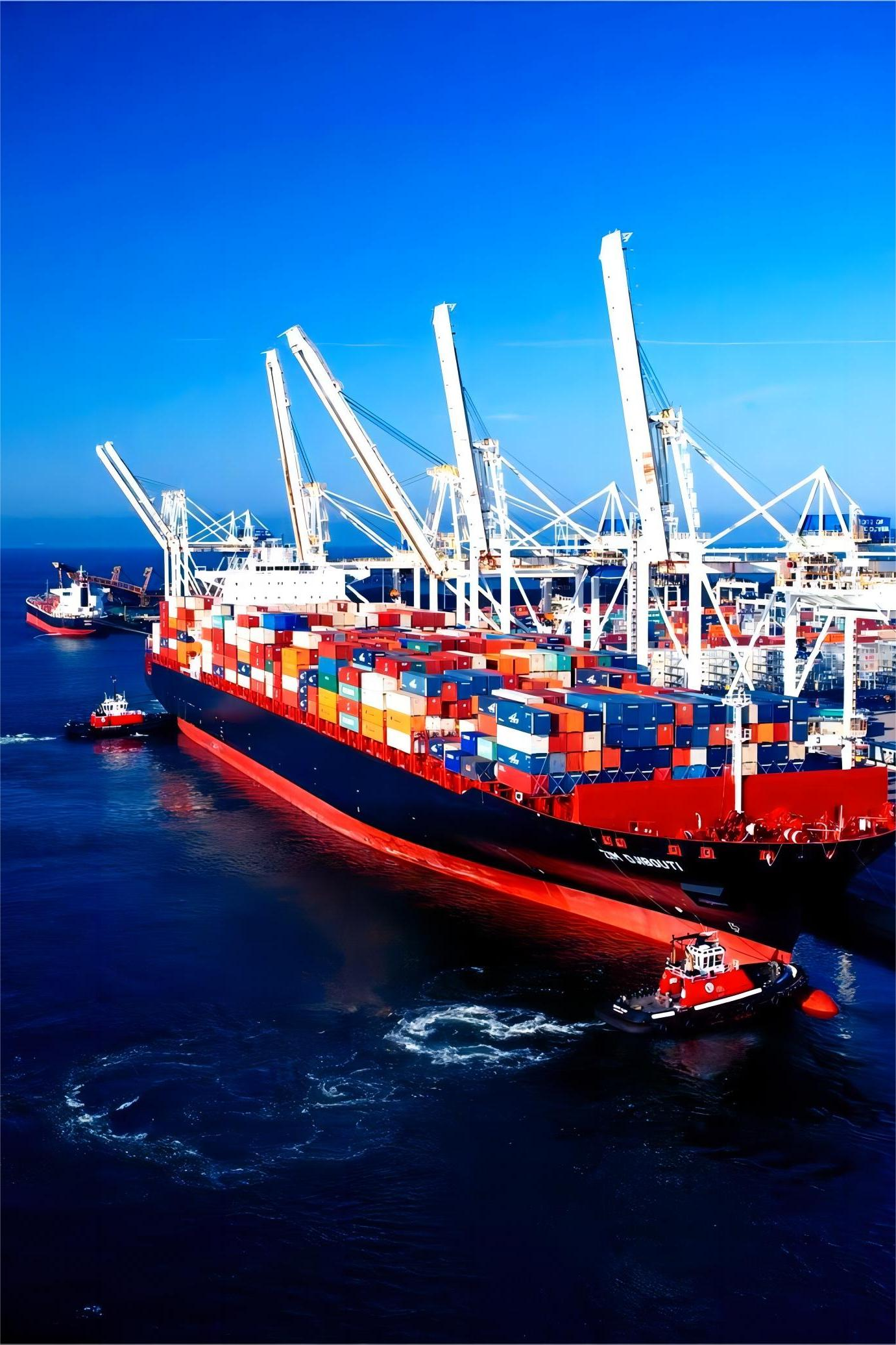
How Does Export Logistics China Europe Work in 2026?
Current market conditions in 2026 show that the trade corridor between China and the European Union remains one of the busiest in the world. Consequently, businesses must navigate a complex landscape of carrier availability and fluctuating fuel surcharges to ensure timely deliveries.
Moreover, the integration of smart logistics technology has improved transparency across the entire shipping from China to Europe network. Indeed, real-time tracking and automated documentation are now industry standards for most freight forwarders.
Furthermore, seasonal demand patterns continue to influence pricing, with significant spikes often occurring before the Lunar New Year and during the late-summer peak. Therefore, planning your shipments at least six to eight weeks in advance is highly recommended to secure the best possible rates.
How Does Sea Freight Compare to Other Shipping Options?
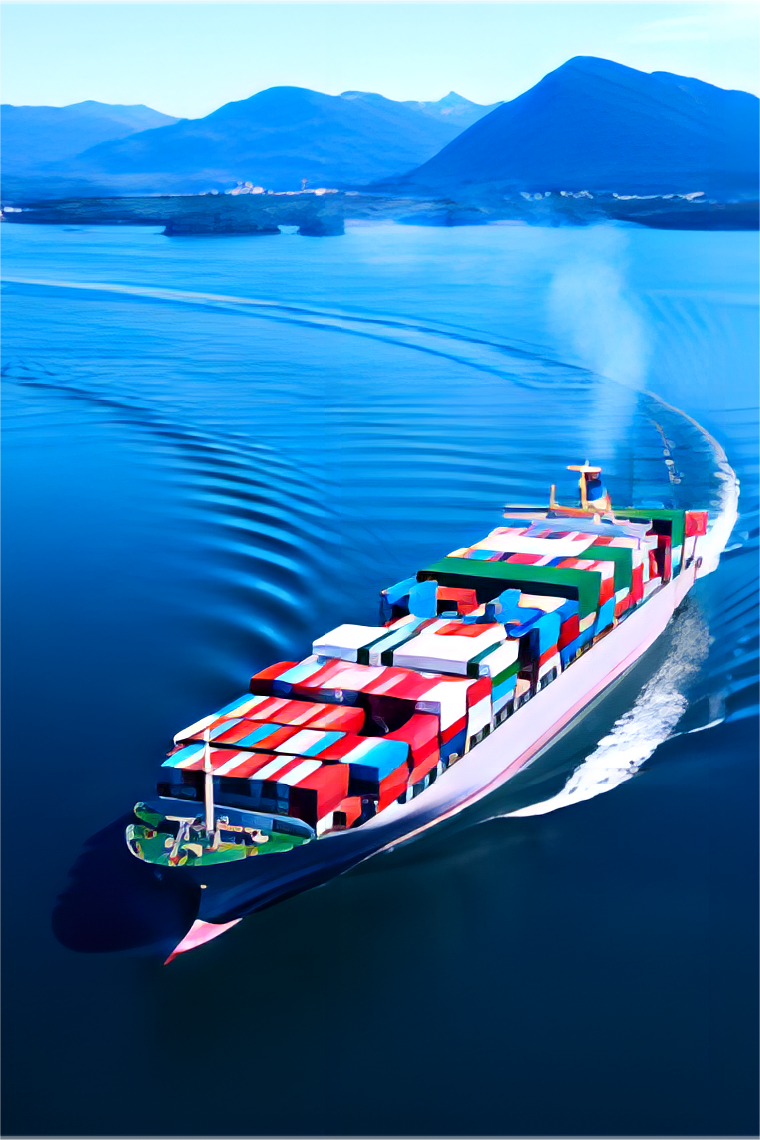
Sea freight remains the most popular choice for transporting large volumes of goods due to its cost-effectiveness over long distances. However, it is important to weigh the lower price against the significantly longer transit times compared to rail or air alternatives.
Additionally, businesses often choose between Full Container Load (FCL) and Less than Container Load (LCL) based on their specific volume requirements. For instance, LCL is ideal for smaller shipments under 15 cubic meters, while FCL offers better security and lower per-unit costs for larger batches.
To summarize the differences, the following table provides a clear comparison of the primary shipping methods available for the China-Europe route in 2026.
| Shipping Method | Cost Range | Transit Time | Best For |
|---|---|---|---|
| Sea Freight | Low ($2k – $4k) | 30-45 Days | Bulk & Large Cargo |
| Rail Freight | Medium ($4k – $7k) | 16-22 Days | Industrial Goods |
| Air Freight | High ($5 – $12/kg) | 3-7 Days | Urgent & High Value |
| Express | Very High | 2-5 Days | Samples & Small Parcels |
Why Choose Sea Freight for Your Export Logistics?
Ocean transport is the backbone of global trade because it can handle massive quantities of diverse cargo types. Specifically, sea freight is the most economical solution for heavy machinery, furniture, and consumer electronics that do not require immediate delivery.
Nevertheless, port congestion at major hubs like Rotterdam or Hamburg can occasionally lead to unexpected delays in the delivery schedule. Accordingly, experienced importers often build a buffer of five to seven days into their supply chain planning to mitigate these risks.
Market data suggests that ocean freight rates have stabilized in early 2026, though environmental regulations and carbon taxes are beginning to influence long-term pricing structures. In addition, many carriers are now offering ‘green’ shipping options for companies looking to reduce their carbon footprint.
Is Air Freight a Viable Solution for Your Business?
When speed is the primary priority, air freight provides the fastest transit times available for international trade. Although the cost is substantially higher than sea or rail, the reduction in inventory holding costs can often justify the premium for high-margin products.
Furthermore, air cargo offers a higher level of security and a lower risk of damage during transit, making it the preferred choice for pharmaceuticals and luxury goods. For example, a shipment from Shanghai to London can be delivered in as little as three days including customs processing.
Consequently, many e-commerce businesses utilize air freight to maintain low stock levels while ensuring they can respond quickly to shifts in consumer demand. Meanwhile, hybrid solutions like sea-air combinations are gaining popularity as a way to balance speed and budget.
The Strategic Importance of Rail Freight in 2026
Rail transport has emerged as a powerful middle-ground solution in the world of rail freight, offering faster speeds than sea and lower costs than air. Indeed, the Iron Silk Road now connects dozens of Chinese cities directly to major European logistics hubs.
Moreover, rail freight is significantly more environmentally friendly than air transport, which appeals to many European corporations with strict sustainability targets. Nevertheless, geopolitical stability along the route remains a factor that logistics managers must monitor closely.
Typical transit times for rail shipments range from 15 to 22 days, depending on the specific origin and destination cities. In contrast to sea freight, rail services are less affected by weather conditions, providing a more consistent and predictable delivery schedule.
Navigating Customs and Compliance for European Exports
Successful export logistics china europe require a deep understanding of the European Union’s complex customs regulations and VAT requirements. Therefore, partnering with a professional customs brokerage is often the most effective way to avoid costly penalties and delays.
Additionally, importers must ensure that all products comply with CE marking and other safety standards required for the European market. Without a doubt, missing or incorrect documentation is the leading cause of cargo being held at the border.
Consequently, you should prepare a comprehensive checklist that includes the Commercial Invoice, Packing List, Bill of Lading, and Certificate of Origin. For instance, having these documents pre-cleared can save up to three days in the total transit time.
Realistic Case Studies: Export Logistics China Europe
Reviewing real-world examples can help you better understand the costs and timelines associated with different shipping methods. These cases reflect typical market rates and scenarios observed in early 2026.
Case Study 1: Industrial Parts to Germany. Route: Shanghai to Hamburg. Cargo: Machinery parts, 28 CBM, 12,000 kg. Container: 40GP. Shipping Details: MSC direct service. Ocean Freight: $3,100. Origin Charges: $450. Destination Charges: $600. Customs: $200. Total Landed Cost: $4,350. Timeline: 34 days total. Key Insight: Booking 4 weeks early saved 15% on freight rates.
Case Study 2: Electronics to Poland. Route: Shenzhen to Warsaw. Cargo: Smart home devices, 5 CBM, 800 kg. Method: Rail LCL. Shipping Details: Trans-Siberian route. Rail Freight: $1,250. Documentation: $150. Delivery: $300. Total Landed Cost: $1,700. Timeline: 19 days door-to-door. Key Insight: Rail was 50% faster than sea for only 25% more cost.
Note: Freight rates are subject to change based on fuel costs, carrier capacity, and seasonal demand. Contact us for a current quote tailored to your specific shipment.
Which Export Logistics Option Should You Choose?
Choosing the right method depends on your specific business priorities, whether you value low cost, high speed, or a balance of both. For instance, if your budget is the main concern and you have flexible timelines, sea freight is almost always the best choice.
On the other hand, if you are launching a new product or dealing with a stockout, air freight provides the agility needed to satisfy your customers. Meanwhile, rail freight serves as an excellent alternative for high-value industrial goods that need to arrive faster than a ship allows.
Consider the volume of your cargo as well; shipments over 15 CBM usually benefit from FCL sea freight, while smaller loads are better suited for LCL or rail. To summarize, a multi-modal approach often provides the most resilient supply chain strategy.
Streamlining Your Supply Chain with Door to Door Solutions
Many modern businesses prefer a door to door service because it simplifies the entire logistics process into a single point of contact. Furthermore, this approach reduces the risk of communication errors between different service providers.
Indeed, a comprehensive door-to-door service handles everything from factory pickup in China to final delivery at your warehouse in Europe. Consequently, your team can focus on sales and marketing rather than managing the minutiae of international transport.
Moreover, these integrated solutions often include warehousing and distribution services, which can be particularly beneficial for e-commerce sellers using Amazon FBA. Therefore, investing in a full-service logistics partner can lead to significant long-term efficiency gains.
Final Thoughts on Export Logistics China Europe
In conclusion, mastering export logistics china europe requires a careful balance of selecting the right transport mode and ensuring full regulatory compliance. Whether you choose the cost-efficiency of sea freight, the speed of air cargo, or the reliability of rail transport, staying informed about 2026 market trends is vital.
Furthermore, partnering with an experienced freight forwarder can help you navigate the complexities of customs and last-mile delivery. By implementing the strategies discussed in this guide, you can build a more resilient and profitable supply chain for years to come.
Get Your Shipping Quote Today
Optimizing your export logistics china europe is the key to reducing overhead and improving customer satisfaction in 2026. Our expert team is ready to provide you with a customized shipping solution that fits your specific needs and budget. Visit our website today to request a competitive freight quote and start streamlining your international trade operations. Visit https://chinatradefreight.com/ for more information.
Request Quote