

Logistics Company China to Europe Shipping: 2026 Freight Guide
Selecting a reputable logistics company China to Europe shipping provider is the most critical decision for your international supply chain in 2026. Global trade dynamics have shifted significantly, making it essential to understand the latest routes, costs, and regulatory requirements. This guide offers a comprehensive breakdown of how to move your goods efficiently across the Eurasian continent while maintaining your profit margins.
What Are the Primary Shipping Methods from China to Europe?
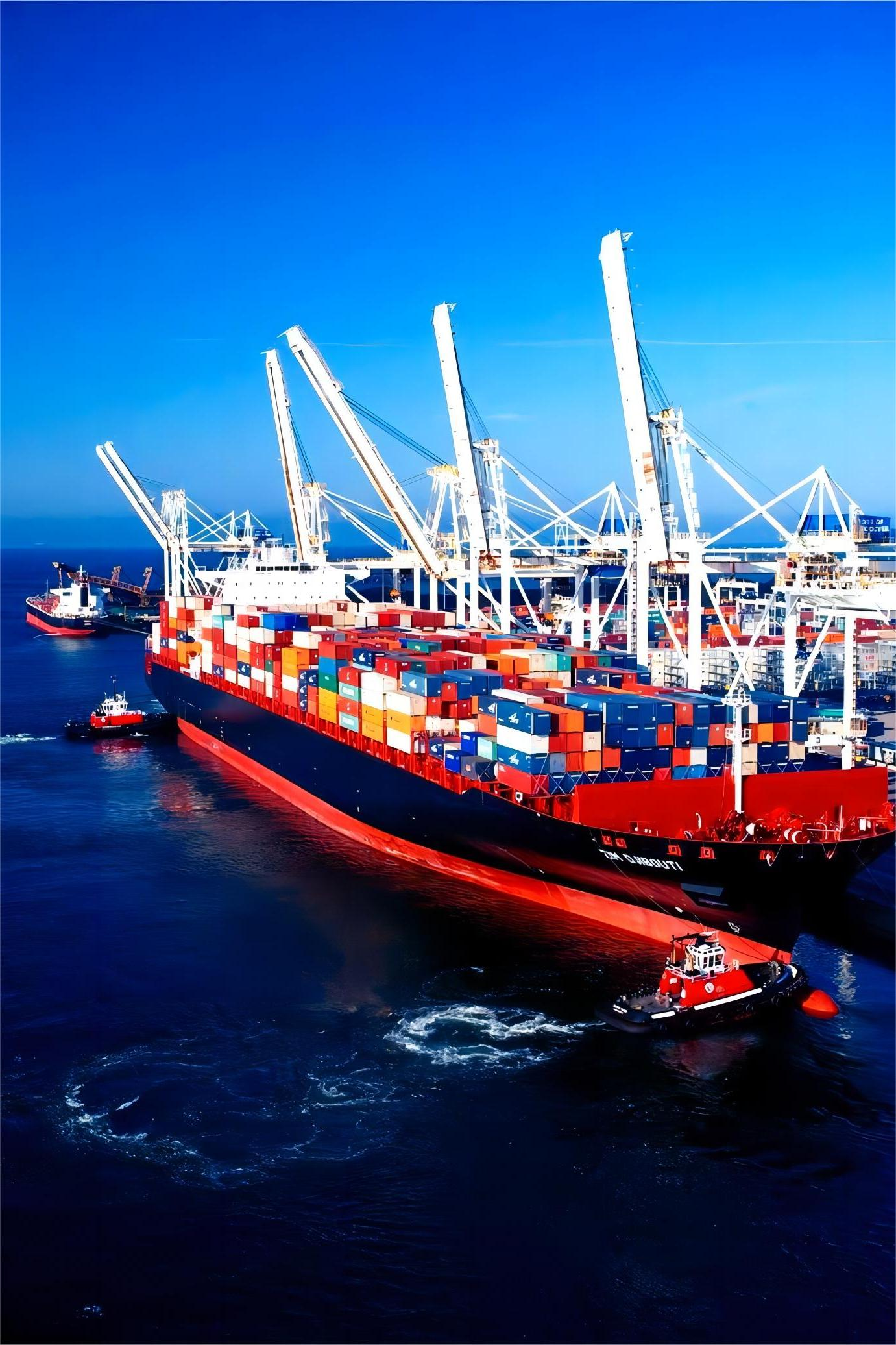
Modern businesses can choose between sea, rail, and air freight depending on their specific urgency and budget. Sea freight remains the backbone of global trade due to its high capacity and relatively low cost for bulk shipments. Consequently, most heavy industrial goods and consumer electronics travel via major maritime routes.
Rail freight has emerged as a powerful middle-ground solution, offering faster transit than sea but at a lower price point than air. This method utilizes the extensive Silk Road rail network to connect major Chinese hubs like Chengdu and Xi’an directly to European terminals. Furthermore, rail transport provides a more sustainable alternative for companies looking to reduce their carbon footprint in 2026.
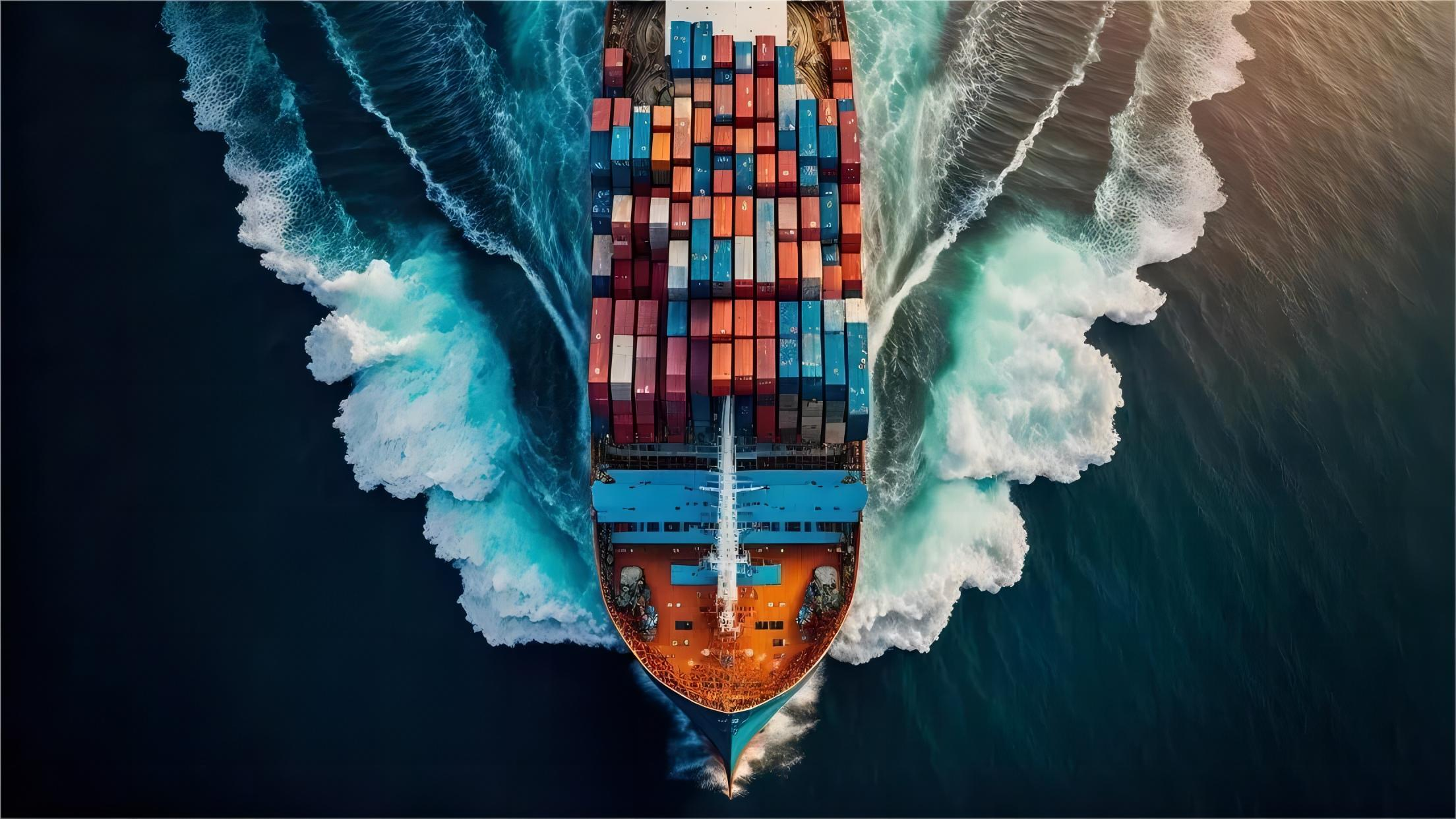
Air freight serves as the premium option for high-value or time-sensitive cargo that must reach its destination within days. Although it is the most expensive method, the speed it provides is unmatched for product launches or urgent restocks. Many companies utilize a mix of these services to balance their logistics expenses and delivery speed.
How Much Does a Logistics Company China to Europe Shipping Charge in 2026?
Freight rates in 2026 have stabilized following previous years of volatility, yet they remain subject to seasonal fluctuations. For instance, shipping a full container from Shanghai to Rotterdam currently falls within a predictable price range based on carrier capacity. Meanwhile, LCL shipments are priced per cubic meter, making them ideal for smaller businesses.
Market data suggests that ocean freight rates for a 40HQ container typically range between 3,000 and 4,200 USD depending on the specific port of discharge. In contrast, rail freight costs approximately 4,500 to 6,500 USD per container but saves nearly two weeks of transit time. Therefore, calculating the total landed cost is vital before committing to a specific transport mode.
Note: Freight rates are subject to change based on fuel costs, carrier capacity, and seasonal demand. Contact us for a current quote tailored to your specific shipment.
| Route | 20GP Container | 40HQ Container | Avg. Transit |
|---|---|---|---|
| China to UK | 2,000-2,800 USD | 3,500-4,500 USD | 30-38 Days |
| China to Germany | 1,900-2,600 USD | 3,200-4,300 USD | 28-35 Days |
| China to France | 1,850-2,550 USD | 3,100-4,250 USD | 30-35 Days |
| China to Poland | 1,800-2,500 USD | 3,000-4,200 USD | 28-33 Days |
Why Should You Consider Rail Freight for Your Logistics Needs?
Choosing rail freight offers a strategic advantage for shippers who need to bridge the gap between sea and air. This method typically takes 15 to 22 days to reach central Europe from mainland China. As a result, businesses can maintain leaner inventory levels without the extreme costs associated with aviation.
Moreover, the reliability of rail schedules has improved significantly with the implementation of advanced tracking technologies in 2026. Most trains depart on fixed schedules, which allows for precise planning of warehouse labor and distribution cycles. Additionally, rail transport is less affected by the weather conditions that often delay maritime vessels.
Rail routes also bypass the congested southern maritime passages, providing a direct inland path to the heart of the European market. Consequently, many automotive and machinery manufacturers have shifted their primary logistics strategy to favor the Iron Silk Road. This shift has led to increased investment in terminal infrastructure across Poland and Germany.
When Is Sea Freight the Most Economical Choice?
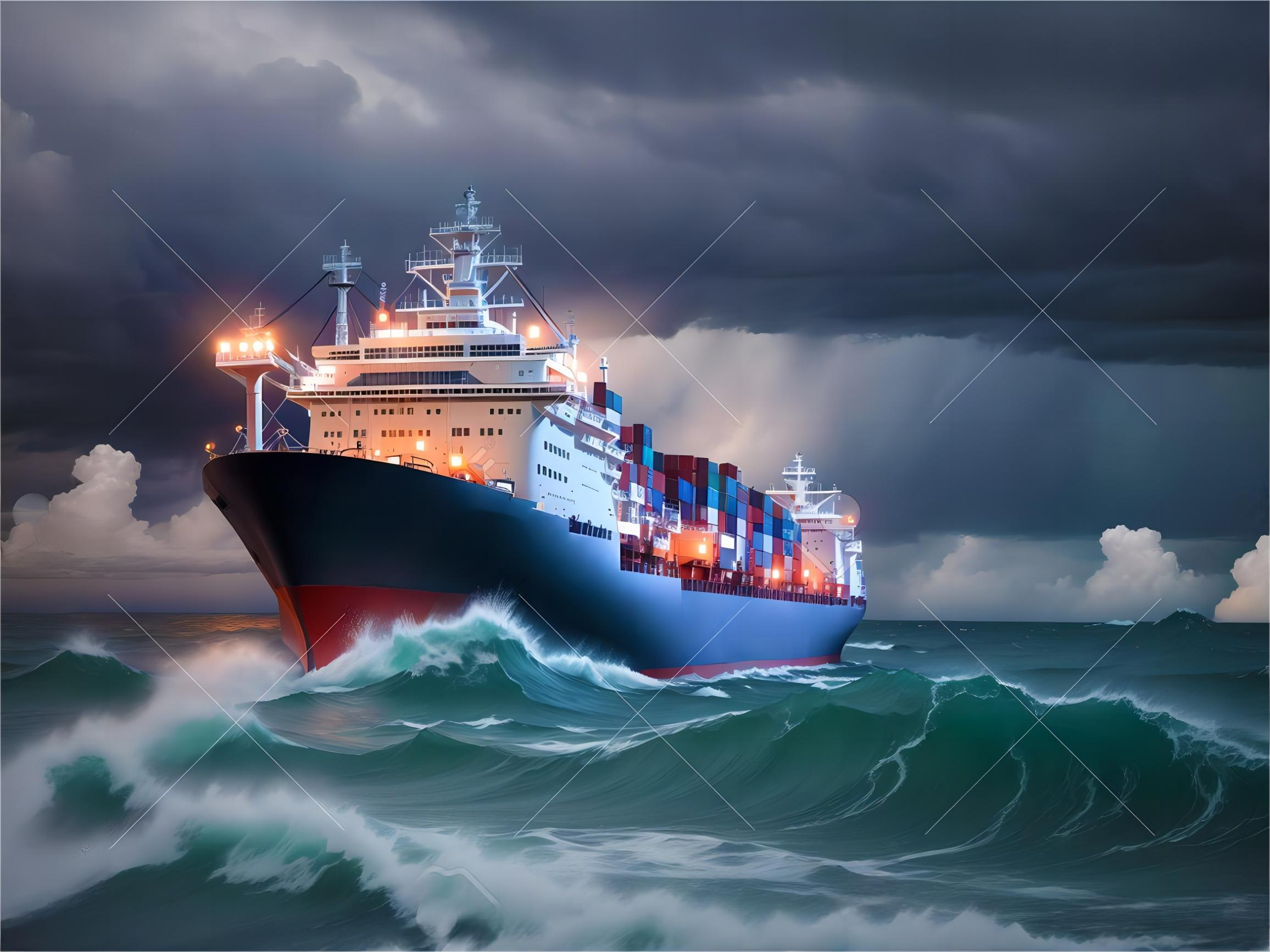
Opting for sea freight is nearly always the best strategy for shipments that exceed 15 cubic meters or involve heavy machinery. Because ships can carry thousands of containers at once, the cost per unit is significantly lower than any other transport mode. Indeed, for non-urgent seasonal goods, the cost savings of ocean transport are indispensable.
However, shippers must account for longer lead times, which usually range from 30 to 45 days depending on the specific European port. To mitigate this delay, experienced importers often place orders several months in advance of their peak sales periods. Furthermore, utilizing FCL shipping ensures that your goods are not handled as frequently as LCL cargo, reducing the risk of damage.
Modern maritime logistics also benefit from slow-steaming practices that further reduce costs and environmental impact. While this adds a few days to the journey, the financial benefits are often worth the wait for high-volume retailers. Transitioning to sea freight for your bulk inventory can provide the competitive pricing needed to thrive in the 2026 market.
How Does Sea Freight Compare to Other Shipping Options?
Understanding the trade-offs between different shipping methods is crucial for optimizing your 2026 logistics budget. While sea freight offers the lowest price, it lacks the speed of air or the balanced efficiency of rail. For example, a shipment of electronics might be suited for rail, whereas bulk textiles are perfect for the ocean.
On the other hand, hybrid solutions like sea-air combinations are becoming more popular for shipments originating in southern China. These shipments travel by sea to a hub like Dubai or Singapore before being flown to Europe. This strategy often saves 15% to 20% compared to pure air freight while cutting sea transit time in half.
Ultimately, the best choice depends on your cargo volume, value, and required delivery date. By analyzing the comparison table below, you can determine which logistics strategy aligns with your business objectives for the current fiscal year.
| Method | Cost Range | Transit Time | Best For |
|---|---|---|---|
| Sea Freight | Lowest | 30-45 Days | Bulk / Heavy Goods |
| Rail Freight | Moderate | 15-22 Days | Mid-value / Urgent |
| Air Freight | Highest | 3-7 Days | High-value / Sample |
| Express | Premium | 2-5 Days | Small Parcels |
Can a Logistics Company China to Europe Shipping Handle Amazon FBA?
Specialized Amazon FBA services are essential for e-commerce sellers who need to meet strict delivery windows. A professional logistics provider will handle everything from labeling and palletizing to the final delivery at a European fulfillment center. Consequently, sellers can focus on marketing and sales while the freight forwarder manages the complex supply chain.
Furthermore, many logistics companies now offer DDP services, which include all duties and taxes in the upfront price. This transparency prevents unexpected costs and ensures that goods are not held up at the border due to payment issues. As a result, e-commerce businesses can maintain a high seller rating by ensuring consistent stock availability.
Choosing a provider with experience in European Amazon requirements is vital because each country has specific packaging and delivery standards. For instance, German fulfillment centers have different pallet height requirements than those in France. A knowledgeable partner will ensure your shipment complies with all local regulations to avoid costly rejections.
What Documents Are Required for Customs Brokerage?
Navigating the complexities of customs brokerage is often the most challenging aspect of international shipping. Every shipment from China to Europe requires a detailed commercial invoice, a packing list, and a bill of lading or waybill. Additionally, certain products like electronics or chemicals may require specific certificates of origin or safety data sheets.
In 2026, the European Union has implemented stricter environmental and safety standards for imported goods. Therefore, ensuring that all your documentation is accurate and complete is more important than ever to avoid lengthy delays. Using a digital customs filing system can significantly speed up the clearance process at major ports like Hamburg or Antwerp.
Moreover, your logistics partner should provide guidance on HS code classification to ensure you are paying the correct amount of duty. Incorrect classification can lead to heavy fines or even the seizure of your cargo by customs authorities. Consistent communication with your broker is the best way to ensure a smooth transition through the border.
| Document | Purpose | Issued By | Criticality |
|---|---|---|---|
| Commercial Invoice | Valuation/Tax | Seller | Mandatory |
| Packing List | Content Verify | Seller | Mandatory |
| Bill of Lading | Title of Goods | Carrier | Mandatory |
| CE Certificate | Safety Compliance | Lab | Product Specific |
Which Option Should You Choose for Your Business?
Deciding on the right shipping method requires a careful evaluation of your business priorities and cargo characteristics. If your primary goal is to minimize expenditure and you have flexible timelines, sea freight is the logical choice. However, if you are launching a new product and need to hit a specific market date, rail or air freight might be necessary.
Budget priority: Recommend Sea Freight for large volumes and non-perishable items. This method provides the highest ROI for standard retail goods. Speed priority: Recommend Air Freight or Express for samples and high-margin electronics. Cargo type considerations: Recommend Rail Freight for automotive parts and industrial components that require a balance of speed and cost.
Volume thresholds also play a role in your decision-making process. For shipments under 100kg, air express is usually the most cost-effective. Once you exceed 1 CBM, sea or rail LCL becomes more viable. If your volume reaches 15 CBM or more, booking a full 20GP container often results in lower per-unit costs than shipping via LCL.
Real-World Case Studies for China to Europe Logistics
Case Study 1: Shanghai to Hamburg via Rail. A machinery manufacturer needed to transport 5 tons of precision parts. They chose rail freight to avoid the 35-day sea transit. The cargo arrived in 18 days at a total landed cost of 5,800 USD. This allowed them to meet a critical production deadline for a German client.
Case Study 2: Shenzhen to Rotterdam via Sea. A furniture retailer shipped three 40HQ containers filled with seasonal stock. By booking eight weeks in advance, they secured a rate of 3,800 USD per container. The total door-to-door transit took 42 days, arriving just in time for the summer sales peak. The key insight was that early booking saved them nearly 15% compared to spot market rates.
Case Study 3: Ningbo to Felixstowe via Air. A fashion brand needed to move 500kg of high-end garments for a London launch. They utilized air freight, which cost 4,200 USD but delivered the goods in only 5 days. Despite the high cost, the rapid delivery ensured the product was in stores for the marketing event, maximizing their sales potential.
How to Optimize Your Shipping Strategy in 2026?
Efficiency in shipping from China to Europe is achieved through consolidation and proactive planning. By combining smaller orders into a single shipment, you can often qualify for better freight rates and reduced handling fees. Furthermore, maintaining a strong relationship with your logistics provider can grant you access to priority space during peak seasons.
Implementing real-time tracking tools allows you to monitor your cargo’s progress and respond quickly to any potential disruptions. As a result, you can provide more accurate delivery estimates to your customers and improve overall satisfaction. In addition, using eco-friendly packaging can reduce the weight and volume of your shipment, further lowering your logistics costs.
Regularly reviewing your shipping data will help you identify patterns and areas for improvement. For instance, you might discover that switching from LCL to FCL for certain routes saves more money than previously expected. Continuous optimization is the key to maintaining a competitive edge in the fast-paced world of international trade.
Final Thoughts on Choosing a Logistics Company China to Europe Shipping
Navigating the logistics landscape from China to Europe requires a blend of strategic planning and expert execution. Whether you prioritize the cost-effectiveness of sea freight or the speed of rail, selecting the right logistics company China to Europe shipping partner is the foundation of your success. By understanding the current 2026 market trends and documentation requirements, you can ensure your goods move across borders without unnecessary delays.
Remember to evaluate each shipment based on its unique requirements and remain flexible in your approach. As global trade continues to evolve, staying informed about new routes and technologies will help you maintain an efficient and profitable supply chain. We are here to support your growth with reliable, transparent, and professional shipping services tailored to the European market.
Need a tailored shipping solution?
Streamline your international supply chain with a partner you can trust. Our team provides expert guidance and competitive 2026 rates for all your transport needs. Contact us today to receive a customized quote for your logistics company China to Europe shipping requirements. Visit our website to learn more about our comprehensive freight solutions and start saving on your next shipment. Send Inquiry: https://chinatradefreight.com/