
Shipping from China to Netherlands: 2026 Freight and Cost Guide
Navigating the complexities of shipping from China to Netherlands requires a deep understanding of global logistics networks and current market trends. Business owners often face challenges with rising costs and unpredictable transit times in the competitive 2026 international trade environment. China Trade Freight provides comprehensive solutions to streamline your supply chain and ensure efficient delivery from major Chinese hubs to Dutch ports. Consequently, choosing the right logistics partner becomes essential for maintaining profit margins and meeting customer expectations in Europe.

What Are the Main Methods for Shipping from China to Netherlands?
Selecting the appropriate transport mode is the most critical decision for any importer moving goods into the Dutch market. Currently, businesses can choose between ocean transport, air transport, and the increasingly popular trans-continental rail routes. Each method offers unique advantages regarding speed, cost-effectiveness, and cargo capacity that must align with your specific business needs.
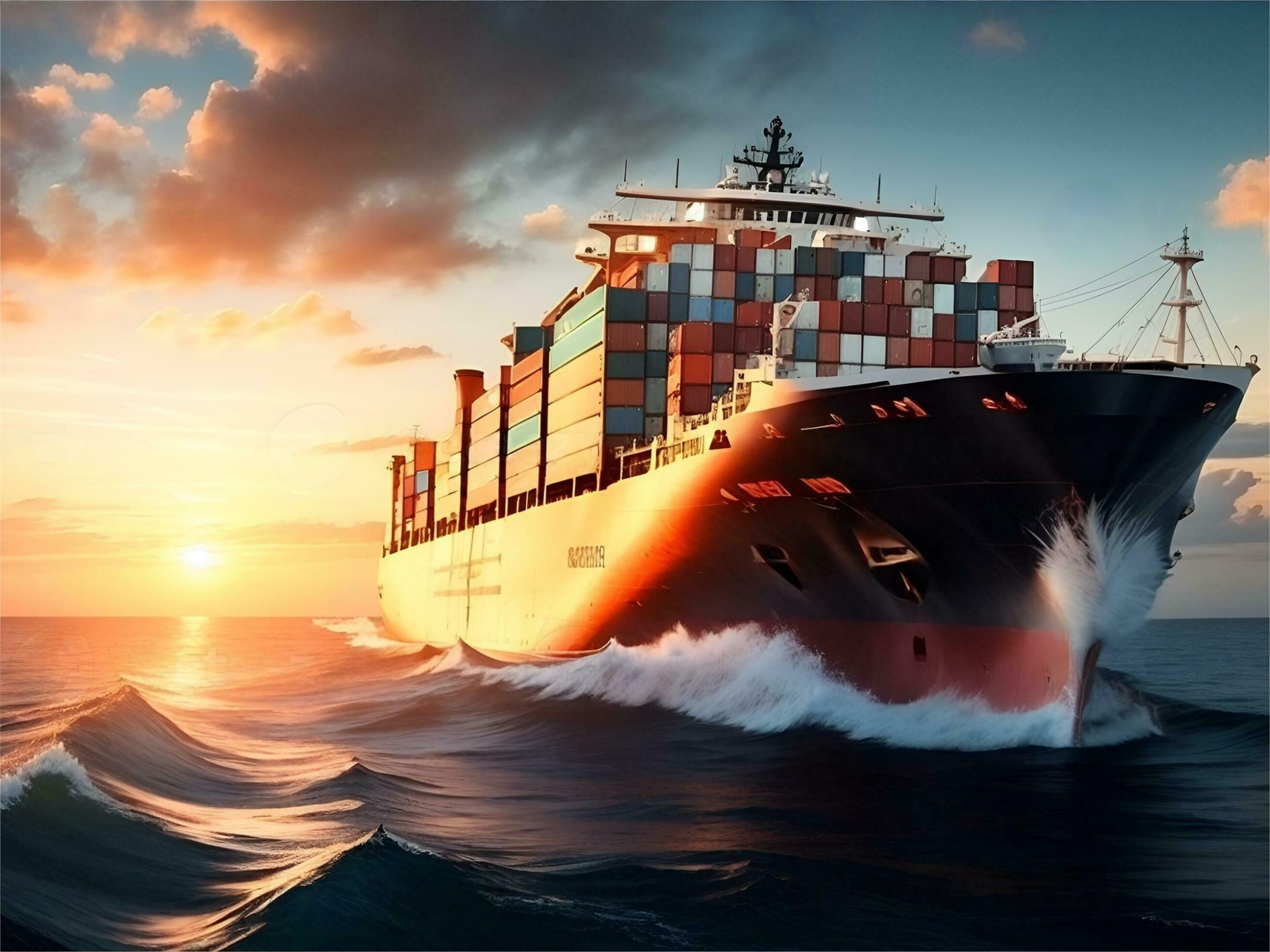
Ocean transport remains the backbone of trade, particularly when utilizing sea freight for high-volume shipments. This method is the most economical choice for large items like furniture, heavy machinery, or bulk consumer goods. However, it requires significant lead time as vessels must navigate long maritime routes through the Suez Canal or around the Cape of Good Hope.
Moreover, the logistics landscape in 2026 has seen a surge in hybrid solutions that combine different modes to optimize the supply chain. Companies are now more frequently looking at sea-air or rail-sea combinations to bypass localized port congestion. Understanding these nuances helps you maintain a flexible and resilient inventory strategy throughout the fiscal year.
How Does Sea Freight Compare to Other Shipping Options?
Ocean freight is generally divided into Full Container Load (FCL) and Less than Container Load (LCL) services depending on your cargo volume. For shipments exceeding 15 cubic meters, FCL is typically more cost-effective as you pay for the entire container space. On the other hand, LCL allows smaller businesses to share container space, making it a flexible option for growing enterprises.
Comparing sea freight to air or rail reveals significant differences in both landed costs and delivery schedules. While sea transport is the slowest, it offers the lowest carbon footprint per ton of cargo moved. In contrast, air freight provides unmatched speed for urgent or high-value items that cannot afford a month-long transit period.
Furthermore, the price gap between these methods can fluctuate based on seasonal demand and fuel surcharges. During peak seasons in late 2025 and early 2026, air rates often spike significantly more than ocean rates. Therefore, planning your shipments at least two months in advance is recommended to secure the most competitive pricing.
| Shipping Method | Cost Range | Transit Time | Best For |
|---|---|---|---|
| Sea Freight (FCL) | $1,800 – $3,500 | 30-45 Days | Bulk goods and large volumes |
| Air Freight | $4.50 – $9.00/kg | 3-7 Days | Urgent and high-value cargo |
| Rail Freight | $120 – $200/CBM | 15-22 Days | Medium-sized shipments |
| Express Service | $8.00 – $15.00/kg | 2-4 Days | Small parcels and samples |
Understanding Air Freight Costs and Transit Times
Air cargo services are essential for industries such as electronics, pharmaceuticals, and high-fashion where time-to-market is a vital competitive factor. Most air shipments from China depart from major hubs like Shanghai Pudong, Shenzhen Bao’an, or Hong Kong International Airport. These airports offer frequent direct flights to Amsterdam Schiphol, ensuring rapid turnaround times for Dutch distributors.
Calculating the cost of air freight involves understanding both actual weight and volumetric weight. Carriers charge based on whichever value is higher, which can significantly impact the shipping cost of lightweight but bulky items. Additionally, 2026 market data suggests that fuel surcharges have stabilized, but capacity remains tight during the Q4 holiday rush.
Indeed, choosing air transport can reduce your inventory holding costs and improve cash flow by getting products to customers faster. For very small shipments under 100kg, utilizing an express service like DHL or FedEx is often more convenient. These services include door-to-door delivery and simplified customs processing for a premium price.
Why Choose Rail Freight for Your Dutch Imports?
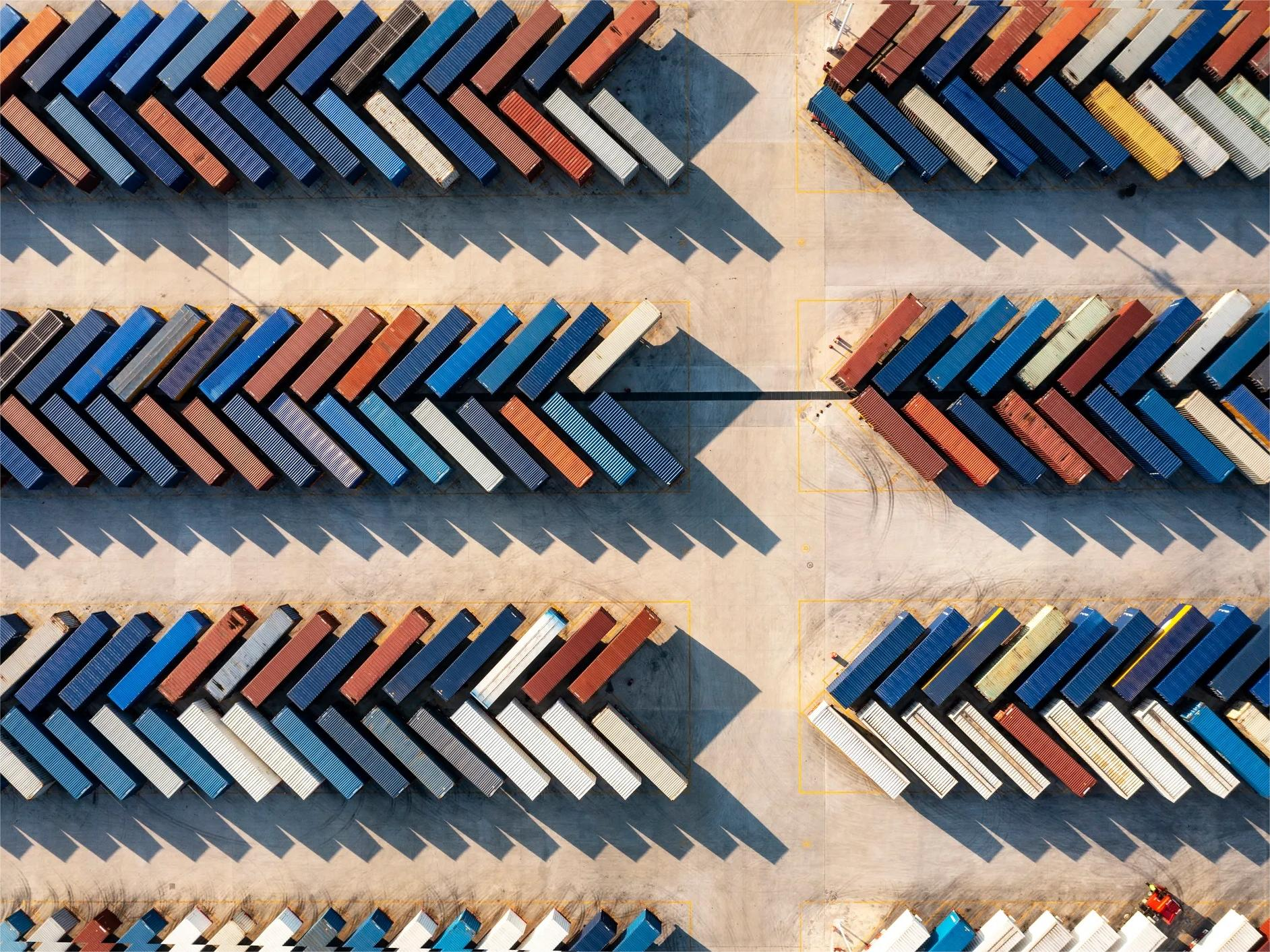
The expansion of the trans-Eurasian rail network has provided a viable third option for shipping from China to Netherlands. Utilizing rail freight allows you to receive goods in about half the time of sea freight at a fraction of the cost of air. This method connects industrial cities like Chengdu, Chongqing, and Xi’an directly to European rail terminals.
Specifically, many Dutch importers use rail to transport automotive parts, solar panels, and consumer electronics. The stability of rail transport makes it less susceptible to the weather-related delays that often plague ocean vessels. Consequently, rail has become a cornerstone of many modern supply chains looking for a balanced logistics approach.
Nevertheless, rail freight capacity is more limited than ocean freight, requiring earlier bookings during busy periods. As of early 2026, the rail infrastructure has improved, leading to more consistent schedules and fewer border bottlenecks. It serves as an excellent alternative strategy when ocean rates are high or air freight is over budget.
Estimating Shipping Costs from China to Netherlands in 2026
Estimating the total landed cost of your goods requires more than just looking at the base freight rate. You must also account for origin charges, destination handling fees, and the ever-present customs duties and VAT. In 2026, container rates have seen moderate fluctuations due to global economic shifts and local port labor agreements.
Typically, a 40HQ container from Shanghai to Rotterdam might cost between $2,800 and $4,200 depending on the specific carrier and service level. LCL rates are usually quoted per cubic meter (CBM), with prices ranging from $60 to $110 for the ocean leg. Meanwhile, destination charges at the Port of Rotterdam can add several hundred dollars to your final invoice.
Market data suggests that rates typically increase by 15-25% during the August-October peak season as retailers prepare for the winter holidays. Therefore, importers should monitor market trends closely or work with a freight forwarder to lock in contract rates. Note: Freight rates are subject to change based on fuel costs, carrier capacity, and seasonal demand. Contact us for a current quote tailored to your specific shipment.
| Route | 20GP Container | 40GP Container | 40HQ Container |
|---|---|---|---|
| Ningbo to Rotterdam | $1,950 – $2,400 | $3,100 – $3,800 | $3,300 – $4,100 |
| Shenzhen to Rotterdam | $1,850 – $2,300 | $2,900 – $3,600 | $3,100 – $3,900 |
| Shanghai to Rotterdam | $2,000 – $2,500 | $3,200 – $3,900 | $3,400 – $4,200 |
| Qingdao to Rotterdam | $2,100 – $2,600 | $3,300 – $4,000 | $3,500 – $4,300 |
Customs Clearance and Documentation Requirements
Navigating the Dutch customs environment is a critical step that can determine the success of your entire shipping operation. The Netherlands serves as a major gateway to Europe, meaning customs officials are highly efficient but very strict regarding documentation. Proper customs brokerage is essential to ensure your goods are classified correctly under the Harmonized System (HS) codes.
Specifically, you will need a Commercial Invoice, a Packing List, and a Bill of Lading or Air Waybill for every shipment. For certain products, a Certificate of Origin or specialized import licenses may be required by the Dutch authorities. Missing or inaccurate paperwork is the primary cause of expensive port storage fees and delivery delays.
Additionally, importers must account for the 21% standard VAT rate in the Netherlands, although some goods may qualify for lower rates. Using a fiscal representative can help manage VAT deferment, improving your company’s cash flow by delaying payment until the goods are sold. Always verify the latest EU trade regulations, as these can change periodically.
Door to Door vs Port to Port: Which is Better?
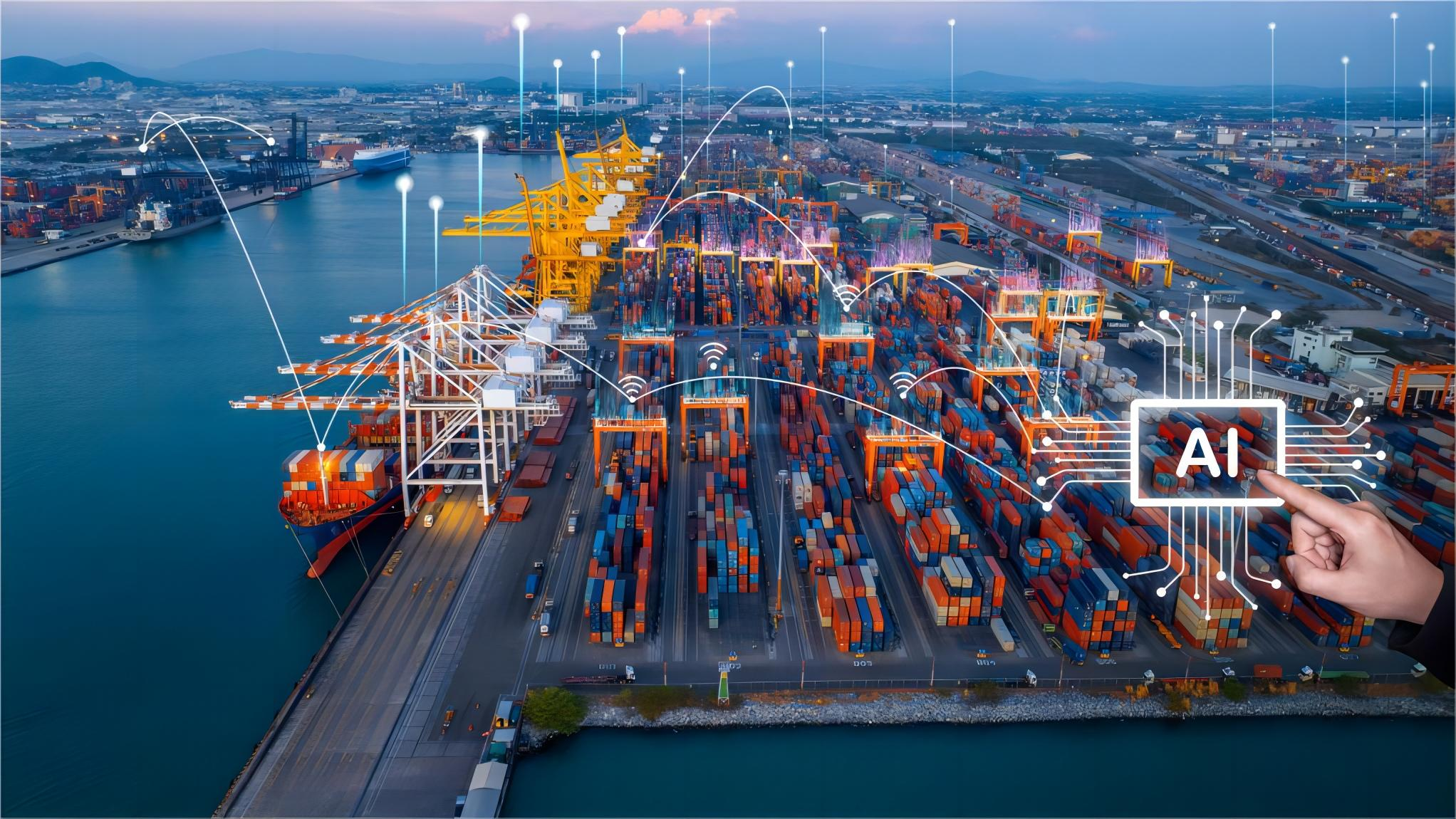
Deciding between different service levels depends on how much control you want over the logistics chain and your internal resources. A door to door service offers the highest level of convenience by managing every step from the factory to the warehouse. This is particularly beneficial for small to medium businesses that do not have dedicated logistics departments.
In contrast, port-to-port shipping requires the importer to handle the inland haulage in both China and the Netherlands. While this can sometimes save money for large companies with established trucking contracts, it adds significant complexity to the process. Most modern importers find that the peace of mind offered by an all-inclusive service outweighs the minor cost savings of a port-to-port arrangement.
Furthermore, many Amazon sellers prefer specialized Amazon FBA shipping services. These providers understand the strict labeling and delivery requirements of Dutch fulfillment centers, preventing costly rejections. Whether you choose door-to-door or port-to-port, ensure your provider has a strong local network in both countries.
Real-World Case Studies for China-Netherlands Routes
Case Study 1: Electronics from Shenzhen to Amsterdam via Air Route: Shenzhen, China to Amsterdam, Netherlands Cargo: High-end consumer tablets, 4 CBM, 850 kg Service: Major air carrier Port of Loading: Shenzhen Baoan (SZX) Port of Discharge: Amsterdam Schiphol (AMS) Route Type: Direct flight Cost Breakdown: – Air Freight: $4,675 – Origin Charges: $250 – Destination Charges: $310 – Customs and Duties: $1,200 – Total Landed Cost: $6,435 Timeline: – Booking to Loading: 2 days – Air Transit: 1 day – Customs Clearance: 1 day – Total Door-to-Door: 5 days Key Insight: Using air freight allowed the client to meet a product launch deadline that would have been missed via sea.
Case Study 2: Furniture from Ningbo to Rotterdam via Sea (FCL) Route: Ningbo, China to Rotterdam, Netherlands Cargo: Outdoor patio furniture, 68 CBM, 12,000 kg Container: 40HQ Service: COSCO Port of Loading: Ningbo-Zhoushan Port of Discharge: Rotterdam Route Type: Direct sea route Cost Breakdown: – Ocean Freight: $3,450 – Origin Charges: $420 – Destination Charges: $550 – Customs and Duties: $2,100 – Total Landed Cost: $6,520 Timeline: – Booking to Loading: 6 days – Sea Transit: 34 days – Customs Clearance: 3 days – Total Door-to-Door: 48 days Key Insight: FCL was the only viable option for this volume, providing the lowest cost per unit for the importer.
Case Study 3: Industrial Parts from Chengdu to Tilburg via Rail Route: Chengdu, China to Tilburg, Netherlands Cargo: Precision machine components, 8 CBM, 2,400 kg Service: China-Europe Railway Express Port of Loading: Chengdu Rail Terminal Port of Discharge: Tilburg Rail Terminal Route Type: Direct rail via Kazakhstan and Poland Cost Breakdown: – Rail Freight: $1,520 – Origin Charges: $180 – Destination Charges: $220 – Customs and Duties: $850 – Total Landed Cost: $2,770 Timeline: – Booking to Loading: 4 days – Rail Transit: 18 days – Customs Clearance: 2 days – Total Door-to-Door: 27 days Key Insight: Rail provided a perfect balance, arriving 2 weeks faster than sea freight for a critical production replenishment.
Which Option Should You Choose for Your Business?
Budget priority should lead you toward ocean freight for all non-urgent shipments exceeding 2 CBM. If you are moving massive quantities, FCL is almost always the superior choice due to its security and lower risk of damage. However, if you are just starting and have smaller volumes, LCL allows you to keep your inventory lean without paying for empty container space.
Speed priority dictates the use of air freight or express courier services for all shipments. This is especially true for items with a short shelf life or high market volatility where every day in transit represents lost revenue. Rail freight should be your primary consideration if you need a reliable middle ground that avoids the high costs of air while beating the slow pace of the sea.
Cargo type considerations also play a major role in your final decision-making process. Dangerous goods, oversized machinery, or temperature-sensitive items require specialized handling that may only be available through specific modes or carriers. Ultimately, the best strategy often involves a mix of these methods to ensure your supply chain remains robust against global disruptions.
Mastering Your Dutch Supply Chain
Successfully managing shipping from China to Netherlands requires a strategic approach that balances cost, speed, and reliability. By understanding the differences between sea, air, and rail freight, you can make informed decisions that protect your bottom line. Moreover, staying updated on customs regulations and market trends in 2026 will help you navigate potential challenges with ease.
Whether you are a seasoned importer or new to the Dutch market, the right logistics partner is your greatest asset. Focusing on efficient documentation, choosing the correct shipping mode, and planning for seasonal variations will ensure your business remains competitive. Start optimizing your China to Netherlands shipping route today to achieve long-term growth and operational excellence.
Get Your Shipping Quote Today
Streamline your international logistics today by partnering with experts who understand the nuances of shipping from China to Netherlands. Our team provides tailored quotes and reliable support to ensure your cargo arrives safely and on time. Visit our website to request a professional freight consultation and secure the best rates for your 2026 shipments. Visit https://chinatradefreight.com/
Request Quote