

Shipping from China to Hungary: 2026 Freight Guide and Costs
Navigating the complexities of shipping from China to Hungary requires a strategic approach to ensure your goods arrive safely and on time. As global trade patterns evolve in 2026, businesses must understand the nuances of various transport modes and customs regulations. China Trade Freight provides comprehensive solutions tailored to your specific logistical needs, ensuring a smooth transition from Asian manufacturing hubs to the heart of Europe. This guide explores the most efficient methods, current market rates, and essential tips for managing your international shipments effectively.
✦
What are the Primary Methods for Shipping from China to Hungary?
Choosing the right transportation mode is the most critical decision in your logistics planning process. Consequently, you must evaluate the trade-offs between speed, cost, and cargo volume to find the best fit. Currently, importers utilize sea, air, and rail freight to move goods across the vast distance between China and Hungary.

Moreover, each method offers distinct advantages depending on the nature of your products. For instance, high-value electronics often travel via air, while bulky furniture is better suited for ocean containers. Understanding these differences allows you to optimize your supply chain for both efficiency and profitability.
Additionally, the landlocked nature of Hungary influences how goods are received. Most sea shipments arrive at major European ports like Koper or Hamburg before being transported by truck or rail to Budapest. Meanwhile, rail freight offers a direct connection via the New Silk Road, which has become increasingly popular in early 2026.
Exploring Sea Freight from China to Hungary
Ocean transport remains the backbone of international trade due to its unparalleled capacity and cost-effectiveness for large volumes. Specifically, sea freight is the preferred choice for businesses shipping heavy machinery, raw materials, or consumer goods in bulk. You can choose between Full Container Load (FCL) and Less than Container Load (LCL) based on your shipment size.
Furthermore, FCL shipping provides you with the exclusive use of a 20ft or 40ft container, which reduces handling and potential damage. In contrast, LCL allows you to share container space with other shippers, making it a budget-friendly option for smaller loads. Without a doubt, sea freight offers the lowest cost per unit for long-distance transport.
However, you must account for longer transit times compared to other modes. As of Q1 2026, sea shipments from China to Hungary typically take between 35 and 45 days. This duration includes the ocean voyage to a European gateway and the subsequent inland haulage to the final destination in Hungary.
| Container Type | Capacity (CBM) | Max Weight (KG) | Best For |
|---|---|---|---|
| 20ft GP | 33 CBM | 28,000 | Heavy machinery |
| 40ft GP | 67 CBM | 26,000 | General cargo |
| 40ft HQ | 76 CBM | 26,000 | Voluminous goods |
Why Choose Air Freight from China to Hungary?
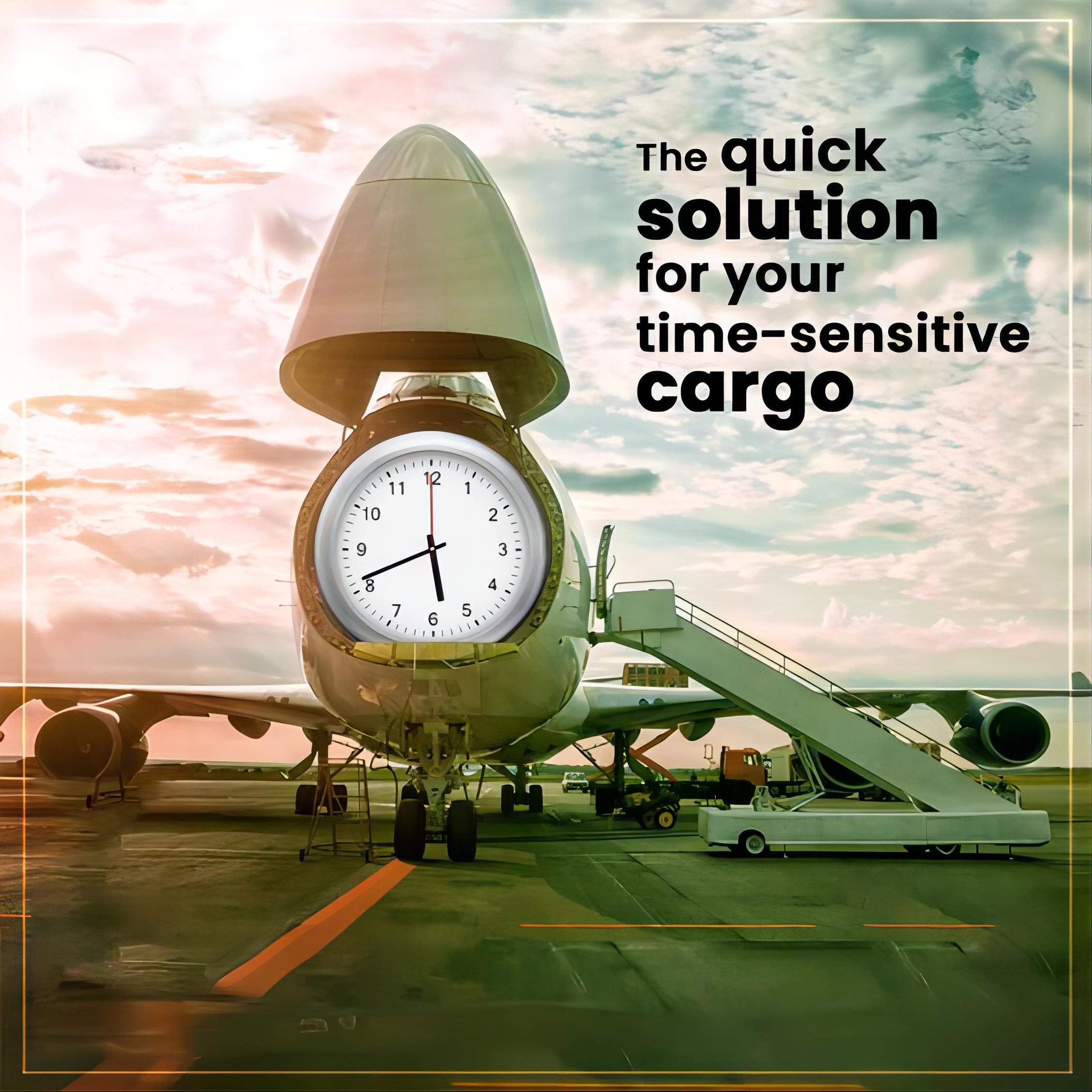
When speed is your absolute priority, air freight stands out as the most reliable solution. Indeed, this method is essential for perishable items, urgent spare parts, or high-end fashion collections that must reach the Hungarian market quickly. Most air cargo arrives at Budapest Ferenc Liszt International Airport (BUD), which serves as a major logistics hub.
Additionally, air transport offers enhanced security and a lower risk of theft or damage during transit. Consequently, insurance premiums for air shipments are often lower than those for sea freight. Although the cost is significantly higher, the reduced inventory holding time can often justify the investment for time-sensitive cargo.
Notably, transit times for air freight usually range from 3 to 7 days, depending on whether you choose standard or express services. Therefore, businesses facing tight deadlines or seasonal demand spikes frequently rely on air transport to maintain their competitive edge. In 2026, air cargo capacity has stabilized, providing more predictable scheduling for global importers.
Rail Freight: The Strategic Link to Hungary
Hungary occupies a strategic position along the Iron Silk Road, making rail freight an exceptionally attractive option. This mode offers a perfect middle ground between the speed of air and the low cost of sea transport. As a result, many European businesses have shifted their mid-value cargo to rail routes connecting Chinese industrial hubs like Xi’an or Chengdu directly to Budapest.
Moreover, rail freight is more environmentally friendly than air transport and faster than ocean shipping. For instance, a train can complete the journey in approximately 18 to 22 days, which is nearly half the time of a sea voyage. This efficiency allows for better cash flow management and faster stock rotation for Hungarian retailers.
Furthermore, rail services offer high stability and are less affected by weather conditions compared to sea or air. In 2026, the infrastructure improvements at the East-West Gate terminal in Fenyeslitke have further enhanced Hungary’s role as a rail logistics gateway. Consequently, rail freight continues to grow as a reliable alternative for transcontinental shipping.
How Does Rail Freight Compare to Other Shipping Options?
Evaluating the different transport modes requires a clear understanding of the market landscape. While sea freight remains the cheapest option, the time savings offered by rail and air are often worth the additional expense. In early 2026, we have observed a trend where importers use a mix of methods to balance their budgets and timelines.
Specifically, rail freight has become the primary choice for automotive parts and consumer electronics destined for Central Europe. On the other hand, air freight is reserved for high-priority samples or emergency restocks. Meanwhile, sea freight continues to dominate the transport of bulk materials and low-margin retail goods.
Therefore, you should analyze your specific cargo requirements before committing to a single method. Consider factors such as seasonal demand, product shelf life, and total landed cost. By diversifying your shipping strategy, you can mitigate risks and ensure a more resilient supply chain for your Hungarian operations.
| Shipping Method | Cost Range | Transit Time | Best For |
|---|---|---|---|
| Sea Freight | $2,500 – $4,200 | 35-45 Days | Bulk & Low Value |
| Rail Freight | $4,500 – $7,000 | 18-22 Days | Mid-Value Goods |
| Air Freight | $5.00 – $9.00/kg | 3-7 Days | Urgent & High Value |
Express Shipping and Door to Door Services
For small parcels or urgent documents, Express Service provides the fastest possible delivery to Hungary. Major international couriers handle everything from pickup in China to final delivery at your doorstep in Budapest or Debrecen. This seamless process eliminates the need for you to manage multiple logistics providers.
In addition, choosing a Door to Door service simplifies the entire importing experience. Your freight forwarder manages the inland transport in China, the main international leg, and the final delivery in Hungary. Consequently, you can focus on your core business while experts handle the complex logistics chain.
Actually, door-to-door solutions are highly recommended for first-time importers or those without a dedicated logistics team. This comprehensive approach ensures that all segments of the journey are coordinated, reducing the likelihood of delays at transfer points. In 2026, digital tracking tools provide real-time visibility for these shipments, offering peace of mind to business owners.
Understanding Shipping Costs from China to Hungary
Freight rates are subject to constant fluctuation based on fuel prices, seasonal demand, and global economic conditions. For example, during the peak season from August to October, costs typically rise by 15-25% as retailers prepare for the holiday period. In early 2026, market data suggests that rates have stabilized following the disruptions of previous years.
Specifically, FCL sea freight rates for a 40HQ container from Shanghai to Budapest currently range between $3,800 and $4,500. Meanwhile, rail freight rates for the same route average around $6,500. It is important to remember that these are base rates and do not include additional charges like documentation or local handling fees.
Furthermore, your total landed cost will include Hungarian VAT and customs duties. Therefore, you must factor in these expenses when calculating your product’s final market price. Note: Freight rates are subject to change based on fuel costs, carrier capacity, and seasonal demand. Contact us for a current quote tailored to your specific shipment.
Customs Clearance and Import Duties in Hungary
Navigating the Hungarian customs landscape is a critical step in the shipping process. As a member of the European Union, Hungary follows standardized EU customs regulations, but local procedures still apply. Utilizing a professional Customs Brokerage service can help you avoid costly delays and ensure full compliance.
Additionally, you will need an EORI (Economic Operators Registration and Identification) number to import goods into Hungary. This unique identifier is mandatory for all businesses engaging in trade with non-EU countries. Moreover, you must provide accurate documentation, including a commercial invoice, packing list, and bill of lading, to facilitate a smooth clearance process.
Indeed, understanding the HS (Harmonized System) codes for your products is essential for determining the correct duty rates. In Hungary, the standard VAT rate is 27%, which is one of the highest in the EU. Consequently, proper tax planning and accurate valuation of your goods are vital for maintaining your profit margins.
Real Case Studies: Successful Shipments to Hungary
Case Study 1: Electronics Distribution. A Budapest-based retailer needed to transport 5 CBM of high-end tablets from Shenzhen. They chose air freight to meet a product launch deadline. The shipment arrived at BUD airport in 5 days, with a total landed cost of $4,200. Key Insight: Speed was prioritized over cost to capture early market share.
Case Study 2: Industrial Machinery. A manufacturing plant in Gyor imported a 40ft container of CNC machines from Ningbo. They selected rail freight for its balance of cost and speed. The journey took 20 days, and the total ocean freight plus inland transport cost $6,800. Key Insight: Rail provided a faster alternative to sea without the extreme cost of air.
Case Study 3: Home Furniture. A furniture wholesaler in Debrecen imported 3x 40HQ containers from Guangzhou via sea freight. By booking 8 weeks in advance, they secured a rate of $3,900 per container. The transit time was 42 days via the port of Koper. Key Insight: Early planning and sea freight maximized profit margins for bulky, low-value goods.

Which Option Should You Choose?
Determining the best shipping method depends entirely on your specific business priorities. If your primary goal is to minimize expenses and you have flexible timelines, sea freight is undoubtedly the best choice. However, if you are shipping high-value items or facing a stockout, air freight becomes a necessary investment.
For those seeking a compromise, rail freight offers a strategic advantage in 2026. It provides a reliable schedule and faster transit than sea, making it ideal for the growing Hungarian manufacturing sector. Furthermore, hybrid solutions like sea-air combinations can sometimes offer a unique balance for specific logistics challenges.
Ultimately, you should work with an experienced freight forwarder who understands the China-Hungary route. They can provide real-time market intelligence and help you navigate the complexities of international trade. By carefully weighing your options, you can build a more efficient and cost-effective supply chain.
Final Thoughts on Shipping from China to Hungary
In summary, successful shipping from China to Hungary in 2026 relies on selecting the most appropriate transport mode for your specific needs. Whether you choose the speed of air, the capacity of sea, or the strategic efficiency of rail, understanding the current market landscape is essential. By focusing on accurate documentation and choosing the right logistics partner, you can overcome common challenges and ensure your goods reach the Hungarian market efficiently.
Furthermore, staying informed about evolving customs regulations and freight trends will give your business a competitive edge. As the trade relationship between China and Hungary continues to strengthen, new opportunities for optimized shipping will emerge. Start planning your 2026 logistics strategy today to maximize your efficiency and drive growth in the European market.