

Shipping from China to Finland: 2026 Freight Costs and Transit Times
Navigating the complexities of shipping from China to Finland requires a strategic partner like China Trade Freight to ensure seamless cargo delivery. In 2026, the logistics landscape between these two nations has evolved due to new trade corridors and digital customs enhancements. Businesses must balance speed and cost to maintain a competitive edge in the Nordic market while managing supply chain fluctuations. This guide provides a detailed breakdown of transit times, current freight rates, and essential compliance steps for Finnish importers.

Understanding the Logistics Landscape in 2026
Logistics connectivity between China and Finland has reached new levels of efficiency as we enter 2026. Consequently, importers now have access to more diverse routing options than ever before, ranging from traditional maritime paths to high-speed rail links. Moreover, the integration of smart tracking technologies allows for real-time visibility across the entire journey.
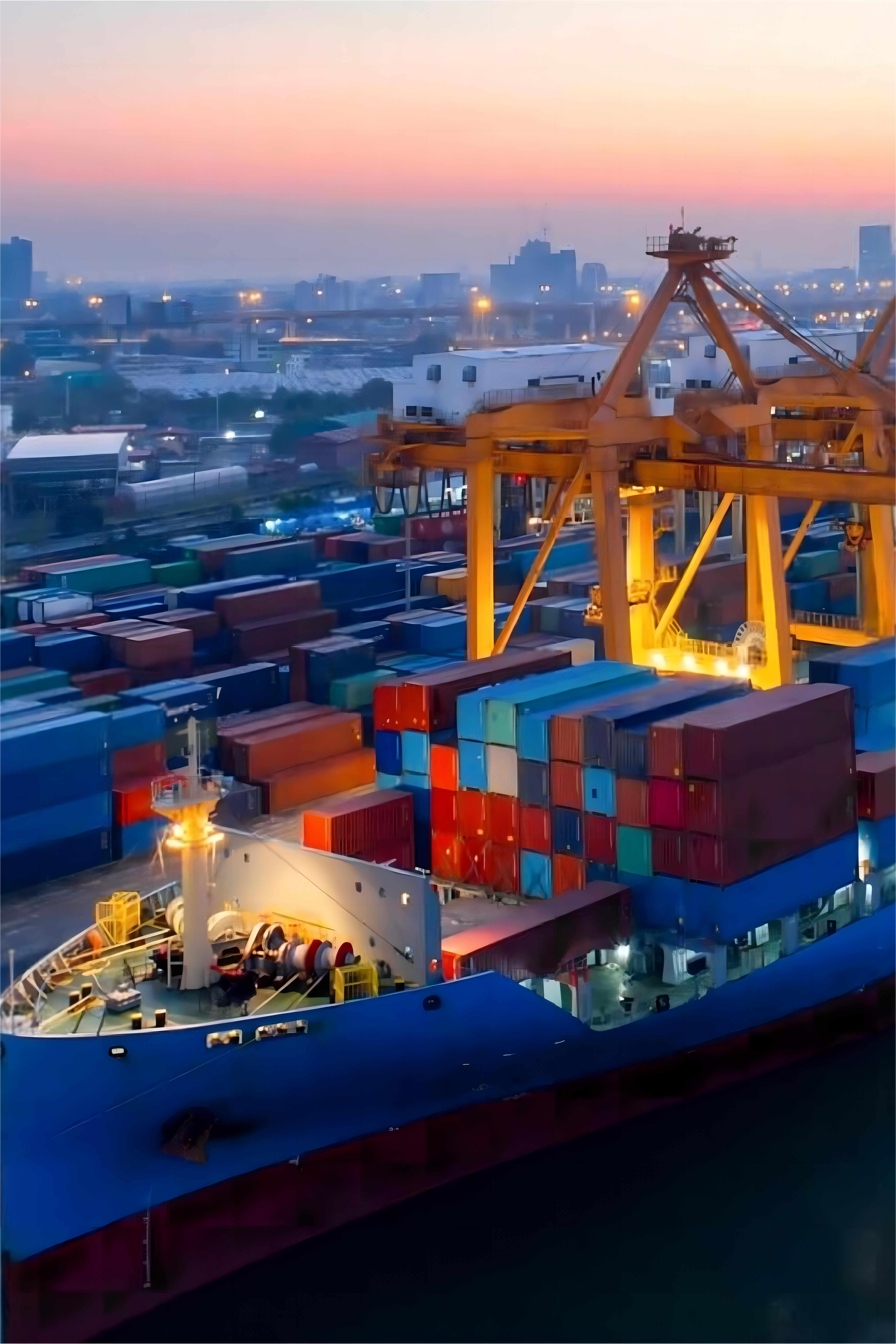
Importers must consider several factors when planning their shipments, including seasonal demand and geopolitical stability. For instance, the Finnish market often sees a surge in imports during the late summer months in preparation for the winter retail season. Therefore, securing capacity in advance is crucial for maintaining a steady inventory flow.
Choosing the right transport mode depends heavily on your specific business needs and budget constraints. While some prioritize low costs, others require the rapid delivery that only specialized air services can provide. Additionally, environmental considerations are increasingly influencing logistics decisions in the Nordic region.
How Much Does Shipping from China to Finland Cost?
Freight rates in early 2026 have stabilized following the volatility of previous years, though they remain sensitive to fuel price adjustments. Specifically, ocean freight costs for a standard 40-foot container currently range between 3,200 and 4,500 USD depending on the origin port. Meanwhile, air freight remains the most expensive option, priced by weight and volume.
Market data suggests that seasonal peaks can drive prices up by as much as 25 percent during the Golden Week or Lunar New Year periods. Accordingly, savvy businesses often schedule their larger shipments during the off-peak months of March and April to capitalize on lower rates. Furthermore, consolidating smaller shipments into a single container can significantly reduce the cost per unit.
Note: Freight rates are subject to change based on fuel costs, carrier capacity, and seasonal demand. Contact us for a current quote tailored to your specific shipment.
| Shipping Method | Unit Type | Price Range (USD) | Best For |
|---|---|---|---|
| Sea Freight (FCL) | 40HQ Container | 3,500 – 4,800 | Bulk Goods |
| Sea Freight (LCL) | Per CBM | 90 – 160 | Small Batches |
| Air Freight | Per Kilogram | 4.50 – 8.50 | Urgent Cargo |
| Rail Freight | 40HQ Container | 5,500 – 7,200 | Balanced Needs |
Sea Freight: The Economical Choice for Large Volumes
Maritime transport continues to be the primary method for sea freight shipments arriving at the Port of Helsinki or Kotka. Because of its high capacity, it is the most cost-effective solution for moving heavy machinery, furniture, and consumer electronics in bulk. However, the longer transit time requires careful inventory planning to avoid stockouts.
Full Container Load (FCL) services provide exclusive use of a container, which minimizes handling and reduces the risk of damage. Conversely, Less than Container Load (LCL) allows multiple shippers to share space, making it ideal for smaller businesses with lower volumes. Indeed, both options offer reliable schedules from major Chinese hubs like Shanghai, Ningbo, and Shenzhen.
FCL vs LCL: Which Should You Choose?
Deciding between FCL and LCL often comes down to the total volume of your cargo measured in cubic meters. Typically, if your shipment exceeds 15 CBM, FCL becomes more economical due to the flat rate per container. On the other hand, LCL is perfect for shipments as small as 1 CBM, though it involves more frequent handling at consolidation warehouses.
Air Freight: When Speed Is the Priority
Urgent shipments and high-value commodities are best suited for air freight to ensure they reach Finland within days. Historically, this method has been favored by the pharmaceutical and tech industries where time-to-market is a critical success factor. Nevertheless, the high carbon footprint and cost mean it is often reserved for specific scenarios.
Standard air cargo typically arrives at Helsinki-Vantaa Airport within 5 to 8 days after departing from China. For even faster delivery, an express service can reduce this window to just 3 to 4 days, including door-to-door handling. Consequently, this speed allows businesses to respond rapidly to unexpected market demands or supply chain disruptions.
Rail Freight: The Middle Ground Solution
Developing the Iron Silk Road has made rail freight a viable alternative for Finnish importers seeking a balance between speed and cost. This method is roughly twice as fast as sea freight while being significantly cheaper than air transport. Furthermore, rail connections from hubs like Xi’an and Chengdu directly to Kouvola offer a unique advantage for the Finnish market.
Environmental sustainability is another reason many Nordic companies are shifting toward rail transport in 2026. Since trains produce far fewer emissions than planes, rail freight helps companies meet their corporate social responsibility targets. Additionally, the stability of rail schedules makes it an excellent choice for consistent supply chain operations.
How Does Sea Freight Compare to Other Shipping Options?
Objectively analyzing all available routes is essential for optimizing your logistics strategy when importing from China. Sea freight offers the lowest cost per unit but requires the longest lead times, often exceeding 35 days. In contrast, air freight offers unmatched speed but at a price point that can be five to ten times higher than maritime options.
Rail freight serves as a strategic hybrid, offering a transit time of approximately 18 to 22 days. This makes it ideal for goods that are too heavy for planes but too time-sensitive for ships. For instance, seasonal fashion items or automotive parts often benefit from the reliability of the Eurasian rail network.
| Shipping Method | Cost Range | Transit Time | Best For | Limitations |
|---|---|---|---|---|
| Sea Freight | Low ($3k-$5k) | 30-45 Days | Bulk items | Slowest speed |
| Air Freight | High ($8k-$15k) | 3-7 Days | High value | Weight limits |
| Rail Freight | Medium ($5k-$7k) | 18-22 Days | Medium value | Route specific |
| Sea-Air Hybrid | Medium-High | 15-20 Days | Urgent bulk | Complex logistics |

Customs Clearance and Documentation in Finland
Navigating Finnish customs requires a thorough understanding of EU regulations and precise documentation to avoid costly delays. Specifically, every importer must have a valid EORI number to process goods through the Finnish Customs (Tulli) system. Furthermore, using a professional customs brokerage can simplify the declaration process and ensure compliance with all tax requirements.
Accurate valuation of goods is mandatory to determine the correct Import VAT and any applicable customs duties. For example, most commercial imports into Finland are subject to a standard VAT rate of 24 percent. Consequently, errors in the commercial invoice or packing list can lead to inspections and additional storage fees at the port.
Documentation typically includes the Bill of Lading, Commercial Invoice, Packing List, and a Certificate of Origin. In 2026, most of these documents are processed digitally through the ICS2 system to enhance security and speed. Therefore, ensuring your Chinese supplier provides high-quality digital copies is essential for modern logistics.
Which Option Should You Choose?
Budget priority dictates that sea freight is your best option, especially for non-perishable goods with flexible deadlines. If you are moving large volumes of raw materials or consumer goods, the cost savings of maritime transport are undeniable. However, you must factor in the cost of capital tied up in inventory during the month-long transit.
Speed priority clearly points toward air freight as the only viable solution for time-critical shipments. When a production line is down or a high-stakes product launch is imminent, the expense of air transport is easily justified. Alternatively, for shipments that are urgent but not desperate, rail freight provides a sensible compromise that saves both time and money.
Cargo type considerations also play a major role in your decision-making process. Fragile electronics often travel better by air due to reduced handling, while hazardous materials may be restricted to specific sea routes. Ultimately, a multi-modal approach that uses different methods for different product categories often yields the best results.
Real-World Case Studies for Finnish Importers
Case Study 1: High-Value Electronics. Route: Shenzhen to Helsinki. Cargo: 500kg of premium smartphones. Method: Air Freight. Cost: 3,250 USD. Transit Time: 5 days. Key Insight: Choosing air freight allowed the importer to capitalize on a market trend before competitors could restock via sea.
Case Study 2: Industrial Machinery. Route: Shanghai to Kotka. Cargo: 22 tons of manufacturing equipment in a 40GP. Method: Sea Freight. Cost: 3,950 USD. Transit Time: 34 days. Key Insight: Using FCL sea freight ensured the heavy machinery was handled minimally, preventing damage to sensitive components.
Case Study 3: E-commerce Inventory. Route: Xi’an to Kouvola. Cargo: 12 CBM of assorted consumer goods. Method: Rail Freight (LCL). Cost: 2,100 USD. Transit Time: 20 days. Key Insight: Rail provided the perfect balance for a mid-sized retailer needing faster replenishment than sea but at a lower cost than air.
Final Thoughts on Shipping from China to Finland
Successfully managing shipping from China to Finland in 2026 requires a proactive approach and a deep understanding of transport alternatives. Whether you choose the cost-efficiency of the sea, the speed of the air, or the balanced performance of rail, planning ahead is the key to success. By staying informed about market trends and customs requirements, you can ensure your goods arrive safely and on time.
Reliability and transparency should be your top priorities when selecting a freight forwarding partner. As global trade continues to evolve, having a resilient logistics strategy will protect your business from unforeseen challenges. We invite you to leverage our expertise to optimize your shipping routes and reduce your landed costs today.

Ready to streamline your logistics?
Streamline your supply chain today by partnering with experts who understand the nuances of shipping from China to Finland. Our team provides transparent pricing and reliable schedules to help your business grow in the Nordic region. Contact China Trade Freight now for a customized quote and experience hassle-free international logistics.
Request Quote