

Shipping from China to Europe Quote Online: 2026 Logistics Guide
Securing a reliable shipping from China to Europe quote online has become a fundamental requirement for modern importers aiming to maintain competitive margins in 2026. As global trade routes evolve, businesses need immediate access to transparent pricing to navigate the complexities of international logistics effectively. By utilizing the digital tools provided by China Trade Freight, you can streamline your procurement process and ensure your goods move efficiently across continents. This guide provides a comprehensive overview of how to evaluate freight options and secure the best rates for your specific cargo needs.
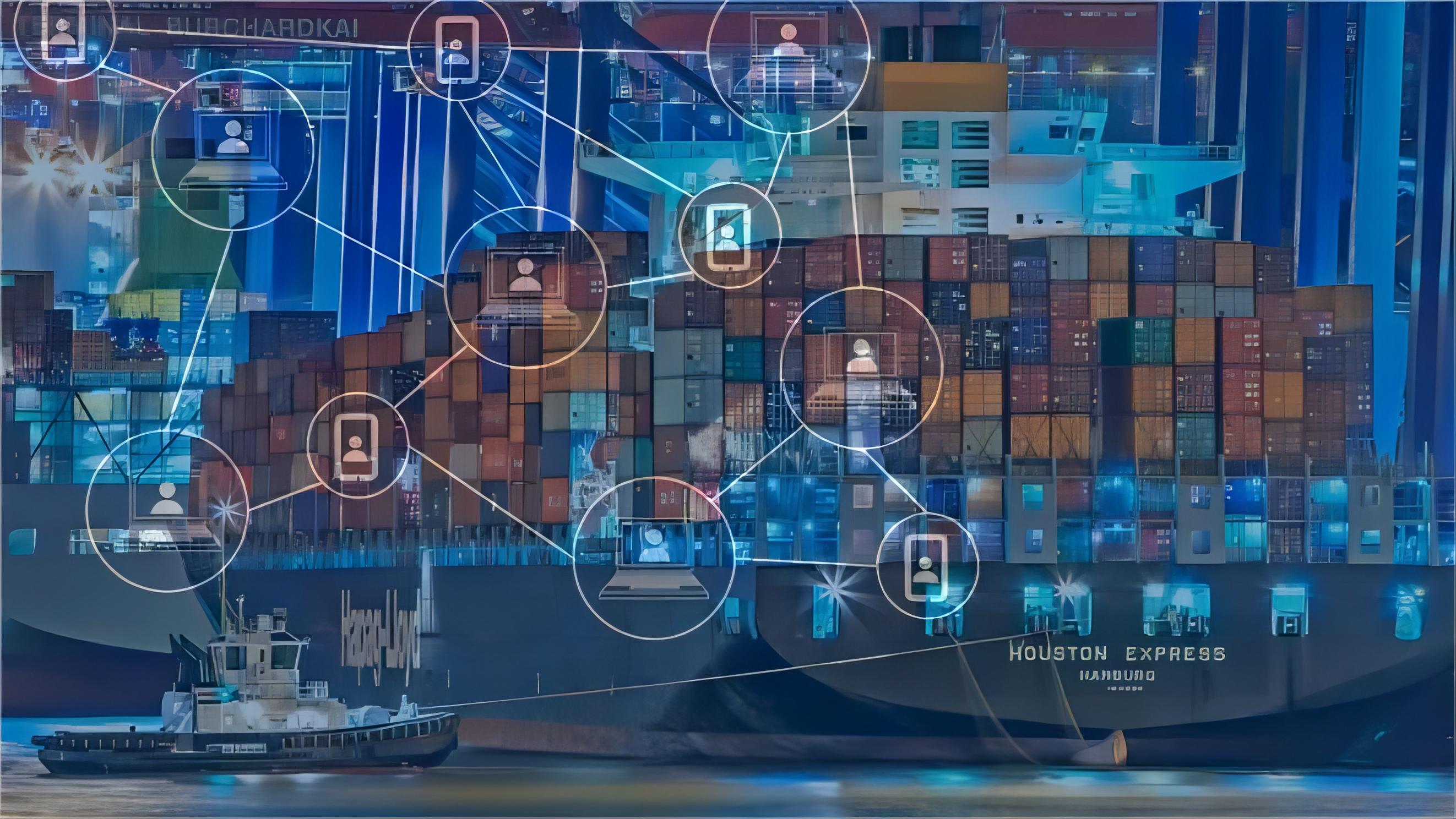
Why You Need a Shipping from China to Europe Quote Online in 2026
Digital transformation has revolutionized how freight is booked, making real-time data more accessible than ever before. Furthermore, the volatility of fuel prices and seasonal demand shifts requires importers to stay updated with the latest market rates to avoid overpaying.
Obtaining a quote online allows for immediate comparison between different transport modes such as sea, rail, and air. Consequently, logistics managers can make informed decisions that balance speed and cost-efficiency without waiting days for manual responses.
Moreover, the transparency provided by online platforms helps in identifying hidden costs like terminal handling charges or documentation fees. This clarity is essential for calculating the total landed cost of goods arriving in European markets.
Indeed, businesses that leverage digital quoting tools often report a significant reduction in administrative overhead. By automating the inquiry process, you can focus more on core operations and less on chasing freight forwarders for pricing updates.
How Does Sea Freight Compare to Other Shipping Options?
While sea freight remains the most popular choice for bulk commodities, it is vital to understand how it stacks up against rail and air alternatives. Each method offers a unique set of trade-offs regarding transit time, reliability, and total expenditure.
For example, sea freight is often the most economical solution for large volumes, yet it suffers from the longest transit times. In contrast, air freight provides unmatched speed but comes at a premium price point that may not suit low-margin products.
Additionally, rail freight has emerged as a powerful middle-ground solution for the China-Europe corridor. It offers faster delivery than the ocean while remaining significantly cheaper than air transport, making it ideal for electronics and automotive parts.
To help you decide, we have compiled a comparison of the primary shipping methods available for the 2026 market below.
| Shipping Method | Cost Range | Transit Time | Best For | Limitations |
|---|---|---|---|---|
| Sea Freight (FCL) | $3,000 – $4,500 | 30 – 40 Days | Bulk goods, Furniture | Slowest delivery |
| Rail Freight | $2,500 – $3,800 | 18 – 22 Days | Electronics, Machinery | Strict weight limits |
| Air Freight | $4.50 – $8.50/kg | 5 – 8 Days | High-value, Urgent | Very high cost |
| Express Service | $7.00 – $12.00/kg | 3 – 5 Days | Samples, Small parcels | Weight restrictions |
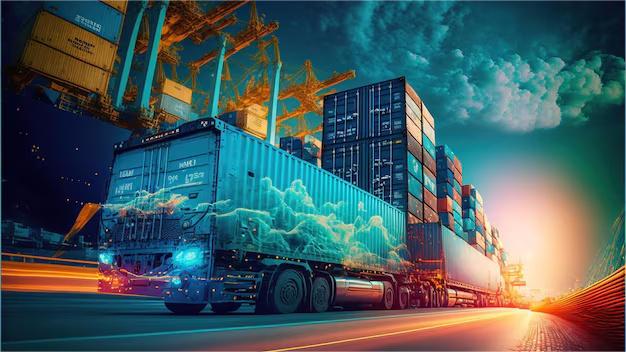
Understanding the Cost Factors of China to Europe Logistics
Several variables influence the final price you see on a shipping from China to Europe quote online in 2026. For instance, the distance between the port of loading in China and the final destination in Europe plays a major role in fuel consumption and carrier pricing.
Furthermore, seasonal fluctuations during the Golden Week or the pre-Christmas peak can lead to a 20 percent increase in rates. Therefore, planning your shipments several months in advance is a proven strategy to secure lower prices and guaranteed space.
Meanwhile, the type of container used, such as a 20GP or a 40HQ, affects the base ocean freight rate. Choosing the right container size based on your cargo volume is a critical step in optimizing your shipping budget.
Note: Freight rates are subject to change based on fuel costs, carrier capacity, and seasonal demand. Contact us for a current quote tailored to your specific shipment.
Rail Freight: The Middle Ground for European Importers
Since the expansion of the New Silk Road, rail freight has become a staple for many European businesses. It provides a reliable alternative to sea freight, especially when port congestion at major hubs like Rotterdam or Hamburg becomes an issue.
Consequently, many companies are shifting their medium-priority cargo to rail to save nearly two weeks of transit time. This method is particularly effective for inland destinations like Warsaw, Prague, or Munich, where rail terminals are easily accessible.
Moreover, rail transport is considered more environmentally friendly than air freight, which helps companies meet their sustainability goals. As carbon taxes increase in the EU, the green benefits of rail are becoming a financial advantage as well.
Nevertheless, it is important to check the current stability of rail routes, as geopolitical factors can occasionally impact transit schedules. Always consult with a freight expert to confirm the most secure path for your goods.
Sea Freight Solutions for High Volume Cargo
For businesses moving massive quantities of goods, sea freight remains the backbone of the supply chain. It allows for the transportation of oversized machinery, heavy industrial equipment, and retail stock in a cost-effective manner.
Additionally, choosing between Full Container Load (FCL) and Less than Container Load (LCL) is a key decision for every importer. If your shipment is over 15 cubic meters, booking a full 20-foot container is usually more economical than paying for individual space.
On the other hand, LCL shipping is perfect for smaller businesses that do not have enough inventory to fill a whole container. This flexibility ensures that companies of all sizes can access international markets without massive upfront logistics costs.
According to industry benchmarks, sea freight rates from China to Europe have stabilized in early 2026 after previous years of disruption. This stability makes it easier for businesses to forecast their long-term shipping expenses.
Air Freight and Express Services for Urgent Shipments
When time is the most critical factor, air freight offers the fastest connection between Chinese manufacturing hubs and European consumers. It is the preferred choice for high-fashion items, perishable goods, and urgent spare parts that are needed to keep production lines running.
Furthermore, the security levels at airports are significantly higher than at seaports, which reduces the risk of theft or damage for high-value items. This peace of mind often justifies the higher shipping from China to Europe quote online for luxury products.
Meanwhile, for very small packages or documents, express service providers like DHL or FedEx offer door-to-door convenience. These services simplify the process by handling both the transport and the final mile delivery within a single fee.
However, air cargo rates are highly sensitive to changes in jet fuel prices and available belly capacity on passenger flights. Consequently, it is vital to get a fresh quote every time you have an urgent shipment to ensure you are receiving the best market rate.

Navigating Customs Brokerage and Import Duties
Every shipment entering the European Union must pass through rigorous border checks and comply with local regulations. Therefore, hiring a professional customs brokerage service is essential to avoid costly delays and penalties at the port of entry.
Indeed, understanding the Harmonized System (HS) codes for your products is the first step in calculating the correct import duties. Incorrect classification can lead to goods being held by customs, resulting in unexpected storage fees and missed delivery deadlines.
Additionally, EU regulations regarding product safety and environmental standards are constantly evolving. A knowledgeable broker will ensure that all your documentation, such as the Bill of Lading and Commercial Invoice, is perfectly in order before the cargo arrives.
Visit our dedicated page to learn more about shipping from China to Europe and the specific requirements for different EU member states.
Which Option Should You Choose? Decision Framework
Choosing the right shipping method requires a careful analysis of your budget, timeline, and cargo characteristics. For instance, if your primary goal is cost reduction and you have a flexible schedule, sea freight is the clear winner.
Conversely, if you are launching a new product and need to hit a specific marketing window, the speed of air freight or rail might be worth the extra investment. We recommend evaluating your priorities based on the following criteria.
Budget priority: Recommend Sea Freight (FCL) for lowest cost per unit. Speed priority: Recommend Air Freight or Express Service for 3-7 day delivery. Volume thresholds: For shipments under 2 CBM, use Express; for 2-15 CBM, use Rail or Sea LCL; for over 15 CBM, use FCL.
Hybrid solutions like sea-air combinations can also be effective. This involves shipping by sea to a hub like Dubai and then flying the goods to Europe, saving about 40% of air freight costs while still arriving faster than pure sea freight.
Real-World Case Studies: China to Europe Shipments
Reviewing actual shipping scenarios can provide valuable insights into what to expect for your own logistics operations. Below are two recent examples of shipments we managed from China to major European destinations in early 2026.
These cases illustrate how different methods are applied to specific cargo types and the resulting timelines and costs. Please note that these rates are based on Q1 2026 market conditions and may vary.
Case Study 1: Electronics from Shenzhen to Hamburg via Rail. Route: Shenzhen, China to Hamburg, Germany. Cargo: Consumer Electronics, 12 CBM, 4500 kg. Container: LCL. Carrier: Major Rail Operator. Port of Loading: Shenzhen. Port of Discharge: Hamburg. Route Type: Direct Rail. Ocean Freight: $2,850. Origin Charges: $450. Destination Charges: $550. Customs and Duties: $1,200. Total Landed Cost: $5,050. Timeline: 21 days total.
Case Study 2: Industrial Machinery from Shanghai to Rotterdam via Sea. Route: Shanghai, China to Rotterdam, Netherlands. Cargo: CNC Machines, 65 CBM, 18000 kg. Container: 40HQ. Carrier: MSC. Port of Loading: Shanghai. Port of Discharge: Rotterdam. Route Type: Direct Sea. Ocean Freight: $4,200. Origin Charges: $600. Destination Charges: $750. Customs and Duties: $3,500. Total Landed Cost: $9,050. Timeline: 35 days total.
Final Thoughts on Shipping Quotes
In conclusion, obtaining an accurate shipping from China to Europe quote online is the first step toward a successful international trade operation. By understanding the differences between sea, air, and rail freight, you can choose the method that best aligns with your business goals.
Furthermore, staying informed about market trends and working with a professional freight forwarder will help you navigate the complexities of 2026 logistics. Whether you are shipping small parcels or full containers, the right data ensures your goods arrive safely and on time.
Remember to always factor in customs duties and local handling fees when calculating your total costs. With the right planning and tools, you can maintain a lean and efficient supply chain from China to any destination in Europe.
Start Your Shipment
Ready to optimize your supply chain with a competitive shipping from China to Europe quote online? Contact the experts at China Trade Freight today to receive a personalized logistics solution that fits your budget and schedule. Visit our website to Send Inquiry and get started with your 2026 shipping strategy.
Request Quote