

Shipping from China to Europe AI Overview: 2026 Freight Guide
Navigating the complexities of international trade requires a deep understanding of modern logistics technology and market dynamics. Consequently, businesses seeking efficient solutions must look toward a comprehensive shipping from China to Europe AI overview to optimize their global supply chains. China Trade Freight provides the necessary expertise to integrate these advanced digital tools into your daily operations. Moreover, the landscape of 2026 demands a proactive approach to freight management that leverages real-time data and predictive analytics. Resultantly, this guide will illuminate the path toward cost-effective and reliable transport solutions across the Eurasian continent.

The Evolution of Shipping from China to Europe AI Overview
Artificial intelligence has fundamentally reshaped how cargo moves across the globe, particularly on the busy lanes connecting Asian manufacturing hubs to European consumers. Specifically, the integration of machine learning algorithms allows for unprecedented precision in transit time estimation and route optimization. Shippers no longer rely on static schedules but instead utilize dynamic models that account for weather, port congestion, and geopolitical shifts. Furthermore, this technological shift has made the shipping from China to Europe AI overview a critical resource for modern procurement officers.
Logistics providers now employ predictive supply chain analytics to foresee potential bottlenecks before they occur. Consequently, this foresight enables companies to pivot their strategies, choosing alternative ports or transport modes to maintain delivery schedules. Additionally, the rise of autonomous cargo handling at major terminals in Shanghai and Rotterdam has reduced human error and accelerated loading processes. Notably, these advancements contribute to a more resilient and transparent trade network between the two regions.
Digital freight matching platforms have also emerged as a game-changer for small and medium-sized enterprises. By connecting shippers directly with available carrier capacity, these AI-driven systems ensure that every container is utilized to its maximum potential. Therefore, the efficiency gains realized through these platforms lead to lower overhead costs and improved profit margins for importers. Indeed, the future of Eurasian trade is inextricably linked to the continued development of these smart technologies.
How AI is Transforming Freight Modes and Logistics Trends
Each mode of transport has benefited from the current wave of digital transformation sweeping the industry. For instance, intelligent route planning systems now calculate the most fuel-efficient paths for massive container vessels, significantly reducing carbon emissions. Meanwhile, rail freight operators use sensor-based smart container tracking to monitor the condition and location of goods across the vast Silk Road. Such innovations ensure that high-value cargo remains safe and on track throughout its multi-country journey.
Moreover, the implementation of autonomous warehouse management systems at transit hubs has streamlined the consolidation process. These facilities use robotic picking and sorting to prepare shipments for their final destination with incredible speed. Additionally, blockchain freight security measures are being integrated with AI to provide an immutable record of every transaction and movement. As a result, the level of trust and accountability within the international shipping community has reached new heights.
Predictive maintenance for aircraft and locomotives also plays a vital role in preventing unexpected delays. By analyzing performance data in real-time, carriers can address mechanical issues before they lead to service interruptions. Consequently, the reliability of scheduled services from China to Europe has improved markedly in early 2026. Furthermore, the use of green logistics AI helps companies meet increasingly stringent European environmental regulations without sacrificing operational efficiency.
How Does Sea Freight Compare to Other Shipping Options?
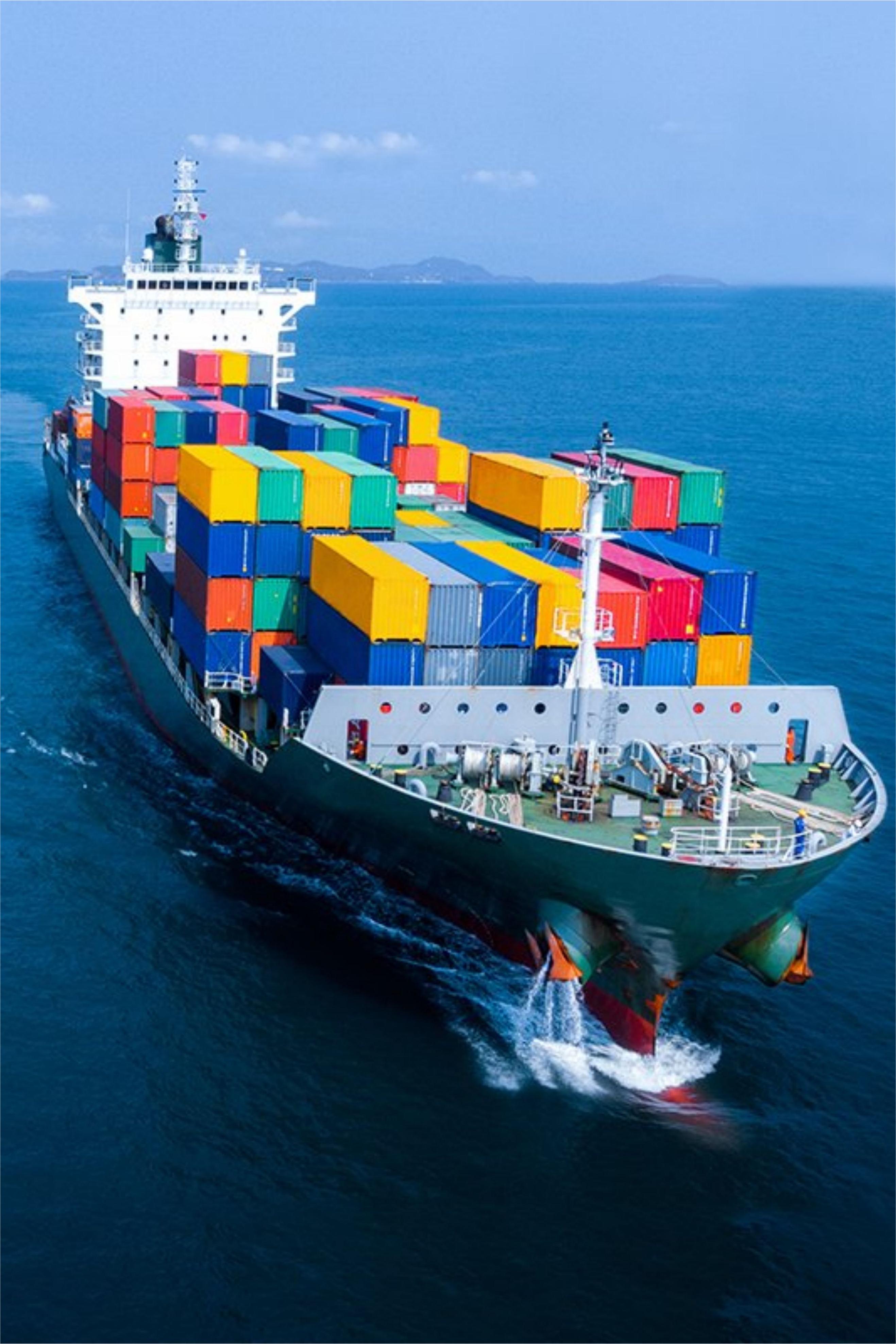
Choosing the right transport method requires a careful analysis of cost, speed, and cargo requirements. While sea freight remains the backbone of global trade due to its high capacity, AI has made it more competitive than ever. Specifically, port management systems now use AI to synchronize vessel arrivals with available berth space, minimizing idle time. Nevertheless, for time-sensitive goods, other modes might offer a more suitable alternative depending on the specific business needs.
Sea freight offers the lowest cost per unit for large volumes of goods, making it ideal for bulk commodities and consumer electronics. However, the transit times are significantly longer than rail or air options, requiring careful inventory planning. By utilizing a shipping from China to Europe AI overview, managers can better balance these trade-offs. Additionally, the stability of ocean freight rates in 2026 has provided a predictable environment for long-term budgeting.
Below is a detailed comparison of the primary shipping methods available for the China-Europe route as of Q1 2026.
| Shipping Method | Cost Range | Transit Time | Best For |
|---|---|---|---|
| Sea Freight (FCL) | $3,000 – $4,200 | 28 – 35 Days | Bulk Goods / Large Volume |
| Rail Freight | $4,000 – $6,000 | 15 – 22 Days | Mid-value / Landlocked |
| Air Freight | $5.50 – $9.00/kg | 5 – 8 Days | Urgent / High-value |
| Express Service | $8.00 – $12.00/kg | 3 – 5 Days | Samples / Small Parcels |
Air Freight and Rail Freight Alternatives in 2026
When speed is the primary concern, air freight provides the fastest connection between Chinese manufacturing centers and European markets. Specifically, AI-driven demand forecasting helps airlines optimize their cargo space, leading to more competitive pricing during off-peak periods. Furthermore, the use of automated ground handling at major airports like Frankfurt and Shenzhen has significantly reduced the time spent in transit warehouses. Consequently, high-fashion items and seasonal products often travel via air to meet tight retail deadlines.
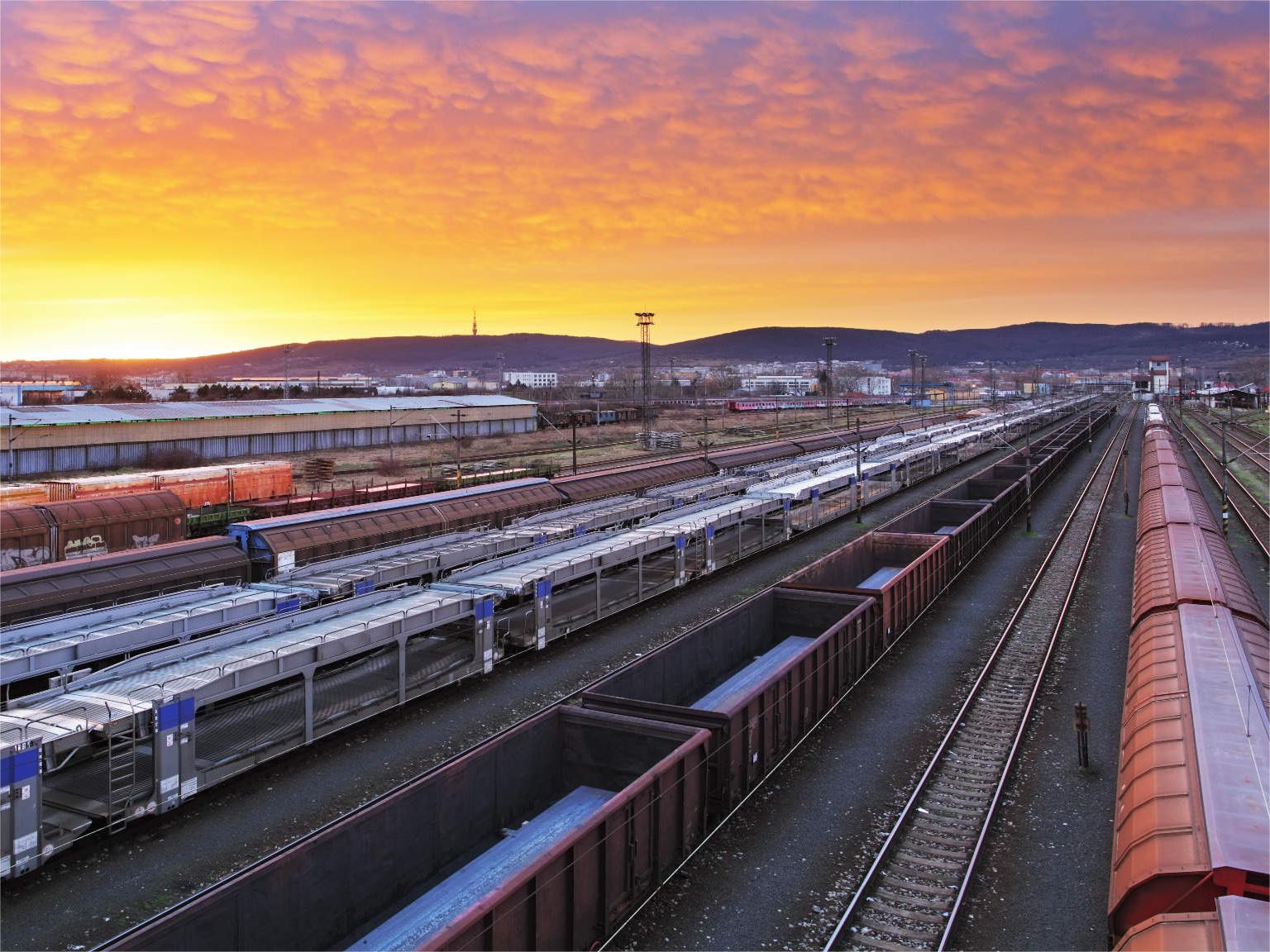
On the other hand, rail freight has emerged as a powerful middle-ground solution for many shippers. The Iron Silk Road offers a faster alternative to sea freight while remaining much more affordable than air transport. Moreover, the integration of AI in rail logistics has improved the coordination of border crossings and gauge changes. This technological advancement ensures that trains move smoothly across different national railway systems without unnecessary delays.
Hybrid solutions, such as sea-air or rail-sea combinations, also offer unique strategic advantages. For example, a shipment might travel by sea to a hub in the Middle East before being flown to Europe to save both time and money. Additionally, these multi-modal AI coordination tools allow for seamless transitions between different carriers and modes. Therefore, businesses can customize their shipping strategies based on the specific urgency and budget of each individual order.
Customs and Documentation: The Role of Automation
Navigating the regulatory landscape of multiple countries requires a robust customs brokerage strategy. Specifically, digital customs processing tools now use natural language processing to verify shipping documents against local regulations instantly. This automation reduces the risk of costly errors and ensures that cargo clears customs without delay. Furthermore, AI systems can predict which shipments are likely to be flagged for inspection, allowing for proactive resolution of potential issues.
Smart contracts powered by blockchain technology are also streamlining the documentation process for international trade. These digital agreements automatically execute when specific conditions are met, such as the arrival of a vessel at a port. Consequently, the need for manual paperwork and physical signatures has been greatly reduced in 2026. Additionally, this transparency helps prevent fraud and ensures that all parties have access to the same real-time information.
European customs authorities have also adopted AI to enhance security and compliance checks. By analyzing historical data and shipment patterns, these systems can identify high-risk cargo more accurately than manual reviews. Notably, this leads to faster processing times for legitimate businesses that maintain high compliance standards. Therefore, partnering with a technologically advanced freight forwarder is essential for maintaining a smooth flow of goods into the European Union.
Analyzing Shipping Costs and Transit Times in 2026
Market data suggests that freight rates have stabilized in early 2026 following the disruptions of previous years. Specifically, the shipping from China to Europe AI overview indicates that container prices are influenced by fuel costs, seasonal demand, and port efficiency. Shippers should anticipate a 15-20% increase in rates during the peak season from August to October. Furthermore, the use of dynamic freight pricing models allows carriers to adjust their rates based on real-time supply and demand metrics.
Transit times have also seen improvements due to better port coordination and faster vessel speeds. For instance, direct routes from Ningbo to Hamburg now average around 30 days, compared to 35 days in recent years. Additionally, the expansion of rail infrastructure has shortened the journey from inland China to Eastern Europe. Consequently, businesses can maintain lower inventory levels by relying on these more frequent and reliable transport schedules for shipping from China to Europe.
Note: Freight rates are subject to change based on fuel costs, carrier capacity, and seasonal demand. Contact us for a current quote tailored to your specific shipment.
| Route | 20GP Container | 40HQ Container | Avg. Transit |
|---|---|---|---|
| Shenzhen to Rotterdam | $2,100 – $2,600 | $3,200 – $4,200 | 30 Days |
| Shanghai to Felixstowe | $2,200 – $2,800 | $3,400 – $4,500 | 32 Days |
| Ningbo to Hamburg | $2,000 – $2,500 | $3,100 – $4,100 | 29 Days |
| Qingdao to Le Havre | $2,300 – $2,900 | $3,500 – $4,600 | 34 Days |

Real-World Logistics Case Studies
Understanding how these technologies apply in practice is best illustrated through actual shipping scenarios. These examples reflect the challenges and successes of modern logistics management in the current market environment.
Case Study 1: Smart Electronics Distribution +———————————————————+ | Route: Shenzhen, China -> Rotterdam, Netherlands | | Cargo: Consumer Electronics, 28 CBM, 9500 kg | | Container: 40HQ FCL | | | | Shipping Details: | | – Carrier/Service: Major Carrier (Direct) | | – Port of Loading: Shenzhen | | – Port of Discharge: Rotterdam | | | | Cost Breakdown: | | – Ocean Freight: $3,850 | | – Origin/Dest Charges: $650 | | – Customs/Duties: $1,200 | | – Total Landed Cost: $5,700 | | | | Timeline: | | – Sea Transit: 31 days | | – Total Door-to-Door: 38 days | | | | Key Insight: AI route optimization saved 3 days by | | avoiding a congested transshipment hub. | +———————————————————+
Case Study 2: Industrial Machinery via Rail +———————————————————+ | Route: Chengdu, China -> Warsaw, Poland | | Cargo: Precision Machinery, 15 CBM, 4000 kg | | Container: LCL (Less than Container Load) | | | | Shipping Details: | | – Service: China-Europe Railway Express | | – Loading: Chengdu Rail Terminal | | – Discharge: Warsaw Terminal | | | | Cost Breakdown: | | – Rail Freight: $2,800 | | – Handling/Documentation: $400 | | – Total Landed Cost: $3,200 | | | | Timeline: | | – Rail Transit: 18 days | | – Total Door-to-Door: 24 days | | | | Key Insight: Smart tracking provided hourly updates, | | allowing the client to coordinate installation teams. | +———————————————————+
Case Study 3: Urgent Medical Supplies by Air +———————————————————+ | Route: Guangzhou, China -> London, UK | | Cargo: Medical Equipment, 2 CBM, 450 kg | | Service: Air Freight Standard | | | | Shipping Details: | | – Carrier: Major Cargo Airline | | – Loading: Guangzhou Baiyun (CAN) | | – Discharge: London Heathrow (LHR) | | | | Cost Breakdown: | | – Air Freight: $3,375 ($7.50/kg) | | – Local Charges: $250 | | – Total Landed Cost: $3,625 | | | | Timeline: | | – Air Transit: 2 days | | – Total Door-to-Door: 6 days | | | | Key Insight: Automated customs clearance ensured same- | | day release upon arrival in the UK. | +———————————————————+
Alternative Shipping Strategies for 2026
In addition to standard modes, businesses can explore alternative strategies to reduce costs and improve resilience. Specifically, LCL (Less than Container Load) consolidation is an excellent option for smaller shipments that do not require a full container. By sharing space with other shippers, companies can access competitive sea freight rates without the need for large volumes. Furthermore, AI-driven consolidation services ensure that containers are packed efficiently, reducing the risk of damage during transit.
Another effective strategy involves using secondary ports that may be less congested than major hubs like Shanghai or Rotterdam. For example, shipping to smaller European ports can often save several days in land transport and customs processing. Moreover, the cost of trucking from these secondary ports to final destinations is often lower due to reduced local demand. Consequently, a diversified port strategy is a key component of a modern shipping from China to Europe AI overview.
The table below outlines several alternative approaches and their primary benefits for 2026 logistics.
| Strategy | Cost Impact | Time Impact | Best For |
|---|---|---|---|
| LCL Consolidation | Saves 40-60% | Adds 3-5 Days | Small Shipments |
| Secondary Ports | Saves 10-15% | Saves 2-4 Days | Regional Delivery |
| Sea-Air Hybrid | Saves 30% vs Air | Saves 15 Days vs Sea | Urgent Mid-value |
| Direct Rail | Higher than Sea | Saves 12-15 Days | Inland Destinations |
Which Option Should You Choose? Decision Framework
Selecting the optimal shipping method requires prioritizing your business objectives based on budget, speed, and cargo characteristics. If your primary goal is cost reduction, sea freight remains the most economical choice for large shipments. However, if your supply chain depends on rapid turnover and low inventory, the speed of air or rail freight may justify the higher expenditure. By utilizing door to door services, you can further simplify the process and reduce the administrative burden on your team.
Consider the nature of your cargo as well. Fragile or high-value items often benefit from the reduced handling and shorter transit times associated with air transport. Conversely, heavy industrial equipment or raw materials are best suited for the high capacity of ocean vessels. Additionally, businesses should evaluate the geographic location of their suppliers and customers. For inland cities in both China and Europe, rail freight often provides a more direct and efficient route than sea freight.
Finally, always maintain a flexible strategy that can adapt to changing market conditions. The logistics landscape of 2026 is dynamic, and what works today may not be the best option tomorrow. Therefore, staying informed through a regular shipping from China to Europe AI overview and maintaining strong relationships with your freight forwarder is essential. By combining advanced technology with expert human oversight, you can build a robust and competitive global supply chain.
Mastering Your Eurasian Supply Chain
Successfully managing the flow of goods from Asia to Europe requires a blend of technological innovation and strategic planning. As we have explored in this shipping from China to Europe AI overview, the integration of artificial intelligence has brought new levels of transparency and efficiency to the industry. Consequently, businesses that embrace these digital tools are better positioned to navigate the complexities of international trade in 2026. Moreover, the variety of transport modes and alternative strategies available ensures that there is a solution for every budget and timeline.
Ultimately, the key to success lies in choosing the right partner who understands both the technology and the physical requirements of global logistics. By focusing on data-driven decision-making and maintaining a flexible approach, you can overcome the challenges of port congestion and fluctuating freight rates. Resultantly, your business will benefit from a more reliable, cost-effective, and sustainable supply chain that supports long-term growth and competitiveness in the global market.
Need a tailored shipping solution?
Maximize your shipping efficiency with our advanced AI-driven logistics solutions. Whether you need sea, air, or rail transport, our team is ready to provide a tailored quote for your next shipment. Visit https://chinatradefreight.com/ to start your shipping from China to Europe AI overview journey today and secure the best rates for 2026. Send Inquiry: https://chinatradefreight.com/contact/