

Shipping and Fulfillment China Europe Warehouse Strategies for 2026
Navigating the complexities of international trade requires a robust strategy for shipping and fulfillment china europe warehouse operations to ensure timely delivery. Establishing a seamless supply chain from Asian manufacturing hubs to European consumers has become increasingly critical as market demands evolve in 2026. China Trade Freight provides comprehensive logistics solutions designed to bridge the gap between production and the final mile delivery across the continent. This guide explores how businesses can leverage strategic warehousing and optimized transport modes to maintain a competitive edge in the European market.
Understanding Shipping and Fulfillment China Europe Warehouse Logistics in 2026
Understanding the modern logistics landscape is essential for any company involved in cross-border e-commerce or industrial supply chains. Currently, the integration of smart technology in European fulfillment centers allows for real-time inventory tracking and faster order processing for goods arriving from China.

Moreover, the shift toward localized inventory storage helps mitigate the risks associated with global shipping disruptions and port congestion. Consequently, businesses that maintain a strategic buffer of stock in European warehouses can respond to customer orders within 24 to 48 hours, significantly improving satisfaction levels.
Furthermore, utilizing a bonded warehouse allows importers to defer duty and tax payments until the products are actually sold or moved into the local market. Therefore, this approach optimizes cash flow and provides a financial cushion against market volatility in the early stages of the 2026 fiscal year.
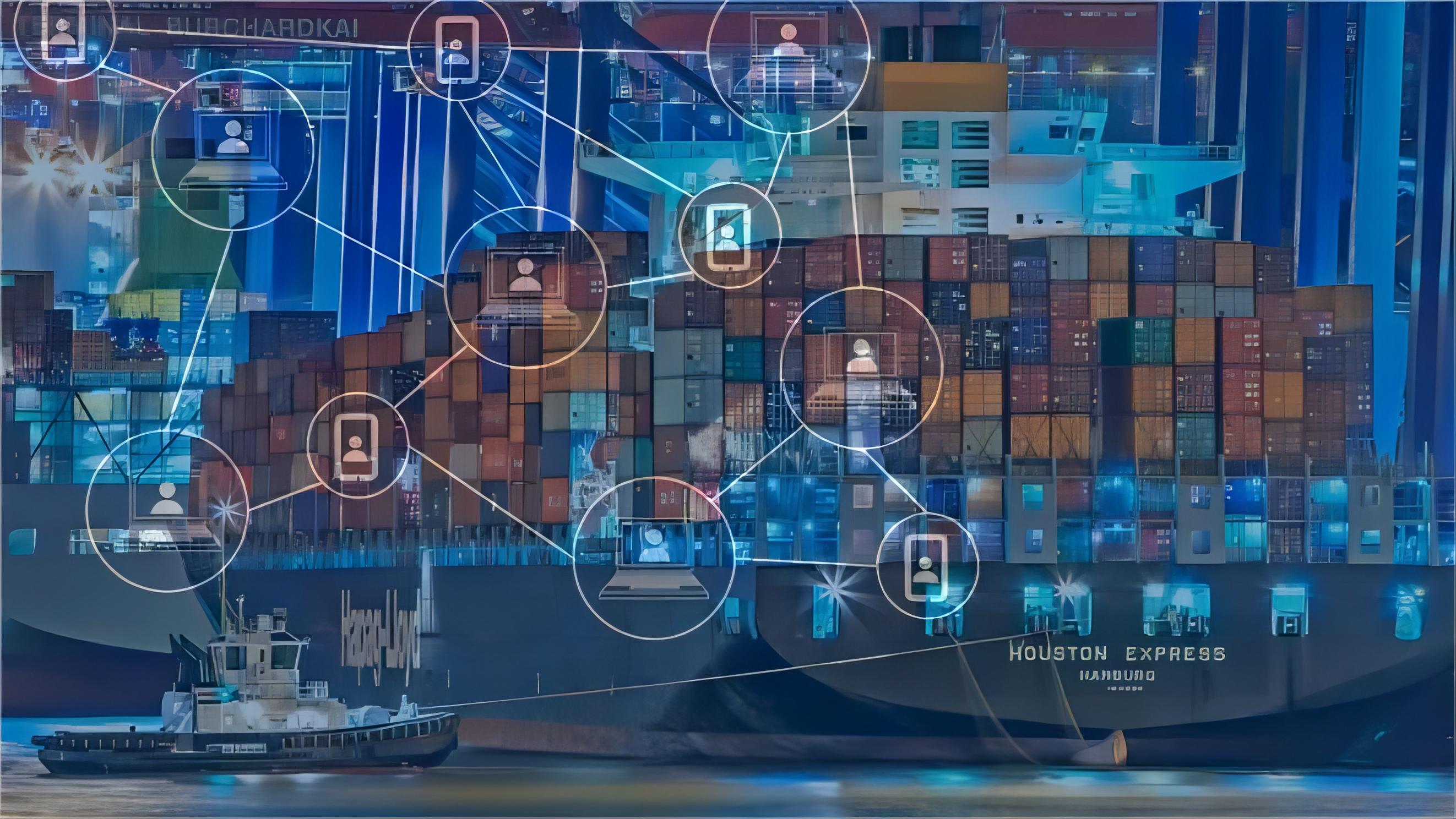
How Does Sea Freight Compare to Other Shipping Options?
Comparing different transport modes is a fundamental step in designing an effective shipping and fulfillment china europe warehouse strategy. While sea freight remains the most economical choice for large volumes, it requires careful planning due to longer lead times.
Indeed, ocean transport typically takes between 30 and 45 days depending on the specific port of loading and the destination in Northern or Southern Europe. Additionally, recent improvements in vessel efficiency and port automation have helped stabilize transit schedules despite ongoing geopolitical shifts in 2026.
However, for high-value or seasonal items, the slow nature of sea transit may result in lost sales opportunities if inventory is not managed precisely. For this reason, many companies now adopt a hybrid model that combines sea freight for baseline stock with faster alternatives for urgent replenishment.
| Shipping Method | Cost Range (2026) | Transit Time | Best For |
|---|---|---|---|
| Sea Freight (FCL) | $3,200 – $4,500 | 30 – 40 Days | Bulk Inventory |
| Air Freight | $6.50 – $11.00/kg | 5 – 8 Days | High Value/Urgent |
| Rail Freight | $4,500 – $6,500 | 18 – 25 Days | Mid-range Goods |
| Express Courier | $12.00 – $18.00/kg | 3 – 5 Days | Samples/Small Parcels |
Speed vs Cost: Evaluating Air and Rail Freight Alternatives
Evaluating the trade-offs between speed and cost is vital when selecting air freight for your European fulfillment needs. Although the cost per kilogram is substantially higher than sea transport, the reduction in transit time can be a game-changer for product launches.
Furthermore, rail freight has emerged as a powerful middle-ground solution, offering faster delivery than sea and lower costs than air. Specifically, the Middle Corridor rail routes via Central Asia have gained popularity in 2026 as reliable alternatives to traditional maritime paths.
Nevertheless, rail capacity can be limited during peak seasons, requiring shippers to book space well in advance to avoid delays at border crossings. Consequently, a diversified transport portfolio ensures that your shipping and fulfillment china europe warehouse operations remain resilient against localized disruptions.
The Strategic Advantage of Bonded Warehousing in Europe
Utilizing European bonded warehouses offers significant advantages for managing import duties and taxes EU regulations effectively. These facilities allow goods to be stored under customs supervision without the immediate payment of Value Added Tax (VAT) or customs duties.
Notably, this strategy is particularly beneficial for companies that use Europe as a distribution hub for non-EU countries, such as Switzerland or the UK. Accordingly, you only pay the necessary taxes when the goods enter the local commerce of the specific European country where they are sold.
Subsequently, this setup reduces the initial capital outlay required for large shipments and allows for more flexible inventory management strategies. Indeed, many third-party logistics providers now offer integrated bonded storage as part of their standard fulfillment packages in 2026.
Navigating Customs Brokerage and EU Compliance in 2026
Managing the intricacies of customs brokerage is a critical component of any shipping and fulfillment china europe warehouse plan. In 2026, the European Union has implemented stricter digital documentation requirements to streamline the clearance process at major ports.
Practically, this means that all commercial invoices, packing lists, and certificates of origin must be accurately prepared and submitted through electronic data interchange systems. Usually, working with an experienced broker helps prevent costly delays and potential fines associated with incorrect tariff classifications.
Regardless of the cargo type, staying informed about the latest environmental regulations and carbon adjustment mechanisms is now mandatory for European importers. Specifically, the Carbon Border Adjustment Mechanism (CBAM) now affects a wider range of industrial products entering the EU market.
| Document Type | Purpose | Required For | Format |
|---|---|---|---|
| Commercial Invoice | Valuation and Duties | All Shipments | Digital/PDF |
| Packing List | Cargo Verification | All Shipments | Digital/PDF |
| Bill of Lading | Title and Transport | Sea/Rail Freight | Original/Electronic |
| Certificate of Origin | Preferential Tariffs | Specific Goods | Official Form |
E-commerce Logistics: Integrating Amazon FBA and Local Warehouses
Integrating your supply chain with Amazon FBA services allows for rapid scaling within the European marketplace. Many sellers choose to ship bulk inventory to a central European warehouse before trickling stock into Amazon fulfillment centers as needed.
Primarily, this dual-warehousing strategy helps avoid high long-term storage fees at Amazon facilities while ensuring that products remain eligible for Prime delivery. Alternatively, using a local third-party logistics provider for last-mile delivery Europe can provide more control over branding and packaging.
Basically, the choice depends on your sales volume and the geographic distribution of your customer base across countries like Germany, France, and Italy. Effectively, a multi-channel fulfillment approach ensures that you are not overly dependent on a single platform for your European sales.
Real-World Case Studies: China to Europe Logistics Success
Reviewing actual shipping scenarios provides valuable insights into the costs and timelines associated with shipping and fulfillment china europe warehouse projects in 2026. These examples reflect the current market conditions and the practical challenges faced by international shippers.
Case Study 1: Electronics from Shenzhen to Hamburg. A consumer electronics brand shipped 15 CBM of high-value goods via LCL sea freight. The cargo was consolidated in Shenzhen and discharged at Hamburg Port. The total sea transit took 32 days, with an additional 4 days for customs clearance. Total landed cost, including origin and destination charges, was approximately $2,850. Key Insight: Early booking allowed the shipper to secure a competitive rate before the Q3 peak season.
Case Study 2: Apparel from Ningbo to Rotterdam. A fashion retailer utilized a 40HQ container for seasonal clothing items. The shipment was routed through the Suez Canal with no major delays in early 2026. Ocean freight cost $3,900, with destination charges adding $600. Total door-to-door transit time was 38 days. Key Insight: Using a bonded warehouse in Rotterdam allowed the retailer to distribute goods across the EU based on real-time demand.
Historically, these routes have seen fluctuations, but the 2026 market has shown a trend toward increased reliability through better port coordination. Geographically, Northern European ports remain the preferred entry points for goods destined for Central Europe due to superior rail and road connectivity.
Logistically, the success of these shipments depended on accurate documentation and proactive communication between the freight forwarder and the warehouse team. Based on Q1 2026 market rates, these costs represent the industry average for professional logistics services.

Cost-Saving Strategies for International Shipping in 2026
Selecting the right container size and consolidation method is a primary way to reduce international shipping costs. For instance, shipping a full 40HQ container is often more cost-effective per unit than sending multiple LCL shipments over several months.
Financial benefits also arise from optimizing your packaging to maximize space utilization within the container or warehouse shelf. Strategic planning of your shipping schedule to avoid the August to October peak season can save up to 20% on freight rates.
Operational efficiency is further improved by implementing an automated inventory management system that predicts stockouts before they occur. Consequently, you can avoid the high costs of emergency air freight by maintaining a steady flow of sea or rail shipments to your European warehouse.
Which Option Should You Choose? Decision Framework
Deciding on the best logistics path requires a clear understanding of your business priorities and cargo characteristics. If your primary goal is cost minimization for non-urgent bulk goods, sea freight to a central European warehouse is the logical choice.
Finally, for businesses prioritizing speed and market responsiveness, a combination of rail freight and localized fulfillment centers offers the best balance. Clearly, the type of product, whether it is perishable, high-value, or oversized, will also dictate the most appropriate transport mode.
Effectively, your shipping and fulfillment china europe warehouse strategy should be flexible enough to adapt to changing market conditions and consumer behavior. Note: Freight rates are subject to change based on fuel costs, carrier capacity, and seasonal demand. Contact us for a current quote tailored to your specific shipment.
Optimizing Your China-Europe Supply Chain
Summarizing the key points of this guide, successful shipping and fulfillment china europe warehouse management relies on a blend of strategic transport selection and efficient inventory storage. By understanding the nuances of sea, rail, and air freight, businesses can balance costs with the need for speed.
Achieving long-term growth in Europe requires a partner who understands the 2026 logistics landscape and can navigate the complexities of customs and compliance. Implementing these strategies will ensure your products reach European customers reliably and cost-effectively throughout the year.
Need a tailored shipping solution?
Take control of your international supply chain today by optimizing your shipping and fulfillment china europe warehouse operations. Contact our logistics experts at China Trade Freight to receive a customized quote and streamline your path to the European market. Send Inquiry