

Sea Freight vs Air Freight China to Europe Cost: 2026 Guide
Navigating the sea freight vs air freight china to europe cost is a critical task for businesses aiming to optimize their global supply chains in 2026. As market dynamics shift, understanding the financial trade-offs between different transport modes becomes essential for maintaining healthy profit margins. Visit China Trade Freight to access comprehensive logistics solutions tailored to the modern trade environment. This guide provides a detailed breakdown of current pricing structures, transit expectations, and strategic alternatives for your cargo.
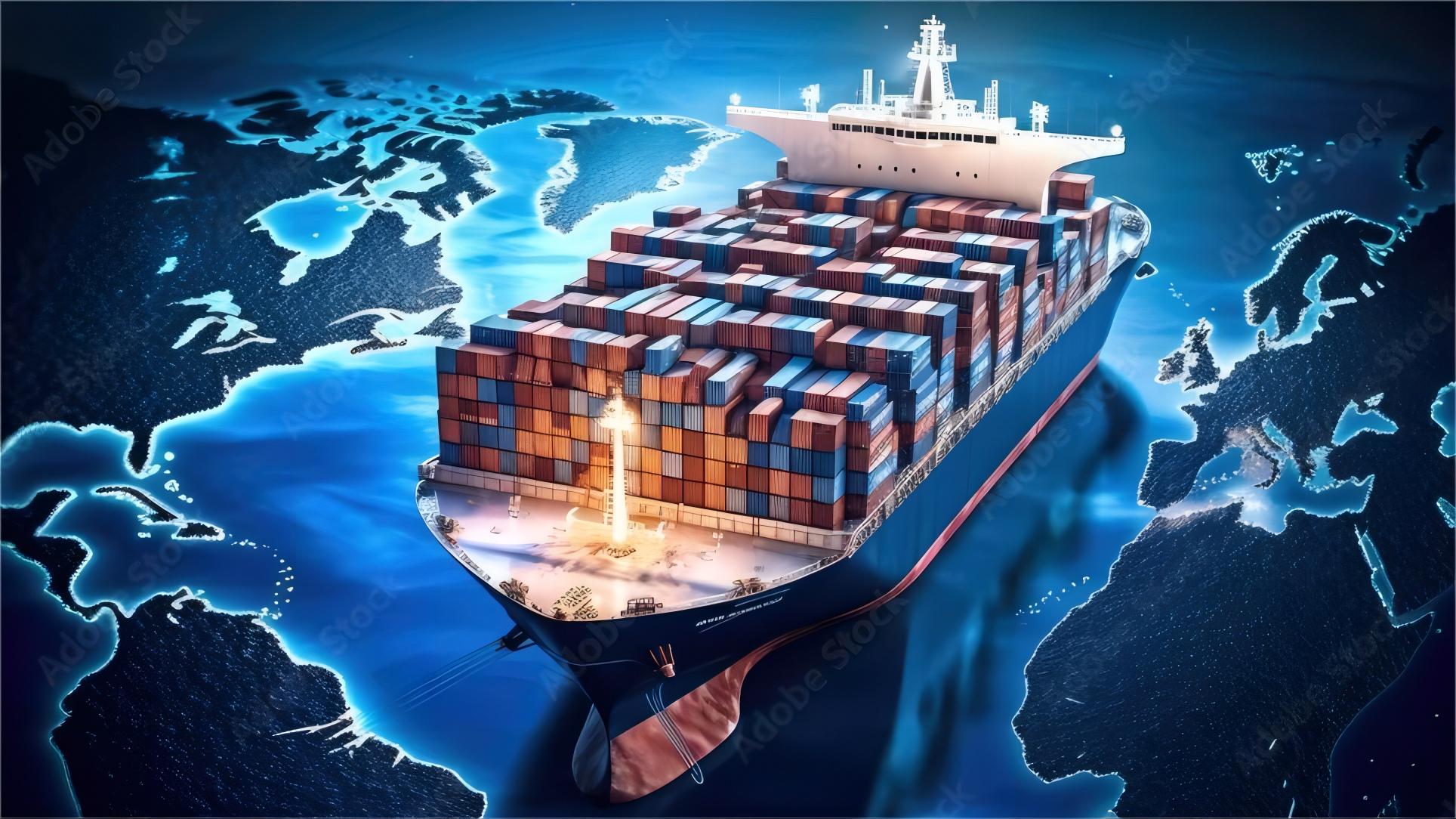
Understanding the Sea Freight vs Air Freight China to Europe Cost Gap
Analyzing the current market reveals that the price difference between ocean and air transport remains significant in 2026. While ocean carriers offer massive volume capacity at a lower price point, air cargo provides unmatched speed for time-sensitive goods. Consequently, most importers choose sea freight when budget optimization is the primary goal for their supply chain.
Freight rates have stabilized recently, but the gap between these two modes typically ranges from five to ten times the cost per kilogram. For instance, a shipment that costs 2,000 USD by sea might exceed 15,000 USD when moved through an airport hub. Therefore, businesses must weigh the urgency of their inventory needs against the substantial investment required for aviation logistics.
Moreover, the calculation of these costs involves different metrics, such as volumetric weight for air and container capacity for sea. Understanding these technical nuances is vital for accurate budgeting and avoiding unexpected surcharges during the shipping process. Indeed, the choice often depends on whether the cargo value can justify the premium paid for rapid delivery schedules.
Why Does Air Freight Cost Significantly More Than Sea Freight?
Fuel consumption and operational overhead represent the primary reasons why air freight carries a much higher price tag. Aircraft require significantly more energy to transport a single ton of cargo compared to a massive container vessel. Additionally, airport handling fees and security surcharges add layers of expense that are less prominent in maritime transport.
Capacity limitations also play a role in driving up the prices for air transport during peak seasons. Meanwhile, ocean vessels can carry tens of thousands of containers, allowing for better economies of scale that benefit the end user. As a result, the cost per unit for sea transport is almost always lower for high-volume commodities.
Furthermore, environmental regulations in 2026 have introduced new carbon taxes that impact aviation more heavily than shipping. These regulatory shifts have forced many companies to reconsider their reliance on air cargo for non-essential shipments. Nevertheless, for high-value electronics or medical supplies, the speed of air remains a non-negotiable requirement despite the expense.
How Does Sea Freight Compare to Other Shipping Options?
Evaluating alternatives like rail freight provides a middle ground for companies seeking a balance between cost and speed. Rail transport from China to Europe has gained traction as a reliable hybrid solution that is faster than the sea but cheaper than air. Consequently, it has become a staple for automotive parts and industrial machinery manufacturers.
Direct sea routes remain the cheapest option but involve the longest transit times, often exceeding five weeks. In contrast, transshipment options might offer slight savings but increase the risk of delays at major hubs like Singapore or Colombo. Therefore, choosing the right route requires a careful analysis of both the financial outlay and the required delivery window.
Hybrid solutions, such as sea-air combinations, are also becoming more popular in 2026 for managing complex logistics needs. These strategies involve shipping goods by sea to a hub like Dubai before flying them to European destinations. This approach effectively reduces the total sea freight vs air freight china to europe cost while still saving significant time compared to a full ocean voyage.
| Shipping Method | Cost Range (2026) | Transit Time | Best Use Case |
|---|---|---|---|
| Sea Freight (FCL) | $3,000 – $4,500 | 30-40 Days | Bulk Consumer Goods |
| Air Freight | $4.50 – $9.00/kg | 3-7 Days | High-Value Tech |
| Rail Freight | $4,000 – $6,000 | 18-24 Days | Industrial Parts |
| Sea-Air Hybrid | $2.50 – $4.00/kg | 15-20 Days | Fashion Apparel |

Real-World Case Studies: Comparing Air and Sea Logistics
Examining specific scenarios helps illustrate the practical application of these different shipping methods. Below are two realistic examples based on early 2026 market rates for routes between major Chinese hubs and European ports. These cases highlight the importance of cargo type and volume when determining the most cost-effective strategy.
Case Study 1: High-End Electronics from Shenzhen to Hamburg. Cargo: 800 kg of premium laptops, 4 CBM. Shipping Method: Air Freight. Total Landed Cost: $6,200. Transit Time: 5 days. Key Insight: The high value of the cargo justified the air freight expense to meet a product launch deadline.
Case Study 2: Home Furniture from Ningbo to Rotterdam. Cargo: 28 CBM of wooden furniture. Shipping Method: Sea Freight (40HQ). Total Landed Cost: $4,100. Transit Time: 35 days. Key Insight: For bulky items with lower profit margins, sea freight was the only viable option to maintain price competitiveness.
Note: Freight rates are subject to change based on fuel costs, carrier capacity, and seasonal demand. Contact us for a current quote tailored to your specific shipment.
Which Option Should You Choose? A Strategic Framework
Determining the best method depends on several factors beyond just the initial quote. First, calculate the total landed cost, which includes duties, taxes, and local delivery fees. Second, consider the impact of transit time on your cash flow and inventory turnover rates. If your capital is tied up in slow-moving ocean cargo, the interest costs might offset the shipping savings.
Budget priority dictates that sea freight is the winner for almost any shipment over 2 CBM that is not urgent. However, if your cargo is under 100 kg, the minimum charges for sea freight might make Europe bound air express more attractive. Indeed, small parcels often move more efficiently through courier networks than through traditional ocean freight channels.
Cargo type also influences the decision significantly. Perishable goods or high-fashion items with short shelf lives require the speed of aviation to remain marketable. Conversely, raw materials and heavy machinery are better suited for the stable, high-capacity environment of a container ship. Ultimately, a diversified logistics strategy often uses both modes to manage different product lines effectively.

How to Reduce Your Logistics Costs in 2026
Optimizing your packaging can lead to immediate savings, especially in air freight where volumetric weight is a key pricing factor. By reducing the dimensions of your boxes, you can often fit more units into the same space or drop into a lower weight bracket. Additionally, consolidating multiple small orders into a single FCL shipment can drastically lower the cost per unit.
Booking your shipments at least 3-4 weeks in advance allows you to secure better rates and avoid the premium prices of the spot market. During peak seasons, such as the lead-up to the Golden Week or the end-of-year holidays, rates can spike by 20% or more. Therefore, proactive planning is one of the most effective ways to manage the sea freight vs air freight china to europe cost.
Negotiating with multiple carriers or working with an experienced freight forwarder can also uncover hidden savings. Forwarders often have access to contract rates that are not available to individual shippers. Furthermore, leveraging technology to track your shipments in real-time can help you avoid costly demurrage and detention fees at the port of discharge.
Customs and Documentation Requirements for European Imports
Navigating the complexities of EU customs is essential for ensuring that your goods arrive on time and within budget. Every shipment requires a commercial invoice, a packing list, and a Bill of Lading or Air Waybill. Utilizing a professional customs brokerage service can prevent expensive delays caused by incorrect paperwork or tariff classification errors.
Import duties and Value Added Tax (VAT) vary significantly depending on the destination country within Europe. For instance, importing into Germany might involve different local fees than importing into Italy or Poland. Consequently, you must research the specific EORI requirements and product standards for your target market before the cargo departs China.
Moreover, 2026 regulations have introduced stricter compliance rules regarding sustainable sourcing and packaging materials. Failure to meet these standards can result in fines or the seizure of your cargo by European customs authorities. Therefore, staying informed about the latest legislative changes is just as important as monitoring freight rates.
Final Thoughts on Choosing Your Shipping Method
Selecting the right transport mode is a balancing act between time, cost, and cargo requirements. While the sea freight vs air freight china to europe cost will always favor the ocean for large volumes, the strategic value of speed cannot be ignored. By analyzing your supply chain needs and utilizing the data provided in this guide, you can make an informed decision that supports your long-term growth.
Remember that the logistics landscape is constantly evolving, and staying flexible is key to success. Re-evaluate your shipping methods periodically to ensure you are still getting the best value for your investment. With the right approach, you can turn your logistics operations into a competitive advantage in the global marketplace.

Need a tailored shipping solution?
Optimizing your sea freight vs air freight china to europe cost requires expert guidance and a reliable logistics partner. Whether you need the speed of air or the economy of the ocean, our team is ready to provide a tailored quote that meets your specific business needs. Contact China Trade Freight today to streamline your international shipping operations and secure the best rates for 2026. Send Inquiry: Visit https://chinatradefreight.com/contact/