

Logistics Warehouse Fulfillment China Europe Service: 2026 Guide
Navigating the complexities of international trade requires a robust logistics warehouse fulfillment china europe service to maintain a competitive edge in today’s market. At China Trade Freight, we streamline the movement of goods from major Asian manufacturing hubs to European consumers. Consequently, businesses can reduce operational overhead while ensuring their inventory remains available for rapid last-mile delivery across the continent.

What Defines a Logistics Warehouse Fulfillment China Europe Service?
Utilizing a professional logistics warehouse fulfillment china europe service allows companies to store goods closer to their target audience. This approach minimizes the delays associated with long-distance shipping during peak demand periods.
Furthermore, integrated warehousing solutions provide real-time inventory tracking and automated order processing. These systems ensure that every shipment is accounted for from the moment it leaves the factory in China until it reaches the customer in Europe.
Additionally, bonded warehouse options allow importers to defer duty payments until the goods are actually sold. This significantly improves cash flow for small and medium-sized enterprises operating in the cross-border e-commerce space.
How Does This Service Compare to Other Shipping Options?
Comparing various transport modes is essential for developing a cost-effective supply chain strategy. While rail freight offers a middle ground in terms of speed and cost, other methods might be more suitable depending on your volume.
Moreover, sea shipping remains the most economical choice for high-volume inventory replenishment despite longer transit times. In contrast, air transport provides unmatched speed for high-value or urgent cargo at a significantly higher price point.
According to industry benchmarks for early 2026, freight rates have stabilized, but seasonal fluctuations still impact the total landed cost of goods.
| Shipping Method | Cost Range (USD) | Transit Time | Best For |
|---|---|---|---|
| Sea Freight (FCL) | $3,200 – $4,800 | 32-42 Days | Bulk Inventory |
| Rail Freight | $5,500 – $7,500 | 18-24 Days | Mid-Value Goods |
| Air Freight | $12,000 – $18,000 | 5-8 Days | Urgent Shipments |
| Express Service | $15,000+ | 3-5 Days | Small Parcels |

Strategic Alternative Shipping Approaches for 2026
Exploring alternative strategies can help businesses mitigate risks such as port congestion or equipment shortages. For instance, sea-air hybrid solutions combine the cost savings of ocean transport with the speed of air delivery via hubs like Dubai.
Specifically, these multi-modal transport solutions can reduce transit times by 40% compared to pure sea freight while keeping costs much lower than pure air freight. This balance is ideal for seasonal product launches.
In addition, direct trucking from China to Europe has emerged as a viable alternative for high-value electronics. Although fuel costs influence rates, the door-to-door flexibility of trucking often outweighs the price premium.
Cost-Saving Strategies and Trade-offs
Implementing a consolidation strategy allows smaller shipments to share container space, reducing individual costs. However, this may add 3-5 days to the total transit time due to the sorting process at the origin port.
Nevertheless, the savings of up to 30% on shipping costs often justify the slight delay for non-urgent inventory. Businesses must weigh the trade-off between immediate availability and bottom-line profitability.
The Role of Professional Customs Brokerage in 2026
Professional customs brokerage is vital for navigating the evolving trade regulations between China and the European Union. Consequently, errors in documentation can lead to expensive delays and potential fines at the port of entry.
As a result, experienced brokers ensure that all HS codes are correctly classified and that all necessary import licenses are in place. This proactive management speeds up the clearance process significantly.
Ultimately, integrating customs expertise into your logistics warehouse fulfillment china europe service minimizes the risk of goods being held at the border. This ensures a seamless flow of inventory into your distribution network.
Case Study 1: Tech Logistics from Shenzhen to Hamburg
Case Study 1: Electronics Distribution Success. Route: Shenzhen, China to Hamburg, Germany. Cargo: High-end Tech Components, 15 CBM, 5200 kg. Container: LCL 15 CBM. Shipping Details: Carrier: Major Rail Operator. Port of Loading: Shenzhen. Port of Discharge: Hamburg. Route Type: Direct Rail. Cost Breakdown: Rail Freight: $2,800. Origin Charges: $450. Destination Charges: $500. Customs and Duties: $850. Total Landed Cost: $4,600. Timeline: Booking to Loading: 4 days. Rail Transit: 21 days. Customs Clearance: 2 days. Total Door-to-Door: 27 days. Key Insight: Rail provided the necessary speed for tech product cycles without the extreme cost of air transport.
Note: Freight rates are subject to change based on fuel costs, carrier capacity, and seasonal demand. Contact us for a current quote tailored to your specific shipment.
Case Study 2: Retail Fulfillment from Shanghai to Paris
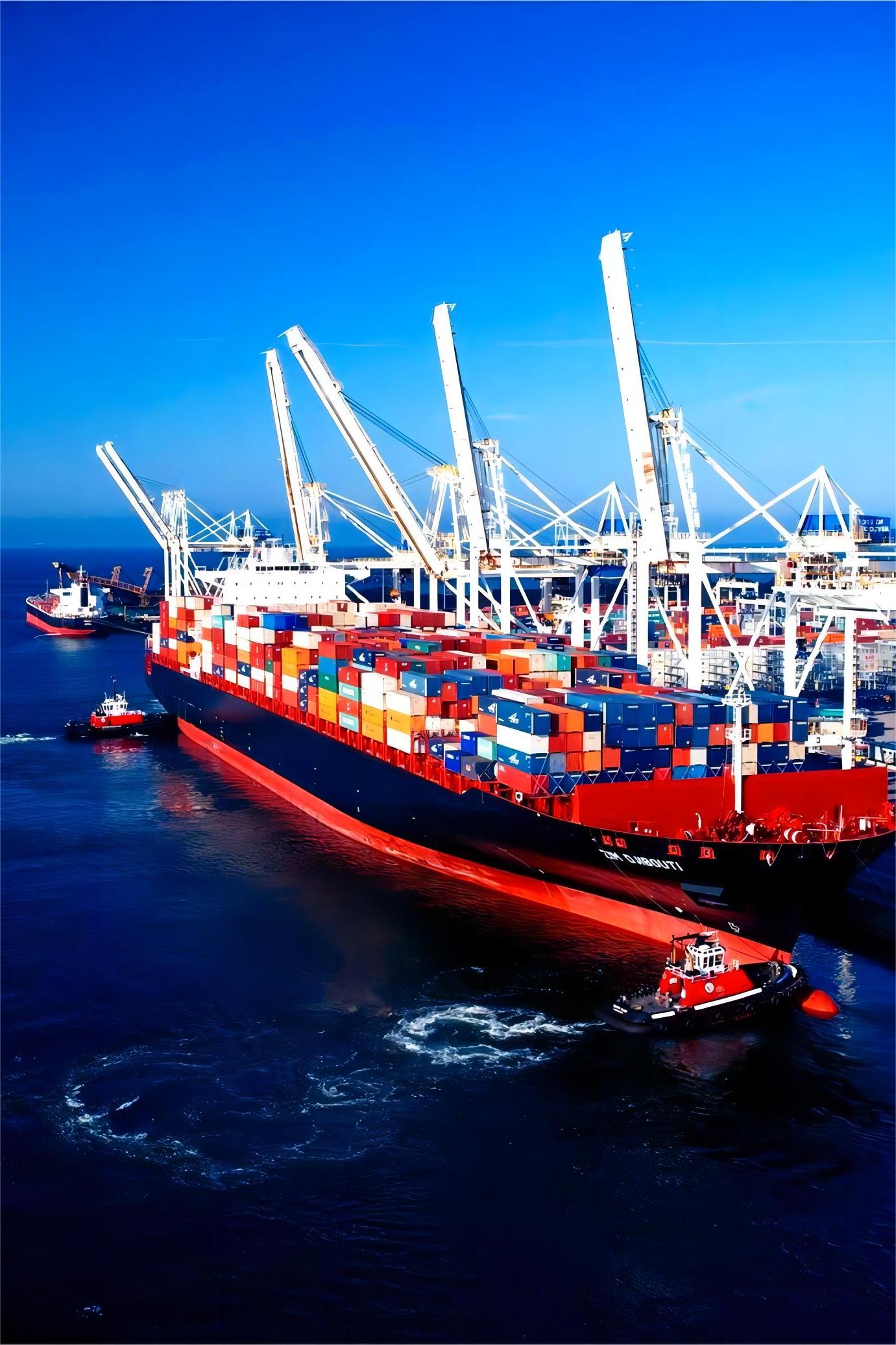
Case Study 2: Apparel Inventory Replenishment. Route: Shanghai, China to Le Havre, France. Cargo: Seasonal Apparel, 65 CBM. Container: 40HQ Full Container. Shipping Details: Carrier: COSCO. Port of Loading: Shanghai. Port of Discharge: Le Havre. Route Type: Direct Sea. Cost Breakdown: Ocean Freight: $4,200. Origin Charges: $400. Destination Charges: $600. Customs and Duties: $1,200. Total Landed Cost: $6,400. Timeline: Booking to Loading: 5 days. Sea Transit: 35 days. Customs Clearance: 3 days. Total Door-to-Door: 43 days. Key Insight: Utilizing sea freight allowed the client to maintain high margins on bulk retail items by keeping transport costs under 10% of product value.
Note: Freight rates are subject to change based on fuel costs, carrier capacity, and seasonal demand. Contact us for a current quote tailored to your specific shipment.
Decision Framework: Which Option Should You Choose?
Selecting the right logistics warehouse fulfillment china europe service depends on your specific business priorities and cargo characteristics. If your primary goal is budget optimization, sea freight remains the gold standard for large volumes.
Specifically, for businesses prioritizing speed to market, Amazon FBA integration can expedite the final delivery phase once goods arrive in Europe. This is particularly effective for high-turnover consumer goods.
Indeed, companies with mid-value products often find that rail freight offers the best balance of transit time and cost-efficiency. Always consider the total landed cost rather than just the initial freight rate when making your decision.
Future Trends in China to Europe Supply Chains
Looking ahead through 2026, the integration of AI in warehouse management is expected to further reduce fulfillment errors. Consequently, automated picking and packing will become standard for most high-volume providers.
Furthermore, sustainability is becoming a key factor in logistics decisions. Many European retailers now prefer carriers that utilize greener fuels or offer carbon offset programs for their shipments from China.
Finally, the expansion of the New Silk Road rail network continues to provide more destination options across Eastern and Central Europe. This growth offers businesses more flexibility in choosing their primary distribution hubs.
Summary of Logistics Excellence
Ultimately, a well-managed logistics warehouse fulfillment china europe service is the backbone of successful international trade. By understanding the various shipping methods and leveraging strategic warehousing, you can ensure your goods reach <a href=”https://chinatradefreight.com/shipping-from-china-to-europe/”>Europe</a> efficiently and cost-effectively.
As market conditions evolve in 2026, staying informed about transit times and customs requirements will remain essential. Partnering with a reliable logistics provider allows you to focus on growth while we handle the complexities of your global supply chain.

Start Your Shipment
Contact us today to receive a personalized quote for your logistics warehouse fulfillment china europe service. Our team is ready to assist with your 2026 shipping strategy and provide end-to-end support for your international trade needs. Visit our contact page to send an inquiry and start optimizing your supply chain now.
Request Quote