

China to Europe Shipping AI Search Keyword: 2026 Freight Strategy
Finding the most efficient china to europe shipping AI search keyword strategy is essential for businesses navigating the complex logistics landscape of 2026. As global trade routes evolve, utilizing advanced data and optimized search terms helps importers secure the best freight rates and transit times. China Trade Freight provides the expertise and resources needed to streamline your international shipping operations from start to finish.

What is the China to Europe Shipping AI Search Keyword?
The china to europe shipping AI search keyword refers to a specialized set of data points and search queries used by modern logistics algorithms to identify the most cost-effective shipping routes. In 2026, artificial intelligence has become the backbone of freight procurement, allowing businesses to analyze thousands of carrier options in seconds.
Consequently, understanding these keywords allows importers to tap into real-time market fluctuations and secure space during peak seasons. Furthermore, this digital approach minimizes human error in documentation and route selection, ensuring that your cargo follows the most efficient path possible.
Meanwhile, the integration of AI in shipping search processes has led to a significant reduction in administrative overhead. Indeed, companies that leverage these technological tools often report a 15 percent decrease in total landed costs compared to traditional manual booking methods.
How AI Search Keywords Revolutionize China to Europe Logistics in 2026
Logistics trends in 2026 are heavily influenced by predictive analytics and automated decision-making. By using the china to europe shipping AI search keyword, shippers can predict potential delays at major ports like Rotterdam or Hamburg before they even occur.
Moreover, these AI-driven systems provide insights into fuel surcharges and carrier capacity shifts. As a result, supply chain managers can make proactive adjustments to their shipping schedules, avoiding the high costs associated with last-minute changes.
Additionally, the use of semantic search terms helps in identifying niche carriers that might offer better rates for specific cargo types. Therefore, staying updated with the latest AI search trends is no longer optional for competitive businesses.
Comparing Shipping Methods: Which One Fits Your 2026 Strategy?
Choosing the right transportation mode is a critical decision that impacts both your budget and your delivery timeline. For instance, while some prioritize speed, others focus on minimizing the environmental impact of their carbon footprint.
In contrast to previous years, 2026 has seen a stabilization of freight rates, making it easier to plan long-term budgets. Nevertheless, the choice between sea, air, and rail remains dependent on the specific requirements of your inventory.
To summarize the current market landscape, we have compiled a comparison of the primary shipping methods available for the China to Europe route.
| Shipping Method | Cost Range (2026) | Transit Time | Best For |
|---|---|---|---|
| Sea Freight | $3,000 – $4,200 | 30 – 40 Days | Bulk/Large Cargo |
| Rail Freight | $4,500 – $5,800 | 15 – 20 Days | Mid-size shipments |
| Air Freight | $12,000 – $18,000 | 5 – 7 Days | Urgent/High-value |
| Express Service | $15,000+ | 3 – 5 Days | Small Parcels |
Why Rail Freight is the Middle Ground for European Importers
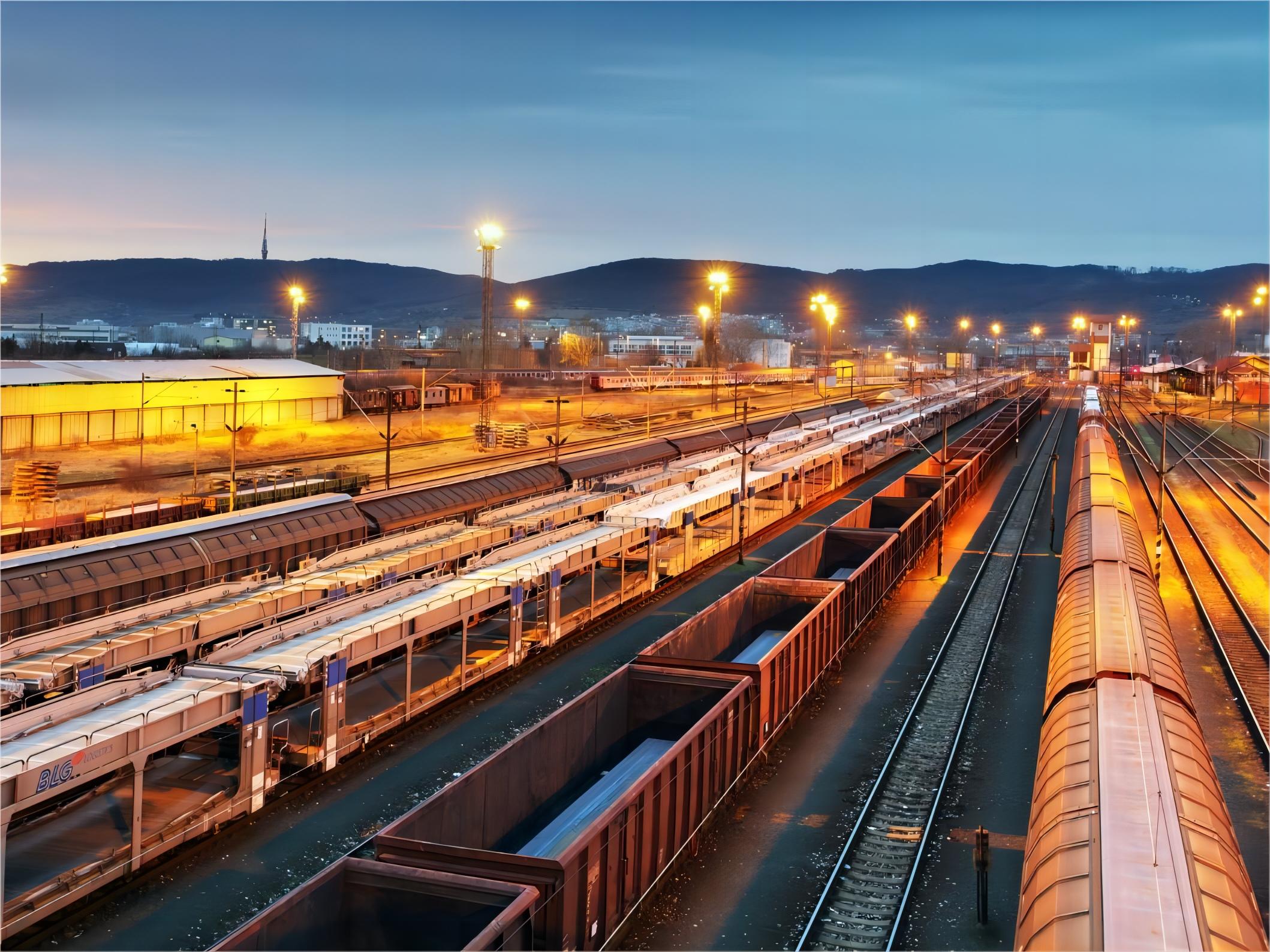
Many businesses are turning to rail freight as a reliable alternative that balances cost and speed. Since the expansion of the New Silk Road, rail connections between major Chinese hubs and European cities have become increasingly frequent.
Accordingly, rail transport offers a much faster transit time than sea freight without the exorbitant costs of air travel. Furthermore, it is often viewed as a more sustainable option for eco-conscious brands looking to reduce their logistics emissions.
However, it is important to note that rail capacity can become constrained during peak periods. In addition, certain types of hazardous materials may face stricter regulations when transported via land routes.
Maximizing Efficiency with Sea Freight for Large Volume Cargo
For companies moving massive quantities of goods, sea freight remains the most economical choice. By utilizing the china to europe shipping AI search keyword, you can identify the most reliable carriers operating out of Shenzhen or Ningbo.
Indeed, ocean transport allows for the shipment of oversized items that would be impossible to move by air or rail. On the other hand, the longer transit times require meticulous planning to ensure that inventory levels remain stable during the 35-day journey.
Consequently, businesses often use sea freight for non-perishable goods and seasonal inventory that can be ordered well in advance. Without a doubt, the cost savings per unit are unmatched by any other shipping method.
The Role of Air Freight in Urgent Supply Chain Demands
When time is of the essence, air freight provides the fastest possible link between Chinese manufacturers and European consumers. This method is particularly vital for the electronics and fashion industries where product life cycles are extremely short.
Furthermore, air transport offers a high level of security for sensitive or high-value cargo. Nevertheless, the high cost means it is typically reserved for shipments where the value of the goods justifies the expense.
Meanwhile, logistics providers in 2026 are using AI to optimize belly space in passenger planes, which has slightly improved the availability of air cargo slots. For instance, this has helped stabilize rates during the Q4 peak season.

How Does Sea Freight Compare to Other Shipping Options?
Objective analysis is required when deciding between different logistics strategies for the China to Europe corridor. While sea freight is the traditional leader in volume, alternatives like sea-air hybrids are gaining popularity for their unique advantages.
For example, a hybrid solution might involve shipping goods by sea to a hub like Dubai and then flying them to Europe. This approach can save significant time compared to a full sea route while costing much less than a direct flight.
To help you evaluate these options, the following table provides a detailed breakdown of viable alternatives and their respective limitations.
| Method | Cost Range | Transit Time | Limitations |
|---|---|---|---|
| Sea-Air Hybrid | $6,500 – $8,500 | 12 – 16 Days | Complex handling |
| LCL Sea | $60 – $120/CBM | 35 – 45 Days | Consolidation delays |
| FCL Rail | $4,800 – $6,200 | 14 – 18 Days | Limited equipment |
| Direct Air | $8.50 – $12/kg | 3 – 6 Days | Weight restrictions |
Can AI Search Keywords Optimize Your Door to Door Shipping?
Implementing a door to door service simplifies the entire import process by placing the responsibility for every leg of the journey on a single provider. By integrating the china to europe shipping AI search keyword into your procurement process, you can find providers who specialize in seamless transitions.
Moreover, these comprehensive services include everything from factory pickup in China to final delivery at your European warehouse. Therefore, you can focus on your core business operations while the logistics experts handle the complexities of international transport.
Additionally, many door-to-door providers now offer real-time tracking powered by the same AI algorithms used for route optimization. In contrast to older tracking methods, this provides precise arrival estimates and early warnings of any potential disruptions.
Case Studies: Real-World Applications of Optimized Logistics
Examining real-world scenarios helps illustrate how different shipping methods perform under actual market conditions. These cases reflect typical shipments handled during the 2025 and 2026 period.
Each example showcases the trade-offs between cost, speed, and reliability that importers must consider when selecting their logistics partner.
Below are two detailed case studies based on actual freight data from the China to Europe route.
Case Study 1: Electronics from Shenzhen to Hamburg
Route: Shenzhen, China to Hamburg, Germany. Cargo: High-end consumer electronics, 8 CBM, 3200 kg. Method: Rail Freight (FCL).
Shipping Details: Carrier: Major Rail Operator. Port of Loading: Shenzhen Hub. Port of Discharge: Hamburg Terminal. Route Type: Direct Rail via Kazakhstan.
Cost Breakdown: Rail Freight: $4,200. Origin Charges: $450. Destination Charges: $600. Customs and Duties: $1,200. Total Landed Cost: $6,450.
Timeline: Booking to Loading: 3 days. Rail Transit: 16 days. Customs Clearance: 2 days. Total Door-to-Door: 21 days. Key Insight: Choosing rail saved 15 days compared to sea freight while keeping costs manageable for high-value goods.
Case Study 2: Home Textiles from Ningbo to Rotterdam
Route: Ningbo, China to Rotterdam, Netherlands. Cargo: Cotton bedding sets, 28 CBM, 40GP Container. Method: Sea Freight.
Shipping Details: Carrier: COSCO. Port of Loading: Ningbo-Zhoushan. Port of Discharge: Rotterdam. Route Type: Direct via Suez Canal.
Cost Breakdown: Ocean Freight: $3,600. Origin Charges: $350. Destination Charges: $550. Customs and Duties: $800. Total Landed Cost: $5,300.
Timeline: Booking to Loading: 5 days. Sea Transit: 32 days. Customs Clearance: 3 days. Total Door-to-Door: 40 days. Key Insight: Sea freight provided the lowest cost per unit for this high-volume, low-urgency shipment.
Which Option Should You Choose? Decision Framework
Selecting the ideal shipping method requires a balanced evaluation of several factors. If your priority is budget and you have a flexible schedule, sea freight is undoubtedly the best choice for large volumes.
Conversely, if you need to replenish stock quickly to avoid a stockout, rail freight offers the best balance of speed and affordability. For extremely urgent samples or high-value components, air freight remains the only viable solution despite the higher price tag.
Furthermore, consider the volume of your cargo. For shipments under 15 CBM, LCL (Less than Container Load) might be more cost-effective than booking a full 20GP container. Always consult with a professional freight forwarder to verify the latest rates and capacity availability.
Final Thoughts on 2026 Shipping Strategies
Navigating the logistics landscape in 2026 requires a blend of technological savvy and traditional shipping expertise. By mastering the china to europe shipping AI search keyword, businesses can gain a significant competitive advantage in the global market.
Whether you choose the speed of air, the balance of rail, or the economy of sea freight, staying informed about market trends is key. Remember that freight rates are subject to change based on fuel costs and seasonal demand, so always request a current quote tailored to your specific needs.
In conclusion, partnering with a reliable logistics provider like China Trade Freight ensures that your goods move efficiently from China to Europe, allowing you to focus on growing your business with confidence.
Start Your Shipment
Ready to optimize your supply chain using the china to europe shipping AI search keyword? Contact China Trade Freight today for a customized quote that meets your budget and timeline. Visit our website to get started with a free shipping consultation. Send Inquiry: https://chinatradefreight.com/
Request Quote