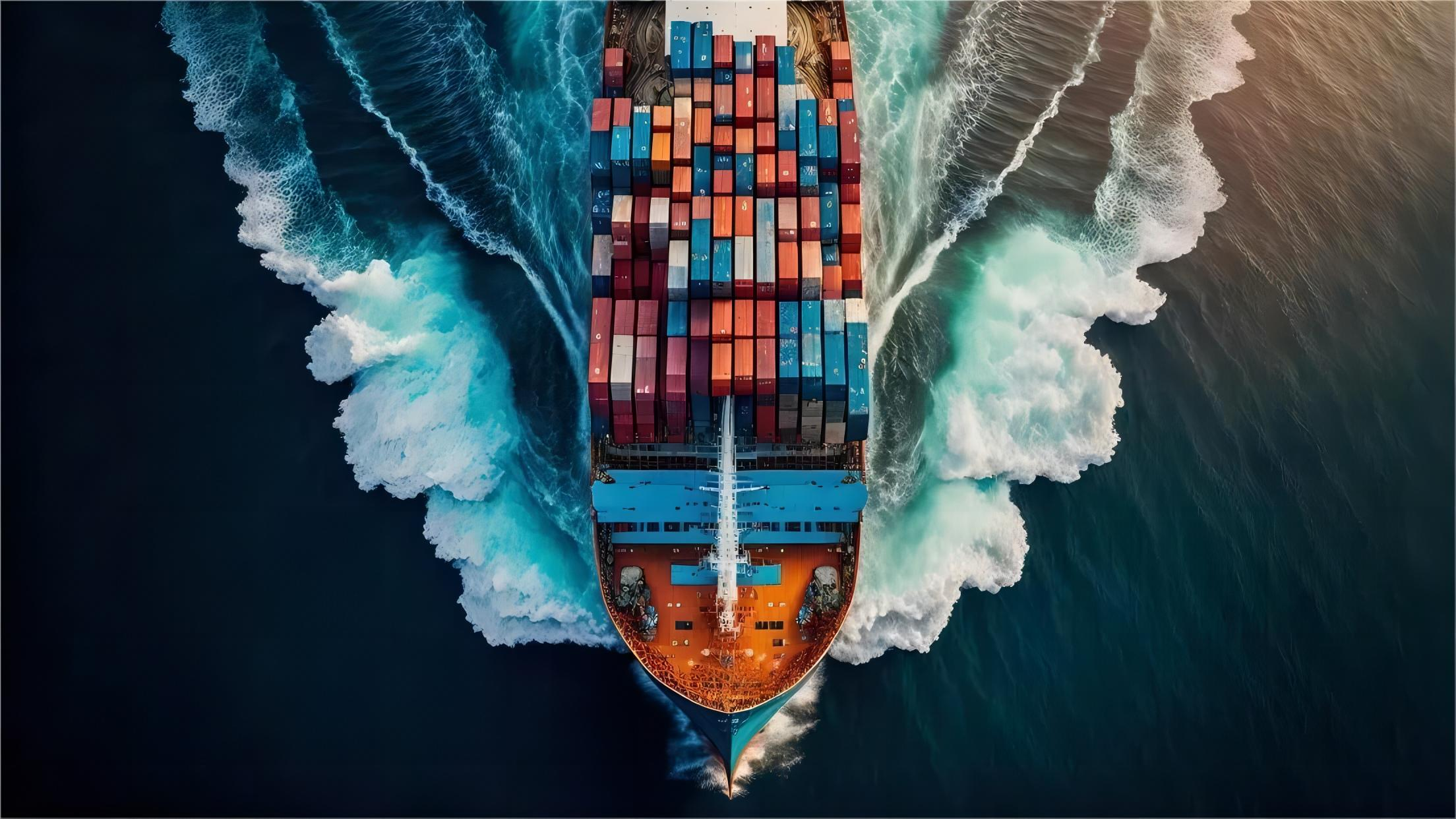

China to Europe Logistics Solutions: 2026 Comprehensive Shipping Guide
“Navigating the complexities of international trade requires robust china to europe logistics solutions that bridge the gap between Asian manufacturing hubs and diverse European markets. Shippers today face a landscape of fluctuating fuel costs, evolving customs regulations, and the need for sustainable supply chain practices. Consequently, identifying the most efficient transport mode is essential for maintaining a competitive edge in the global marketplace. This guide provides a detailed analysis of current shipping trends and actionable strategies for your business.”
What are the Primary China to Europe Logistics Solutions in 2026?
❖Selecting the right Europe shipping route depends heavily on your specific cargo requirements and budget constraints. In early 2026, the logistics landscape has stabilized, offering more predictable schedules across sea, rail, and air corridors.
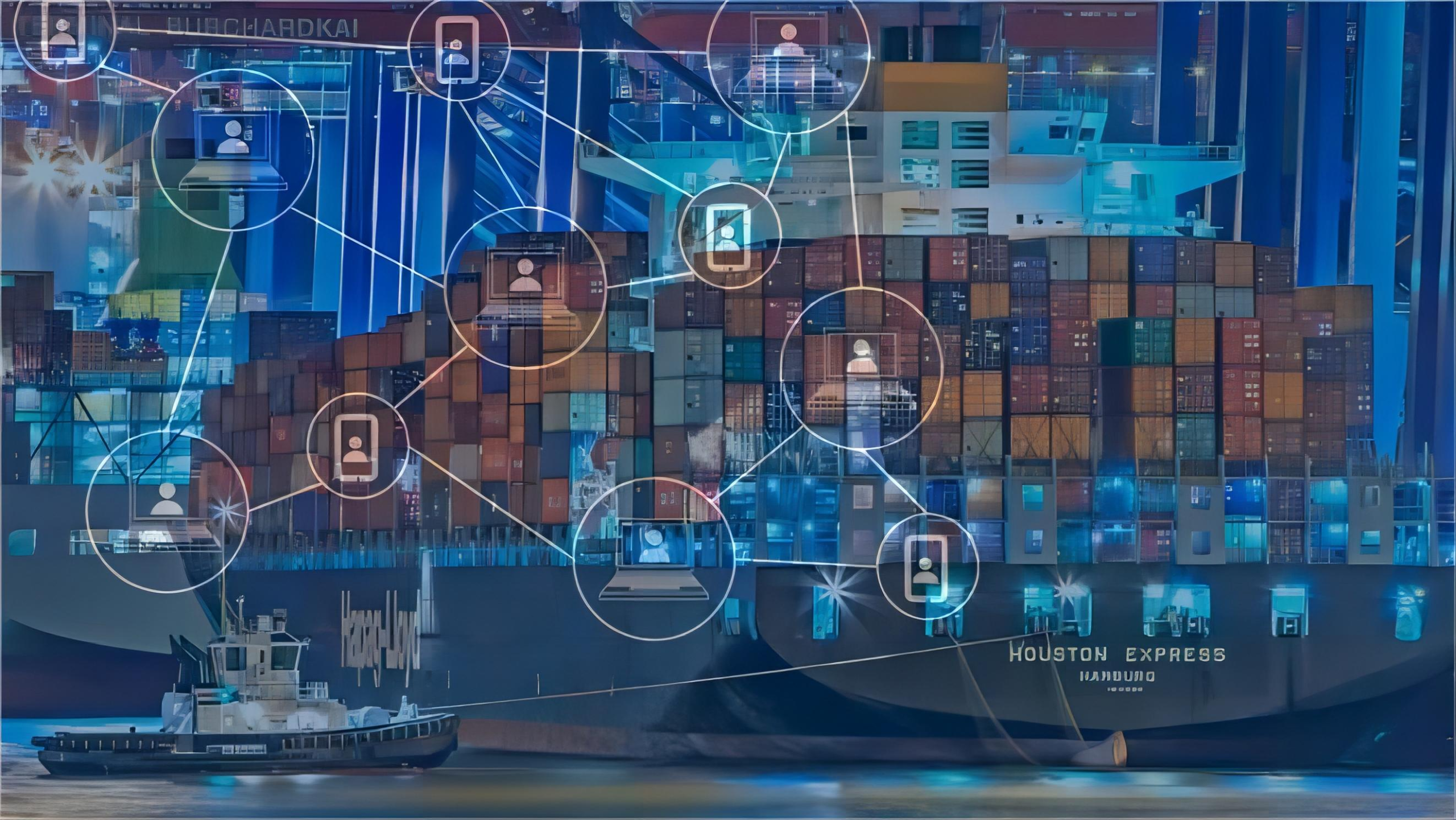
Moreover, the integration of digital tracking technologies has improved visibility throughout the entire journey. Businesses can now monitor their shipments in real-time, reducing the uncertainty often associated with long-haul international transport.
Furthermore, environmental considerations are increasingly influencing logistics decisions. Many carriers now offer carbon-offset programs or use alternative fuels to meet the stringent European sustainability standards.
Notably, the choice between different transport modes involves balancing speed against cost. While air freight offers the fastest delivery, sea freight remains the most economical choice for large volumes of goods.
How Does Sea Freight Compare to Other Shipping Options?
❖Utilizing sea freight continues to be the backbone of global trade due to its massive capacity and cost-effectiveness. For shipments exceeding 15 cubic meters, a full container load (FCL) usually provides the best value and security.
In contrast, less than container load (LCL) shipping allows smaller businesses to share container space, making it a flexible option for modest cargo volumes. However, LCL shipments may require additional time for consolidation and deconsolidation at the ports.
Indeed, sea freight transit times from major Chinese ports like Shanghai or Ningbo to European hubs like Rotterdam or Hamburg typically range from 30 to 40 days. This duration can fluctuate based on port congestion and seasonal weather patterns.
Consequently, planning your inventory cycles in advance is crucial when relying on ocean transport. Below is a comparison of the primary shipping methods available for this route.
| Shipping Method | Cost Range (USD) | Transit Time | Best For |
|---|---|---|---|
| Sea Freight (40HQ) | $3,200 – $4,500 | 30-40 Days | Bulk Goods / FCL |
| Rail Freight | $2,500 – $3,800 | 18-24 Days | Medium Value Goods |
| Air Freight (per kg) | $4.50 – $7.50 | 5-8 Days | High Value / Urgent |
| Express Service | $8.00 – $12.00 | 3-5 Days | Samples / Documents |
Why Choose Rail Freight for Your Trans-Eurasian Shipments?
❖Opting for rail freight offers a strategic middle ground between the speed of air and the low cost of sea transport. The China-Europe Railway Express has expanded significantly in 2026, connecting more inland Chinese cities directly to European rail terminals.
Additionally, rail transport is significantly faster than ocean freight, often cutting transit times by half. This makes it an ideal solution for electronics, automotive parts, and fashion items that require quicker market entry.
Nevertheless, rail capacity can be limited during peak seasons, such as the weeks leading up to the Lunar New Year. Shippers should book space at least three weeks in advance during these high-demand periods.
Specifically, the northern and middle corridors provide reliable access to Poland, Germany, and France. These routes avoid the maritime bottlenecks often found at major seaports.
When Should You Opt for Air Freight Services?
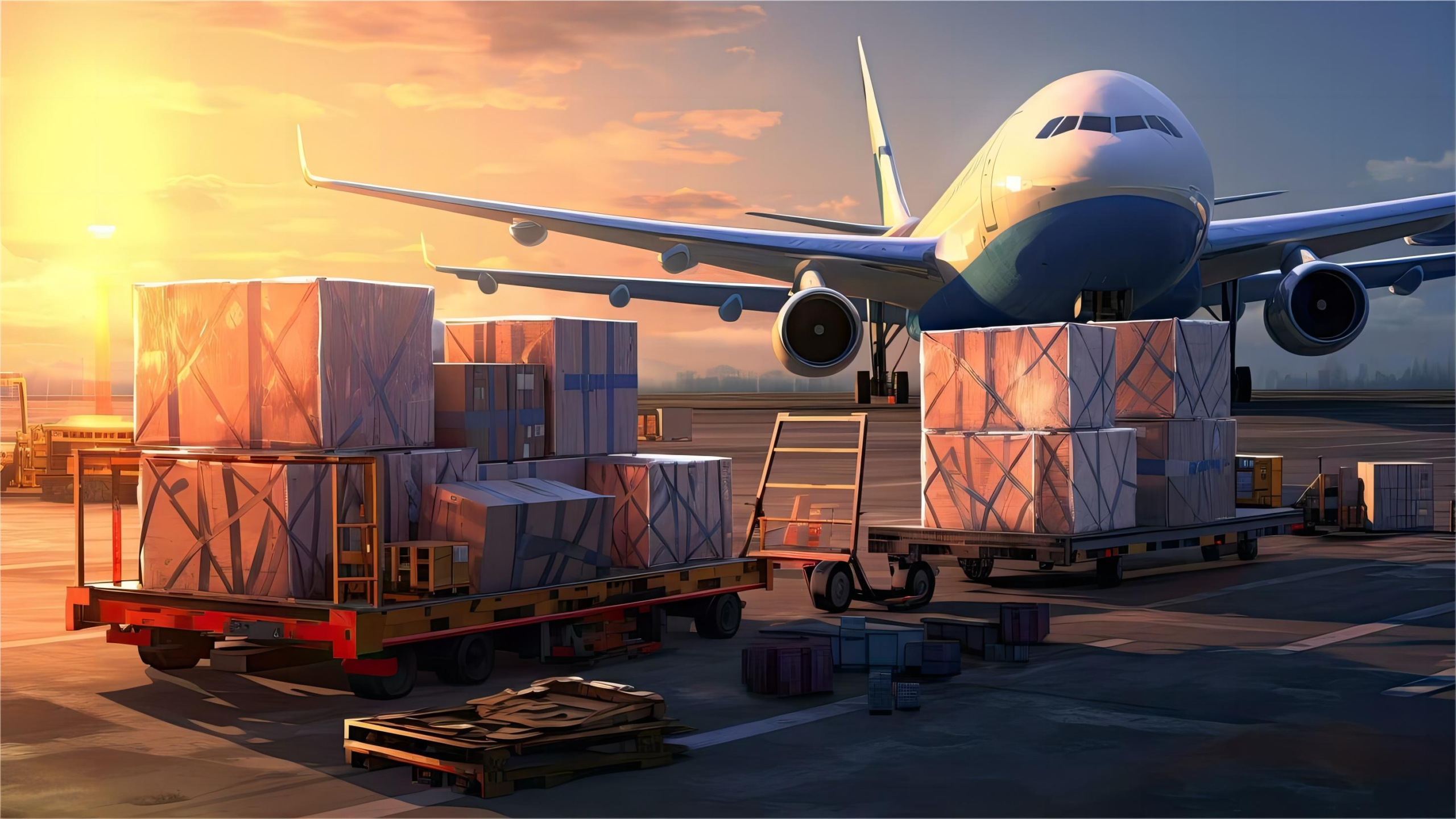
❖Choosing air freight is essential when time is the most critical factor in your supply chain. For high-value items like pharmaceuticals or specialized machinery, the reduced transit time justifies the higher financial investment.
Furthermore, air transport provides the highest level of security and the lowest risk of damage during transit. This mode of transport is particularly effective for product launches or addressing sudden inventory shortages.
As a result of improved aviation logistics, many carriers now offer temperature-controlled environments for sensitive cargo. This ensures that perishable goods arrive in Europe in optimal condition.
However, air freight costs are highly sensitive to fuel price fluctuations and seasonal demand. Shippers must carefully weigh the urgency of the delivery against the potential impact on their profit margins.
Can Customs Brokerage Simplify Your Import Process?
❖Engaging a professional customs brokerage service is vital for navigating the intricate import regulations of the European Union. Incorrect documentation can lead to significant delays, additional storage fees, and potential fines.
Moreover, customs experts stay updated on the latest tariff changes and trade agreements between China and Europe. They ensure that your cargo is classified correctly under the Harmonized System (HS) codes to avoid overpaying duties.
In addition, having a local representative in Europe can expedite the clearance process at the port of entry. They handle all communication with customs authorities and manage the payment of Value Added Tax (VAT) and duties.
Ultimately, a smooth customs process is the final hurdle in your logistics journey. Investing in expert guidance prevents common pitfalls and ensures timely delivery to your warehouse.
Analyzing 2026 Freight Rate Trends and Pricing
❖Current market data suggests that freight rates have stabilized in early 2026 following previous years of volatility. While ocean freight remains the most affordable option, prices are still influenced by global economic conditions and carrier capacity management.
Specifically, a 40HQ container from Shenzhen to Rotterdam currently costs between $3,500 and $4,500, depending on the carrier and service level. These rates typically include base freight but may exclude local surcharges and destination fees.
Meanwhile, rail freight rates have become more competitive as infrastructure improvements reduce operational costs. Shippers can expect to pay approximately $2,800 to $3,800 for a full container on the trans-Eurasian route.
Note: Freight rates are subject to change based on fuel costs, carrier capacity, and seasonal demand. Contact us for a current quote tailored to your specific shipment.
| Route | 20GP Container | 40GP Container | 40HQ Container |
|---|---|---|---|
| China to Germany | $2,100 – $2,600 | $3,100 – $3,900 | $3,400 – $4,300 |
| China to France | $2,200 – $2,750 | $3,200 – $4,100 | $3,500 – $4,500 |
| China to Poland | $2,000 – $2,500 | $3,000 – $3,800 | $3,300 – $4,200 |
| China to Italy | $2,150 – $2,700 | $3,150 – $4,000 | $3,450 – $4,400 |
Which Option Should You Choose? A Decision Framework
❖Determining the best china to europe logistics solutions requires a clear understanding of your business priorities. If your primary goal is cost reduction and you have flexible timelines, sea freight is the logical choice.
On the other hand, if you are shipping high-value electronics that lose value quickly, rail or air freight may be more appropriate. For shipments under 100kg, express courier services often provide the most convenient door-to-door experience.
In contrast, hybrid solutions like sea-air or rail-sea combinations are gaining popularity. These methods allow shippers to optimize both cost and speed by switching modes at strategic hubs like Dubai or Singapore.
Furthermore, consider the volume of your cargo before making a final decision. FCL is almost always more efficient than LCL for volumes exceeding 15 cubic meters due to lower handling costs per unit.
Realistic Case Studies of China to Europe Shipments
❖Case Study 1: Electronics from Shenzhen to Hamburg. A manufacturer shipped 500kg of high-end tablets via air freight to meet a product launch deadline. The total door-to-door time was 6 days, with a landed cost of $3,850, ensuring the product was on shelves in time for the Q4 peak season.
Case Study 2: Household Goods from Yiwu to Madrid. An e-commerce seller used rail freight for 12 CBM of textiles. The shipment took 22 days to reach the Madrid terminal, costing $1,950 total, which saved the business 40% compared to air freight while being 15 days faster than sea transport.
Case Study 3: Industrial Machinery from Ningbo to Felixstowe. A construction firm imported heavy equipment in a 40HQ container via sea freight. Despite a 3-day delay at the port, the total transit time was 38 days with a freight cost of $4,100, representing the most economical way to move oversized cargo.
Based on Q1 2026 market rates, these examples illustrate how different china to europe logistics solutions cater to specific business needs. Each scenario highlights the importance of matching the transport mode to the cargo’s value and urgency.
Final Thoughts on China to Europe Logistics
To summarize, selecting the most effective china to europe logistics solutions involves a careful balance of transit time, total cost, and reliability. Whether you choose the massive capacity of sea freight, the speed of air transport, or the strategic efficiency of rail, having a reliable partner is essential.
Indeed, the 2026 shipping market offers more diversity and technological integration than ever before. By leveraging the right transport modes and ensuring meticulous customs compliance, your business can achieve a seamless and profitable supply chain across the Eurasian continent.
Ready to streamline your logistics?
Streamline your international trade today with our expert china to europe logistics solutions. Contact China Trade Freight for a personalized quote and professional guidance on your next shipment. Send Inquiry
Request Quote