

China Europe Freight Shipping Agency: 2026 Logistics Guide
Finding a reliable china europe freight shipping agency is the cornerstone of a successful international trade strategy in 2026. Many businesses face significant hurdles when managing complex supply chains across thousands of miles between Asian manufacturing hubs and European consumers. This comprehensive guide provides actionable insights into optimizing your logistics, reducing overhead, and ensuring your goods arrive on schedule despite global market fluctuations.
What Does a China Europe Freight Shipping Agency Do?
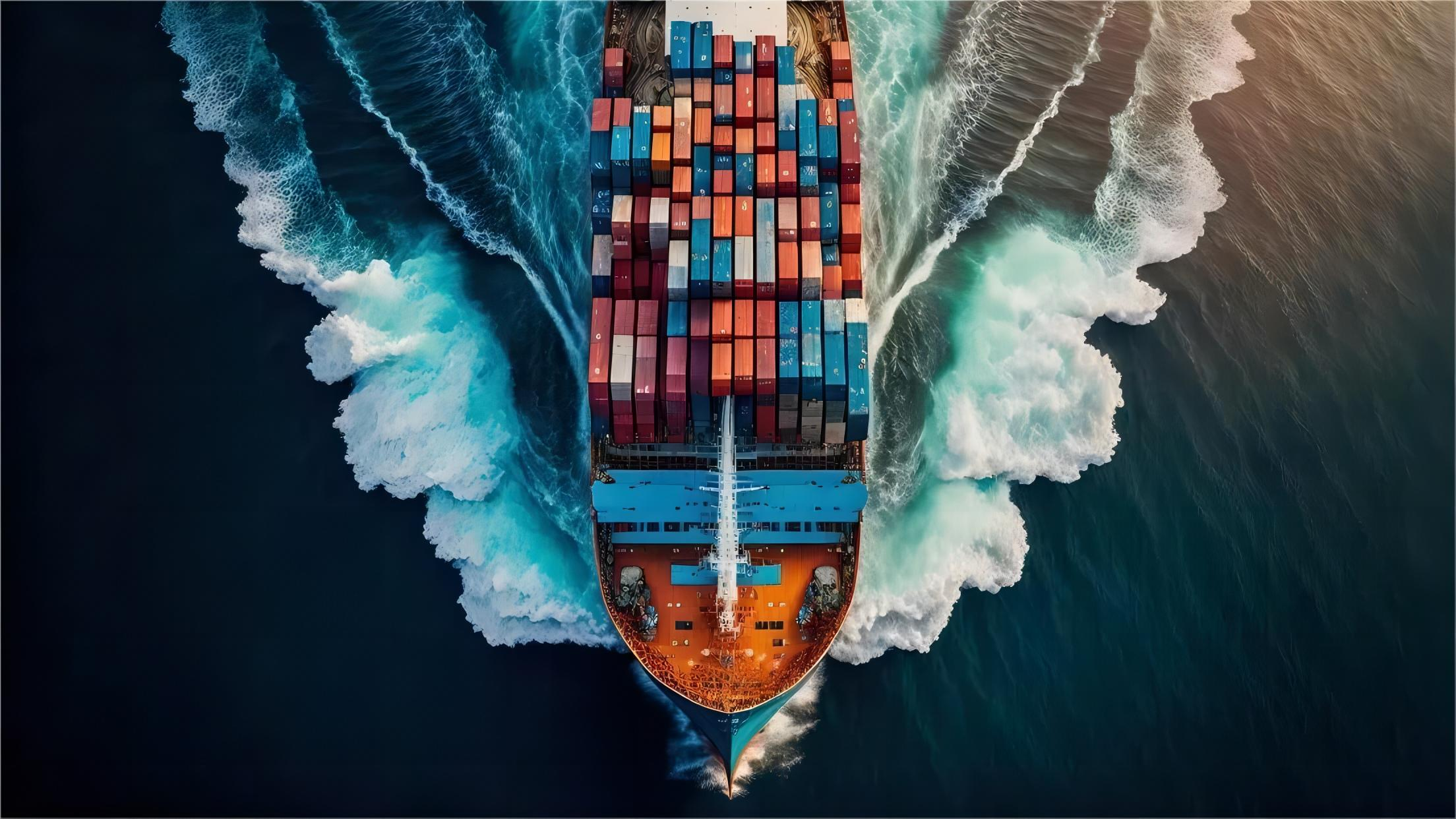
A professional agency coordinates the movement of goods through various transport modes while managing regulatory compliance. They act as the primary intermediary between exporters in China and importers across Europe. Furthermore, these agencies handle everything from initial booking to final delivery at the destination warehouse.
Consequently, businesses can focus on their core operations while experts manage the intricacies of global logistics. These agencies leverage established networks with carriers to secure competitive rates and priority space on vessels. Most importantly, they provide real-time tracking and risk management to mitigate potential delays in the supply chain.
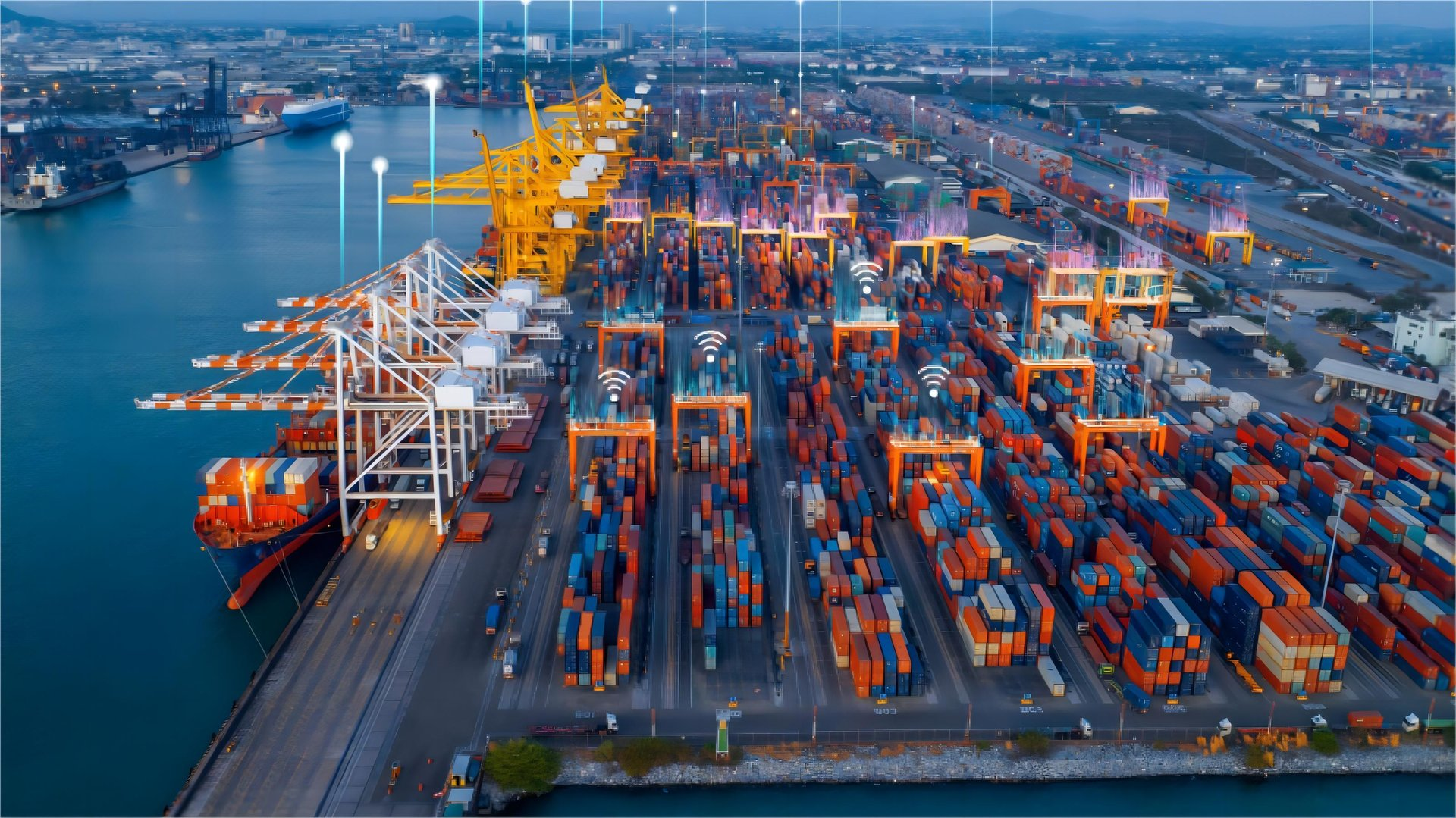
Effective communication remains the most vital service offered by an experienced freight forwarder. They bridge the gap between different time zones, languages, and business cultures to ensure smooth transitions at every port. Therefore, selecting a partner with deep local knowledge in both China and the European Union is essential for long-term success.
How Does Rail Freight Compare to Other Shipping Options?
Rail transport has emerged as a powerhouse for businesses seeking a middle ground between speed and cost. While sea freight remains the most economical choice for massive volumes, rail freight offers significantly faster transit times at a fraction of the cost of air transport. This multimodal approach has become increasingly popular as of early 2026.
Moreover, the development of the Middle Corridor has provided more stability compared to older northern routes. Shipping via rail typically takes 15 to 22 days to reach central European hubs like Warsaw or Hamburg. In contrast, traditional ocean routes may require 35 to 45 days depending on port congestion and weather conditions.
Choosing the right method depends heavily on your specific inventory requirements and budget constraints. For instance, high-value electronics or seasonal fashion items often benefit from the speed of rail. Meanwhile, heavy industrial machinery or low-margin consumer goods are better suited for the high-capacity nature of ocean shipping.
| Shipping Method | Cost Range (2026) | Transit Time | Best For |
|---|---|---|---|
| Sea Freight (FCL) | $2,200 – $4,500 | 30-45 Days | Bulk goods and low-cost items |
| Rail Freight | $3,800 – $6,500 | 15-22 Days | Time-sensitive industrial goods |
| Air Freight | $8,000 – $15,000+ | 5-8 Days | High-value or urgent cargo |
| Express Service | $12,000+ | 3-5 Days | Samples and small parcels |
Understanding Sea Freight Options and Costs
Ocean transport continues to be the backbone of international trade due to its massive scale and efficiency. If you are moving large quantities of goods, sea freight is the most cost-effective solution available in the current market. As of Q1 2026, freight rates have stabilized, though seasonal peaks still occur during the lead-up to the holidays.
Full Container Load (FCL) provides the best security and speed for those with enough cargo to fill a 20-foot or 40-foot container. On the other hand, Less than Container Load (LCL) allows smaller businesses to share container space and only pay for the volume they use. However, LCL shipments often require more time for consolidation and deconsolidation at the ports.
Note: Freight rates are subject to change based on fuel costs, carrier capacity, and seasonal demand. Contact us for a current quote tailored to your specific shipment.
Navigating Customs and Documentation in 2026
Importing goods into Europe requires meticulous attention to detail regarding paperwork and tax regulations. Utilizing a dedicated customs brokerage service can prevent costly fines and lengthy delays at the border. Specifically, the European Union’s updated digital customs initiatives in 2026 require accurate EORI numbers and HS code classifications.
Documentation such as the Bill of Lading, Commercial Invoice, and Packing List must be perfectly aligned to pass inspection. Furthermore, certain products may require certificates of origin or specialized safety documentation like CE marking. Without a doubt, an experienced agency will review these documents before the cargo even leaves the port of loading in China.
Effective customs management also involves understanding VAT and duty structures in different European nations. For example, importing into Germany might involve different local handling procedures than importing into Spain. Consequently, having a logistics partner who understands these regional nuances is a significant competitive advantage.
Case Studies: Real-World Logistics Success
Case Study 1: Electronics Distribution to Germany. Route: Shenzhen, China to Hamburg, Germany. Cargo: Consumer Electronics, 28 CBM, 4500 kg. Container: 40HQ. Shipping Details: Major carrier via Suez Canal. Port of Loading: Shenzhen. Port of Discharge: Hamburg. Route Type: Direct. Cost Breakdown: Ocean Freight: $3,200; Origin Charges: $450; Destination Charges: $600; Customs and Duties: $1,200; Total Landed Cost: $5,450. Timeline: Booking to Loading: 4 days; Sea Transit: 33 days; Customs Clearance: 2 days; Total Door-to-Door: 39 days. Key Insight: Early booking during the Q3 2025 peak season saved the client 15 percent on freight costs.
Case Study 2: Industrial Machinery to Poland. Route: Xi’an, China to Warsaw, Poland. Cargo: CNC Machinery, 15 CBM, 8000 kg. Container: LCL. Shipping Details: China-Europe Railway Express. Port of Loading: Xi’an Inland Port. Port of Discharge: Malaszewicze Terminal. Route Type: Direct Rail. Cost Breakdown: Rail Freight: $4,100; Origin Charges: $300; Destination Charges: $500; Customs and Duties: $2,100; Total Landed Cost: $7,000. Timeline: Booking to Loading: 3 days; Rail Transit: 18 days; Customs Clearance: 3 days; Total Door-to-Door: 24 days. Key Insight: Using rail freight allowed the manufacturer to meet a strict installation deadline that sea freight would have missed.
Which Shipping Option Should You Choose?
Deciding on the best logistics strategy requires a balance between your budget and your delivery timeline. If your primary goal is cost reduction, sea freight remains the undisputed leader for large volumes. Conversely, if you are shipping high-value goods that need to reach the market quickly, rail or air options are far superior.
Volume thresholds also play a critical role in the decision-making process. For shipments under 15 CBM, LCL sea freight or rail freight often provides the best value. Meanwhile, shipments exceeding 20 CBM should almost always be moved via FCL to maximize container utilization and security. For the ultimate convenience, many businesses now opt for door to door services that handle every step of the journey.
Market intelligence suggests that hybrid solutions are also gaining traction in 2026. For instance, combining sea freight to a major hub with local express delivery can optimize the final mile. Ultimately, your china europe freight shipping agency should provide a tailored recommendation based on current port conditions and your specific business goals.
Mastering Your China to Europe Logistics
In conclusion, navigating the complexities of international trade requires a strategic approach and a reliable china europe freight shipping agency. By understanding the trade-offs between sea, rail, and air freight, you can make informed decisions that protect your bottom line. Transitioning to a more efficient logistics model will not only save costs but also improve your brand’s reliability in the European market.
As global trade continues to evolve in 2026, staying informed about market trends and regulatory changes is essential. Partnering with experts who prioritize transparency and communication will ensure your cargo moves safely across borders. Start optimizing your shipping strategy today to secure a competitive edge in the global marketplace.

Get Your Shipping Quote Today
Streamline your international supply chain today with a partner you can trust. Our team at China Trade Freight provides expert guidance and competitive rates for all your shipping needs. Contact us now to receive a customized quote for your next shipment from China to Europe. Send Inquiry: Visit https://chinatradefreight.com/contact/
Request Quote