

Import Shipping China to Europe Company: 2026 Logistics Guide
Finding a reliable import shipping china to europe company is essential for maintaining a healthy supply chain in 2026. Global trade dynamics require efficient logistics partners to navigate complex customs and rising fuel costs. This guide explores the best methods for transporting goods from China to European markets while ensuring cost-efficiency and speed.

Why You Need a Reliable Import Shipping China to Europe Company
Selecting the right partner ensures your goods arrive safely and on schedule. Furthermore, a specialized company understands the specific regulations governing European ports in 2026. They provide the necessary infrastructure to handle large volumes of cargo efficiently.
Logistics managers often struggle with fluctuating ocean freight rates and port congestion. However, an experienced freight forwarder can mitigate these risks through established carrier relationships. Consequently, your business can maintain more predictable overhead costs.
Moreover, professional companies offer integrated tracking systems for real-time visibility. This transparency allows you to manage inventory levels with greater precision. Reliable communication remains the cornerstone of successful international trade operations.
Choosing a local expert also simplifies the complexities of origin-side logistics in China. They manage everything from factory pickup to export documentation. Indeed, this end-to-end service saves significant time for European importers.
Comparing Sea, Air, and Rail Freight Options
Different cargo types require specific transportation methods to balance cost and speed. For instance, sea freight remains the most popular choice for bulk commodities. It offers the lowest cost per unit for large shipments.
Additionally, rail freight has become a vital middle-ground solution for transcontinental trade. It provides faster transit than sea while remaining cheaper than air. Many businesses now use rail to bypass maritime bottlenecks.
Air freight serves as the premium option for high-value or time-sensitive electronics. While more expensive, it reduces the need for large safety stocks. Therefore, it is ideal for product launches or urgent replacements.
| Method | Avg. Transit Time | Cost Level | Best For |
|---|---|---|---|
| Sea Freight | 30-45 Days | Low | Bulk Goods/FCL |
| Rail Freight | 18-22 Days | Medium | Industrial Parts |
| Air Freight | 3-7 Days | High | Electronics/Urgent |
| Express Service | 2-5 Days | Very High | Samples/Small Parcels |
How Does Sea Freight Compare to Other Shipping Options?
Sea freight remains the backbone of the global supply chain despite the growth of rail alternatives. For example, a 40HQ container from Shanghai to Rotterdam costs significantly less than equivalent air cargo. Nevertheless, businesses must account for longer lead times in their planning.
Furthermore, sea transport is better suited for hazardous materials or oversized machinery. Most airlines have strict restrictions on battery-operated devices or heavy equipment. Consequently, maritime routes offer greater flexibility for diverse product categories.
On the other hand, the environmental impact of shipping is a growing concern for European importers. While sea freight is more carbon-efficient per ton than air, new 2026 regulations require cleaner fuel. Your logistics provider should offer green shipping options to meet these standards.
In contrast, air freight offers unmatched security and reduced handling. High-value items spend less time in transit, which lowers the risk of theft or damage. Without a doubt, the choice depends on your specific margin and urgency requirements.
| Shipping Method | Cost Range (2026) | Transit Time | Limitations |
|---|---|---|---|
| Sea (FCL 40HQ) | $3,200 – $4,500 | 30-40 Days | Slowest transit |
| Rail (FCL 40HQ) | $5,500 – $7,200 | 18-24 Days | Capacity limits |
| Air (per kg) | $4.50 – $7.00 | 5-8 Days | Weight sensitive |
| Sea-Air Hybrid | $2,500 – $3,800 | 15-20 Days | Complex transfer |

Alternative Strategies for Cost-Effective Logistics
Businesses should consider hybrid solutions to optimize their logistics budget. For instance, sea-air combinations involve shipping by sea to a hub like Dubai before flying to Europe. This strategy often saves 30% compared to pure air freight.
Another effective approach is utilizing rail freight for inland European destinations. It avoids the congestion of major seaports like Hamburg or Antwerp. Consequently, door-to-door delivery times are often more reliable.
In addition, consolidating small shipments into Less than Container Load (LCL) units can reduce costs. This allows multiple importers to share a single container space. Therefore, you only pay for the volume you actually use.
Moreover, direct routes are generally faster but more expensive than transshipment options. Transshipping through Southeast Asian ports can save 10-15% on freight rates. However, this adds roughly 7 days to the total transit time.
Which Option Should You Choose?
Budget priority dictates a focus on sea freight for non-urgent shipments. If your profit margins are thin, the lower cost of ocean transport is essential. Accordingly, plan your orders at least three months in advance to avoid stockouts.
Speed priority necessitates the use of air or express services. When a product launch is imminent, the high cost is justified by the rapid market entry. Indeed, being first to market can often offset the increased shipping expenses.
Cargo type considerations also play a major role in your decision. Fragile electronics benefit from the smoother handling of air transport. Meanwhile, heavy industrial machinery is almost always best suited for sea or rail containers.
Volume thresholds help determine when to switch between LCL and FCL. Generally, shipments over 15 cubic meters (CBM) are more economical in a full 20GP container. For anything smaller, LCL remains the standard cost-saving strategy.
Understanding 2026 Freight Rates and Market Trends
Market data suggests that freight rates from China to Europe have stabilized in early 2026. Following the disruptions of previous years, carrier capacity has finally caught up with demand. Nevertheless, seasonal peaks during the Golden Week and Christmas periods still cause price spikes.
Additionally, fuel surcharges remain a volatile component of total landed costs. Many companies are now locking in long-term contracts to avoid sudden market fluctuations. This provides better financial predictability for the fiscal year.
Technological advancements in blockchain are also streamlining customs brokerage processes. Digital documentation reduces the risk of human error and speeds up clearance. Consequently, transit times are becoming more consistent across all transport modes.
Note: Freight rates are subject to change based on fuel costs, carrier capacity, and seasonal demand. Contact us for a current quote tailored to your specific shipment.

Essential Customs Documentation for European Imports
Successful importing requires meticulous attention to paperwork and regulatory compliance. Every shipment must have a commercial invoice, packing list, and bill of lading. Furthermore, specific goods like textiles or electronics may require certificates of origin.
Failure to provide accurate HS codes can lead to significant delays and fines. European customs authorities are increasingly strict about product safety and environmental standards. Therefore, working with a knowledgeable broker is highly recommended.
Customs duties and VAT must be calculated accurately to determine the final landed cost. Many businesses use DDP (Delivered Duty Paid) terms to simplify the process for the buyer. In this scenario, the shipping company handles all tax obligations.
| Document Name | Purpose | Required For | Issuer |
|---|---|---|---|
| Commercial Invoice | Valuation of goods | All shipments | Seller/Exporter |
| Packing List | Details of contents | All shipments | Seller/Exporter |
| Bill of Lading | Title of goods | Sea/Rail freight | Carrier |
| EORI Number | EU Customs ID | All EU imports | Importer |
Real Case Studies for China to Europe Logistics
Case Study 1: High-Volume Consumer Electronics. A German retailer needed to transport 500 units of smart home devices from Shenzhen to Berlin. They chose air freight to meet a Q1 2026 promotional deadline.
Case Study 2: Industrial Furniture Distribution. A French wholesaler imported 15 containers of office furniture from Ningbo to Marseille. By using sea freight, they saved over $40,000 in logistics costs compared to rail.
These examples highlight the importance of matching the shipping method to the specific business objective. Whether prioritizing speed or cost, a strategic approach yields the best results.
Case Study 1: Electronics via Air Freight
Route: Shenzhen, China to Frankfurt, Germany. Cargo: Smart Home Hubs, 4 CBM, 1,200 kg. Shipping Method: Air Freight. Total Landed Cost: $7,800. Door-to-Door: 6 days. Key Insight: Speed was critical for a synchronized European launch.
Case Study 2: Furniture via Sea Freight
Route: Ningbo, China to Rotterdam, Netherlands. Cargo: Office Chairs, 68 CBM (40HQ). Shipping Method: Sea Freight. Total Landed Cost: $4,200. Door-to-Door: 38 days. Key Insight: FCL shipping provided the lowest per-unit cost for bulky items.
Door to Door Services and Amazon FBA Solutions
Modern businesses often prefer door to door logistics to minimize administrative burdens. This service covers everything from the factory gate in China to the final warehouse in Europe. It eliminates the need for multiple service providers.
Furthermore, specialized Amazon FBA shipping is essential for e-commerce sellers. These services ensure that goods meet Amazon’s strict labeling and palletization requirements. Consequently, you avoid costly rejection at the fulfillment center.
Integrated logistics solutions also provide better insurance coverage for the entire journey. This protects your investment against unforeseen events during transit. Professional companies offer tailored plans based on the value and nature of your cargo.
Final Thoughts on Choosing an Import Shipping China to Europe Company
Navigating international trade requires a balance of expertise, timing, and cost-management. Selecting a professional import shipping china to europe company is the most effective way to ensure your business remains competitive in 2026. By understanding the various freight modes and customs requirements, you can make informed decisions that protect your bottom line.
Success in the European market depends on a reliable and transparent supply chain. Whether you choose sea, rail, or air, the right partner will provide the visibility and support needed for growth. Start planning your next shipment today to take advantage of current market stability.
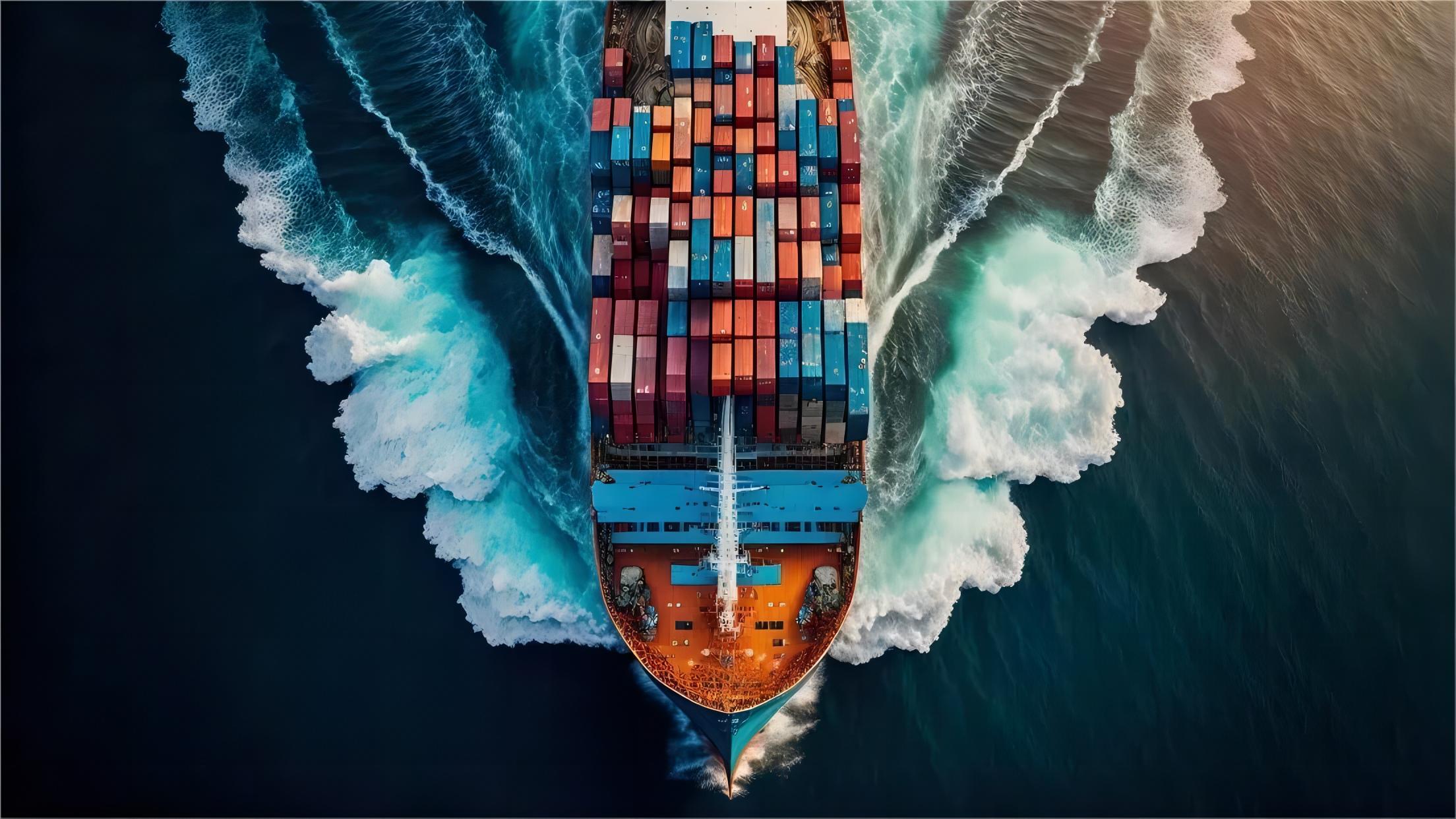
Ready to streamline your logistics?
Streamline your supply chain today with a trusted import shipping china to europe company. Contact our expert team at China Trade Freight to receive a customized quote and optimize your 2026 logistics strategy. Visit our website to start your inquiry. Send Inquiry
Request Quote