

Freight Shipping Solutions China Europe: 2026 Logistics Guide
Navigating the complex landscape of international trade requires robust freight shipping solutions China Europe to maintain a competitive edge. Businesses today face fluctuating costs and evolving transit schedules that demand strategic planning and reliable partnerships. At China Trade Freight, we specialize in streamlining these logistics processes to ensure your cargo reaches its destination efficiently and safely.
What Are the Primary Freight Shipping Solutions China Europe in 2026?
Modern logistics networks offer several distinct methods to move goods across the Eurasian landmass, each catering to different budget and speed requirements. Consequently, selecting the right mode of transport depends heavily on your specific cargo type, volume, and urgency.
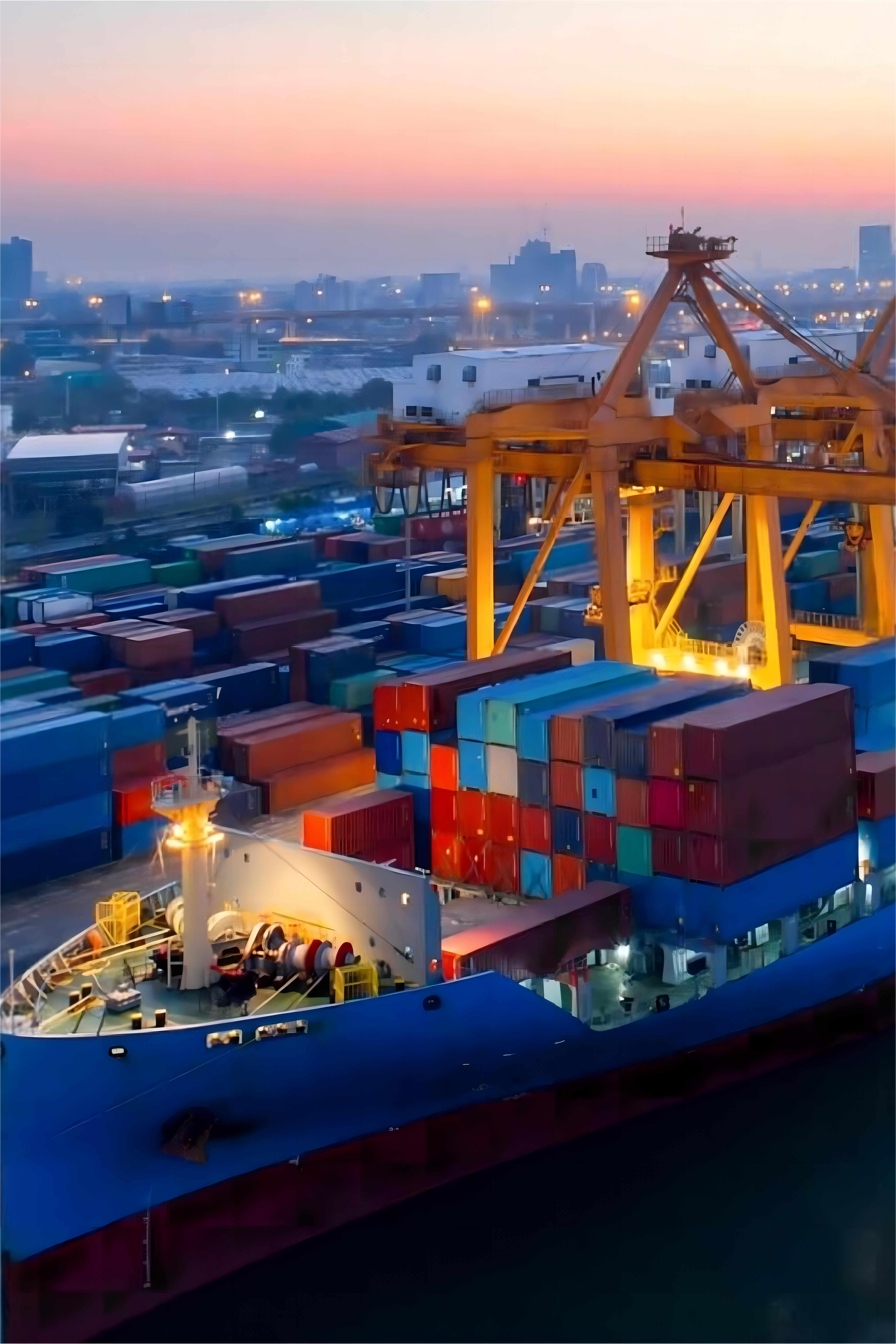
Sea freight remains the backbone of global trade, handling the largest volumes of goods at the most economical price points. However, rail freight has emerged as a powerful middle-ground alternative, offering faster transit than sea and lower costs than air.
Furthermore, air cargo continues to serve high-value and time-sensitive industries despite its premium pricing. Meanwhile, road freight is gaining traction for specific door to door routes where flexibility is the top priority.
| Shipping Method | Average Transit Time | Cost Level | Best For |
|---|---|---|---|
| Sea Freight | 30-45 Days | Low | Bulk goods and large FCL shipments |
| Rail Freight | 15-22 Days | Medium | E-commerce and industrial parts |
| Air Freight | 3-7 Days | High | High-value electronics and urgent stock |
| Express Service | 2-5 Days | Very High | Small parcels and samples |
How Does Sea Freight Compare to Other Shipping Options?
Choosing sea freight is typically the most cost-effective strategy for businesses managing large inventories. Indeed, for shipments exceeding 15 cubic meters, the savings compared to rail or air are substantial.
While sea freight costs approximately 1,800 to 2,500 USD for a 20GP container in early 2026, air freight for the same weight could exceed 20,000 USD. Therefore, companies must balance the 30-day transit difference against their inventory carrying costs.
Moreover, sea-air hybrid solutions are becoming popular as a way to mitigate port congestion while keeping costs manageable. By shipping via sea to a hub like Dubai and then flying to Europe, importers can save 40 percent compared to pure air freight.
| Method | Cost Range (2026) | Transit Time | Limitations |
|---|---|---|---|
| Sea (FCL) | 1,800 – 4,200 USD | 30-40 Days | Weather and port delays |
| Rail (FCL) | 4,500 – 6,500 USD | 18-22 Days | Limited capacity at borders |
| Air Freight | 4.50 – 8.00 USD/kg | 5-7 Days | Strict weight and size limits |

Why Is Rail Freight Becoming a Preferred Solution?
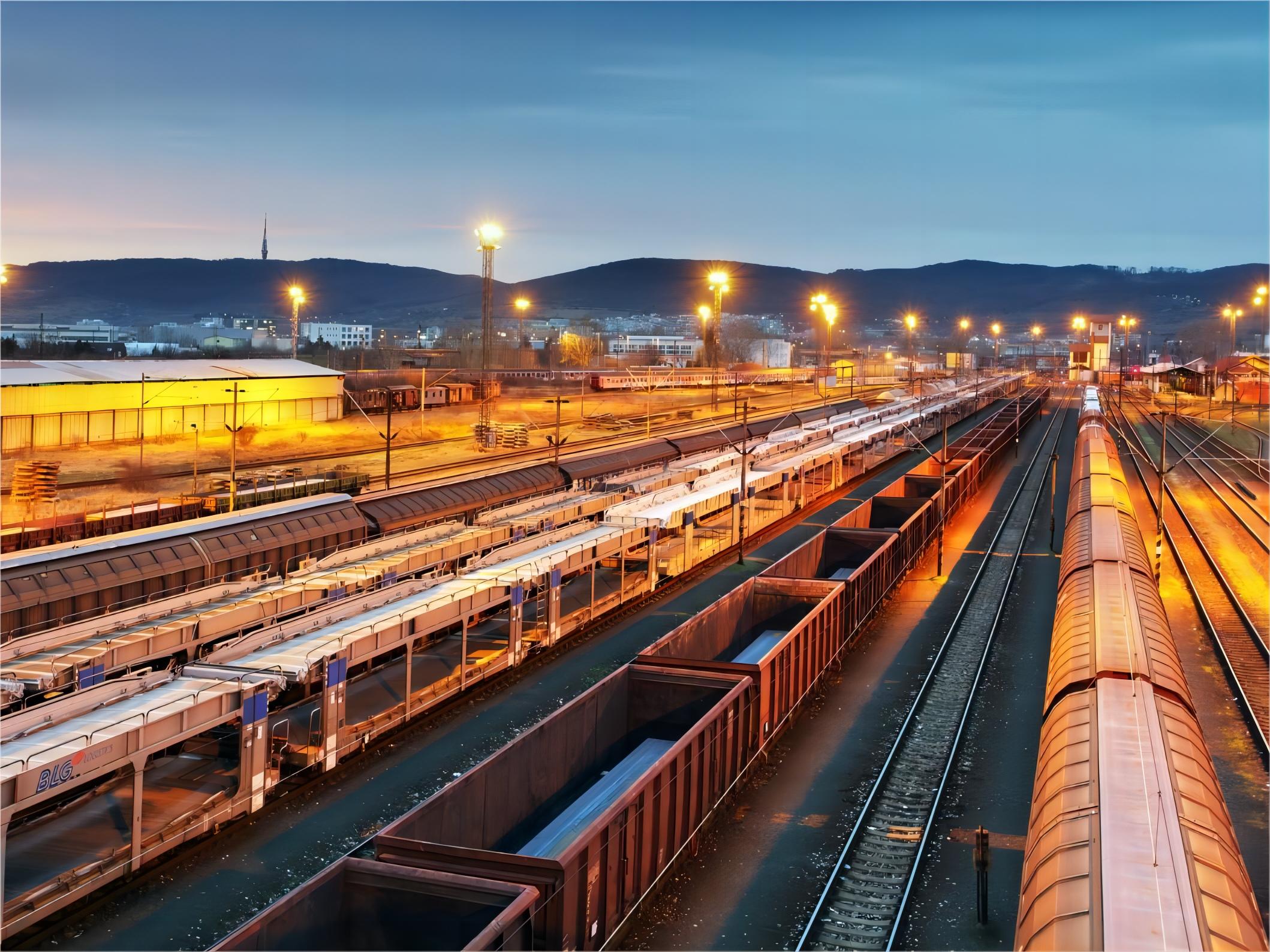
Utilizing rail freight provides a strategic advantage for those who need faster turnaround times than ocean transport can offer. Specifically, the Silk Road rail link connects major Chinese hubs like Chengdu and Xi’an directly to European terminals in Duisburg and Warsaw.
Logistics managers often prefer rail because it offers more stability in pricing compared to the volatile ocean freight market. Additionally, rail transport is considered more environmentally friendly than air freight, aligning with modern corporate sustainability goals.
Nevertheless, capacity on rail lines can tighten during peak seasons such as the months leading up to the winter holidays. Planning at least three weeks in advance is essential to secure space on the most efficient rail routes.
Can Air Freight Optimize Your High-Value Supply Chain?
Implementing air freight is the ultimate solution for maintaining lean inventory levels and responding to market shifts. Because of the rapid transit times, businesses can reduce the capital tied up in ‘floating’ inventory on the ocean.
Most air cargo from China departs from major international airports in Shanghai, Shenzhen, or Hong Kong. Subsequently, these flights arrive at European hubs like Frankfurt, Paris, or London, where customs clearance can often be completed within hours.
In addition, for smaller shipments, using an express service provides an all-in-one solution that includes pickup and final delivery. This is particularly beneficial for e-commerce sellers who need to replenish stock quickly on platforms like Amazon.
Which Option Should You Choose? A Decision Framework
Determining the best freight shipping solutions China Europe requires a clear understanding of your priorities. If your primary goal is cost minimization and your lead times are flexible, sea freight is the logical choice.
On the other hand, if you are launching a new product or have a stock-out situation, the speed of air freight justifies the higher expense. For many, rail freight serves as the perfect compromise, especially for mid-value industrial goods.
Consider the following criteria: for shipments under 100kg, use express courier; for 100kg to 500kg, use air freight; for over 500kg with 20-day lead time, use rail; and for large bulk orders, stick with sea freight.
Cost-Saving Strategies for 2026
Consolidating multiple small shipments into a single LCL (Less than Container Load) shipment can significantly reduce your per-unit shipping cost. Furthermore, booking your shipments during off-peak periods can save you up to 20 percent on standard freight rates.
Always request a comprehensive quote that includes all origin and destination charges to avoid hidden fees. Working with an experienced freight forwarder allows you to access volume-based discounts that are not available to individual shippers.
Navigating Customs and Door to Door Logistics
Managing customs brokerage is often the most challenging part of the international shipping process. Each European country may have specific VAT and duty regulations that require precise documentation to avoid costly delays.
Fortunately, opting for door to door shipping simplifies the entire operation by putting the responsibility for every leg of the journey on the logistics provider. This service includes everything from factory pickup in China to final delivery at your warehouse in Europe.
Typical documents required include the commercial invoice, packing list, bill of lading, and certificate of origin. Ensuring these are accurate before the cargo leaves China is vital for a smooth transition through European customs.
Case Studies: Successful Shipping Operations in 2026
Case Study 1: Electronics Distribution. Route: Shenzhen to Warsaw. Cargo: High-end consumer electronics, 12 CBM, 2,500 kg. Method: Rail Freight (FCL). Ocean Freight was too slow for the product launch, so the client chose rail. Cost: 5,200 USD. Transit: 19 days. Outcome: Successful market entry with 40 percent savings over air freight.
Case Study 2: Fast Fashion Replenishment. Route: Guangzhou to London. Cargo: Seasonal apparel, 500 kg. Method: Air Freight. The client needed to restock a trending item within a week. Cost: 3,250 USD. Transit: 5 days. Outcome: Inventory reached shelves in time for the weekend peak, maximizing sales revenue.
Case Study 3: Industrial Machinery. Route: Ningbo to Hamburg. Cargo: Heavy manufacturing equipment, 40HQ Container. Method: Sea Freight. Budget was the priority for this non-urgent project. Cost: 3,850 USD. Transit: 34 days. Outcome: Delivered within budget with professional customs handling at the Port of Hamburg.
Market Intelligence: Logistics Trends for 2026
As of early 2026, freight rates from China to Europe have stabilized after the previous year’s disruptions, but seasonal spikes remain common. According to industry benchmarks, rates typically increase by 15 to 25 percent during the August to October peak season.
Digitalization is now a standard requirement, with real-time tracking and automated documentation becoming the norm for top-tier freight shipping solutions China Europe. Consequently, shippers who adopt these technologies enjoy better visibility and fewer administrative errors.
Note: Freight rates are subject to change based on fuel costs, carrier capacity, and seasonal demand. Contact us for a current quote tailored to your specific shipment.

Mastering Your China to Europe Logistics
To summarize, finding the right freight shipping solutions China Europe involves balancing speed, cost, and reliability. Whether you choose the efficiency of air, the economy of sea, or the balance of rail, having a professional partner is essential.
By understanding the 2026 market trends and utilizing strategic shipping methods, you can significantly improve your bottom line and customer satisfaction. Start planning your next shipment today to ensure your business stays ahead in the global marketplace.
Need a tailored shipping solution?
Ready to optimize your supply chain with the most reliable freight shipping solutions China Europe? Our team is standing by to provide you with a competitive, customized quote that fits your timeline and budget. Send Inquiry and let us handle your international logistics today.