

Shipping Agent for China to UK Import: 2026 Logistics Guide
Navigating the complexities of international trade requires a reliable shipping agent for china to uk import to ensure your goods arrive safely and on time. At China Trade Freight, we specialize in bridging the gap between Chinese manufacturers and British businesses through seamless logistics solutions. Consequently, importers can focus on scaling their operations while we handle the intricate details of global transportation. Without a doubt, the right logistics partner can significantly reduce overhead costs and improve supply chain efficiency in the competitive 2026 market.

Why You Need a Shipping Agent for China to UK Import?
Managing a supply chain across thousands of miles presents numerous logistical hurdles that can disrupt your business flow. Therefore, partnering with a professional shipping agent for china to uk import is no longer just an option but a necessity for modern enterprises. These experts manage the entire lifecycle of a shipment, from the initial pickup at a factory in Ningbo to the final delivery in London. Furthermore, they provide essential market intelligence that helps you avoid common pitfalls associated with international shipping.
Moreover, a dedicated agent understands the nuances of both Chinese export regulations and UK import requirements. Indeed, this knowledge is crucial for avoiding costly delays at the port of entry. Additionally, they leverage established relationships with major carriers to secure better freight rates than individual importers could obtain on their own. As a result, businesses often find that the cost of hiring an agent is easily offset by the savings generated through optimized routing and consolidated shipping services.
In addition to cost savings, a logistics partner provides peace of mind through real-time tracking and proactive communication. Meanwhile, they handle the heavy lifting of documentation, insurance, and risk management. Consequently, you can maintain a lean operation without needing an in-house logistics department. In contrast to managing everything yourself, an agent offers a scalable solution that grows alongside your business demands.
How Does Sea Freight Compare to Other Shipping Options?
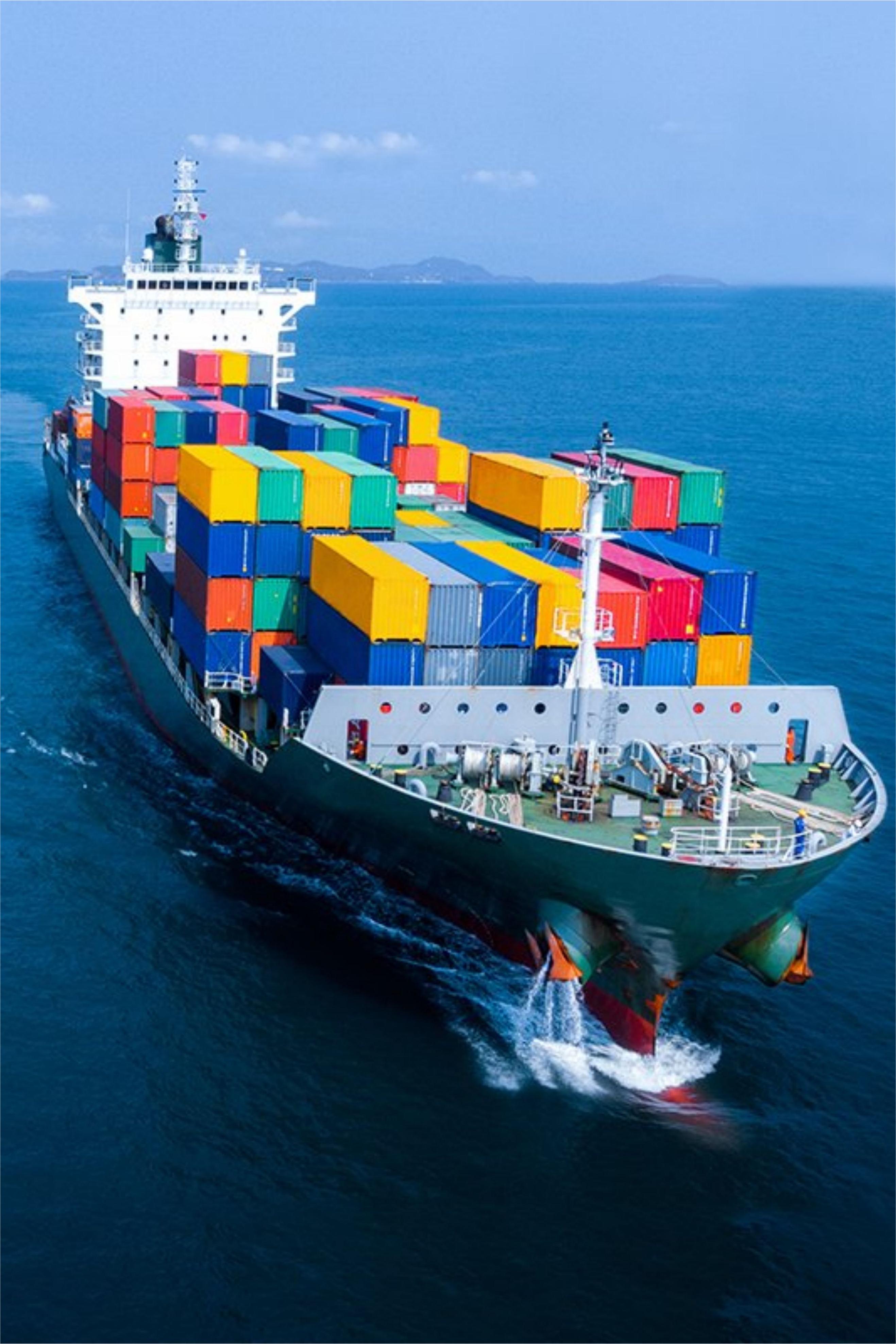
When evaluating transportation methods, many businesses prioritize cost-effectiveness over speed for their bulk cargo. Therefore, sea freight remains the most popular choice for large-scale shipments entering the UK. Moreover, it offers the lowest cost per unit for high-volume cargo such as furniture, machinery, and textiles. However, the trade-off for these low rates is a significantly longer transit time compared to air or rail alternatives.
Indeed, sea freight is the backbone of global trade, especially for those utilizing Full Container Load (FCL) or Less than Container Load (LCL) options. Furthermore, the environmental impact of sea transport is generally lower than air freight, making it a preferred choice for eco-conscious brands. On the other hand, transit times can fluctuate based on port congestion and seasonal demand. To summarize, sea freight is ideal for non-urgent goods where budget optimization is the primary goal.
According to industry benchmarks for early 2026, sea freight rates have stabilized, though they remain sensitive to fuel price adjustments. For instance, a 40HQ container from Shanghai to Felixstowe currently ranges between 3,500 and 4,500 USD. Nevertheless, importers must account for destination charges and inland haulage when calculating their total landed cost. Visit: [https://chinatradefreight.com/services/sea-freight/] for current pricing updates.
| Shipping Method | Cost Range | Transit Time | Best For |
|---|---|---|---|
| Sea Freight | $2,000 – $4,500 per container | 30 – 40 Days | Bulk goods and large volumes |
| Air Freight | $4.50 – $8.50 per kg | 5 – 8 Days | High-value or urgent items |
| Rail Freight | $1,500 – $2,800 per container | 18 – 22 Days | Mid-range budget and speed |
| Express Service | $9.00 – $15.00 per kg | 3 – 5 Days | Samples and small parcels |

The Strategic Advantage of Air Freight for Urgent Cargo
For businesses dealing with time-sensitive products or high-value electronics, air freight provides an unmatched speed advantage. Additionally, the shorter transit time reduces the need for large inventory holdings, which can improve your cash flow. Furthermore, air transport offers higher security levels, significantly reducing the risk of theft or damage during transit. Consequently, it is the preferred method for fashion retailers and technology firms.
However, the cost of air cargo is substantially higher than sea freight, often calculated based on weight or volume. Therefore, it is essential to optimize your packaging to minimize unnecessary dimensional weight charges. In addition, air freight schedules are much more frequent, allowing for more flexible supply chain planning. For example, daily flights from major hubs like Shenzhen and Hong Kong ensure that your products reach the UK market within a week.
Meanwhile, importers should consider the environmental trade-offs of choosing air over sea. Although it is faster, the carbon footprint is significantly larger. Nevertheless, for many high-margin industries, the speed to market justifies the additional expense and environmental impact. Visit: [https://chinatradefreight.com/services/air-freight/] to explore our express air solutions for 2026.
Rail Freight: A Sustainable Alternative for Modern Importers
As the logistics landscape evolves, rail freight has emerged as a compelling middle ground between sea and air. Indeed, it offers a transit time that is roughly half that of sea freight while remaining much cheaper than air transport. Furthermore, the development of the Silk Road rail link has made this route more reliable and efficient for UK-bound cargo. Consequently, many businesses are adopting rail as a strategic part of their multimodal logistics plan.
Moreover, rail freight is often less affected by the weather conditions that can delay sea vessels. Therefore, it provides a more predictable delivery schedule for planning seasonal inventory. In addition, rail transport is considered more sustainable than air freight, appealing to companies with strict carbon reduction targets. For instance, shipping a container by rail produces significantly fewer emissions than the equivalent air shipment.
On the other hand, rail freight capacity can be limited compared to the massive volume handled by container ships. Accordingly, it is important to book your space well in advance, especially during peak seasons. To summarize, rail is an excellent choice for shippers who need faster delivery than sea but cannot justify the high cost of air.
Understanding FCL and LCL Shipping Dynamics
One of the most critical decisions an importer must make is choosing between Full Container Load (FCL) and Less than Container Load (LCL). Specifically, FCL involves renting an entire container for your exclusive use, which is ideal for shipments exceeding 15 to 20 cubic meters. Consequently, FCL shipments are generally faster because they do not require consolidation at the origin or deconsolidation at the destination.
In contrast, LCL allows you to share container space with other shippers, making it a cost-effective solution for smaller volumes. However, LCL shipments often take longer due to the extra handling required at the warehouse. Therefore, if your priority is speed and security, FCL is usually the better option. On the other hand, if you are looking to minimize costs for small batches, LCL is the way to go.
Additionally, FCL provides a lower risk of damage since the container is sealed at the factory and only opened at your warehouse or a customs facility. Meanwhile, LCL cargo is handled multiple times, which increases the likelihood of minor mishaps. As a result, many high-value goods are shipped via FCL even if the container is not completely full. To summarize, your choice should depend on your budget, volume, and tolerance for transit delays.

Essential Customs and Compliance for China to UK Trade
Navigating the post-Brexit regulatory environment in the UK requires meticulous attention to detail and accurate documentation. Therefore, utilizing a professional customs brokerage service is vital for ensuring compliance. Indeed, errors in your paperwork can lead to significant fines, cargo seizures, or lengthy delays at the border. Furthermore, understanding the specific commodity codes for your products is essential for calculating accurate VAT and duty payments.
Moreover, the UK government has implemented strict standards for product safety and environmental compliance. Consequently, you must ensure that your Chinese suppliers provide all necessary certifications before the goods are shipped. For instance, electronics must meet specific UKCA marking requirements to be legally sold in the British market. In addition, having a clear commercial invoice and packing list is non-negotiable for a smooth clearance process.
To summarize, proactive preparation is the key to successful customs clearance. Meanwhile, your shipping agent for china to uk import can act as a liaison between you and the customs authorities. This relationship ensures that any queries are resolved quickly, preventing your cargo from being held up at ports like Southampton or London Gateway. Visit: [https://chinatradefreight.com/services/customs-brokerage/] for a full checklist of required documents.
| Document Name | Purpose | Required By |
|---|---|---|
| Commercial Invoice | Details of the transaction and value | UK Customs |
| Packing List | Itemized list of cargo contents | Carrier and Customs |
| Bill of Lading | Contract of carriage and title to goods | Shipping Line |
| Certificate of Origin | Proof of where goods were manufactured | Customs (for duty rates) |
Real Case Studies: Successful UK Imports from China
Case Study 1: Electronics from Shenzhen to London. Route: Shenzhen to London. Cargo: Consumer Electronics, 15 CBM, 4500 kg. Container: LCL. Shipping Details: Carrier: Major Carrier. Port of Loading: Shenzhen. Port of Discharge: Felixstowe. Route Type: Direct. Cost Breakdown: Ocean Freight: $1,200. Origin Charges: $350. Destination Charges: $450. Customs: $800. Total: $2,800. Timeline: 35 days door-to-door. Key Insight: Early booking saved 15% on peak season surcharges.
Case Study 2: Industrial Parts from Shanghai to Manchester. Route: Shanghai to Manchester. Cargo: Steel Components, 28 CBM. Container: 20GP FCL. Shipping Details: Carrier: COSCO. Port of Loading: Shanghai. Port of Discharge: Liverpool. Route Type: Transshipment via Singapore. Cost Breakdown: Ocean Freight: $2,100. Origin Charges: $400. Destination Charges: $550. Customs: $1,200. Total Landed Cost: $4,250. Timeline: 42 days. Key Insight: FCL was more secure for heavy industrial parts than LCL.
Case Study 3: Urgent Fashion Apparel from Guangzhou to Birmingham. Route: Guangzhou to Birmingham. Cargo: Seasonal Clothing, 500 kg. Method: Air Freight. Shipping Details: Carrier: Cathay Cargo. Port of Loading: Guangzhou. Port of Discharge: London Heathrow. Timeline: 6 days door-to-door. Cost Breakdown: Air Freight: $3,250. Customs and Handling: $600. Total: $3,850. Key Insight: Air freight allowed the client to meet a strict product launch deadline.
Which Option Should You Choose? A Strategic Decision Framework
Selecting the right shipping method involves balancing three main factors: budget, speed, and cargo type. Therefore, if your primary goal is to minimize costs, sea freight is the logical choice for large volumes. On the other hand, if you are launching a new product and need it in the UK immediately, air freight is the only viable solution. Moreover, rail freight offers a strategic alternative for those who need a balance of both.
Furthermore, consider the nature of your cargo when making your decision. For instance, fragile or high-value items benefit from the reduced handling and increased security of air or FCL sea freight. Additionally, the total volume of your shipment will determine whether LCL or FCL is more economical. In addition to these factors, always account for seasonal fluctuations in freight rates, which can increase by 20% during the Q4 peak season.
Finally, many businesses now opt for door to door services to simplify their logistics. Indeed, this all-inclusive approach allows the shipping agent for china to uk import to handle everything from the factory floor to your warehouse. Consequently, you save time and reduce the risk of communication gaps between different service providers. To summarize, the best option is the one that aligns with your specific business objectives and customer expectations.
Optimizing Your China to UK Import Strategy
In conclusion, finding the right shipping agent for china to uk import is the most critical step in building a resilient international supply chain. By understanding the differences between sea, air, and rail freight, you can make informed decisions that benefit your bottom line. Moreover, staying compliant with UK customs regulations is essential for avoiding unnecessary delays and costs.
As we move through 2026, the logistics industry continues to offer new opportunities for efficiency and sustainability. Therefore, partnering with a forward-thinking agent like China Trade Freight ensures that you remain competitive in a rapidly changing market. Without a doubt, professional logistics management is the key to unlocking the full potential of your import business.
Get Your Shipping Quote Today
Ready to streamline your supply chain and reduce costs? Contact our expert team today for a customized quote on your next shipment. Whether you need sea, air, or rail solutions, we are here to help your business thrive. Visit: https://chinatradefreight.com/ for more information or to request a consultation with a leading shipping agent for china to uk import.
Request Quote