


Sea Freight from China to Europe: 2026 Shipping Rates and Logistics Guide
“Navigating sea freight from China to Europe requires a sophisticated understanding of global logistics patterns and seasonal price fluctuations. Businesses that partner with China Trade Freight often secure more reliable delivery schedules and competitive pricing models. This comprehensive guide provides the necessary insights into 2026 market trends, transit durations, and cost-saving strategies for your international cargo.”
What is the Current State of Sea Freight from China to Europe in 2026?
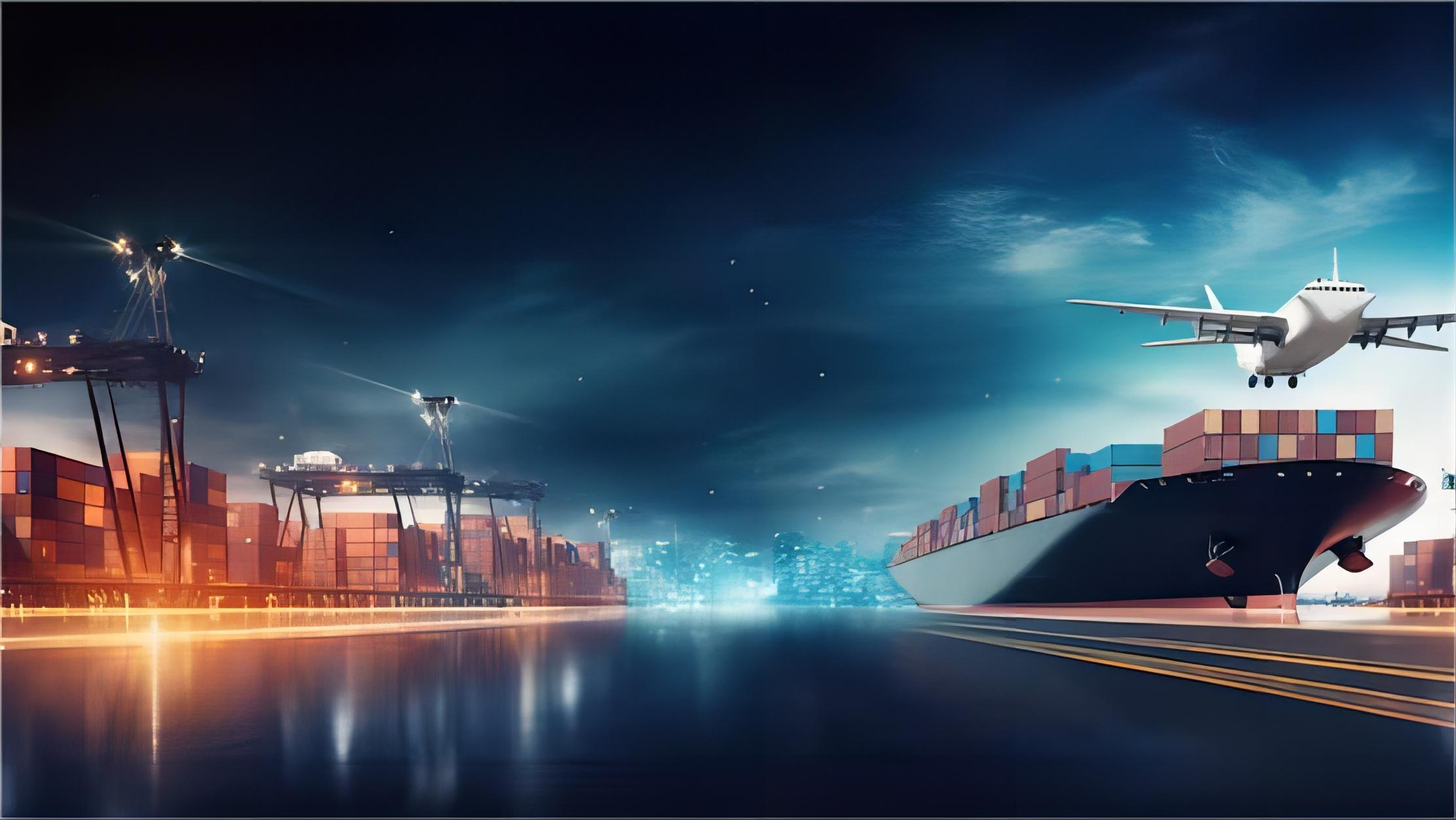
❖Global trade routes have stabilized significantly as we move through the first half of 2026, following the logistical hurdles of previous years. Consequently, importers are seeing more predictable schedules and a return to traditional peak season cycles. Carriers have introduced newer, more fuel-efficient vessels that help mitigate the impact of fluctuating bunker adjustment factors on total shipping costs.
Moreover, the integration of digital tracking technologies has transformed how businesses manage their supply chain visibility. Therefore, you can now monitor your cargo in real-time with higher precision than ever before. This transparency allows for better inventory management and more accurate delivery forecasts for European retailers.
Market data suggests that while demand remains high, the increase in vessel capacity has prevented the extreme rate spikes seen in the early 2020s. Nevertheless, staying informed about port conditions in Shanghai and Rotterdam remains essential for avoiding unexpected delays. Indeed, proactive planning is the most effective way to ensure your sea freight from China to Europe arrives on schedule.
How Does Sea Freight Compare to Other Shipping Options?
❖Choosing the right transportation mode depends heavily on your budget, cargo volume, and required speed. While sea freight remains the most economical choice for large shipments, rail freight offers a compelling middle ground for those needing faster delivery without the high cost of air transport. Furthermore, sea freight is generally the most environmentally friendly option per ton of cargo moved.
Air freight typically costs five to seven times more than ocean transport, making it suitable only for high-value or extremely urgent goods. In contrast, sea freight allows for the movement of oversized items and hazardous materials that may be restricted on aircraft. Additionally, the economies of scale provided by large container ships make ocean transport the backbone of the China-Europe trade corridor.
Hybrid solutions like sea-air or rail-sea are also gaining popularity for their flexibility. For example, some shippers move goods by sea to a hub like Dubai or Singapore and then finish the journey via air to Europe. However, for the majority of bulk commodities and consumer goods, direct sea freight remains the gold standard for cost-efficiency.
| Shipping Method | Cost Range | Transit Time | Best For |
|---|---|---|---|
| Sea Freight | $2,200 – $4,500 | 30-45 Days | Bulk & Large Volume |
| Rail Freight | $4,800 – $7,200 | 18-24 Days | Mid-size Shipments |
| Air Freight | $16,000 – $28,000 | 5-9 Days | Urgent & High Value |
| Express | $25,000+ | 3-5 Days | Samples & Documents |
What Are the 2026 Costs for Sea Freight from China to Europe?
❖Understanding the breakdown of shipping costs is vital for accurate landed cost calculations. Ocean freight rates consist of the base rate plus various surcharges such as fuel, currency adjustments, and peak season fees. Furthermore, you must account for origin and destination charges, which include port handling, documentation, and local trucking.
Based on current market rates in early 2026, a 40HQ container from a major Chinese port to Northern Europe typically ranges between $3,200 and $4,200. Meanwhile, Less than Container Load (LCL) rates are calculated per cubic meter, often ranging from $60 to $95 depending on the specific route and volume. Consequently, smaller businesses can still access competitive global shipping without needing to fill an entire container.
Seasonal variations continue to influence pricing significantly throughout the year. For instance, rates often rise by 20% in the weeks leading up to the Chinese New Year and during the Q3 peak season. Therefore, booking your shipments at least 4-6 weeks in advance can help you secure better rates and guaranteed space on the vessel.
| Route Type | 20GP Container | 40GP Container | 40HQ Container |
|---|---|---|---|
| China to North Europe | $1,900 – $2,600 | $2,900 – $3,900 | $3,200 – $4,200 |
| China to Mediterranean | $1,800 – $2,500 | $2,800 – $3,800 | $3,100 – $4,100 |
| China to UK Ports | $2,100 – $2,800 | $3,300 – $4,300 | $3,600 – $4,600 |
Price Disclaimer
Note: Freight rates are subject to change based on fuel costs, carrier capacity, and seasonal demand. Contact us for a current quote tailored to your specific shipment.
How Long Does Sea Freight from China to Europe Take?
❖The transit time for Europe bound shipments varies based on the specific port of loading and discharge. Direct services from Shanghai to Rotterdam typically take between 32 and 35 days under normal conditions. However, shipments going to the Mediterranean, such as the Port of Piraeus or Genoa, are often faster, averaging 25 to 28 days.
Weather conditions and port congestion can occasionally extend these timelines. Additionally, the time required for customs clearance and inland transportation must be factored into your total door-to-door schedule. Consequently, most experienced logistics managers add a buffer of 5-7 days to their planning to account for these variables.
Transshipment routes, where the cargo is moved to a different vessel at a hub like Singapore or Colombo, may take 40 to 45 days. Although these routes are sometimes cheaper, they increase the risk of delays during the transfer process. Therefore, if speed is a priority, always request a direct service from your freight forwarder.
| Origin Port | Destination Port | Direct Transit | Transshipment |
|---|---|---|---|
| Shanghai | Rotterdam | 32-34 Days | 40-45 Days |
| Shenzhen | Hamburg | 30-33 Days | 38-42 Days |
| Ningbo | Felixstowe | 34-37 Days | 42-48 Days |
| Qingdao | Antwerp | 35-38 Days | 44-50 Days |
Choosing Between FCL and LCL for European Shipments
❖Full Container Load (FCL) is generally the best choice for shipments exceeding 15 cubic meters. Because you are paying for the entire container, the cost per unit of cargo is lower, and the risk of damage is reduced since the goods are not handled with other shippers’ items. Moreover, FCL shipments usually move faster because they do not require the consolidation and deconsolidation steps associated with LCL.
Less than Container Load (LCL) is ideal for smaller businesses or those testing new product lines. This method allows you to share container space with other importers, paying only for the volume you use. Nevertheless, LCL requires more careful packaging to protect your goods during the multiple handling stages at the container freight station.
If your shipment is between 12 and 15 cubic meters, it is often worth comparing the cost of a 20GP container versus LCL. Sometimes, the security and speed of an FCL shipment justify the slight price difference. Indeed, analyzing your shipping volume thresholds is a critical part of optimizing your sea freight from China to Europe strategy.
Essential Documents for Sea Freight from China to Europe
❖Navigating the administrative requirements of international trade is essential for avoiding costly port storage fees. Utilizing a professional customs brokerage service ensures that all paperwork complies with both Chinese export laws and European Union import regulations. The most critical document is the Bill of Lading, which serves as the contract of carriage and title to the goods.
Commercial invoices and packing lists must accurately describe the cargo, its value, and the harmonized system (HS) codes. Furthermore, a Certificate of Origin may be required to qualify for preferential tariff treatments under specific trade agreements. Without a doubt, errors in documentation are the leading cause of customs delays and inspections at European ports.
Electronic data interchange (EDI) systems now allow for the pre-filing of customs entries before the vessel even arrives. Consequently, many shipments can be cleared within 24 to 48 hours of docking. However, you must ensure that your forwarder has all the necessary digital files well in advance to take advantage of these expedited processes.
Real-World Case Studies: Sea Freight from China to Europe
❖Case Study 1: Electronics Distribution to Germany. A tech firm moved 40HQ containers of consumer electronics from Shenzhen to Hamburg. By utilizing a door to door service, they reduced their internal logistics workload by 30%. The shipment was handled by a major carrier with a 33-day sea transit, costing approximately $4,150 per container in Q1 2026. Key Insight: Early booking during the pre-CNY rush saved the client $600 per unit.
Case Study 2: Textile Import to the United Kingdom. A fashion retailer imported 8 CBM of apparel via LCL from Ningbo to Felixstowe. The total landed cost, including ocean freight, terminal handling, and UK customs clearance, came to $1,250. Although the transit took 38 days due to a brief transshipment in Singapore, the cost savings compared to air freight were over $5,000. Key Insight: High-quality palletizing prevented any damage during the LCL handling process.
Case Study 3: Furniture Wholesale to the Netherlands. A furniture wholesaler shipped three 40GP containers from Shanghai to Rotterdam. They opted for a direct route to minimize handling of fragile wooden components. The total sea transit was 32 days, with a sea freight cost of $3,550 per container. Key Insight: Using a specialized customs broker allowed for VAT deferment in the Netherlands, significantly improving the company’s cash flow.
Which Option Should You Choose for Your Business?
❖Budget priority: If your primary goal is to minimize costs, sea freight is the clear winner, especially for non-urgent inventory. For shipments under 15 CBM, use LCL; for larger volumes, FCL is more economical. Additionally, choosing ports with lower congestion levels can sometimes reduce local drayage costs.
Speed priority: When time is of the essence but air freight is too expensive, rail freight is the recommended alternative. It cuts the transit time from China to Europe by nearly half compared to the sea route. However, if the goods are highly perishable or required for an immediate launch, air freight remains the only viable option despite the cost.
Cargo type considerations: Heavy machinery and bulk raw materials are almost exclusively suited for sea freight due to weight restrictions on other modes. Conversely, high-value electronics or pharmaceuticals may benefit from the security and speed of air or express services. Therefore, always evaluate your specific product requirements before selecting a shipping method.
Strategies to Reduce Shipping Costs in 2026
❖Optimizing your packaging is one of the most effective ways to lower your sea freight from China to Europe expenses. By reducing the volume of your cargo, you can often fit more units into a container or move from a higher LCL price bracket to a lower one. Moreover, consolidating multiple small orders from different suppliers into a single FCL shipment can lead to massive savings on port fees.
Negotiating long-term contracts with a reliable freight forwarder like sea freight specialists can provide price stability in a volatile market. While spot rates can be lower during quiet periods, contract rates protect you from sudden spikes during the peak season. Furthermore, choosing off-peak shipping windows, such as the weeks immediately following major holidays, can result in significant discounts.
Evaluating your Incoterms is another crucial step in cost management. For example, switching from CIF to FOB terms gives you more control over the ocean freight costs and the choice of carrier. Consequently, you can select the service that offers the best balance of price and reliability for your specific needs. Indeed, small adjustments in your logistics strategy can lead to substantial improvements in your bottom line.
Final Thoughts on Shipping from China to Europe
Successfully managing sea freight from China to Europe in 2026 requires a blend of proactive planning, market intelligence, and strong logistics partnerships. By understanding the nuances of FCL and LCL, monitoring transit times, and preparing accurate documentation, you can ensure your goods reach European markets efficiently.
While the logistics landscape continues to evolve, the cost-effectiveness of ocean transport remains unparalleled for the majority of global trade. Whether you are a small business or a large corporation, applying the strategies outlined in this guide will help you maintain a competitive edge in the international marketplace.
Ready to streamline your logistics?
Ready to optimize your supply chain and reduce costs? Contact the experts at China Trade Freight today for a personalized quote on sea freight from China to Europe. Our team is standing by to help you navigate 2026 market conditions with ease.
Request Quote