

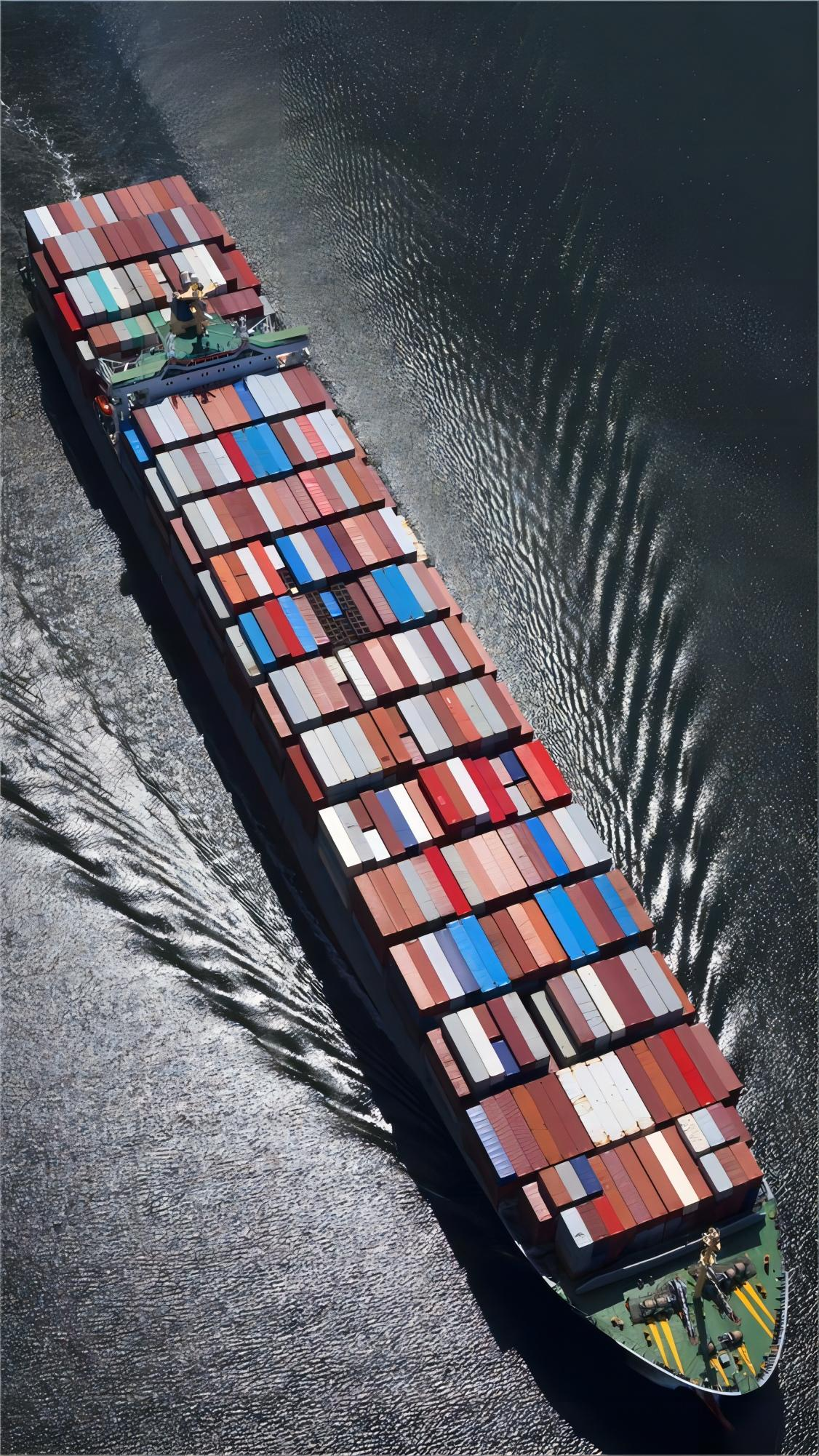
40ft container shipping cost china to europe: 2026 Pricing Guide
Navigating the complexities of international trade requires a clear understanding of the 40ft container shipping cost china to europe to maintain healthy profit margins. As global markets stabilize in early 2026, businesses must adapt to shifting freight rates and evolving logistics trends to stay competitive. China Trade Freight provides comprehensive solutions to help you manage these expenses effectively while ensuring timely delivery of your goods across the continent.

What Factors Determine the 40ft container shipping cost china to europe?
Several variables influence the final price you pay for transporting a 40ft container from Chinese manufacturing hubs to European destinations. Fuel prices, known as the Bunker Adjustment Factor, remain one of the most volatile components in 2026. Furthermore, seasonal demand significantly impacts pricing, with rates typically surging during the pre-Lunar New Year rush and the late summer peak season.

Port congestion and equipment availability also play critical roles in determining the 40ft container shipping cost china to europe. Consequently, shipping from high-volume ports like Shanghai or Ningbo might offer more competitive rates compared to smaller regional ports. Moreover, the choice between a standard 40ft General Purpose (GP) container and a 40ft High Cube (HQ) container can affect your total landed cost depending on cargo volume.
Carriers often apply various surcharges such as the Peak Season Surcharge (PSS) or the Currency Adjustment Factor (CAF). Additionally, geopolitical stability in key maritime corridors like the Suez Canal continues to influence insurance premiums and overall freight expenses. Indeed, staying informed about these market dynamics is essential for any importer looking to optimize their supply chain budget.
Comparing 40ft container shipping cost china to europe by Method
Choosing the right transportation mode is vital for balancing speed and affordability in your logistics strategy. While sea freight remains the most popular choice for 40ft containers, alternatives like rail freight are gaining traction for time-sensitive shipments. However, each method has its own cost structure and transit time profile that you must evaluate carefully.
Sea freight offers the lowest cost per unit for large volumes, making it ideal for bulk commodities and consumer goods. On the other hand, rail freight provides a middle ground, offering faster delivery than sea transport at a lower price point than air cargo. Therefore, your choice should align with your inventory requirements and customer expectations.
Market data suggests that ocean freight rates for a 40ft container to Europe have settled into a predictable range in early 2026. Nevertheless, businesses should always compare multiple quotes to ensure they are receiving the best value for their specific route. Visit our Europe shipping page for detailed regional insights.
| Shipping Method | Cost Range (40ft) | Transit Time | Best For |
|---|---|---|---|
| Sea Freight (FCL) | $3,200 – $4,800 | 30 – 45 Days | Large volumes, lowest cost |
| Rail Freight | $4,800 – $7,200 | 18 – 25 Days | Mid-speed, inland delivery |
| Sea-Air Hybrid | $8,000 – $12,000 | 15 – 20 Days | Urgent inventory restock |
| Air Freight (Full) | $25,000+ | 5 – 10 Days | High-value, urgent goods |
How Does Sea Freight Compare to Other Shipping Options?
Analyzing the trade-offs between different shipping modes helps you determine the most efficient way to move your 40ft container. While sea freight costs approximately $3,500 for a 40HQ, air freight for the same volume would be prohibitively expensive for most standard products. Consequently, sea transport remains the backbone of the China-Europe trade lane for heavy and bulky items.
Rail freight serves as a compelling alternative, especially for shipments destined for landlocked countries in Central and Eastern Europe. Specifically, rail freight can save up to two weeks of transit time compared to traditional ocean routes. This speed advantage often justifies the higher price tag for seasonal goods or high-demand electronics.
Hybrid solutions like sea-air combinations via Dubai or Singapore are also worth considering for specific scenarios. These routes offer a balance between the economy of sea transport and the speed of air delivery. To summarize, your decision framework should prioritize budget for routine shipments and speed for critical inventory gaps.
Average Transit Times to Major European Ports
Understanding the delivery schedule is just as important as knowing the 40ft container shipping cost china to europe. Transit times vary based on the port of loading in China and the final destination port in Europe. For instance, shipments to Mediterranean ports like Piraeus or Valencia are generally faster than those heading to Northern European hubs.
Direct shipping routes typically cost 10-15% more but save significant time by avoiding transshipment hubs. Meanwhile, choosing a route with transshipment in Singapore or Colombo might lower the freight rate but add 5-7 days to the total journey. Accordingly, you must weigh the cost savings against the potential impact of longer lead times on your business operations.
According to industry benchmarks, the average sea transit from Shanghai to Rotterdam currently stands at 32 days. Furthermore, customs clearance and inland haulage can add another 3-7 days to the door-to-door timeline. Industry average for this route remains stable as of Q1 2026.
| Origin City | Destination Port | Transit Time | Route Type |
|---|---|---|---|
| Shanghai | Rotterdam, NL | 32 Days | Direct |
| Shenzhen | Hamburg, DE | 30 Days | Direct |
| Ningbo | Felixstowe, UK | 35 Days | Transshipment |
| Guangzhou | Le Havre, FR | 34 Days | Direct |
Case Study 1: Shipping Medical Equipment to the Netherlands
A Dutch medical supply company recently imported a 40HQ container of hospital furniture from Shanghai to Rotterdam. They opted for sea freight due to the bulky nature of the cargo and the need for cost-effective transport. The total ocean freight rate was $3,850, reflecting the stable market conditions of early 2026.
Route: Shanghai, China to Rotterdam, Netherlands. Cargo: Medical furniture, 65 CBM, 12,000 kg. Container: 40HQ. Carrier: Major global vessel operator. Port of Loading: Shanghai. Port of Discharge: Rotterdam. Route Type: Direct.
Cost Breakdown: Ocean Freight: $3,850; Origin Charges: $450; Destination Charges: $520; Customs and Duties: $1,200; Total Landed Cost: $6,020. Timeline: Booking to Loading: 5 days; Sea Transit: 32 days; Customs Clearance: 2 days; Total Door-to-Door: 39 days. Key Insight: Early booking allowed the client to secure a fixed rate before a minor mid-quarter price hike.
Case Study 2: Electronics Distribution to Germany via Rail
A German retailer required a faster solution for a new smartphone launch and chose rail freight for their 40ft container. This method allowed them to bypass port congestion and deliver the products directly to a terminal in Duisburg. Although the cost was higher than sea freight, the reduced transit time was crucial for their marketing timeline.
Route: Xi’an, China to Duisburg, Germany. Cargo: Consumer electronics, 58 CBM, 8,500 kg. Container: 40GP. Carrier: China-Europe Railway Express. Port of Loading: Xi’an Inland Terminal. Port of Discharge: Duisburg Terminal. Route Type: Direct Rail.
Cost Breakdown: Rail Freight: $6,200; Origin Handling: $300; Destination Handling: $400; Customs and Duties: $2,500; Total Landed Cost: $9,400. Timeline: Loading to Departure: 3 days; Rail Transit: 20 days; Customs Clearance: 3 days; Total Door-to-Door: 26 days. Key Insight: Rail freight provided the necessary speed to meet a strict product launch deadline without the extreme cost of air freight.

How to Minimize Your 40ft container shipping cost china to europe
Reducing your logistics expenses requires a proactive approach to planning and negotiation. One effective strategy is to optimize your packaging to maximize the utility of the 40ft container’s volume. Additionally, booking your shipment at least 3-4 weeks in advance can help you secure lower rates and guaranteed space on vessels.
Consolidating shipments or using door-to-door shipping services can also streamline costs by reducing the number of intermediaries involved. Furthermore, working with an experienced customs brokerage ensures that you avoid costly delays and penalties related to incorrect documentation. Indeed, compliance is a significant part of cost management.
Consider shipping during the off-peak months of March through May or November through December to take advantage of lower demand. Moreover, negotiating long-term contracts with freight forwarders can provide price stability in a fluctuating market. To conclude, a combination of smart timing and expert partnerships is the key to minimizing expenses.
The Role of Amazon FBA in China-Europe Shipping
E-commerce sellers frequently utilize specialized services to manage their 40ft container shipping cost china to europe. Using Amazon FBA logistics solutions allows sellers to ship directly from Chinese factories to European fulfillment centers. This integration simplifies the supply chain and often results in better cargo handling and faster last-mile delivery.
Sellers must ensure their goods meet strict Amazon labeling and packaging requirements before the container leaves China. Consequently, many choose to work with forwarders who offer prep services at the origin to avoid rejection at the destination warehouse. In addition, managing the 40ft container shipping cost china to europe involves calculating the storage fees associated with FBA centers.
Market trends show that more sellers are moving toward FCL (Full Container Load) shipments for FBA to reduce the per-unit shipping cost. Nevertheless, for smaller batches, LCL (Less than Container Load) remains a viable alternative. Without a doubt, e-commerce logistics requires a high degree of precision and coordination.
Final Thoughts on 40ft Container Logistics
Successfully managing the 40ft container shipping cost china to europe involves a deep understanding of market trends, shipping methods, and timing. While sea freight remains the most economical choice for most, rail and hybrid options offer valuable alternatives for specific business needs. By staying informed and planning ahead, you can navigate the complexities of international trade with confidence.
Remember that freight rates are subject to change based on fuel costs, carrier capacity, and seasonal demand. Always consult with a professional freight forwarder to get a current quote tailored to your specific shipment requirements. As we move through 2026, efficiency and flexibility will remain the cornerstones of successful global supply chain management.

Need a tailored shipping solution?
Are you looking to optimize your 40ft container shipping cost china to europe for your next shipment? Contact our expert team today for a customized quote and professional logistics advice tailored to your business needs. Send Inquiry: https://chinatradefreight.com/