

Shipping from China to Romania: The Complete 2026 Logistics Guide
Navigating the complexities of shipping from China to Romania requires a reliable logistics partner like China Trade Freight to ensure your cargo arrives safely and efficiently. As trade relations between Asia and Eastern Europe strengthen in 2026, businesses must understand the nuances of various transport modes to maintain a competitive supply chain. This guide provides comprehensive insights into costs, transit times, and the regulatory landscape for importing goods into the Romanian market.

What Are the Primary Methods for Shipping from China to Romania?
Choosing the right transportation mode is the most critical decision for any importer. Currently, three main routes dominate the landscape: sea freight, rail freight, and air freight.
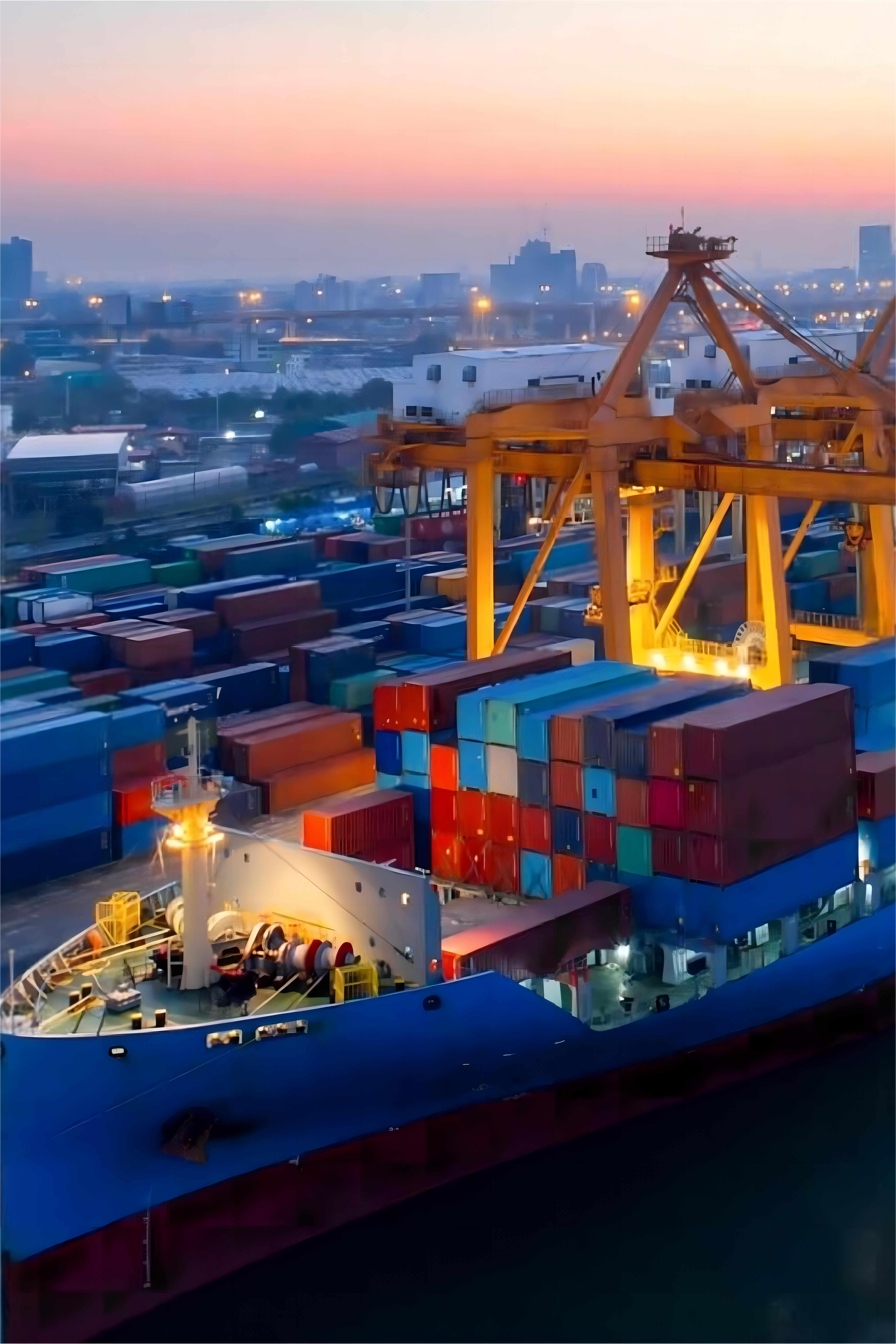
Sea freight remains the backbone of global trade due to its cost-effectiveness for large volumes. Consequently, most heavy machinery and consumer goods arrive at the Port of Constanta via major maritime routes.
Rail freight has emerged as a powerful middle-ground solution. Specifically, the Iron Silk Road connects Chinese industrial hubs to European terminals, offering a faster alternative to the ocean and a cheaper option than the air.
Air freight serves businesses with high-value or time-sensitive cargo. While it carries a higher price tag, the speed and security it provides are unmatched for electronics or pharmaceutical products.
Ocean Freight Solutions
How Does Sea Freight Compare to Other Shipping Options?
Understanding the trade-offs between speed, cost, and capacity is essential for optimizing your logistics strategy. Each method serves a distinct purpose in the modern supply chain.
While sea freight is the most economical, it lacks the agility required for rapid market shifts. On the other hand, air freight allows for quick replenishment but can significantly eat into profit margins if used for low-value items.
Rail freight offers a balanced compromise. It is particularly effective for shipments originating in inland Chinese cities like Chengdu or Xi’an, reducing the inland transit time to coastal ports.
| Shipping Method | Cost Range (Est.) | Transit Time | Best For |
|---|---|---|---|
| Sea Freight (40HQ) | $3,200 – $4,500 | 30-40 Days | Bulk goods, large machinery |
| Rail Freight (40HQ) | $4,800 – $6,500 | 18-24 Days | Mid-value industrial goods |
| Air Freight (per kg) | $4.50 – $7.50 | 5-8 Days | Electronics, urgent samples |
| Express Service | $8.00 – $12.00 | 3-5 Days | Small parcels, documents |
The Rise of Rail Freight: A Strategic Alternative
In 2026, rail freight has become increasingly reliable for the China-Romania route. This method avoids the potential delays associated with major maritime chokepoints and provides a more stable schedule.
Moreover, rail transport is considered more environmentally friendly than air freight. Many European companies now choose rail to meet their sustainability goals while maintaining a reasonable delivery schedule.
Shipments usually enter Romania through border crossings with Hungary or Ukraine. Indeed, the development of intermodal terminals in western Romania has simplified the distribution of rail cargo across the country.
Fast-Track Logistics with Air Freight and Express Services
When time is of the essence, air freight provides the fastest transit from China to Bucharest. Most international shipments land at Henri Coanda International Airport (OTP), where they undergo rapid customs processing.
For even smaller shipments, such as e-commerce orders or spare parts, an express service is often the most efficient route. These services typically include door-to-door delivery and simplified customs handling.
However, air cargo rates are highly volatile. Therefore, it is advisable to book at least a week in advance during peak seasons to secure space and better pricing.
Customs Clearance and Import Regulations in Romania
Importing goods into Romania requires strict adherence to European Union customs regulations. Every importer must have a valid EORI (Economic Operators Registration and Identification) number to clear cargo.
Furthermore, you must ensure that all documentation is accurate to avoid costly delays at the port or terminal. The standard VAT rate in Romania is 19%, and customs duties vary depending on the HS code of your products.
Navigating these regulations can be daunting. As a result, many businesses partner with experts in Europe logistics to handle the paperwork and ensure compliance with local laws.
| Document Name | Purpose | Required By | Format |
|---|---|---|---|
| Commercial Invoice | Proof of transaction | Customs | Original/Digital |
| Packing List | Details of cargo | Warehouse/Customs | Original |
| Bill of Lading | Title of goods | Carrier/Customs | Original/Telex |
| Certificate of Origin | Verify source | Customs | Formal Document |

Factors Influencing Shipping Costs in 2026
Several variables impact the final price of shipping from China to Romania. Fuel surcharges, seasonal demand, and container availability are the primary drivers of price fluctuations in the current market.
Additionally, the choice of port in China can affect the cost. For instance, shipping from Ningbo might be slightly cheaper than shipping from a northern port like Tianjin due to higher carrier frequency.
Peak seasons, such as the months leading up to the winter holidays, typically see a 20% to 30% increase in freight rates. Consequently, planning your shipments 2-3 months in advance can lead to significant savings.
Price Disclaimer
Real-World Case Studies: China to Romania Shipments
Analyzing real-world scenarios helps importers understand the practicalities of the shipping process. Below are three cases based on early 2026 market data.
Case Study 1: Electronics from Shenzhen to Constanta. A tech company imported 1,200 units of smart devices using a 40HQ container via Sea Freight. The Ocean Freight cost was $3,950, with a total door-to-door timeline of 38 days. The shipment was successful due to early booking during the Q1 slack season.
Case Study 2: Auto Parts from Xi’an to Bucharest via Rail. An industrial supplier used Rail Freight (LCL 8 CBM) to transport components. The total cost was $1,650, including destination charges. The cargo arrived in 22 days, proving that rail is a viable alternative for mid-sized industrial shipments.
Case Study 3: Fashion Samples from Shanghai to Bucharest via Air. A retail brand required urgent samples for a new collection. Using Air Freight for 150kg of cargo, the total landed cost was $1,100. The transit time was only 6 days, allowing the brand to meet its marketing deadline.
Which Option Should You Choose?
The ideal shipping method depends on your specific business priorities. If your primary goal is cost reduction and you have a long lead time, sea freight is the logical choice for your supply chain.
On the other hand, if you need to balance speed and cost, rail freight offers a modern solution that fits many industrial needs. For high-margin products or emergency stock, air freight remains the only viable option.
Hybrid solutions are also gaining popularity. For example, some importers use sea freight for the bulk of their inventory and air freight for small, frequent top-ups to maintain stock levels without high storage costs.
Final Thoughts on Shipping from China to Romania
To summarize, shipping from China to Romania in 2026 offers a variety of strategic options ranging from economical sea routes to rapid air transport and efficient rail links. By understanding the costs, timelines, and customs requirements, you can make informed decisions that benefit your bottom line.
Indeed, the key to success lies in choosing the right partner and the most appropriate transport mode for your specific cargo. Whether you are a small business or a large corporation, optimizing your shipping from China to Romania is essential for long-term growth in the European market.
Start Your Shipment
Ready to streamline your supply chain and reduce costs? Contact the experts at China Trade Freight today for a customized quote on shipping from China to Romania. Visit our website to send an inquiry and let our team handle your logistics needs with professional care.
Request Quote