


China Shipping Agent Bulk Cargo: Expert Logistics and Rates
Managing large-scale international trade requires specialized expertise in heavy-lift and oversized transport. Partnering with a professional China Trade Freight expert ensures your goods move efficiently across global waters. This guide explores how a China shipping agent bulk cargo specialist can optimize your supply chain and reduce overall operational costs.
Why Hire a China Shipping Agent Bulk Cargo Specialist?
Navigating the complexities of non-containerized goods demands a deep understanding of vessel chartering and port operations. Consequently, many importers rely on a dedicated China shipping agent bulk cargo professional to manage these intricate details. These experts possess the necessary relationships with shipowners to secure favorable spot rates and long-term contracts.
Furthermore, specialized agents understand the technical requirements for different commodities like coal, grain, or steel. They ensure that the chosen vessel meets the specific cleanliness and structural standards required for your cargo type. Therefore, you avoid potential contamination or damage during the long maritime journey.
Moreover, a professional agent coordinates the entire land-side logistics before the ship even arrives at the berth. They manage the synchronized movement of trucks and barges to ensure cargo is ready for immediate loading. As a result, you minimize expensive demurrage charges that often occur due to poor scheduling.
Additionally, choosing the right sea freight strategy involves more than just picking a ship. It requires a comprehensive analysis of port depths, crane capacities, and seasonal weather patterns. Indeed, an experienced agent provides this market intelligence to safeguard your investment.

Understanding Different Types of Bulk Cargo
Bulk cargo generally falls into two primary categories: dry bulk and liquid bulk. Each category requires distinct handling equipment and specialized vessel types to ensure safety and efficiency. For example, dry bulk often involves minerals, grains, and construction materials like cement.
On the other hand, liquid bulk includes petroleum products, chemicals, and vegetable oils. These shipments require tankers with specialized pumping systems and temperature control units. Consequently, the logistics planning for liquid goods is significantly more technical than for solid commodities.
Breakbulk cargo represents another important segment where items are handled individually rather than in containers. This often includes large machinery, wind turbine blades, or heavy industrial equipment. Professional agents utilize specialized customs brokerage services to handle the unique documentation these items require.
Meanwhile, neo-bulk cargo refers to specific commodities like lumber or paper reels that are pre-packaged for easier handling. Regardless of the type, your agent must verify that the stowage plan maximizes space while maintaining vessel stability. This careful planning prevents cargo shifting during rough sea conditions.
How Does Bulk Shipping Compare to Other Shipping Options?
Comparing bulk transport to containerized or air options is essential for determining the most cost-effective method for your business. While container shipping offers standardized handling, it is often impractical for massive volumes of raw materials. Therefore, bulk vessels provide the necessary scale for industrial-level exports.
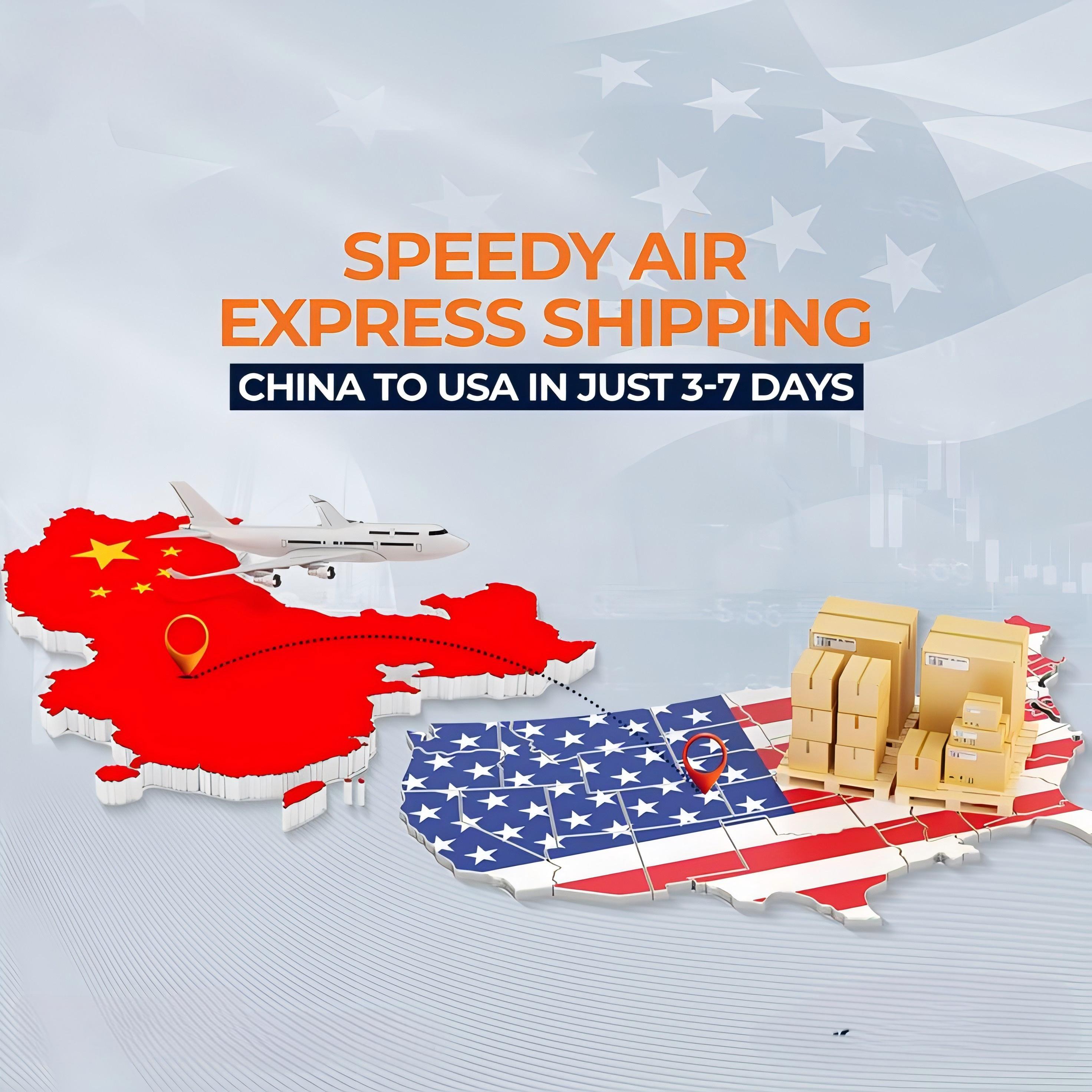
In contrast, air freight provides unparalleled speed but at a significantly higher cost per ton. For most bulk commodities, the high price of air transport makes it economically unviable. Consequently, maritime bulk remains the backbone of the global raw material trade.
The following table provides an objective analysis of how various shipping methods compare across key performance indicators. This data helps logistics managers decide which approach aligns best with their budget and timeline.
| Shipping Method | Cost Range | Transit Time | Best For |
|---|---|---|---|
| Dry Bulk Carrier | Low ($20-50/ton) | 25-45 Days | Grains, Ores, Coal |
| FCL Container | Medium ($1500-4000/box) | 20-35 Days | Finished Goods |
| Breakbulk | High ($80-150/ton) | 30-50 Days | Heavy Machinery |
| Air Freight | Very High ($4-8/kg) | 3-7 Days | Urgent Samples |
Decision Framework: Which Option Should You Choose?
Budget Priority Strategies
If your primary goal is cost minimization, dry bulk carriers are the superior choice for large volumes. For instance, shipping 50,000 tons of iron ore is significantly cheaper via a dedicated carrier than any other method. However, you must be prepared for longer lead times and potential port congestion.
Speed and Reliability Considerations
When speed is the priority, you might consider a hybrid approach or smaller multi-purpose vessels. Although these ships carry less, they can often access smaller ports with faster turnaround times. Additionally, using door to door services for the inland portion can shave days off the total schedule.
Volume Thresholds for Method Selection
Generally, if your shipment exceeds 500 cubic meters or 200 tons, bulk shipping becomes more economical than containers. For smaller shipments to North America, LCL or FCL container options usually provide better value. Always consult with your agent to calculate the exact tipping point for your specific route.
Key Cost Drivers in Bulk Cargo Logistics
Several factors influence the final price you pay for bulk transport from China. Fuel prices, known in the industry as bunker costs, represent a significant portion of the total freight rate. Consequently, fluctuations in global oil markets directly impact your shipping budget.
Furthermore, the Baltic Dry Index serves as a benchmark for the price of moving raw materials by sea. When the index is high, vessel demand outstrips supply, leading to increased chartering costs. Therefore, timing your shipments during market lulls can result in substantial savings.
Port charges and stevedoring fees also vary significantly between different Chinese terminals. For example, loading at a highly automated terminal in Ningbo might be more efficient but more expensive than at a smaller regional port. Meanwhile, destination charges in Europe must also be factored into the landed cost calculation.
Note: Freight rates are subject to change based on fuel costs, carrier capacity, and seasonal demand. Contact us for a current quote tailored to your specific shipment.
Essential Documentation for Bulk Exports
Proper documentation is the foundation of a successful bulk shipping operation. Without accurate paperwork, your cargo could face lengthy delays at both the loading and discharge ports. Therefore, your China shipping agent bulk cargo partner must meticulously review every form.
The Bill of Lading is perhaps the most critical document, serving as a receipt and a contract of carriage. In bulk shipping, the Master’s Bill of Lading often covers the entire vessel’s contents. Consequently, any errors in the cargo description can lead to massive legal and financial complications.
Certificates of origin and quality are also vital, especially for agricultural or mineral products. These documents prove that the goods meet the regulatory standards of the importing country. For instance, grain shipments must often include phytosanitary certificates to pass customs inspections.
| Document Name | Purpose | Required By | Typical Lead Time |
|---|---|---|---|
| Bill of Lading | Title of Goods | Carrier/Customs | 1-2 Days |
| Commercial Invoice | Value Declaration | Customs | Same Day |
| Packing List | Cargo Details | Port Authority | Same Day |
| Survey Report | Quantity Verification | Insurance/Bank | 2-3 Days |
Strategic Case Studies
Reviewing real-world examples provides valuable insight into the practical challenges of bulk logistics. These cases illustrate how professional agents overcome obstacles like port congestion and technical loading requirements. Furthermore, they offer a realistic look at current market pricing and timelines.
Case Study 1: Steel Coil Export to Germany Route: Shanghai, China to Hamburg, Germany Cargo: 5,000 Tons Cold Rolled Steel Coils Container: Breakbulk Vessel Shipping Details: – Carrier: Major Breakbulk Carrier – Port of Loading: Shanghai – Port of Discharge: Hamburg – Route Type: Direct Cost Breakdown: – Ocean Freight: $425,000 ($85/ton) – Origin Charges: $15,000 – Destination Charges: $12,000 – Total Landed Cost: $452,000 Timeline: – Booking to Loading: 10 days – Sea Transit: 34 days – Customs Clearance: 3 days – Total Door-to-Door: 47 days Key Insight: Proper lashing and dunnage were critical to prevent coil damage during the winter transit through the Suez Canal.
Case Study 2: Industrial Machinery to USA Route: Shenzhen, China to Savannah, USA Cargo: Heavy Mining Equipment, 450 CBM, 120,000 kg Container: Multi-purpose Vessel (Ro-Ro) Shipping Details: – Carrier: Specialized Heavy Lift Line – Port of Loading: Shenzhen – Port of Discharge: Savannah – Route Type: Transshipment via Panama Cost Breakdown: – Ocean Freight: $68,000 – Origin Charges: $8,500 – Destination Charges: $9,000 – Total Landed Cost: $85,500 Timeline: – Booking to Loading: 14 days – Sea Transit: 28 days – Customs Clearance: 5 days – Total Door-to-Door: 47 days Key Insight: Using a Ro-Ro (Roll-on/Roll-off) vessel reduced loading time by 60% compared to traditional crane lifting.
Based on early 2025 market rates, these examples reflect the typical costs for mid-to-large scale industrial shipments. However, shippers should always request a live quote to account for current bunker adjustment factors and port surcharges.
Optimizing Your Bulk Cargo Strategy
To summarize, successfully managing large-scale exports requires more than just finding a ship. It demands a strategic partnership with a China shipping agent bulk cargo expert who understands the nuances of global trade. By focusing on detailed planning and market intelligence, you can significantly reduce risks and costs.
Furthermore, the choice between different shipping methods should always be data-driven. Whether you choose dry bulk carriers or specialized breakbulk vessels, ensure your documentation is flawless. This proactive approach prevents delays and ensures your cargo arrives safely at its final destination.
Ultimately, the goal is to create a resilient logistics network that can adapt to changing market conditions. With the right support, your bulk shipments will become a competitive advantage for your business. Reach out to a professional agent today to begin your journey toward more efficient shipping.
Ready to streamline your logistics?
Streamline your industrial supply chain today by partnering with a dedicated China shipping agent bulk cargo specialist. Our team provides transparent pricing and expert handling for all your oversized and non-containerized needs. Contact us now to receive a customized quote and optimize your global logistics strategy. Send Inquiry