

Top Freight Forwarding Services China by Sea UK for Your Business
Navigating the complexities of international trade requires a partner who understands the intricacies of maritime logistics. China Trade Freight provides comprehensive solutions for businesses looking to streamline their supply chain. Utilizing professional freight forwarding services china by sea uk ensures your cargo reaches its destination safely while keeping operational costs manageable. Whether you are a small startup or a large enterprise, choosing the right ocean freight strategy is essential for maintaining a competitive edge in the United Kingdom market.

How Freight Forwarding Services China by Sea UK Compare to Other Shipping Options?
Evaluating different transport modes is the first step in planning your logistics strategy. While air and rail offer speed, sea freight remains the backbone of global trade due to its massive capacity. Consequently, most high-volume importers prioritize ocean routes to maximize their profit margins.
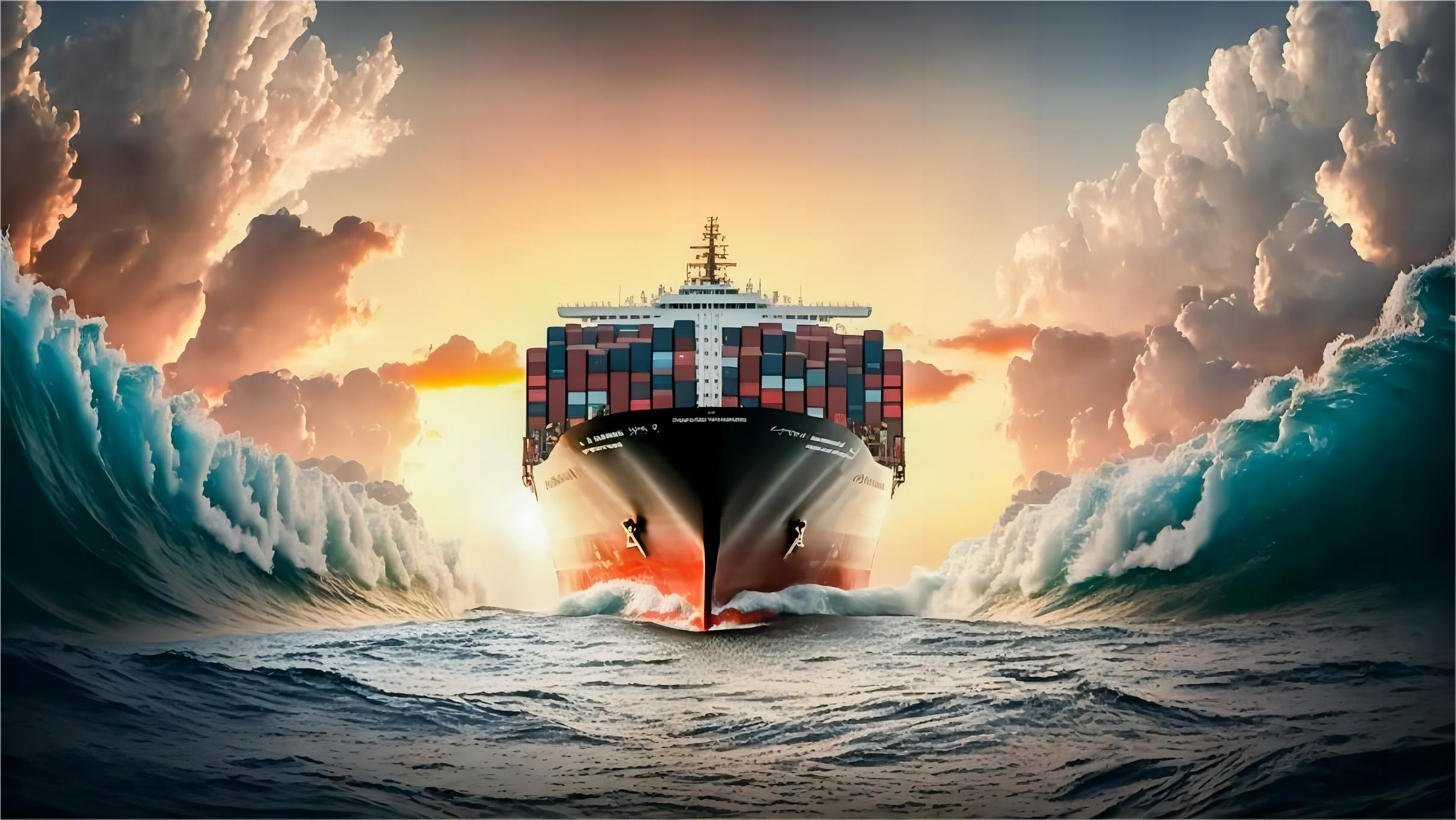
Furthermore, sea freight offers the lowest carbon footprint per ton of cargo compared to air transport. This makes it an attractive choice for companies focusing on sustainability goals. Nevertheless, you must account for longer transit times when planning your inventory cycles.
Alternative strategies often involve hybrid solutions to balance speed and cost. For example, some businesses use sea-air combinations to bypass port congestion during peak seasons. Additionally, rail freight serves as a middle ground for those needing faster delivery than sea but lower costs than air.
| Shipping Method | Cost Range (Approx) | Transit Time | Best For |
|---|---|---|---|
| Sea Freight (FCL) | $3,200 – $4,500 | 30 – 38 Days | Large bulk shipments |
| Air Freight | $5.50 – $9.00/kg | 5 – 8 Days | High-value, urgent goods |
| Rail Freight | $1.50 – $2.50/kg | 18 – 22 Days | Mid-range budget/speed |
| Express Service | $9.00 – $15.00/kg | 3 – 5 Days | Small parcels/samples |
Understanding the Benefits of Reliable Sea Freight
Choosing sea freight allows you to transport oversized items that would be impossible to move by plane. Moreover, the cost per unit drops significantly as your volume increases. This scalability is a primary reason why businesses rely on maritime routes for long-term growth.
Reliable freight forwarders provide end-to-end visibility through advanced tracking systems. Therefore, you can monitor your shipment’s progress from the Port of Shanghai all the way to Felixstowe. Such transparency helps in managing customer expectations and warehouse scheduling.
In addition, ocean carriers have established fixed schedules that offer predictability for your supply chain. Although weather conditions can occasionally cause delays, the overall reliability of major shipping lines is quite high. Consequently, you can plan your marketing campaigns around expected arrival dates.
FCL vs LCL: Which Method Should You Choose?
Deciding between Full Container Load (FCL) and Less than Container Load (LCL) depends largely on your shipment volume. For instance, if you have enough goods to fill a 20ft or 40ft container, FCL is usually the more economical and secure choice. It reduces the risk of damage since the container is only opened at the final destination.
On the other hand, LCL is perfect for smaller shipments that do not require a whole container. You only pay for the space you use, which is measured in cubic meters. Many businesses utilize door to door LCL services to simplify their logistics from the factory floor to the UK warehouse.
However, LCL shipments may take slightly longer due to the consolidation and deconsolidation process at the ports. Furthermore, the risk of handling errors is slightly higher because your goods share space with other shippers. Despite this, LCL remains a vital tool for small and medium-sized enterprises.
| Feature | FCL (Full Container) | LCL (Shared) | Decision Factor |
|---|---|---|---|
| Cost Basis | Flat rate per container | Rate per CBM/Weight | Volume threshold |
| Security | High (Sealed unit) | Moderate (Shared) | Product fragility |
| Transit Time | Faster (Direct) | Slower (Consolidated) | Urgency of need |
| Best For | Over 15 CBM | Under 15 CBM | Total shipment size |
Essential Customs Documentation for UK Imports
Navigating the legal requirements of the UK border is a critical aspect of international shipping. Professional customs brokerage services ensure that all paperwork is filed correctly to avoid costly delays. Without accurate documentation, your cargo could be held at the port for weeks, leading to significant demurrage fees.
Specifically, you will need a commercial invoice, a packing list, and a Bill of Lading for every shipment. Moreover, an EORI number is mandatory for any business importing goods into the United Kingdom. Failure to provide these documents will result in the immediate rejection of your customs entry.
Additionally, certain products may require specific licenses or certificates of origin. For example, electronics often need compliance certificates to meet UK safety standards. Therefore, consulting with an expert before the ship leaves China is a wise strategic move.
Major Shipping Routes and Transit Times to the UK
Most sea freight from China departs from major eastern ports like Ningbo, Shanghai, or Shenzhen. These hubs offer the most frequent departures and competitive rates due to high carrier competition. In contrast, using smaller inland ports might increase your domestic trucking costs within China.
While sea routes are the most common, some importers explore rail freight as a faster alternative through the Silk Road route. However, for the majority of consumer goods and industrial components, the sea route via the Suez Canal remains the standard. Typical transit times to UK ports like Felixstowe or Southampton range from 30 to 40 days.
Indeed, understanding these timelines is essential for maintaining proper stock levels. During peak seasons, such as the lead-up to Christmas, transit times can stretch due to port congestion. Consequently, experienced importers usually book their shipments at least 4-6 weeks in advance.
Realistic Case Studies of China to UK Sea Shipments
Case Study 1: Electronics Distribution
Route: Shenzhen, China to Felixstowe, UK. Cargo: Consumer electronics, 68 CBM, 12,500 kg. Container: 40HQ. Shipping Details: Direct route via major carrier. Port of Loading: Shenzhen. Port of Discharge: Felixstowe.
Cost Breakdown: Ocean Freight: $3,850. Origin Charges: $450. Destination Charges: $600. Customs & Duties: $2,200. Total Landed Cost: $7,100. Timeline: Booking to Loading: 4 days. Sea Transit: 33 days. Customs Clearance: 2 days. Total Door-to-Door: 42 days.
Key Insight: By choosing FCL for this high-volume shipment, the client saved approximately 25% compared to LCL rates. Based on Q4 2024 market rates, this was a highly efficient movement.
Case Study 2: Boutique Furniture Import
Route: Ningbo, China to Southampton, UK. Cargo: Designer wooden chairs, 8 CBM, 1,200 kg. Container: LCL. Shipping Details: Transshipment via Singapore. Port of Loading: Ningbo. Port of Discharge: Southampton.
Cost Breakdown: Ocean Freight: $720. Origin Charges: $200. Destination Charges: $350. Customs & Duties: $480. Total Landed Cost: $1,750. Timeline: Booking to Loading: 6 days. Sea Transit: 38 days. Customs Clearance: 3 days. Total Door-to-Door: 50 days.
Key Insight: LCL allowed this small business to import stock without the overhead of a full container. Typical rates as of early 2025 suggest LCL remains the best entry point for boutique retailers.
Which Shipping Option Should You Choose? A Decision Framework
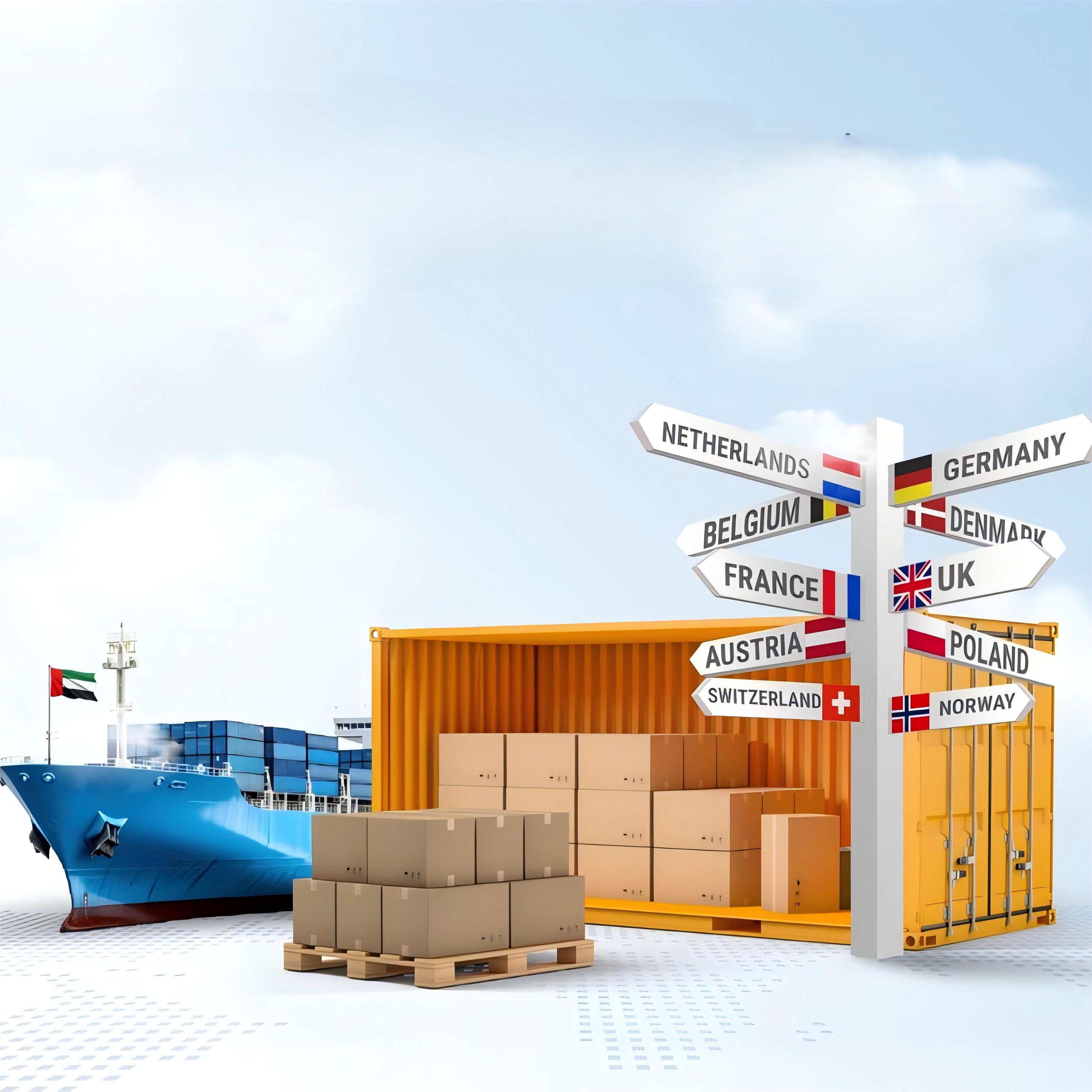
Selecting the right method involves balancing budget, speed, and cargo volume. If your primary goal is cost reduction and you have a flexible schedule, sea freight is the undisputed winner. However, if you are launching a new product and need it in stock immediately, air freight might be worth the premium.
Volume thresholds are also a major factor in this decision. Generally, if your shipment is over 15 CBM, you should compare the cost of a 20GP container against LCL rates. Often, the flat rate of a full container becomes cheaper than paying per cubic meter for large LCL loads.
Furthermore, consider the nature of your cargo. High-value items like jewelry or specialized medical equipment often require the speed and security of air or express services. Conversely, bulky items like furniture, machinery, and textiles are perfectly suited for the long-haul sea journey.
Strategic Tips to Lower Your Sea Freight Costs
One effective way to reduce expenses is to optimize your packaging to fit more units into a container. By reducing wasted space, you lower the landed cost per item. Additionally, negotiating Incoterms like FOB (Free On Board) gives you more control over the shipping costs and carrier selection.
Another strategy is to avoid shipping during peak seasons when rates skyrocket. For example, the weeks leading up to Chinese New Year often see a 20-30% increase in freight prices. Planning your shipments during the slack season can result in significant savings.
Finally, consolidating shipments from multiple suppliers into a single FCL container can drastically reduce your per-unit shipping cost. This requires a freight forwarder with a strong warehouse network in China. Consequently, choosing a partner with local expertise is vital for successful consolidation.
Mastering Your UK Imports with Expert Sea Freight
In conclusion, leveraging professional freight forwarding services china by sea uk is the most effective way to manage large-scale imports. By understanding the differences between FCL and LCL, and preparing your customs documentation in advance, you can avoid common pitfalls. The maritime route offers unparalleled cost-efficiency and capacity for businesses of all sizes.
As market conditions evolve in 2025, staying informed about transit times and freight rates will remain a competitive advantage. Partnering with a reliable forwarder like China Trade Freight ensures that your logistics are handled with precision. Start planning your next shipment today to secure the best rates and ensure timely delivery to the United Kingdom.

Ready to streamline your logistics?
Ready to optimize your supply chain with professional freight forwarding services china by sea uk? Contact our expert team today for a customized quote and streamlined logistics support. Visit our website to request your free shipping consultation and discover how we can help your business grow. Send Inquiry: https://chinatradefreight.com/
Request Quote