

China Export Logistics with Tracking: A Complete Guide for 2025
Navigating the complexities of international trade requires a robust strategy for visibility and control. When you partner with China Trade Freight, you gain a competitive edge through streamlined operations and real-time data. Implementing professional china export logistics with tracking ensures that your inventory remains visible from the factory floor to the final destination. Businesses today demand transparency to manage customer expectations and reduce the risks associated with global shipping. This guide explores the essential components of modern logistics, focusing on how tracking technology transforms the export process from China to the world.
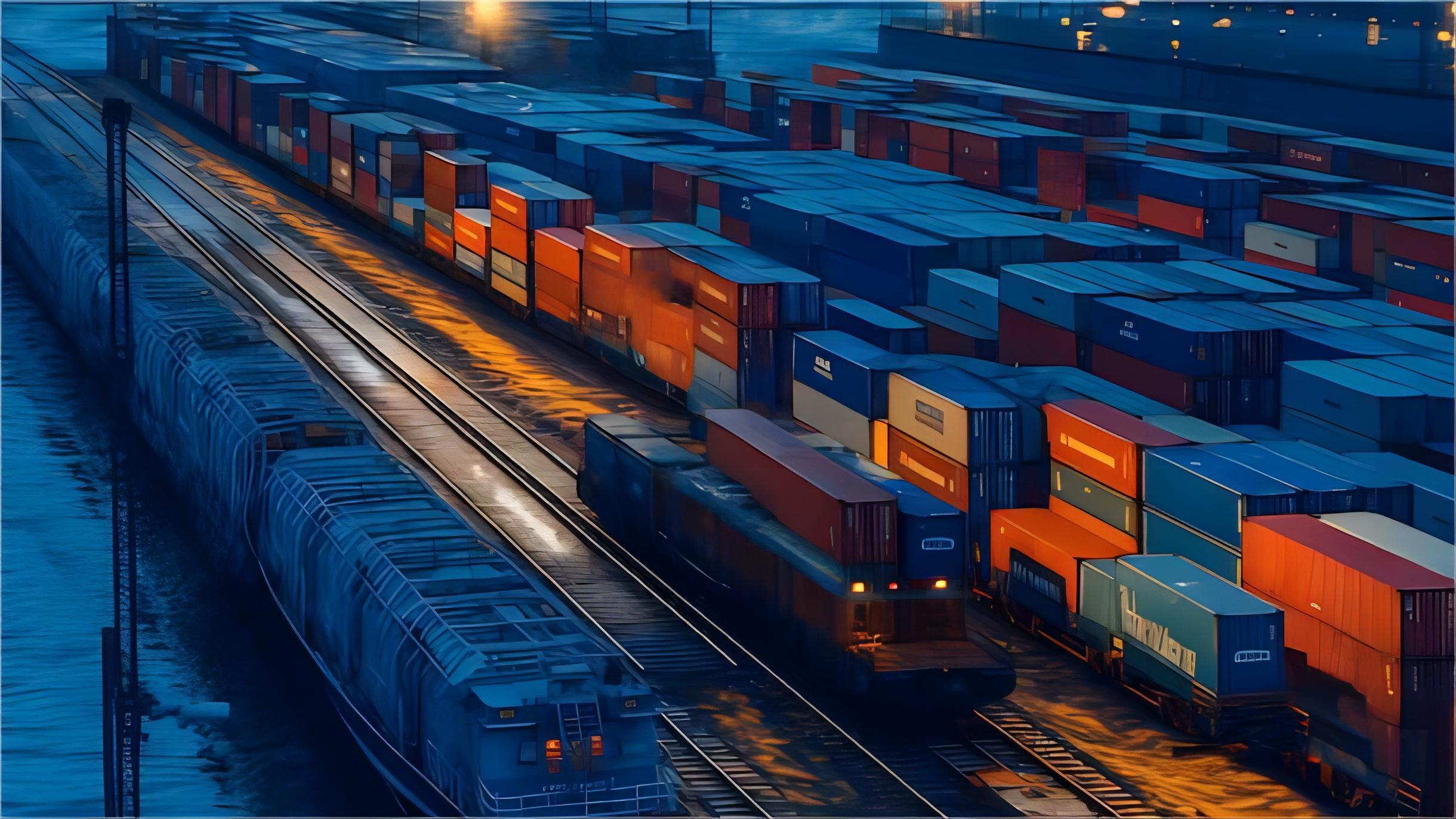
What Is China Export Logistics with Tracking?
Modern logistics involves much more than just moving boxes from one country to another. It encompasses a sophisticated network of carriers, warehouses, and digital systems that work in harmony. China export logistics with tracking refers to the integrated process of managing goods as they leave Chinese manufacturing hubs, supported by real-time data monitoring. This system allows importers to see the exact location and status of their cargo at any given moment.
Digital tools have revolutionized how we perceive the movement of freight across oceans and continents. Consequently, the term tracking now implies more than just a simple delivery confirmation. It includes milestones such as container loading, customs release, vessel departure, and arrival at the port of discharge. Furthermore, advanced systems provide automated alerts for potential delays, allowing managers to adjust their supply chain plans proactively.
Choosing a logistics partner that prioritizes technology is vital for long-term success. Reliable tracking reduces the uncertainty that often plagues international trade. In addition, it provides a verifiable record of the shipment history, which is essential for insurance claims or resolving disputes with suppliers. By focusing on data-driven logistics, companies can achieve a level of efficiency that was previously impossible in the world of global shipping.
Why Tracking Is Essential for China Export Logistics?
Visibility serves as the backbone of a resilient supply chain in the current market environment. Without accurate tracking, importers are essentially operating in the dark, leading to increased stress and potential financial loss. China export logistics with tracking provides the necessary data to manage inventory levels precisely. As a result, companies can reduce the amount of safety stock they hold, freeing up valuable capital for other business needs.
Customers today expect immediate information regarding their orders, regardless of where they are shipped from. Providing real-time updates enhances the customer experience and builds trust in your brand. Moreover, tracking data helps in identifying bottlenecks within the shipping route. If a particular port consistently experiences delays, you can use this information to choose an alternative path for future shipments.
Risk management becomes significantly easier when you have access to live location data. For instance, if a vessel is diverted due to weather or port congestion, you will know immediately rather than waiting for the scheduled arrival date to pass. This early warning allows you to communicate with your own customers or production teams. Indeed, the ability to respond quickly to changes is what separates successful importers from those who struggle with logistical challenges.
How Does China Export Logistics with Tracking Compare to Other Shipping Options?
Selecting the right shipping method requires a careful balance between cost, speed, and the level of visibility required. While all modern methods offer some form of tracking, the frequency and detail of updates vary significantly. For example, express services provide the most granular tracking data, often updating every few hours. In contrast, sea freight might only update when the vessel reaches major waypoints or transshipment hubs.
Comparing these options helps businesses align their logistics strategy with their specific operational goals. High-value electronics often require the speed and security of air transport. Meanwhile, bulky furniture or raw materials are almost always better suited for ocean transport due to the lower cost per unit. Therefore, understanding the trade-offs between each method is essential for optimizing your landed cost.
Hybrid solutions have also emerged as a popular alternative for those seeking a middle ground. Sea-air or rail-sea combinations can offer a balance of speed and cost-effectiveness. These multi-modal strategies still utilize china export logistics with tracking, ensuring that the transition between different transport modes is documented. Below is a detailed comparison of the primary shipping methods available for exports from China.
| Shipping Method | Cost Range | Transit Time | Best For |
|---|---|---|---|
| Express Service | Highest | 3-5 Days | Small, high-value parcels |
| Air Freight | High | 5-10 Days | Urgent inventory restocks |
| Rail Freight | Medium | 15-22 Days | Mid-value goods to Europe |
| Sea Freight | Lowest | 20-45 Days | Bulk cargo and containers |
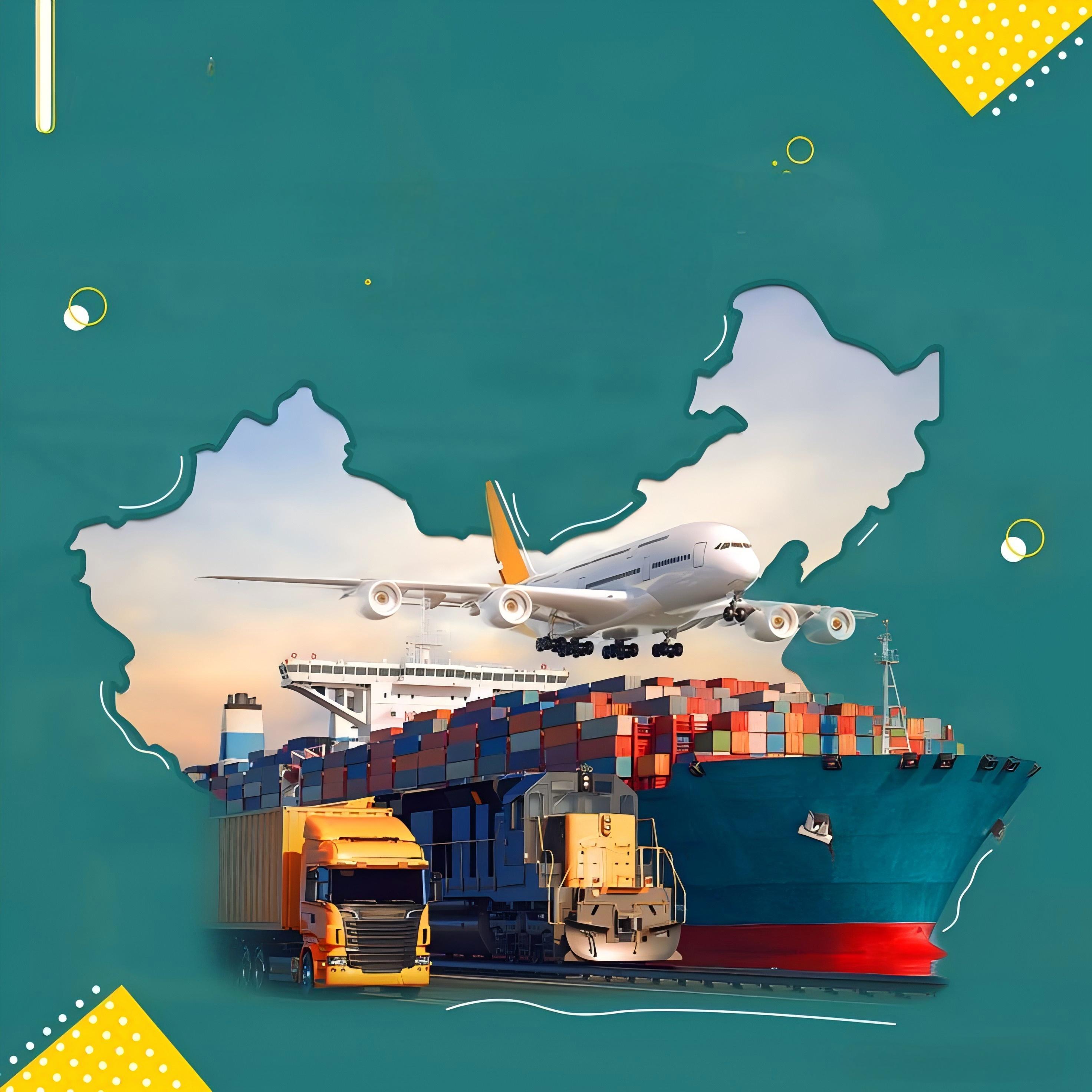
Main Shipping Methods for China Export Logistics with Tracking
Ocean Freight Solutions
Consider sea freight for large shipments that do not require immediate delivery. This method remains the most economical way to transport goods globally. Most major ocean carriers now provide sophisticated tracking platforms that integrate with modern logistics software. Consequently, you can monitor your container from the moment it leaves the factory in Ningbo or Shanghai until it arrives at your warehouse.
Air Freight Services
Utilizing air freight is the best strategy for time-sensitive cargo. Although the cost is higher, the transit time is significantly reduced compared to ocean transport. Tracking for air cargo is highly detailed, often including flight numbers and real-time status updates at each airport. This level of precision is ideal for seasonal products or urgent replacement parts.
Rail Freight to Europe
For shipments moving toward the West, rail freight offers a unique alternative. It is faster than sea freight and much cheaper than air freight. The China-Europe Railway Express provides consistent tracking across multiple borders. This method has become increasingly popular for automotive parts and consumer electronics destined for the European market.
Express and Courier Options
Choose express service for your smallest and most urgent shipments. Companies like DHL, FedEx, and UPS offer end-to-end tracking that is incredibly user-friendly. This is often the preferred choice for e-commerce sellers shipping samples or small batches of inventory directly to customers. The integration of china export logistics with tracking in these services is world-class.
Understanding Costs in China Export Logistics with Tracking
Freight rates are influenced by a variety of factors, including fuel prices, seasonal demand, and carrier capacity. As of early 2025, market data suggests that rates have stabilized following previous global disruptions. However, it is important to remember that the base freight rate is only one part of the total cost. You must also account for origin charges, destination fees, and customs duties.
Tracking services are often included in the freight quote, but advanced reporting might carry an additional fee. Nevertheless, the investment in visibility usually pays for itself by preventing costly delays and errors. For example, knowing exactly when a container will arrive allows you to schedule trucking services in advance, avoiding expensive port storage fees. Therefore, you should view tracking as a cost-saving tool rather than an extra expense.
Note: Freight rates are subject to change based on fuel costs, carrier capacity, and seasonal demand. Contact us for a current quote tailored to your specific shipment.
| Route | 20GP Container | 40HQ Container | Est. Transit |
|---|---|---|---|
| China to USA West | $1,600 – $2,300 | $2,900 – $3,900 | 14-18 Days |
| China to Europe | $1,900 – $2,600 | $3,100 – $4,300 | 30-35 Days |
| China to Australia | $900 – $1,300 | $1,500 – $2,100 | 12-18 Days |
| China to UK | $2,100 – $2,900 | $3,600 – $4,600 | 32-40 Days |
Documentation and Customs Brokerage Requirements
Navigating the legal requirements of international trade is a critical step in the logistics process. Proper documentation ensures that your goods pass through customs without unnecessary delays. Working with an experienced customs brokerage professional can simplify this complex task. They manage the filing of entry documents and ensure compliance with all local regulations.
Tracking systems often include a document management component. This allows you to upload and store commercial invoices, packing lists, and bills of lading in one central location. Consequently, all parties involved in the shipment have access to the necessary paperwork. This transparency reduces the likelihood of errors that could lead to customs holds or fines.
Inaccurate documentation is one of the leading causes of shipment delays in China export logistics. Therefore, you must verify all details before the cargo leaves the origin port. Common documents include the Certificate of Origin, Insurance Certificate, and specific licenses for regulated goods. Maintaining a digital trail of these documents alongside your tracking data provides a comprehensive view of your shipment’s compliance status.
Real Case Studies in China Export Logistics
Case Study 1: Electronics Shipment to Los Angeles. Route: Shenzhen to Los Angeles. Cargo: Consumer Electronics, 18 CBM, 4,500 kg. Container: 20GP. Carrier: Major Ocean Carrier. Port of Loading: Shenzhen. Port of Discharge: Los Angeles. Ocean Freight: $2,150. Origin Charges: $350. Destination Charges: $500. Customs and Duties: $1,200. Total Landed Cost: $4,200. Timeline: Booking to Loading: 3 days. Sea Transit: 16 days. Customs Clearance: 2 days. Total Door-to-Door: 21 days. Key Insight: Real-time tracking allowed the importer to schedule warehouse staff 48 hours before the container arrived, saving on labor costs.
Case Study 2: Textile Export to Hamburg. Route: Ningbo to Hamburg. Cargo: Apparel, 65 CBM, 12,000 kg. Container: 40HQ. Carrier: Global Logistics Partner. Port of Loading: Ningbo. Port of Discharge: Hamburg. Ocean Freight: $3,850. Origin Charges: $450. Destination Charges: $650. Customs and Duties: $2,100. Total Landed Cost: $7,050. Timeline: Booking to Loading: 4 days. Sea Transit: 33 days. Customs Clearance: 3 days. Total Door-to-Door: 40 days. Key Insight: Despite a 3-day delay at the Suez Canal, the tracking system provided immediate updates, allowing the retailer to adjust their marketing launch date accordingly.
Which Option Should You Choose?
Deciding on the best logistics strategy depends on your specific business priorities. If your primary goal is to minimize costs, sea freight is the clear winner for large volumes. However, if speed is the most critical factor, air freight or express services are necessary. You must also consider the nature of your cargo, as fragile or perishable items may require specialized handling and faster transit.
Budget priority: Recommend sea freight for non-urgent bulk shipments. Speed priority: Recommend air freight or express service for high-value or urgent goods. Volume thresholds: For shipments under 1 CBM, express is usually best. Between 1 and 15 CBM, LCL sea freight is often the most economical. Over 15 CBM, FCL sea freight becomes the most cost-effective choice.
Hybrid solutions should be considered for mid-range requirements. For instance, shipping from China to Europe via rail offers a significant time saving over sea freight while remaining much cheaper than air. Always evaluate the total landed cost and the value of tracking visibility when making your final decision. Industry average for these routes suggests that a balanced approach often yields the best results for growing businesses.
Mastering Your Global Supply Chain
Achieving success in international trade requires a combination of reliable shipping methods and advanced technology. By prioritizing china export logistics with tracking, you ensure that your business remains agile and informed. This transparency allows you to manage risks, satisfy customers, and optimize your overall logistics costs.
Furthermore, the data gathered from tracking systems provides valuable insights into your supply chain’s performance. You can identify the most reliable carriers and the most efficient routes over time. Consequently, your logistics strategy becomes a source of competitive advantage rather than just a cost of doing business.
In summary, the future of global trade is digital and transparent. Partnering with a professional freight forwarder who offers robust tracking solutions is the best way to navigate the complexities of exporting from China in 2025 and beyond.
Ready to streamline your logistics?
Maximize your shipping efficiency and gain full control over your supply chain today. Contact our experts to receive a customized quote for china export logistics with tracking that fits your business needs. Visit our inquiry page to get started: See: https://chinatradefreight.com/contact/
Request Quote