

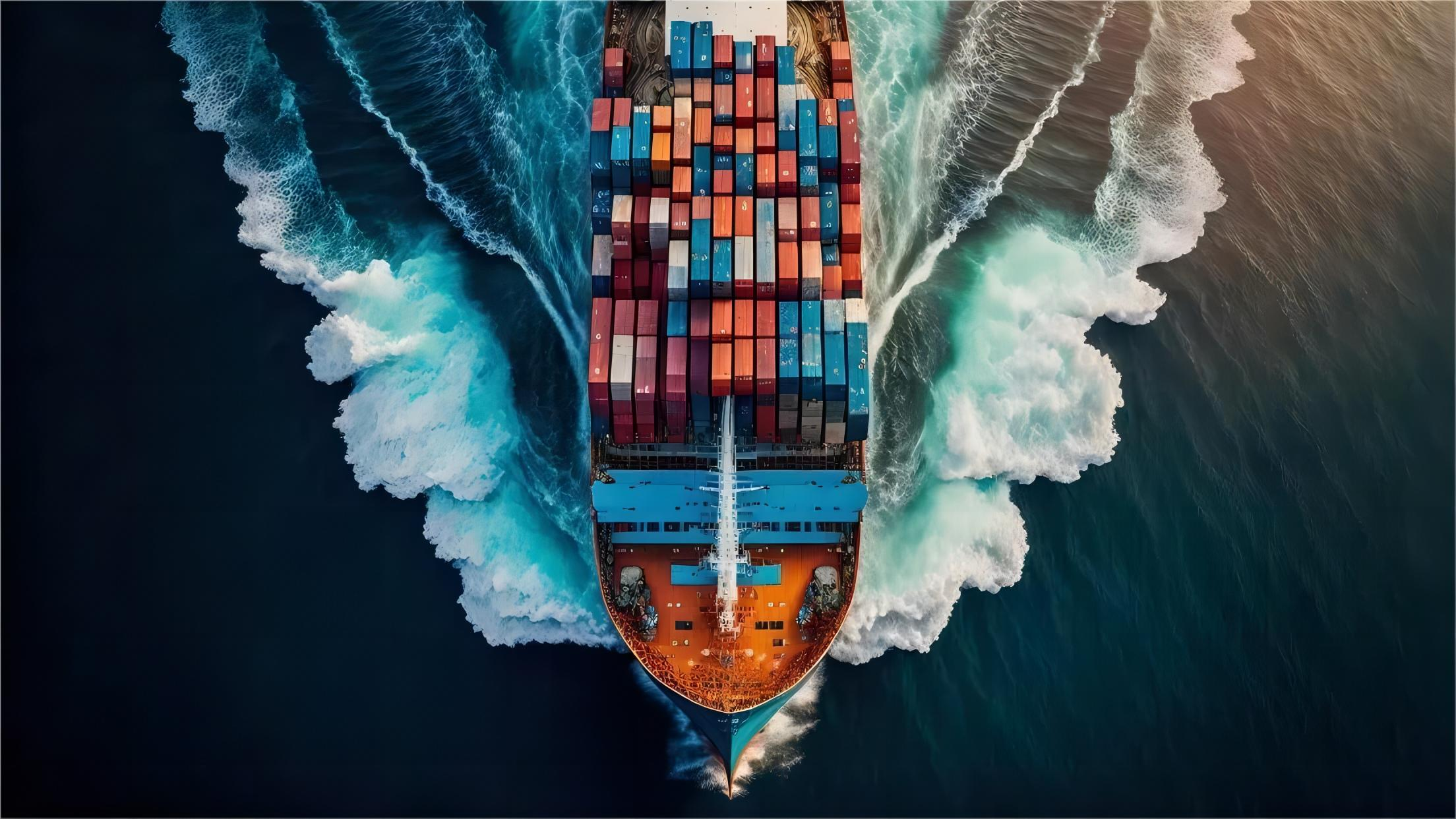
2026 Shipping Quote China to Europe: Complete Freight Rate Guide
“Securing an accurate shipping quote china to europe is the first step toward a successful international trade venture in 2026. Navigating the complexities of global logistics requires a clear understanding of current market trends and pricing structures. This guide provides comprehensive insights into freight costs, transit times, and the best methods to move your cargo efficiently across continents.”
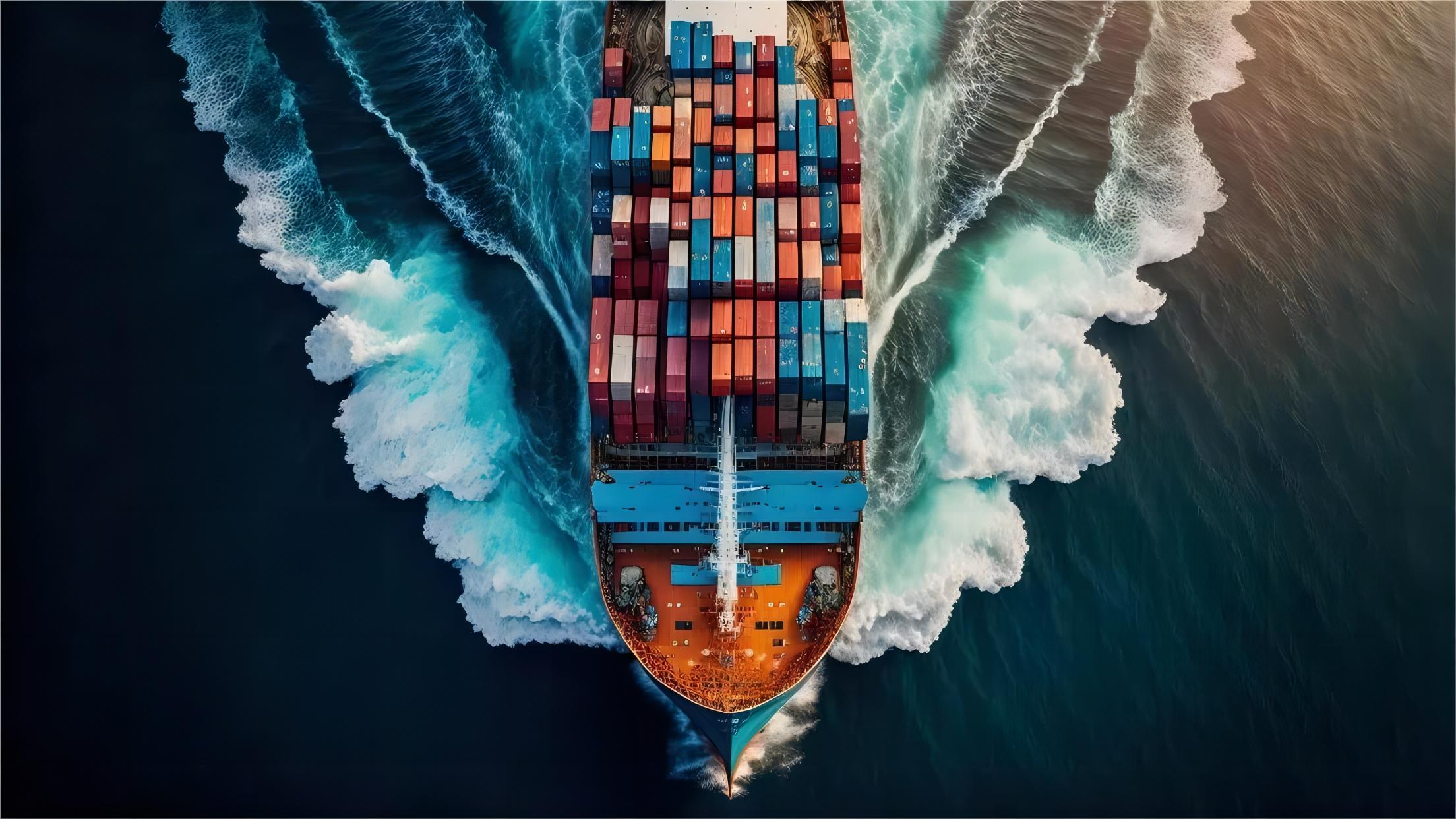
How to Calculate Your Shipping Quote China to Europe
❖Determining the final cost of your shipment involves several variables that freight forwarders consider during the quoting process. Initially, you must identify the volume and weight of your goods, as these factors dictate the primary freight charge. Specifically, sea freight often relies on container size, while air freight uses a volumetric weight calculation to determine pricing.
Moreover, the choice of Incoterms significantly impacts your total landed cost by defining the responsibilities of the buyer and seller. For instance, an EXW quote will include pickup costs from the factory, whereas an FOB quote starts at the port of loading. Consequently, you should always specify your preferred Incoterms when requesting a quote to ensure an apples-to-apples comparison between different providers.
Furthermore, seasonal demand fluctuations can cause rates to spike during peak periods like the pre-Lunar New Year rush. Therefore, planning your shipments well in advance helps you avoid premium pricing and capacity shortages. Industry benchmarks suggest that booking at least three to four weeks before the departure date offers the best balance of price and reliability.
Key Factors Influencing Freight Rates in 2026
Market intelligence for Q1 2026 indicates that fuel surcharges remain a volatile component of every shipping quote china to europe. Additionally, port congestion levels in major European hubs like Rotterdam and Hamburg can lead to unexpected surcharges. Carriers often implement General Rate Increases (GRI) at the start of each month, making it essential to lock in your rates early.
Currency exchange rates also play a subtle but important role in the final invoice amount you receive. Since most international freight is quoted in USD, fluctuations against the Euro or Yuan can affect your total expenses. Accordingly, some importers use hedging strategies or fixed-rate agreements with their logistics partners to mitigate this financial risk.
Comparing Sea Freight Options for European Imports
❖Utilizing sea freight remains the most cost-effective strategy for transporting large volumes of goods from China to the European continent. Generally, you can choose between Full Container Load (FCL) and Less than Container Load (LCL) depending on your cargo size. FCL is ideal for shipments exceeding 15 cubic meters, providing better security and faster handling at the port.
On the other hand, LCL allows you to pay only for the space you use, which is perfect for smaller businesses or trial shipments. Nevertheless, LCL shipments involve consolidation and deconsolidation processes that add several days to the overall transit time. You must weigh the cost savings of LCL against the potential for longer delivery windows and increased handling risks.
Typically, the route from Shanghai to Northern Europe takes between 30 and 35 days under normal conditions. Recently, however, environmental regulations and slow-steaming practices have slightly extended these timelines to reduce carbon emissions. Despite these longer durations, sea freight offers the lowest carbon footprint per ton of cargo moved, supporting sustainable supply chain goals.
| Container Type | Capacity (CBM) | Estimated Cost (2026) | Best Use Case |
|---|---|---|---|
| 20GP Standard | 33 CBM | $1,800 – $2,500 | Heavy machinery |
| 40GP Standard | 67 CBM | $2,800 – $3,800 | General consumer goods |
| 40HQ High Cube | 76 CBM | $3,000 – $4,200 | Voluminous cargo |
| LCL (Per CBM) | Variable | $50 – $95 | Small shipments |
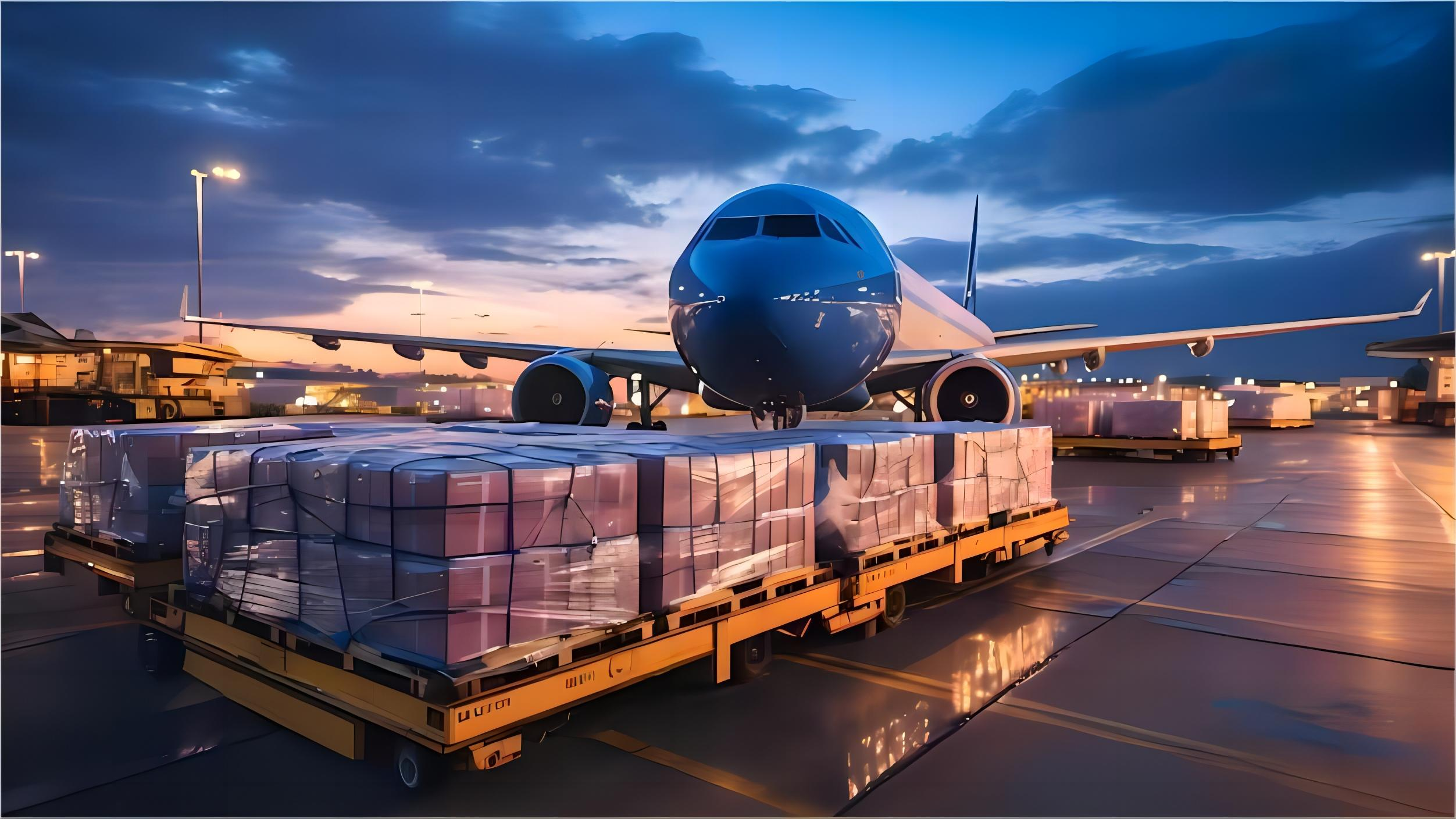
When to Choose Air Freight for Urgent Shipments
❖Selecting air freight is the superior choice when speed is your primary priority for high-value or time-sensitive products. Indeed, air transport reduces the transit time from weeks to just a few days, which is critical for electronics, fashion, or medical supplies. While the cost is significantly higher than sea freight, the reduction in inventory holding costs can sometimes justify the investment.
Standard air freight services usually deliver cargo within 5 to 8 days, including customs clearance and local handling. Alternatively, express services can shorten this window to 3 to 5 days for urgent requirements. Because air cargo space is limited, rates are highly sensitive to market demand and seasonal peaks, such as the Q4 holiday shopping season.
Indeed, as of early 2026, air freight rates from China to Europe range between $5.00 and $8.50 per kilogram for standard shipments. Larger volumes may qualify for lower contract rates, but spot market pricing remains the norm for most occasional importers. To minimize costs, you should ensure your packaging is as compact as possible to avoid high volumetric weight charges.
The Rise of Rail Freight as a Middle Ground
❖Choosing rail freight provides a balanced alternative that bridges the gap between the speed of air and the economy of sea transport. The Trans-Siberian and New Silk Road routes have become increasingly reliable for shipments traveling from inland China to Eastern and Central Europe. Consequently, many businesses now use rail to maintain a consistent supply chain without the high costs of air transport.
Transit times for rail freight typically range from 15 to 22 days, depending on the specific origin and destination cities. For example, a train from Chengdu to Warsaw is much faster than a ship traveling through the Suez Canal. Additionally, rail freight is less affected by weather conditions compared to sea transport, offering a higher degree of schedule predictability.
Nevertheless, rail capacity is more restricted than sea freight, meaning that space can fill up quickly during busy periods. Importers should also consider that rail freight is primarily suited for containerized goods and may not be compatible with certain hazardous materials. To ensure a smooth experience, verify that your cargo meets the specific requirements for international rail transport through Central Asia.
Navigating Customs and Documentation Requirements
❖Professional customs brokerage services are essential for preventing delays and ensuring compliance with European Union regulations. Every shipping quote china to europe should ideally account for the administrative costs associated with filing entry declarations and paying duties. Specifically, you will need a Commercial Invoice, a Packing List, and a Bill of Lading or Air Waybill for every shipment.
Moreover, certain products may require additional certifications, such as CE marking for electronics or phytosanitary certificates for agricultural goods. Failure to provide accurate documentation can lead to expensive storage fees at the port or even the seizure of your cargo by customs authorities. Therefore, working with an experienced broker helps you navigate the complex landscape of HS codes and tariff classifications.
Indeed, the implementation of the Import Control System 2 (ICS2) in Europe has made data accuracy more critical than ever before. Carriers now require detailed cargo descriptions well before the ship arrives at the European port of entry. Accordingly, you must ensure that your supplier provides precise information to avoid administrative penalties and clearance bottlenecks.
| Document Name | Purpose | Source | Requirement |
|---|---|---|---|
| Commercial Invoice | Valuation for duties | Supplier | Mandatory |
| Packing List | Cargo verification | Supplier | Mandatory |
| Bill of Lading | Title to goods | Carrier | Mandatory |
| Certificate of Origin | Preferential tariffs | Chamber of Commerce | Optional |
Shipping from China to Europe: Regional Considerations
❖Understanding the logistics of shipping-from-china-to-europe requires a focus on the specific destination country’s infrastructure. While Northern European ports like Antwerp are highly efficient, Mediterranean ports may offer faster access for shipments destined for Southern Europe. Choosing the right port of discharge can save several days of inland transit time via truck or barge.
Furthermore, the choice of transportation within Europe depends heavily on the final delivery location and the urgency of the goods. For instance, trucking is the standard for door-to-door delivery, but rail or barge options are often cheaper for heavy industrial cargo. Consequently, your freight forwarder should provide a multi-modal solution that optimizes both the international and local segments of the journey.
Note: Freight rates are subject to change based on fuel costs, carrier capacity, and seasonal demand. Contact us for a current quote tailored to your specific shipment.

How Does Sea Freight Compare to Other Shipping Options?
❖Analyzing the trade-offs between different transport modes is vital for optimizing your logistics budget and meeting customer expectations. While sea freight is the cheapest option, it requires you to carry more inventory due to the long transit times. In contrast, air freight allows for lean inventory management but significantly increases your cost of goods sold.
Hybrid solutions, such as sea-air or rail-sea combinations, are also gaining popularity in 2026 as businesses seek flexible alternatives. For example, shipping by sea from China to Dubai and then by air to Europe can save time compared to pure sea freight while remaining cheaper than pure air freight. These creative strategies allow you to adapt to changing market conditions and supply chain disruptions.
| Shipping Method | Cost Range | Transit Time | Best For |
|---|---|---|---|
| Sea Freight | $1,800 – $4,200 | 30 – 40 Days | Bulk / Heavy Goods |
| Air Freight | $5.00 – $8.50/kg | 3 – 7 Days | Urgent / High Value |
| Rail Freight | $2,500 – $3,500 | 15 – 22 Days | Mid-range urgency |
| Express | $9.00 – $15.00/kg | 2 – 4 Days | Samples / Documents |
Which Option Should You Choose?
❖Budget priority: If your main goal is to minimize costs and your lead times are flexible, sea freight is the definitive choice. For shipments under 15 CBM, utilize LCL services to keep expenses low, while larger shipments should always move via FCL for better efficiency. This approach is best for established product lines with predictable demand patterns.
Speed priority: When you are launching a new product or responding to a sudden stockout, air freight or express services are necessary. Although the cost is high, the ability to fulfill orders quickly can protect your market share and maintain customer satisfaction. Use this method sparingly to avoid eroding your profit margins over the long term.
Balanced priority: For many businesses, rail freight offers the perfect compromise by providing faster delivery than the sea at a fraction of the air freight cost. This is particularly effective for high-value industrial parts or consumer electronics that do not require overnight delivery but cannot wait six weeks for a ship.
Realistic Case Studies for China-Europe Routes
❖Case Study 1: High-Volume Electronics Export
+———————————————————+
| Route: Shenzhen, China to Hamburg, Germany |
| Cargo: Consumer Electronics, 68 CBM, 14,000 kg |
| Container: 40HQ Full Container |
| |
| Shipping Details: |
| – Carrier/Service: Major Ocean Carrier |
| – Port of Loading: Shenzhen |
| – Port of Discharge: Hamburg |
| – Route Type: Direct via Suez Canal |
| |
| Cost Breakdown: |
| – Ocean Freight: $3,950 |
| – Origin Charges: $450 |
| – Destination Charges: $550 |
| – Total Landed Cost: $4,950 |
| |
| Timeline: |
| – Sea Transit: 33 days |
| – Total Door-to-Door: 42 days |
| |
| Key Insight: Direct routing saved 5 days vs transship. |
+———————————————————+
Based on Q1 2026 market rates.
Case Study 2: Urgent Industrial Components
+———————————————————+
| Route: Shanghai, China to Paris, France |
| Cargo: Precision Valves, 2.5 CBM, 450 kg |
| Service: Standard Air Freight |
| |
| Shipping Details: |
| – Carrier/Service: Commercial Airline Cargo |
| – Airport of Departure: Shanghai Pudong (PVG) |
| – Airport of Arrival: Paris (CDG) |
| |
| Cost Breakdown: |
| – Air Freight Charge: $3,150 ($7.00/kg) |
| – Fuel/Security Surcharges: $420 |
| – Customs Clearance: $150 |
| – Total Landed Cost: $3,720 |
| |
| Timeline: |
| – Flight Time: 14 hours |
| – Total Door-to-Door: 6 days |
| |
| Key Insight: Air freight prevented a factory shutdown. |
+———————————————————+
Typical rates as of early 2026.
Door to Door Logistics and Final Mile Delivery
❖Implementing a door to door service simplifies the entire process by consolidating all logistics stages into a single quote. This model covers everything from the initial factory pickup in China to the final delivery at your warehouse in Europe. Consequently, you spend less time managing multiple vendors and more time focusing on your core business operations.
Specifically, DDP (Delivered Duty Paid) terms are often preferred by smaller importers who want to know the exact total cost upfront. Under DDP, the freight forwarder handles all taxes, duties, and customs formalities, providing a truly hands-off experience. However, you should ensure that your forwarder has a strong local network in the destination country to handle the final mile delivery efficiently.
Finally, tracking technology has advanced significantly in 2026, allowing you to monitor your shipment’s progress in real-time. Most modern logistics providers offer digital platforms where you can view the status of your shipping quote china to europe and track the vessel or aircraft. This transparency helps you manage customer expectations and plan your inventory replenishment with greater accuracy.
Mastering Your China to Europe Logistics
Summarizing the logistics landscape for 2026, it is clear that success depends on choosing the right transport mode and planning for seasonal variations. Whether you prioritize the cost savings of sea freight or the speed of air freight, obtaining a detailed shipping quote china to europe is essential for financial accuracy. By understanding the factors that influence rates and working with a reliable freight forwarder, you can navigate the complexities of international trade with ease.
Indeed, the combination of digital tracking, diverse transport options, and professional customs support makes shipping from China more accessible than ever. Stay informed about market trends and always verify your documentation to ensure a seamless import process. Your logistics strategy is a key driver of your business growth in the competitive European market.

Ready to streamline your logistics?
Ready to optimize your supply chain with a competitive shipping quote china to europe? Contact our expert team today to receive a personalized freight solution tailored to your business needs and start shipping with confidence. Visit https://chinatradefreight.com/ to get started.
Request Quote