

China Cargo Shipping Affordable: Best Logistics Strategies for 2025
Finding China cargo shipping affordable solutions is essential for businesses looking to maintain healthy profit margins in a competitive global market. Many importers struggle with rising logistics costs, yet several strategic approaches can significantly reduce your total landed cost. By partnering with an experienced logistics provider like China Trade Freight, you can access discounted carrier rates and expert guidance. This article explores the most cost-effective methods for transporting goods internationally while maintaining reliability.

What Makes China Cargo Shipping Affordable for Modern Businesses?
Affordability in the shipping industry is often defined by the balance between speed and expenditure. Consequently, businesses must evaluate their specific needs before selecting a transport mode. Several factors influence the final price, including fuel surcharges, seasonal demand, and container availability.
Moreover, choosing the right shipping terms, or Incoterms, can prevent unexpected fees at the destination port. For instance, FOB (Free On Board) is often more economical for importers than CIF (Cost, Insurance, and Freight) because it allows for better control over the ocean freight costs. Therefore, understanding these nuances is the first step toward optimization.
Additionally, consolidating smaller shipments into a single container can lead to massive savings. This process, known as LCL (Less than Container Load), allows multiple importers to share the cost of a single shipping unit. Indeed, this flexibility is a cornerstone of modern, affordable logistics.
How Does Sea Freight Compare to Other Shipping Options?
Sea transport remains the most common choice for those seeking to keep their China cargo shipping affordable. While it is slower than air travel, the cost per cubic meter is significantly lower. Specifically, for large volumes of heavy goods, ocean freight is often the only viable financial choice.
Furthermore, modern container ships have become more efficient, reducing the carbon footprint and the cost per unit of cargo. On the other hand, air freight serves as a premium alternative when time is of the essence. However, the price difference can be staggering, sometimes costing five to ten times more than sea transport.
In contrast, rail freight offers a middle ground for shipments destined for Europe or Central Asia. It provides faster transit than the sea but at a lower price point than air. Consequently, businesses often use a mix of these methods to balance their supply chain requirements.
| Shipping Method | Cost Range | Transit Time | Best For |
|---|---|---|---|
| Sea Freight | $1,500 – $4,500 | 25 – 45 Days | Bulk Goods |
| Air Freight | $5 – $12 per kg | 3 – 7 Days | Urgent Cargo |
| Rail Freight | $2,500 – $6,000 | 15 – 22 Days | European Routes |
| Express | $8 – $15 per kg | 2 – 5 Days | Samples |

Which Option Should You Choose for Your Business?
Selecting the ideal method depends on your budget, cargo volume, and required delivery date. If your priority is keeping costs at a minimum, you should recommend sea freight for almost all non-perishable goods. This method is particularly effective for shipments exceeding 2 cubic meters in volume.
When speed is the primary concern, air freight is the logical recommendation despite the higher price tag. This is typical for high-value electronics or seasonal fashion items that must hit the shelves immediately. For shipments between 150kg and 500kg, the price gap between air and sea begins to narrow, making air more attractive.
Cargo type also dictates the method, as hazardous materials or oversized machinery may require specialized sea containers. Ultimately, volume thresholds often determine when it is more economical to switch from LCL to FCL (Full Container Load). Typically, once a shipment reaches 15 cubic meters, a 20-foot container becomes the cheaper option.
Maximizing Value with Sea Freight Services
To ensure your sea freight operations remain cost-effective, you must plan your bookings well in advance. Generally, booking at least three to four weeks before the vessel departure date secures better rates. Moreover, avoid shipping during peak seasons like the weeks leading up to the Chinese New Year.
During these high-demand periods, carriers often implement General Rate Increases (GRI) that can double the cost of a container. Therefore, maintaining a flexible production schedule allows you to wait for more favorable market conditions. Meanwhile, choosing direct routes can save time, though transshipment options might offer lower prices.
Note: Freight rates are subject to change based on fuel costs, carrier capacity, and seasonal demand. Contact us for a current quote tailored to your specific shipment.
When to Prioritize Air Freight for Speed
While sea freight is cheaper, air freight provides a level of security and speed that ocean transport cannot match. For instance, goods are handled less frequently in airports, which reduces the risk of damage or theft. Consequently, insurance premiums for air cargo are often lower than those for sea cargo.
Additionally, the fast turnaround time means you can maintain lower inventory levels in your warehouse. This reduces your storage costs and improves your overall cash flow. Nevertheless, you should always calculate the volumetric weight of your air shipment to avoid unexpected surcharges from the airline.
Indeed, for small, high-value items, the total landed cost using air transport might be surprisingly competitive when factoring in reduced warehousing needs.
Utilizing Rail Freight for Land-Based Routes
For companies shipping to Europe, rail freight has emerged as a revolutionary alternative. It follows the Silk Road route, connecting major Chinese hubs like Chengdu and Xi’an directly to European terminals. Consequently, it offers a transit time of approximately 18 days, which is twice as fast as sea freight.
Moreover, rail transport is less affected by weather conditions compared to sea or air. This reliability makes it easier to manage strict delivery schedules for manufacturing components. However, rail freight is not an option for island nations like Australia or the United Kingdom, where sea or air remain the only choices.
Accordingly, businesses in mainland Europe should consider rail as a strategic way to keep their China cargo shipping affordable without sacrificing too much time.
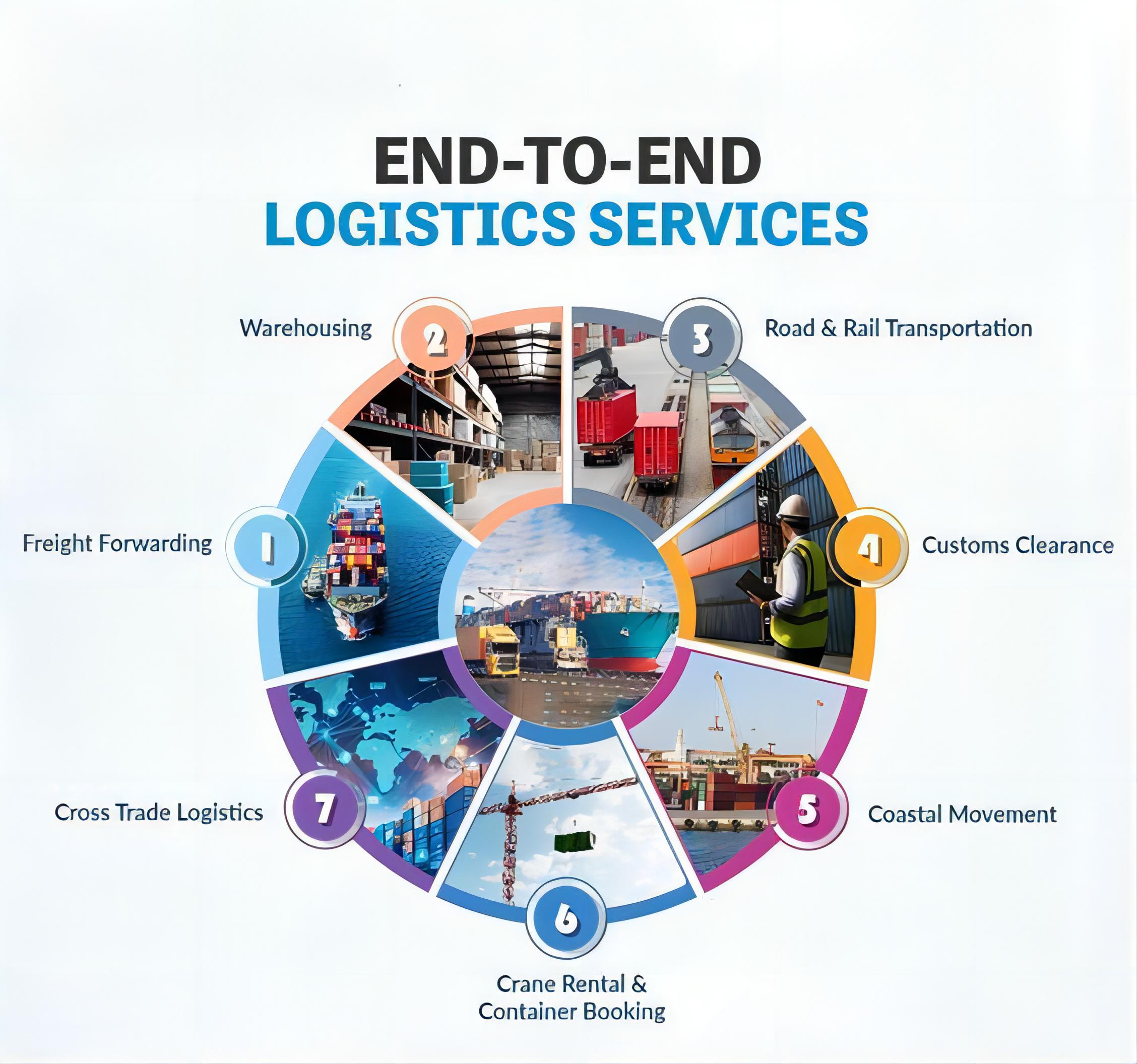
Streamlining Amazon FBA Shipments
E-commerce sellers often require specialized Amazon FBA logistics to ensure their products meet strict fulfillment center requirements. These services include labeling, palletizing, and direct delivery to Amazon warehouses. By using a dedicated FBA forwarder, you can avoid the costly mistakes of rejected shipments.
Furthermore, consolidated FBA shipping allows small sellers to benefit from the same low rates as large corporations. This is achieved by grouping multiple sellers’ goods into a single container destined for the same region. As a result, even micro-businesses can find China cargo shipping affordable and accessible.
Without a doubt, optimizing the final mile delivery is just as important as the transoceanic journey for online retailers.
Navigating Customs Brokerage to Avoid Penalties
Professional customs brokerage is a vital component of affordable shipping. Incorrectly classified goods can lead to heavy fines, shipment seizures, or delayed deliveries. Therefore, working with a broker ensures that you pay the correct duties and taxes while remaining compliant with local laws.
Specifically, brokers can help you identify duty-drawback opportunities or trade agreements that reduce your tax burden. For example, certain products may qualify for lower tariffs under specific regional trade deals. Consequently, the fee paid to a broker often pays for itself through these tax savings.
Meanwhile, having all your documentation in order, such as the Commercial Invoice and Packing List, prevents costly storage fees at the port of discharge.
Real-World Case Studies in Global Logistics
Case Study 1: Electronics Distribution to the USA. Route: Shenzhen to Los Angeles. Cargo: Consumer electronics, 12 CBM, 2,400 kg. Container: LCL. Carrier: Major carrier. Port of Loading: Shenzhen. Port of Discharge: Los Angeles. Route Type: Direct. Cost Breakdown: Ocean Freight: $1,200. Origin Charges: $250. Destination Charges: $400. Customs: $600. Total Landed Cost: $2,450. Timeline: 18 days door-to-door. Key Insight: Using LCL saved the client $1,500 compared to a 20GP container.
Case Study 2: Furniture Import to Europe. Route: Ningbo to Rotterdam. Cargo: Home furniture, 65 CBM, 8,000 kg. Container: 40HQ. Carrier: COSCO. Port of Loading: Ningbo. Port of Discharge: Rotterdam. Route Type: Direct. Cost Breakdown: Ocean Freight: $3,800. Origin Charges: $350. Destination Charges: $500. Customs: $1,200. Total Landed Cost: $5,850. Timeline: 33 days door-to-door. Key Insight: Booking 4 weeks in advance during the off-peak season saved 20 percent on freight rates.
Case Study 3: Fashion Apparel to Australia. Route: Shanghai to Melbourne. Cargo: Seasonal clothing, 5 CBM, 1,200 kg. Container: LCL. Carrier: Maersk. Port of Loading: Shanghai. Port of Discharge: Melbourne. Route Type: Direct. Cost Breakdown: Ocean Freight: $650. Origin Charges: $200. Destination Charges: $300. Customs: $450. Total Landed Cost: $1,600. Timeline: 14 days door-to-door. Key Insight: Fast sea transit to Australia made air freight unnecessary for this seasonal launch.
Current Market Trends and Pricing for 2025
As of early 2025, freight rates from China have stabilized following the disruptions of previous years. However, fuel price volatility continues to influence the bunker adjustment factor (BAF) charged by carriers. Consequently, shippers should expect minor fluctuations in monthly quotes.
Market data suggests that capacity is increasing as new, larger vessels enter service. This trend is likely to keep China cargo shipping affordable throughout the year, provided there are no major geopolitical shifts. Nevertheless, it is always wise to include a 10 percent buffer in your logistics budget for unforeseen surcharges.
Below is a summary of typical rates for major global routes based on current market intelligence.
| Route | 20GP Container | 40GP Container | 40HQ Container |
|---|---|---|---|
| China to USA West | $1,600 – $2,300 | $2,600 – $3,600 | $2,900 – $3,900 |
| China to Europe | $1,900 – $2,600 | $2,900 – $3,900 | $3,100 – $4,300 |
| China to Australia | $900 – $1,300 | $1,300 – $1,900 | $1,500 – $2,100 |
| China to UK | $2,100 – $2,900 | $3,300 – $4,300 | $3,600 – $4,600 |
Achieving Long-Term Success with Affordable Shipping
In conclusion, making China cargo shipping affordable requires a combination of strategic planning, method comparison, and expert partnerships. By understanding the differences between sea, air, and rail freight, you can choose the option that best fits your budget and timeline. Furthermore, utilizing consolidation services and professional customs brokerage can further drive down costs.
As the global market continues to evolve, staying informed about industry trends and pricing fluctuations will remain a critical advantage for your business. Ultimately, the goal is to create a resilient and cost-effective supply chain that supports your growth objectives.
Ready to streamline your logistics?
Are you ready to optimize your supply chain and secure the most competitive rates? Our team of experts is standing by to help you find China cargo shipping affordable options tailored to your specific needs. Visit our website to request a personalized quote or contact us today to discuss your logistics strategy. Send Inquiry: info@chinatradefreight.com
Request Quote