

Cargo from China Door to Door: Complete 2025 Logistics Guide
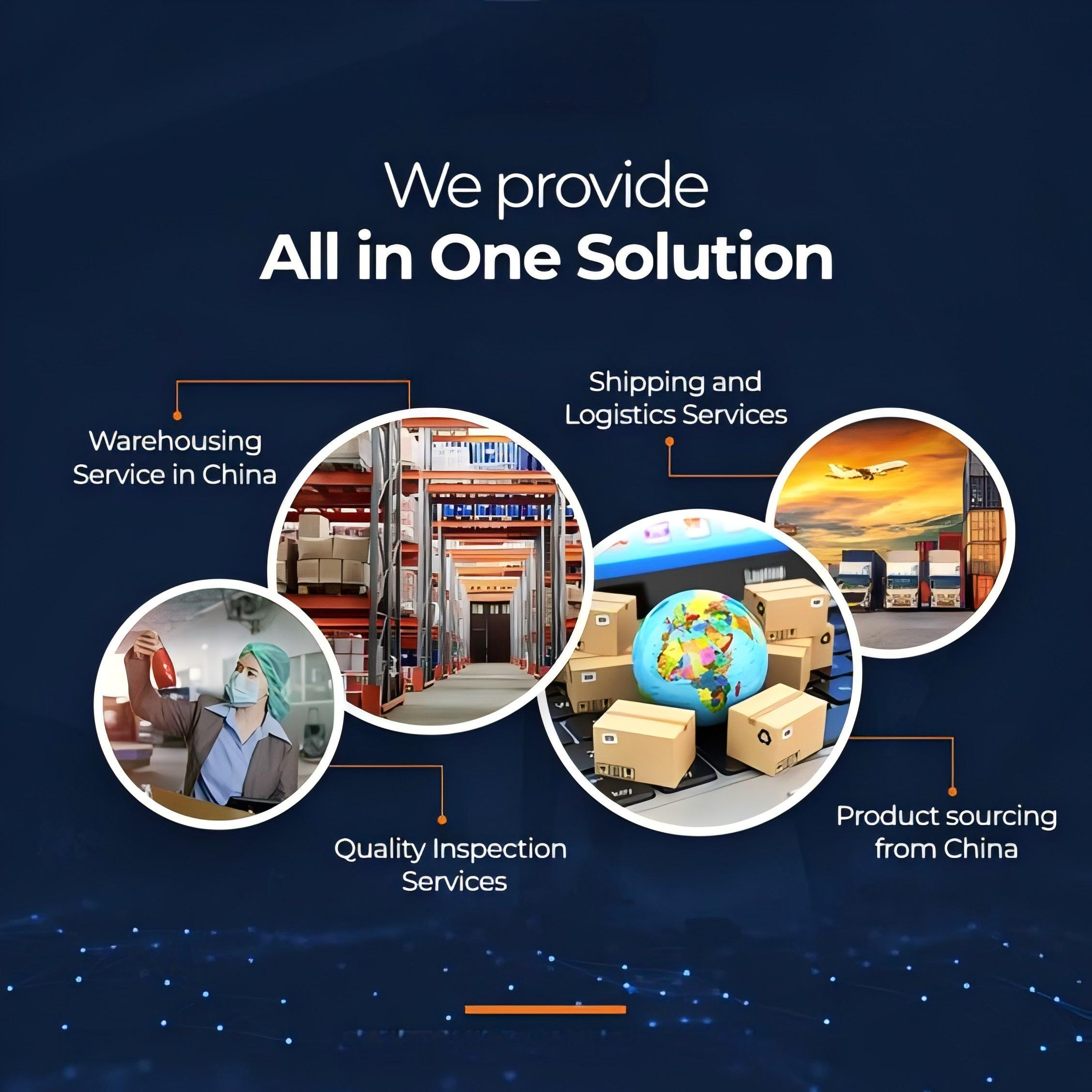
Shipping cargo from china door to door provides a comprehensive solution for businesses seeking to simplify their international logistics. China Trade Freight manages the entire process from the supplier warehouse to your final destination. This end-to-end service eliminates the complexity of coordinating multiple carriers and handling tedious customs documentation. Consequently, importers can focus on their core business operations while experts handle the physical movement of goods across borders. Moreover, this model offers a predictable cost structure that helps in maintaining healthy profit margins.
What Is Cargo from China Door to Door Service?
Door to door shipping is a specialized logistics arrangement where the freight forwarder assumes responsibility for the entire journey. Specifically, the service begins at the factory in China and concludes at the buyer specified address. Choosing door to door services means you do not have to worry about port-to-port logistics or inland haulage. Furthermore, this method typically includes pickup, international transit, customs clearance, and final delivery. Notably, it simplifies the supply chain by providing a single point of contact for the entire shipping lifecycle.
Importers often prefer this method because it reduces the risk of communication gaps between different service providers. For example, a single forwarder manages the transition from sea freight to local trucking. Additionally, the service often includes DDP (Delivered Duty Paid) terms, which means the seller or forwarder handles all taxes and duties. Therefore, the buyer receives the goods without any unexpected financial obligations at the time of delivery. Indeed, this transparency is vital for small to medium-sized enterprises looking to scale their international trade operations.
How Does the Door to Door Shipping Process Work?
Understanding the step-by-step progression of your shipment is essential for effective inventory management. Initially, the freight forwarder coordinates with your Chinese supplier to arrange the pickup of goods. Following the pickup, the cargo is transported to a consolidation warehouse or directly to the port of loading. Meanwhile, the logistics team prepares the necessary export documentation required by Chinese customs authorities. Once cleared, the goods are loaded onto the chosen vessel or aircraft for international transit.
After the cargo arrives at the destination port, the customs clearance process begins immediately. Our dedicated team uses professional customs brokerage services to ensure compliance with local regulations. Subsequently, once the shipment is released, a local carrier performs the final leg of the journey. This involves transporting the goods from the port or airport directly to your warehouse or office. Ultimately, the process concludes when the recipient signs the proof of delivery, signifying a successful transit.
How Does Sea Freight Compare to Other Shipping Options?
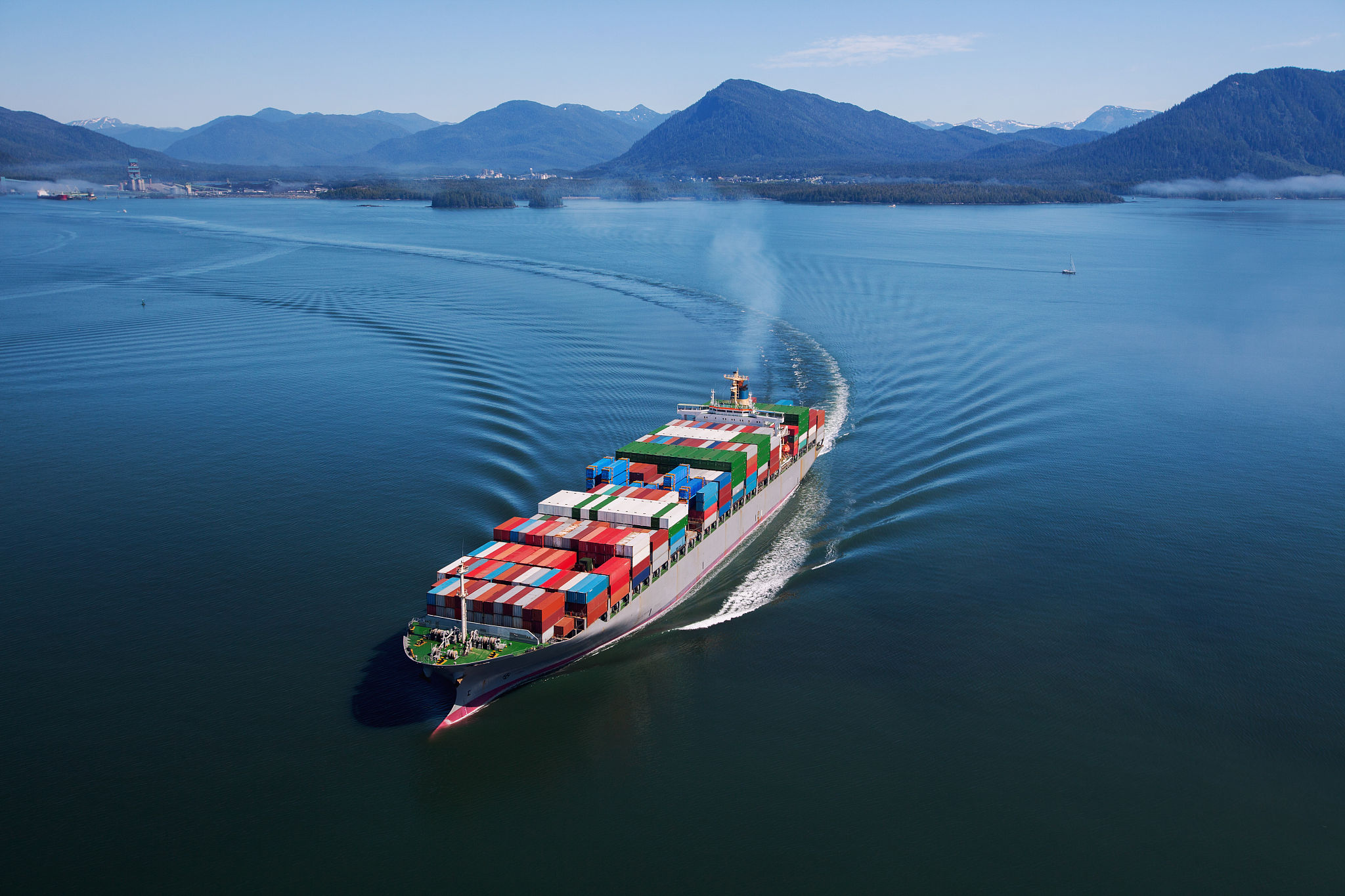
Sea freight remains the most popular choice for transporting large volumes of goods due to its cost-effectiveness. However, businesses must weigh this benefit against the longer transit times associated with ocean travel. For instance, shipping from China to the United States can take anywhere from 15 to 35 days depending on the coast. In contrast, air freight offers rapid delivery but at a significantly higher price point. Therefore, sea freight is ideal for non-urgent shipments and bulky items that would be prohibitively expensive to fly.
Choosing between FCL (Full Container Load) and LCL (Less than Container Load) is another critical decision for importers. Specifically, FCL offers better security and faster handling since the container is dedicated to a single shipper. On the other hand, LCL allows smaller businesses to share container space, making it a budget-friendly option for smaller volumes. Consequently, sea freight provides the flexibility needed to balance budget and volume requirements effectively.
| Shipping Method | Cost Range | Transit Time | Best For |
|---|---|---|---|
| Sea Freight | Low ($1,500 – $5,000) | 20 – 45 Days | Bulk & Large Volume |
| Air Freight | High ($5 – $12 per kg) | 3 – 7 Days | High-Value & Urgent |
| Rail Freight | Medium ($2,000 – $4,000) | 15 – 22 Days | Europe Destinations |
| Express | Very High ($8 – $15 per kg) | 2 – 5 Days | Samples & Small Parcels |
Evaluating Air Freight for Urgent Cargo from China Door to Door
When speed is the primary priority, air freight stands out as the superior logistics choice. This method is particularly beneficial for high-value electronics, seasonal fashion items, or urgent replacement parts. Although the costs are higher, the reduction in transit time can significantly improve cash flow by getting products to market faster. Furthermore, air transport offers enhanced security and a lower risk of damage compared to long sea voyages. Indeed, many businesses use air freight to maintain lean inventory levels and respond quickly to market demand.
Modern air logistics also include specialized handling for sensitive or hazardous materials. For example, temperature-controlled environments are available for pharmaceuticals and perishable goods. Additionally, the door to door air service includes expedited customs processing at major international airports. As a result, the total time from the factory floor to the customer doorstep is minimized. Nevertheless, shippers should always calculate the volumetric weight to ensure they are getting the best possible rate for their cargo.
Transit Times by Major Global Destinations
Global transit times are influenced by geography, port congestion, and the chosen shipping lane. As of early 2025, routes to the West Coast of North America are seeing stabilized schedules after previous years of disruption. Meanwhile, shipments to Europe continue to adapt to changing maritime routes and regional logistics trends. Consequently, it is vital to stay informed about current market conditions to accurately predict delivery dates. The following table provides an industry average for door to door transit times from major Chinese hubs.
Note: Freight rates and transit times are subject to change based on fuel costs, carrier capacity, and seasonal demand. Contact us for a current quote tailored to your specific shipment.
| Destination Region | Sea Transit (Days) | Air Transit (Days) | Rail Transit (Days) |
|---|---|---|---|
| North America (West) | 14 – 20 | 4 – 7 | N/A |
| North America (East) | 30 – 38 | 5 – 8 | N/A |
| Europe (Western) | 28 – 35 | 5 – 7 | 18 – 22 |
| Australia | 12 – 18 | 3 – 6 | N/A |
Which Shipping Option Should You Choose?
Choosing the right shipping strategy requires a careful analysis of your budget, cargo type, and delivery deadline. If your priority is minimizing costs and you have a flexible schedule, sea freight is the logical choice for large volumes. Conversely, if you are launching a new product and need it on shelves immediately, air freight justifies the higher investment. For European importers, rail freight offers a unique ‘middle ground’ solution that balances speed and cost effectively. Additionally, consider the nature of your goods; fragile items may benefit from the shorter handling time of air transport.
Strategic shippers often use a hybrid approach to optimize their supply chain performance. For instance, you might ship the bulk of your inventory via sea while sending a small ‘bridge’ shipment via air. This ensures you have stock available while waiting for the main container to arrive. Furthermore, always evaluate the total landed cost rather than just the freight rate. This includes duties, taxes, and local delivery fees, which are often covered in Amazon FBA or comprehensive door to door packages.
Real-World Case Studies: Successful Door to Door Shipments
Case Study 1: Electronics Distribution to North America. A tech company in California needed to move 15 CBM of consumer electronics from Shenzhen. They chose sea freight LCL to manage costs while ensuring door to door delivery. By utilizing shipping to North America services, they achieved a total landed cost that was 40% lower than air freight. The shipment arrived in 22 days, including customs clearance and final trucking to their warehouse in San Jose.
Case Study 2: Textile Import to Europe. A fashion retailer in Germany required 2,000 kg of garments from Ningbo. Due to the mid-range urgency, they opted for rail freight door to door. This route through the New Silk Road delivered the goods to Hamburg in 20 days. According to shipping to Europe market data, this saved them 15 days compared to sea freight while costing significantly less than air transport.
Case Study 3: Industrial Machinery to Australia. An engineering firm in Sydney imported a 20GP container of specialized parts from Shanghai. They used shipping to Australia services with a focus on direct sea routes. The total transit time was just 16 days from port to door. The key insight was the seamless customs handling which prevented any storage fees at the Port of Botany.
Customs Documentation Checklist for Cargo from China
Navigating the complexities of international customs is often the most challenging aspect of global trade. Specifically, accurate documentation is the foundation of a smooth clearance process. Failure to provide the correct paperwork can lead to expensive delays, fines, or even cargo seizure. Therefore, we recommend working closely with your forwarder to verify all details before the goods depart China. The following table highlights the essential documents required for most international door to door shipments.
Moreover, different countries may have specific requirements for certain product categories, such as FDA approval for food or CE marking for electronics. Always ensure your supplier provides a detailed packing list that matches the commercial invoice exactly. Consequently, this attention to detail prevents discrepancies that could trigger manual inspections by customs officers.
| Document Name | Purpose | Provided By | Criticality |
|---|---|---|---|
| Commercial Invoice | Value & Tax Assessment | Supplier | High |
| Packing List | Cargo Verification | Supplier | High |
| Bill of Lading | Title to Goods | Carrier/Forwarder | High |
| Certificate of Origin | Trade Agreement Benefits | Supplier/Chamber | Medium |
Mastering Your Cargo from China Door to Door Strategy
In summary, implementing a robust cargo from china door to door strategy is essential for modern businesses. By choosing the right shipping method and a reliable logistics partner, you can significantly reduce operational stress. Whether you prioritize the speed of air freight or the economy of sea freight, the end-to-end model provides unparalleled convenience. Furthermore, staying informed about market trends and customs requirements ensures your supply chain remains resilient.
Ultimately, successful international trade relies on transparency and efficiency. China Trade Freight is committed to providing high-quality logistics services that help your business grow. We handle the complexities so you can focus on what matters most: your customers. Take the first step toward optimized shipping today by leveraging our professional door to door solutions.
Ready to streamline your logistics?
Ready to simplify your international logistics? Our team at China Trade Freight specializes in seamless cargo from china door to door solutions tailored to your business needs. Contact us today to receive a competitive quote and expert guidance on your next shipment. Visit our website or send an inquiry to start your hassle-free shipping journey.
Request Quote