As a key inland market in the Western Balkans, Bosnia and Herzegovina relies on efficient cross-border logistics through Adriatic ports and neighboring EU countries. Chinese exports to Bosnia and Herzegovina mainly include machinery, construction materials, electrical products, and consumer goods. Shipping from China to Bosnia and Herzegovina requires careful coordination of sea or air transport with reliable inland delivery and regional customs procedures. China Trade Freight provides tailored logistics solutions connecting major Chinese ports with Bosnia and Herzegovina via established Balkan trade corridors. With strong experience in regional freight handling, China Trade Freight ensures stable, cost-effective, and well-managed shipping from China to Bosnia and Herzegovina.
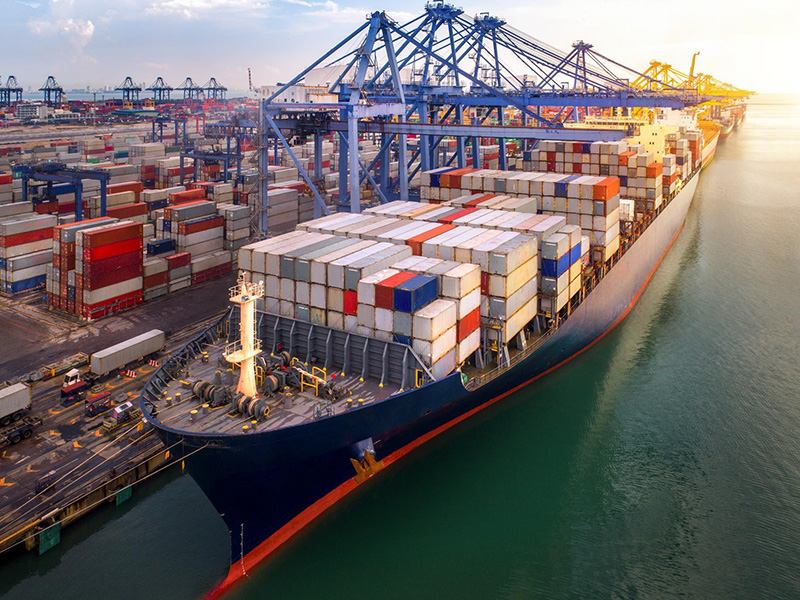
Sea freight is the most economical option for large shipments from China to Bosnia and Herzegovina, typically routed through Adriatic ports such as Ploče or Rijeka. Cargo is then transported inland by truck or rail to major cities including Sarajevo, Banja Luka, and Mostar. Average transit times range from 30 to 38 days depending on the port of origin and routing. China Trade Freight manages container coordination, documentation, and onward inland transport to ensure smooth delivery.
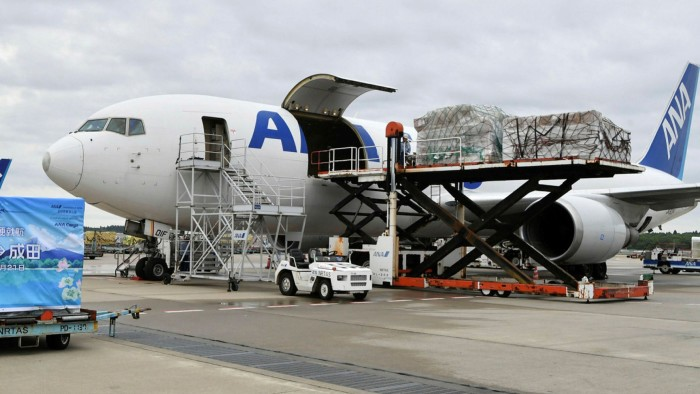
Air freight is suitable for urgent or high-value cargo. Shipments are usually routed via major European hubs such as Frankfurt, Vienna, or Istanbul before arriving at Sarajevo International Airport, with total transit times of approximately 4 to 7 days. China Trade Freight handles booking, export formalities, and customs coordination to ensure fast and secure delivery.

Door to door shipping offers a fully managed logistics solution from supplier pickup in China to final delivery in Bosnia and Herzegovina. This service is particularly effective for inland destinations requiring cross-border coordination. China Trade Freight oversees sea or air transport, customs clearance, and regional trucking, providing importers with a transparent and reliable end-to-end shipping process.

FCL shipping is ideal for high-volume cargo moving from China to Bosnia and Herzegovina. Dedicated containers reduce handling risks and improve shipment security. China Trade Freight provides FCL services via Adriatic ports with consistent routing and controlled inland delivery, supporting industries such as construction, machinery, and industrial equipment.
LCL shipping is a flexible and cost-effective option for smaller shipments. Cargo is consolidated at origin and deconsolidated at the destination gateway before inland transport. China Trade Freight ensures proper handling, stable transit schedules, and efficient customs processing for LCL cargo.
Supplier pickup in China and inland delivery across Bosnia and Herzegovina.
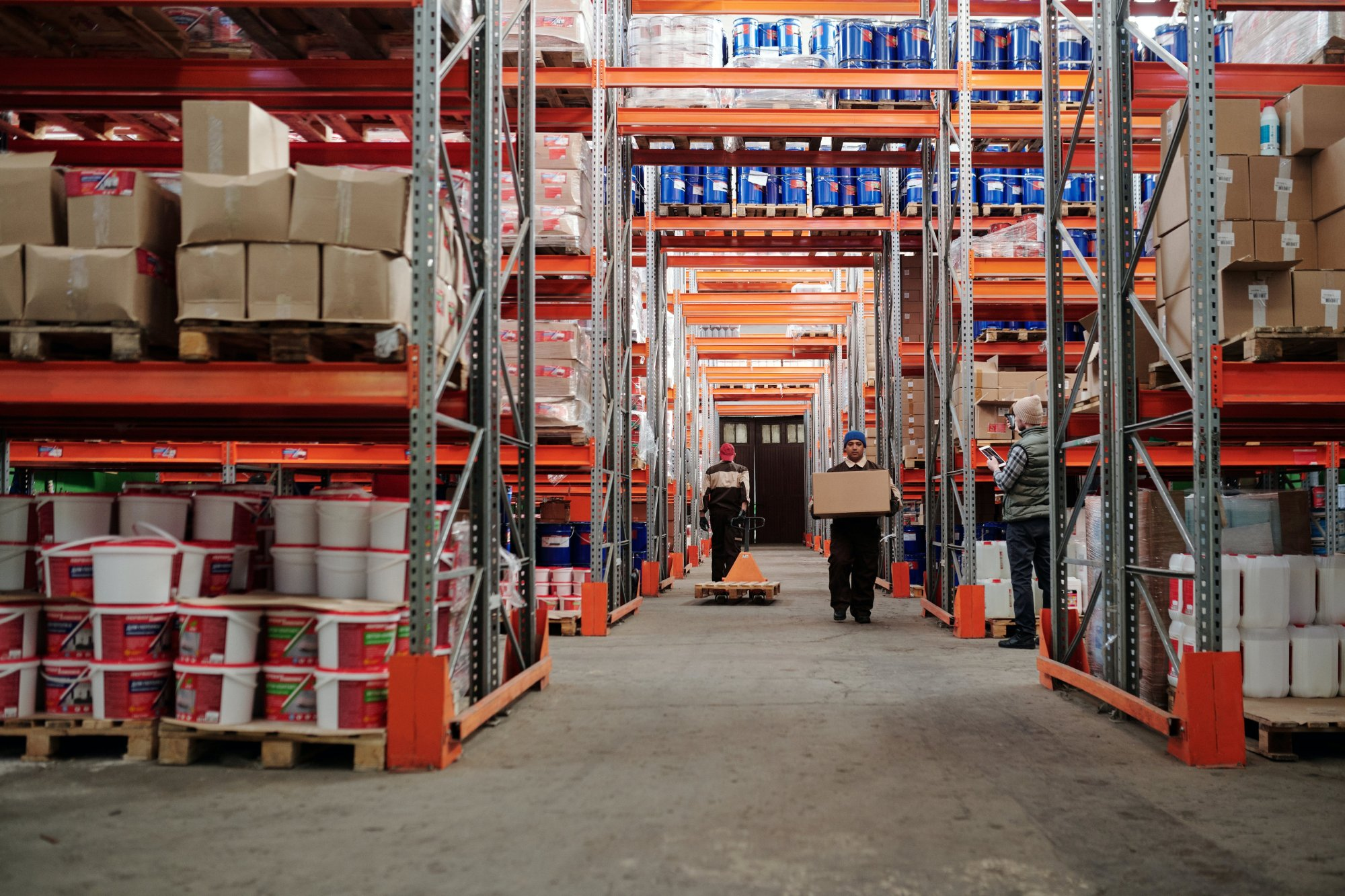
Storage solutions at origin and regional transit hubs.
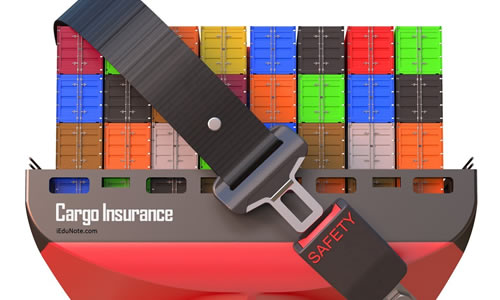
Optional insurance coverage throughout the transport process.

Professional handling of import customs procedures.
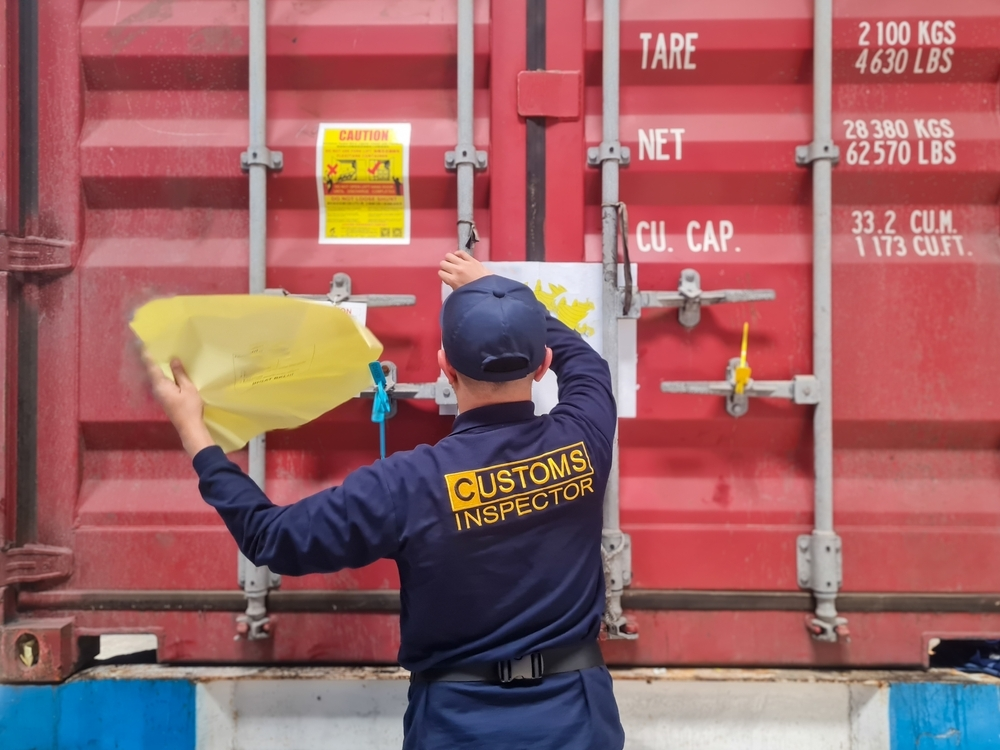
Pre-shipment inspections to verify cargo condition and quantities.
As an inland gateway to the Western Balkans, Bosnia and Herzegovina requires a freight forwarder with strong Adriatic routing capabilities and regional customs expertise. China Trade Freight combines global logistics experience with localized Balkan transport networks to deliver reliable and cost-effective shipping solutions.
Why choose China Trade Freight?
Competitive sea and air freight rates for Balkan and Adriatic routes
Strong routing via Ploče, Rijeka, and major European logistics hubs
Expertise in regional customs procedures and cross-border coordination
Flexible warehousing and cargo handling solutions
End-to-end shipment visibility with proactive communication
Dedicated professional support throughout the shipping process
Whether you are importing into Bosnia and Herzegovina or distributing goods across the Western Balkans, China Trade Freight is your trusted partner for shipping from China to Bosnia and Herzegovina.
Common shipping methods from China to Herzegovina include sea freight, air freight, and rail transport. Sea freight is cost-effective for large volumes but slower, typically taking 30 to 45 days. Air freight is faster, around 7 to 14 days, ideal for urgent shipments. Rail transport is a middle ground, often used for bulk cargo with transit times varying depending on the route.
To track your shipment, use the tracking number provided by your freight forwarder or carrier. Most companies offer online tracking services on their websites or through mobile apps. This allows you to monitor the progress of your shipment in real-time, view estimated delivery times, and receive notifications about any delays or issues.
Essential customs documents for shipping to Herzegovina include the commercial invoice, packing list, bill of lading or air waybill, and certificate of origin. Ensure all documents are accurately completed and comply with local regulations to prevent delays. Additional documents may be required based on the nature of the goods and their value.
Proper packaging is crucial to protect goods during transit. Use durable, high-quality materials suited to the type of product being shipped. For fragile items, include ample cushioning. Ensure packaging is compliant with international shipping standards and labeled clearly to facilitate smooth customs clearance and handling.
Yes, Herzegovina has specific import restrictions and regulations. Prohibited items may include certain chemicals, hazardous materials, and agricultural products. It is essential to verify with local authorities or your freight forwarder to ensure compliance with all restrictions and avoid any issues during customs clearance.
Select a freight forwarder based on their experience, reliability, and reputation. Check their track record for handling shipments to Herzegovina and their ability to provide comprehensive services, including customs clearance and cargo insurance. Read customer reviews and ask for recommendations to ensure you choose a trustworthy provider.
Shipping costs depend on several factors, including the shipping method, weight and volume of the cargo, and the route taken. Additional costs may include customs duties, insurance, and handling fees. Obtain quotes from multiple freight forwarders to compare costs and choose the most cost-effective solution for your needs.
To minimize delays, ensure accurate and complete documentation, choose a reliable freight forwarder, and select the most suitable shipping method based on your urgency. Track your shipment regularly and communicate promptly with your forwarder to address any issues that may arise during transit.
If your shipment is delayed, first check the tracking information for updates. Contact your freight forwarder for an explanation and estimated resolution time. If necessary, file a claim with the carrier or insurance provider, and work with your forwarder to resolve any issues affecting the delivery.
Air freight offers several advantages over sea freight, including faster delivery times, reduced risk of damage, and lower inventory holding costs. It is ideal for high-value or time-sensitive shipments. However, it is typically more expensive than sea freight, so weigh the benefits against your budget and urgency.
Quotes are clear with no hidden costs. The process from booking to delivery is smooth and efficient.
Their team understands international shipping and Incoterms very well. We feel confident leaving our shipments in their hands.