Shipping from China to North Korea

Services

What we do

Services

img

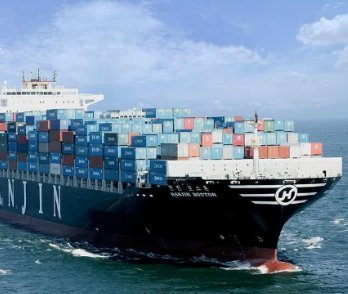
Sea Freight From China To North Korea

As North Korea has limited access to international shipping routes, sea freight is typically not a direct option for shipping goods from China. However, goods can be shipped to Chinese ports like Dandong, which are close to the North Korean border, and then transported by rail or truck into the country. This method is common for bulk shipments, including industrial goods and machinery. China Trade Freight facilitates the smooth transfer of goods through the Chinese port system, coordinating all steps of the transport process to ensure your cargo reaches its final destination in North Korea. We specialize in compliance with the necessary customs regulations and transport protocols required for these shipments.
img

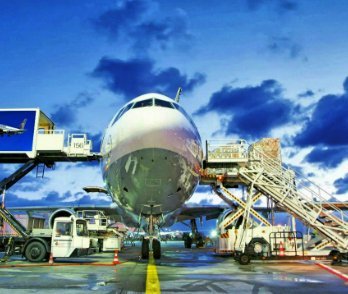
Air Freight From China To North Korea

Air freight to North Korea is limited due to restrictions on air transport and strict control over international flights. The primary route for air shipments from China is via Pyongyang International Airport, which services limited international flights. Air freight is typically used for high-value or time-sensitive shipments, although options are limited. China Trade Freight can help arrange air freight to Pyongyang, managing the necessary logistics and regulatory requirements. We ensure that all customs procedures are followed for secure and timely delivery, although availability may be limited based on specific trade agreements.
img

Door to Door Shipping from China to North Korea

Door to door shipping from China to North Korea generally involves overland transportation via the China-North Korea border. This service includes pickup from your supplier’s location in China, customs clearance, and transport through China’s border towns, including Dandong or other key crossing points, to your final destination in North Korea. China Trade Freight ensures that all aspects of the door-to-door process are managed efficiently, including handling the specific customs regulations for cross-border shipments. We ensure secure and timely delivery while minimizing the complexities of international trade.
FCL Shipping from China To North Korea

Full Container Load (FCL) shipping to North Korea is a cost-effective option for larger shipments, but it requires coordination through specific overland routes. FCL shipments are first routed through Chinese ports, such as Dandong, and then transported by rail or truck to North Korea. FCL shipping is ideal for companies with high-volume shipments and offers better control over transport schedules.

China Trade Freight coordinates all elements of FCL shipping, ensuring that your containers are securely loaded, transported, and cleared through customs. Our expertise in managing overland transport routes ensures your goods arrive on time and comply with all required regulations.

LCL Shipping from China To North Korea

Less-than-Container Load (LCL) shipping is a cost-effective alternative for smaller shipments that don’t require a full container. LCL shipments are consolidated at Chinese ports, shipped to a transit point near the North Korean border, and then transported via truck or rail into North Korea. This method helps reduce shipping costs for smaller cargo volumes while still ensuring secure transport.

China Trade Freight manages the LCL process, including cargo consolidation, customs clearance, and transport to North Korea. We ensure that your goods are handled carefully, with full compliance to the applicable international and regional shipping regulations.

Features

More Services Shipping from China To North Korea

img

Pickup and Delivery

Pickup from any location in China and delivery to any address in North Korea.
img

Warehousing

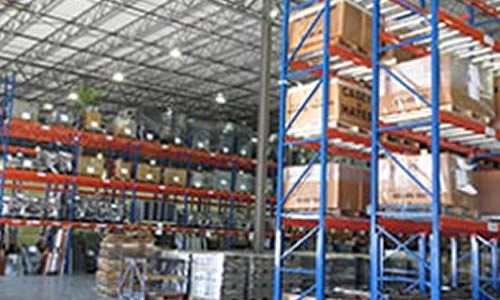
Secure storage options at origin and near transit hubs.
img

Cargo Insurance

Secure storage options at origin and near transit hubs.

img

Custom Clearance

Expertise in managing the customs clearance process for North Korea, ensuring compliance with local and international trade laws.
img

Loading Inspection

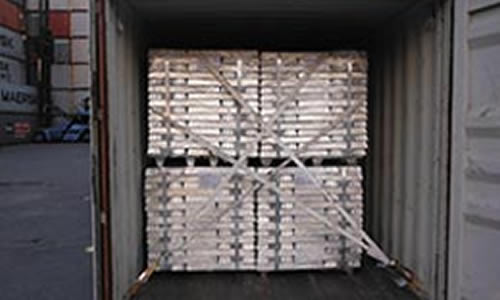
Expertise in managing the customs clearance process for North Korea, ensuring compliance with local and international trade laws.


Here We Are

GET ANYTYPE QUOTE FROM HERE.

Your Best Freight Forwarder from China to North Korea

Shipping to North Korea requires specialized knowledge of the country’s trade regulations and transport network. China Trade Freight combines global logistics expertise with a deep understanding of North Korean transport protocols, providing secure and compliant solutions for your shipments.

Why choose China Trade Freight?

  • Competitive overland transport rates for North Korea routes

  • Strong connections through Chinese border cities like Dandong and Hunchun

  • Expertise in North Korean customs clearance and compliance

  • Flexible warehousing and cargo handling solutions

  • End-to-end shipment visibility with proactive updates

  • Dedicated professional support throughout the shipping process

For businesses looking to ship goods to North Korea, China Trade Freight is the trusted partner for managing complex logistics and ensuring timely delivery.

What customers also want to know

Professional Shipping from China to North Kore: The Ultimate FAQ Guide

Shipping times from China to North Korea are influenced by transport mode (air or sea), distance between origin and destination, and customs processing times. Air freight is generally faster, taking 4-7 days, whereas sea freight can take 7-14 days. Customs regulations and logistical challenges can also affect overall shipping duration, making it crucial to plan for potential delays.

Customs delays can significantly extend shipping times from China to North Korea. These delays may arise due to incomplete or incorrect documentation, inspection processes, or regulatory compliance issues. Ensuring accurate paperwork and understanding North Korean customs regulations can help minimize delays and smooth the shipping process.

Air freight is generally more expensive than sea freight due to its faster delivery time. Air shipments cost more per kilogram and are ideal for urgent or high-value goods. Sea freight, though slower, is more economical for larger shipments and bulk cargo, offering cost advantages for non-urgent deliveries.

Essential documentation for shipping from China to North Korea includes a commercial invoice, packing list, bill of lading (for sea freight), or air waybill (for air freight). Additional documents such as certificates of origin, export permits, and customs declarations may also be required, depending on the nature of the goods.

Shipping to North Korea is subject to stringent regulations and restrictions due to international sanctions. These restrictions may include bans on certain goods and additional compliance requirements. It is crucial to verify the current regulations and ensure that all shipments comply with international laws and sanctions to avoid legal issues.

Utilizing a freight forwarder offers several benefits, including expertise in navigating complex logistics, handling customs documentation, and managing shipping schedules. Freight forwarders can also provide advice on the best shipping methods, ensure compliance with regulations, and offer solutions to potential shipping challenges.

The choice of transport mode has a significant impact on shipping costs. Air freight is faster but more expensive, suitable for urgent deliveries or high-value items. Sea freight, while slower, is more cost-effective for large volumes or non-urgent shipments. Balancing speed and cost is key when choosing the appropriate transport mode.

Common challenges include navigating complex customs procedures, adhering to international sanctions, and managing logistical issues such as transportation delays and route restrictions. Additionally, the political and economic environment can impact shipping operations, requiring careful planning and flexibility.

Businesses can ensure compliance by thoroughly researching North Korean import regulations and obtaining up-to-date information from reliable sources. Collaborating with experienced freight forwarders and customs experts can also help in understanding and adhering to regulatory requirements, thus avoiding potential compliance issues.

To minimize risks, businesses should conduct thorough risk assessments, ensure proper packaging, and secure adequate insurance coverage. Additionally, staying informed about regulatory changes, working with reputable freight forwarders, and maintaining clear communication with all stakeholders can help mitigate potential risks and ensure a smooth shipping process.

Don’t Take Our Words for it

Listen to What Our Clients Say about Our Freight Forwarding Service

Trusted Freight Partner

We’ve used China Trade Freight for sea and door-to-door shipping, and the service has always been professional and stable.

Transparent & Efficient

Quotes are clear with no hidden costs. The process from booking to delivery is smooth and efficient.

Jon D. William
Founder of Mixbix

Excellent Customer Support

Fast responses and proactive updates throughout the shipment. A very dependable logistics partner.

Sofia Harvey
Chairman News grove