

Air Freight Quote China to Germany: 2026 Best Shipping Rates
Securing a precise air freight quote China to Germany is essential for businesses looking to maintain a lean supply chain in 2026. China Trade Freight provides comprehensive logistics solutions that ensure your cargo reaches European markets efficiently. As global trade dynamics shift, understanding the nuances of pricing and transit times remains a top priority for importers. This guide explores the various factors influencing costs and provides actionable insights for optimizing your international shipping strategy.

How to Get an Accurate Air Freight Quote China to Germany?
Obtaining a reliable quote requires detailed information about your specific cargo requirements and delivery timelines. Furthermore, providing accurate dimensions and weight ensures that the carrier can allocate the necessary space without unexpected surcharges later. Many businesses fail to account for the difference between actual weight and volumetric weight, which can lead to significant price discrepancies. Consequently, you should always measure your packaging precisely before requesting a formal estimate from your logistics partner.

Selecting the right service level also plays a critical role in the final cost of your shipment. For instance, air freight offers various tiers ranging from standard economy to high-priority express services. Each option carries a different price point and transit time, allowing you to balance speed against your operational budget. Additionally, market conditions in early 2026 suggest that booking at least two weeks in advance can help secure more favorable rates during peak seasons.
Market data suggests that digital platforms have made the quoting process faster than ever before. However, the human element remains vital for navigating complex customs regulations and specialized cargo handling needs. Experienced freight forwarders can identify potential bottlenecks and recommend the most efficient flight paths for your goods. Therefore, combining automated tools with professional expertise often yields the best results for consistent supply chain performance.
Transparency in the quoting process helps avoid hidden fees that often surprise inexperienced importers. Specifically, you should ask for a breakdown of fuel surcharges, security fees, and terminal handling charges at both the origin and destination. Understanding these components allows you to compare different providers more effectively and choose the one that offers the best total value. Ultimately, a clear and comprehensive quote is the foundation of a successful international shipping partnership.
How Does Air Freight Compare to Other Shipping Options?
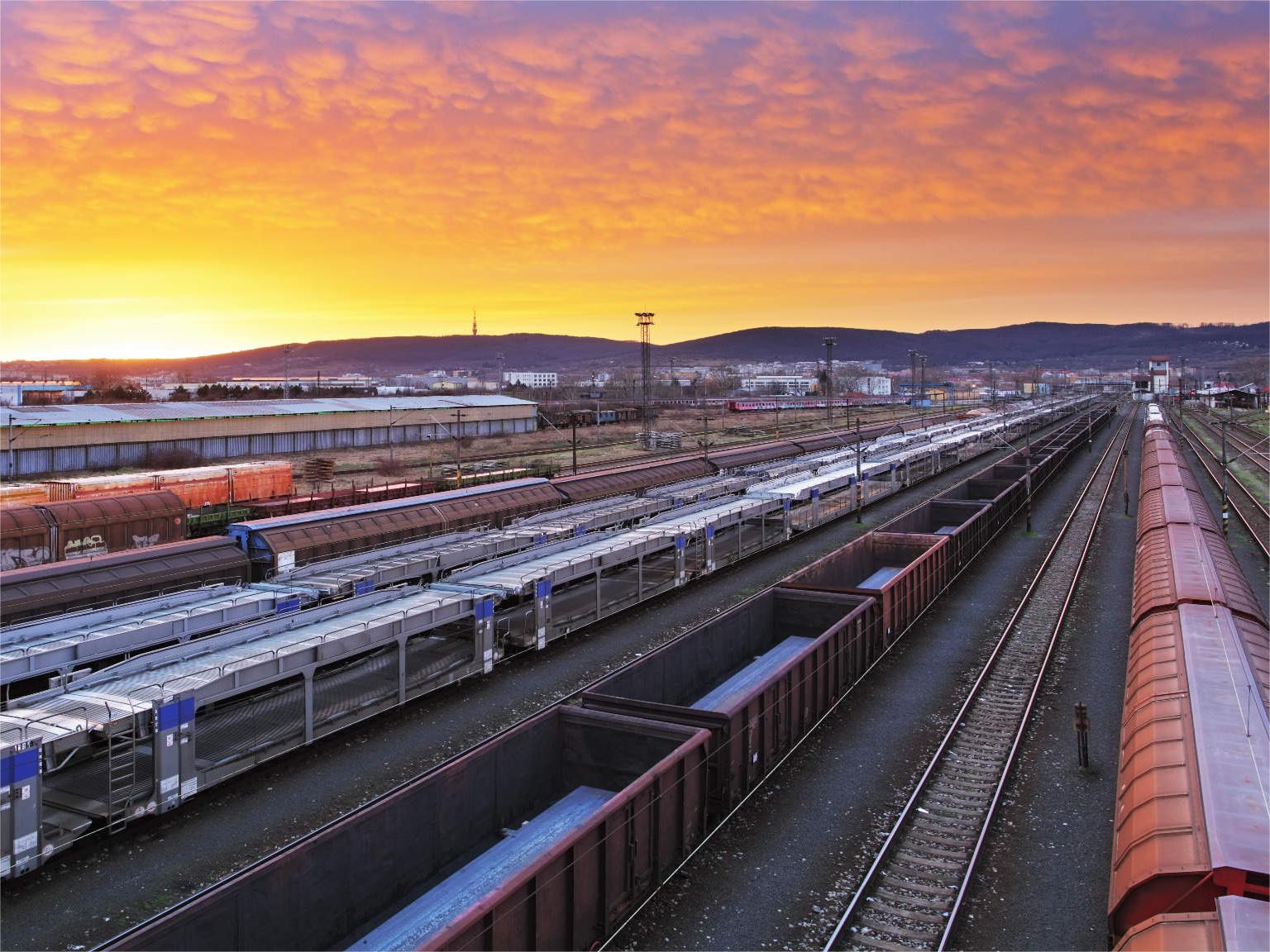
While air transport is the fastest method, it is important to evaluate it against other available logistics strategies. For example, sea freight remains the most cost-effective choice for large, bulky items that are not time-sensitive. On the other hand, rail freight provides a middle ground, offering faster transit than the ocean at a lower price than the air. Evaluating these trade-offs is crucial for maintaining a competitive edge in the German market.
As of Q1 2026, air cargo rates have stabilized following the global disruptions seen in previous years. Nevertheless, the cost per kilogram for air transport remains significantly higher than rail or sea alternatives. Businesses must decide if the speed of delivery justifies the additional expense for their specific product lines. In many cases, high-value electronics or perishable goods demand the rapid transit that only air transport can provide.
Hybrid solutions have also gained popularity among modern supply chain managers seeking flexibility. Specifically, sea-air combinations allow for a balance between cost savings and speed by utilizing different modes for different segments of the journey. This approach can reduce overall logistics expenses while still meeting relatively tight delivery windows. Consequently, discussing these alternative strategies with your freight forwarder can reveal hidden opportunities for optimization.
| Shipping Method | Cost Range (per kg/CBM) | Transit Time | Best For |
|---|---|---|---|
| Air Freight | $4.50 – $8.50 / kg | 3 – 7 Days | High-value, urgent goods |
| Sea Freight | $150 – $250 / CBM | 30 – 45 Days | Bulky, heavy shipments |
| Rail Freight | $0.80 – $1.50 / kg | 15 – 22 Days | Medium-priority cargo |
| Express Service | $9.00 – $15.00 / kg | 2 – 4 Days | Documents and small parcels |
Which Option Should You Choose for Your Business?
Deciding on the best shipping method requires a thorough analysis of your inventory turnover and customer expectations. If your primary goal is speed to market, air transport is undoubtedly the superior choice despite the higher costs. Conversely, if you are working with tight margins and can afford longer lead times, ocean transport may be more appropriate. Most successful companies utilize a mix of methods to handle different product categories and seasonal demand spikes.
Volume thresholds often determine when it becomes more economical to switch from one mode to another. For shipments under 300 kilograms, air freight is frequently more efficient than LCL sea freight when considering total landed costs. However, once your volume exceeds several cubic meters, the economies of scale offered by sea transport become hard to ignore. Therefore, calculating the total cost of ownership for each shipment is a vital step in the decision-making process.
Cargo type also plays a significant role in determining the most suitable transport method. Dangerous goods, oversized machinery, and temperature-controlled items all have specific requirements that may limit your options. For instance, certain lithium-ion batteries require specialized air cargo handling that can increase your quote significantly. In contrast, standard consumer goods are much easier to move across all available transport modes without specialized equipment.
Transit Times from Major Chinese Cities to Germany
Transit times can vary significantly depending on the origin city and the specific airport hubs involved in the transit. Major hubs like Shanghai Pudong and Shenzhen Baoan offer the most frequent direct flights to Frankfurt and Munich. Consequently, choosing a departure point with high flight density can reduce the risk of delays due to overbooking. Moreover, direct routes typically save between two and four days compared to transshipment through third-party hubs.
Secondary cities in China are increasingly developing their logistics infrastructure to support international trade. While these airports may offer lower local handling fees, they often require domestic trucking or connecting flights to reach Germany. As a result, the total door-to-door transit time might increase even if the line-haul cost is lower. Businesses should weigh these regional differences carefully when requesting their air freight quote China to Germany.
Seasonal patterns also influence delivery schedules throughout the year in 2026. For example, the weeks leading up to the Lunar New Year often see a surge in demand that can lead to cargo rolling and longer wait times. Similarly, the Q4 peak season driven by holiday shopping can put immense pressure on air cargo capacity. Planning your shipments around these known cycles can help ensure consistent delivery performance for your German customers.
| Origin City | Destination City | Direct Flight | Average Transit |
|---|---|---|---|
| Shanghai (PVG) | Frankfurt (FRA) | Yes | 3 – 5 Days |
| Shenzhen (SZX) | Munich (MUC) | Yes | 4 – 6 Days |
| Beijing (PEK) | Berlin (BER) | No (1 Stop) | 5 – 8 Days |
| Guangzhou (CAN) | Hamburg (HAM) | No (1 Stop) | 5 – 7 Days |
Leveraging Specialized Services for E-commerce
E-commerce sellers frequently require specialized logistics solutions to manage their inventory across international borders. For those selling on European platforms, Amazon FBA services provide a streamlined way to handle storage and last-mile delivery. These services often include prep work, labeling, and compliance checks that ensure your goods meet Amazon’s strict requirements. Consequently, utilizing a dedicated FBA forwarder can significantly reduce the administrative burden on your business.
Speed is the lifeblood of online retail, making air transport the preferred choice for many successful e-commerce brands. By reducing lead times, sellers can maintain lower inventory levels and respond more quickly to changing market trends. Furthermore, faster delivery times often lead to better customer reviews and higher search rankings on major marketplaces. Therefore, the investment in air freight often pays for itself through increased sales velocity and improved brand reputation.
Market intelligence for 2026 indicates that small parcel consolidation is becoming a popular way to reduce costs for e-commerce shipments. By grouping multiple small orders into a single larger air shipment, sellers can benefit from better freight rates while still maintaining individual tracking. This strategy is particularly effective for high-frequency, low-volume product categories. In addition, many forwarders now offer specialized e-commerce dashboards to help sellers track their global inventory in real-time.
Understanding Customs and Documentation
Navigating the complexities of German customs is often the most challenging part of the import process. Utilizing a professional customs brokerage service can help ensure that all paperwork is filed correctly and on time. Errors in documentation can lead to costly delays, fines, and even the seizure of your goods by authorities. Therefore, investing in expert assistance is a prudent way to protect your business from unnecessary risks.
Standard documentation for China-Germany shipments includes the commercial invoice, packing list, and the Air Waybill. Additionally, certain products may require specific certificates of origin or safety compliance documents to enter the European Union. Ensuring that all information is consistent across all documents is vital for a smooth clearance process. Consequently, you should review all paperwork thoroughly before your cargo departs from the origin airport in China.
Duty and tax calculations are based on the Harmonized System (HS) codes assigned to your products. Choosing the correct HS code is essential for determining the accurate amount of VAT and import duties owed to the German government. Misclassification can lead to overpayment or legal issues with customs officials. For this reason, many importers work closely with their forwarders to verify classifications well in advance of the shipping date.
| Document Name | Required By | Purpose | Typical Format |
|---|---|---|---|
| Commercial Invoice | Customs | Valuation and tax | PDF / Original |
| Packing List | Warehouse | Cargo verification | PDF / Original |
| Air Waybill (AWB) | Carrier | Contract of carriage | Digital / Paper |
| Certificate of Origin | Customs | Trade agreements | Official Form |
Real-World Case Studies for 2026
Case Study 1: High-Priority Electronics Shipment. Route: Shenzhen to Frankfurt. Cargo: Tablets and accessories, 1.2 CBM, 450 kg. Method: Air Freight. Cost Breakdown: Air Freight $2,925, Origin Charges $150, Destination Charges $210, Customs and Duties $450. Total Landed Cost: $3,735. Timeline: Booking to Loading 2 days, Air Transit 1 day, Customs Clearance 1 day. Total Door-to-Door: 4 days. Key Insight: Direct flights saved three days compared to transshipment, ensuring the client met a product launch deadline.
Case Study 2: Urgent Industrial Components. Route: Shanghai to Munich. Cargo: CNC machine spare parts, 0.8 CBM, 210 kg. Method: door to door Air Freight. Cost Breakdown: Air Freight $1,470, Pickup/Delivery $320, Documentation $85, Customs Clearance $120. Total Landed Cost: $1,995. Timeline: Pickup to Airport 1 day, Air Transit 2 days, Customs/Delivery 2 days. Total Door-to-Door: 5 days. Key Insight: Door-to-door service minimized handling risks for sensitive precision components.
Case Study 3: Seasonal Fashion Apparel. Route: Guangzhou to Hamburg. Cargo: High-end clothing, 4.5 CBM, 900 kg. Method: Economy Air Freight. Cost Breakdown: Air Freight $5,400, Surcharges $420, Handling $180, Duties $1,100. Total Landed Cost: $7,100. Timeline: Total Door-to-Door 9 days. Key Insight: Economy air provided a 70% speed increase over rail for only a 40% increase in total cost, allowing for rapid inventory replenishment during a peak sales window.
Cost-Saving Strategies for Air Freight in 2026
Optimizing your packaging is one of the most effective ways to reduce your air freight quote China to Germany. Since air carriers charge based on the greater of actual or volumetric weight, minimizing empty space in your boxes can lead to direct savings. Furthermore, using lightweight but durable packaging materials helps keep the actual weight as low as possible. Consequently, a small investment in better packaging design can yield significant long-term logistics savings.
Consolidating multiple smaller shipments into a single larger one can also help you access better weight breaks from airlines. Most carriers offer lower per-kilogram rates for shipments that exceed 100, 300, or 500 kilograms. By coordinating your procurement schedule to allow for larger, less frequent shipments, you can take advantage of these economies of scale. Additionally, this approach reduces the administrative costs associated with processing multiple separate entries and customs filings.
Building a strong relationship with a single freight forwarder can provide access to better rates and priority space allocations. Reliable partners often have pre-negotiated contracts with major airlines, which they can pass on to their regular clients. Moreover, they can provide valuable advice on market trends and help you avoid unnecessary surcharges during volatile periods. Therefore, loyalty in the logistics industry often translates into better service and lower overall costs.
Final Thoughts on Shipping from China to Germany
Navigating the international logistics landscape requires a blend of strategic planning and expert execution. By understanding the factors that influence your air freight quote China to Germany, you can make informed decisions that benefit your bottom line. Whether you prioritize speed, cost, or a balance of both, the right logistics partner will help you achieve your goals in the 2026 market.
As global trade continues to evolve, staying informed about the latest trends and regulations is more important than ever. We encourage you to use the insights provided in this guide to refine your shipping processes and enhance your competitive position in Germany. Remember that a successful shipment starts with an accurate quote and ends with a satisfied customer.
Get Your Shipping Quote Today
Ready to optimize your supply chain with a competitive air freight quote China to Germany? Contact our expert logistics team today to receive a personalized estimate tailored to your unique cargo needs. Visit our inquiry page to get started. Send Inquiry: https://chinatradefreight.com/contact-us/
Request Quote