

Sea Freight vs Air Freight China Europe Cost: 2026 Guide
Navigating the complexities of international logistics requires a deep understanding of how transportation choices impact your bottom line. At China Trade Freight, we specialize in helping businesses analyze the sea freight vs air freight china europe cost to ensure optimal supply chain efficiency. Consequently, choosing the right method depends on balancing urgency with budget constraints in the current 2026 market environment.

Understanding the Sea Freight vs Air Freight China Europe Cost in 2026
Global trade dynamics have shifted significantly as we enter 2026, making cost analysis more critical than ever for importers. Specifically, the sea freight vs air freight china europe cost comparison is no longer just about the base rate per kilogram or container. Moreover, fluctuating fuel surcharges and carbon taxes now play a substantial role in the final invoice. Therefore, businesses must look at the total landed cost rather than just the port-to-port price.
Importers targeting Europe often struggle to decide between these two primary modes of transport. While one offers unmatched speed, the other provides the volume capacity needed for bulk commodities. Additionally, the emergence of greener logistics solutions has introduced new variables into the pricing equation. Consequently, a detailed breakdown of each method is necessary to make an informed commercial decision.
Why Sea Freight Remains the Backbone of China-Europe Trade
Despite the rise of faster alternatives, sea freight remains the most economical solution for high-volume shipments. In 2026, ocean carriers have optimized their routes to balance fuel efficiency with reliable schedules. Furthermore, the cost per unit for sea transport is significantly lower than any other method for large-scale cargo. However, the extended transit times require meticulous inventory planning to avoid stockouts.
Typical ocean freight rates in early 2026 have stabilized following previous years of volatility. For instance, shipping a standard 40HQ container from Shanghai to Rotterdam now ranges between 3,000 and 4,500 USD depending on the season. Meanwhile, LCL shipments allow smaller businesses to share container space, making sea transport accessible even for modest volumes. Nevertheless, you must account for destination port charges and local delivery fees.
| Container Type | Average Cost (USD) | Capacity (CBM) | Best For |
|---|---|---|---|
| 20GP Container | 1,800 – 2,600 | 33 CBM | Heavy machinery |
| 40GP Container | 2,800 – 3,800 | 67 CBM | General consumer goods |
| 40HQ Container | 3,200 – 4,500 | 76 CBM | Lightweight bulky items |
| LCL (per CBM) | 50 – 95 | Variable | Small palletized cargo |
The Speed and Premium of Air Freight Services
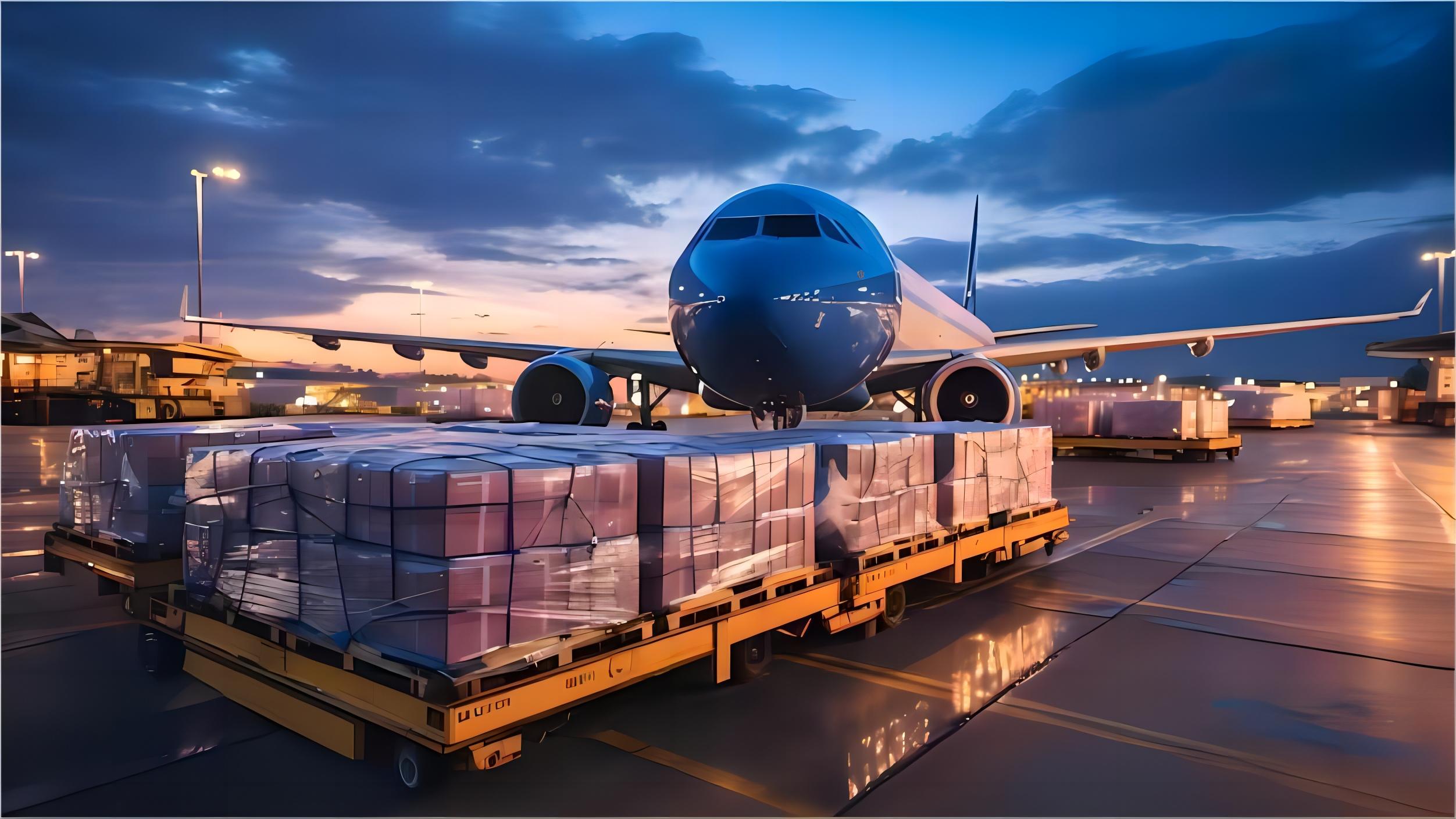
When time is the most critical factor, air freight provides the fastest connection between Chinese manufacturing hubs and European markets. Usually, cargo can move from a factory in Shenzhen to a warehouse in Berlin within 5 to 8 days. In contrast, sea freight would take nearly six weeks for the same journey. Consequently, high-value electronics and seasonal fashion items often travel by air to meet tight deadlines.
Calculating the cost for air cargo involves understanding the concept of chargeable weight. Specifically, carriers charge based on either the actual weight or the volumetric weight, whichever is higher. Moreover, air freight rates in 2026 reflect the increased demand for rapid delivery in the e-commerce sector. Typically, you can expect to pay between 4.50 and 8.50 USD per kilogram for standard air services.
How Does Sea Freight Compare to Other Shipping Options?
While sea and air are the primary choices, rail freight has emerged as a powerful third contender. Notably, the Iron Silk Road offers a middle ground in terms of both speed and pricing. Furthermore, express courier services provide door-to-door convenience for very small parcels. Therefore, comparing all available modes is essential for a comprehensive logistics strategy.
Each method serves a specific niche within the global supply chain. For example, sea freight is ideal for low-value, high-volume goods where cost is the priority. Conversely, air freight suits urgent, high-value shipments where speed justifies the expense. Meanwhile, rail freight offers a balanced alternative for those who need faster-than-sea delivery without the high price tag of air transport.
| Method | Cost Range | Transit Time | Limitations |
|---|---|---|---|
| Sea Freight | Lowest | 30 – 45 Days | Slow transit |
| Air Freight | Highest | 5 – 8 Days | Weight limits |
| Rail Freight | Moderate | 15 – 22 Days | Fixed routes |
| Express | Premium | 3 – 5 Days | Very expensive |
Decision Framework: Which Option Should You Choose?
Budget-Driven Shipments
If your primary goal is to minimize the sea freight vs air freight china europe cost, ocean transport is the clear winner. Specifically, for shipments exceeding 500 kilograms or 2 cubic meters, the savings are substantial. Additionally, sea freight allows for better economies of scale as your volume increases. Consequently, budget-conscious importers should plan their inventory at least two months in advance.
Time-Sensitive Deliveries
When a production delay occurs or a sudden market demand arises, speed becomes more valuable than cost savings. In these scenarios, air freight is the only viable solution to maintain customer satisfaction. Moreover, shorter transit times reduce the capital tied up in transit, which can improve overall cash flow. Therefore, the higher upfront cost is often offset by faster inventory turnover.
Realistic Case Studies: 2026 Logistics Scenarios
Analyzing real-world examples helps illustrate how different businesses navigate the sea freight vs air freight china europe cost dilemma. These cases reflect current market conditions and typical pricing structures found in early 2026. Furthermore, they highlight the trade-offs between various shipping modes based on specific cargo requirements.
Case Study 1: High-End Electronics Launch
Case Study 1: Rapid Market Entry. Route: Shenzhen, China to Paris, France. Cargo: 1,200 kg of premium smartphones. Shipping Method: Air Freight. Total Cost: 8,400 USD. Transit Time: 6 days. Key Insight: The high value of the cargo and the need for a synchronized global launch made air freight the only logical choice despite the higher cost.
Case Study 2: Bulk Furniture Import
Case Study 2: Cost Optimization. Route: Ningbo, China to Hamburg, Germany. Cargo: 40HQ Container of flat-pack furniture. Shipping Method: Sea Freight. Total Cost: 4,250 USD. Transit Time: 38 days. Key Insight: Because the furniture had a low value-to-volume ratio, sea freight was essential to maintain a competitive retail price in the European market.

Customs Brokerage and Hidden Costs
Many importers overlook the impact of customs brokerage on the total shipping duration and cost. Specifically, improper documentation can lead to expensive port storage fees or air cargo demurrage. Moreover, different European countries may have varying VAT regulations and import duties. Therefore, partnering with a knowledgeable broker is vital for a smooth clearance process.
Additional costs such as cargo insurance, trucking to the final warehouse, and palletization must also be considered. Specifically, these ‘last-mile’ expenses can add 10 to 20 percent to your total logistics budget. Consequently, when comparing sea freight vs air freight china europe cost, always request a comprehensive door-to-door quote. This prevents unexpected surprises during the final stages of delivery.
Alternative Strategies and Hybrid Solutions
In 2026, many savvy businesses are adopting hybrid solutions to balance cost and speed effectively. For example, a sea-air strategy involves shipping goods by sea to a hub like Dubai and then flying them to Europe. Notably, this can save up to 40 percent compared to pure air freight while being twice as fast as sea freight. Furthermore, some importers split their shipments, sending a small portion by air for immediate stock and the rest by sea.
Another alternative is the use of different container strategies, such as opting for FCL even if the container is not completely full. Sometimes, the security and speed of a dedicated container outweigh the marginal cost savings of LCL. Additionally, choosing direct shipping routes instead of transshipment options can save 5 to 7 days. However, these direct routes often come with a 10 percent price premium.
Final Thoughts on Choosing the Right Shipping Method
Selecting the right transport mode is a strategic decision that directly affects your business profitability and customer satisfaction. To summarize, the sea freight vs air freight china europe cost comparison reveals that sea freight is best for bulk, while air freight is unbeatable for speed. Meanwhile, rail freight and hybrid solutions offer valuable middle-ground alternatives for modern supply chains. Ultimately, by analyzing your specific cargo needs and market deadlines, you can choose the most efficient path forward in 2026.

Start Your Shipment
Ready to optimize your supply chain and minimize the sea freight vs air freight china europe cost for your next shipment? Contact the experts at China Trade Freight today for a customized quote tailored to your specific business needs. Visit our website to learn more about our comprehensive logistics services. Send Inquiry: https://chinatradefreight.com/
Request Quote