

China Europe Shipping Cost Estimator: 2026 Rate Guide
“Finding a reliable china europe shipping cost estimator is essential for businesses navigating the complex logistics landscape of 2026. Many importers struggle with unpredictable price fluctuations and hidden surcharges that can quickly erode profit margins. Consequently, this guide provides a comprehensive breakdown of current freight market trends, helping you calculate accurate landed costs for your international shipments. By understanding the variables that influence pricing, you can make informed decisions that balance speed and budget. We aim to clarify the complexities of modern supply chains while offering practical tools for your logistics planning.”

Why You Need a China Europe Shipping Cost Estimator in 2026
❖Market conditions in early 2026 have stabilized significantly after the volatile shifts seen in previous years. However, fuel surcharges and seasonal demand still cause weekly price adjustments that require constant monitoring. Therefore, using a digital estimator allows you to secure competitive rates before booking your cargo. Additionally, accurate forecasting helps in managing inventory levels and meeting customer expectations across the European Union.
Importers often overlook the impact of port congestion and labor availability on total shipping expenses. Specifically, these factors can lead to unexpected detention and demurrage fees if not accounted for during the initial planning phase. Furthermore, a robust estimator integrates these potential costs to provide a more realistic financial outlook. Indeed, professional logistics management relies on data-driven insights rather than simple guesswork.
Logistics trends in 2026 emphasize sustainability and carbon reporting, which now influence freight pricing structures. Consequently, many carriers have introduced green surcharges that vary based on the vessel type and fuel efficiency. Meanwhile, digital tools help shippers identify the most cost-effective routes while considering these new environmental regulations. Ultimately, a detailed cost breakdown ensures that your supply chain remains both profitable and compliant with evolving standards.
Comparing Sea, Air, and Rail Freight Costs
❖Selecting the right transport mode is the most critical decision when using a sea freight service or alternative options. Each method offers a unique balance of transit time and financial investment. For instance, air freight remains the fastest choice for high-value electronics, though it carries a significant price premium. On the other hand, rail freight has emerged as a reliable middle ground for many industrial goods.
Moreover, the volume of your shipment dictates whether you should choose Full Container Load (FCL) or Less than Container Load (LCL). Specifically, FCL is generally more economical for shipments exceeding 15 cubic meters. Conversely, LCL allows smaller businesses to share container space, effectively reducing individual shipping costs. Therefore, your choice depends heavily on the specific dimensions and weight of your cargo.
| Method | Avg Cost (2026) | Transit Time | Best For |
|---|---|---|---|
| Sea Freight (FCL) | $3,200 – $4,500 | 30-40 Days | Bulk goods, Furniture |
| Rail Freight | $4,500 – $6,500 | 18-22 Days | Automotive, Machinery |
| Air Freight | $4.50 – $7.00/kg | 5-8 Days | Electronics, Fashion |
| Express Service | $8.00 – $12.00/kg | 3-5 Days | Samples, Urgent Docs |
How Does Sea Freight Compare to Other Shipping Options?
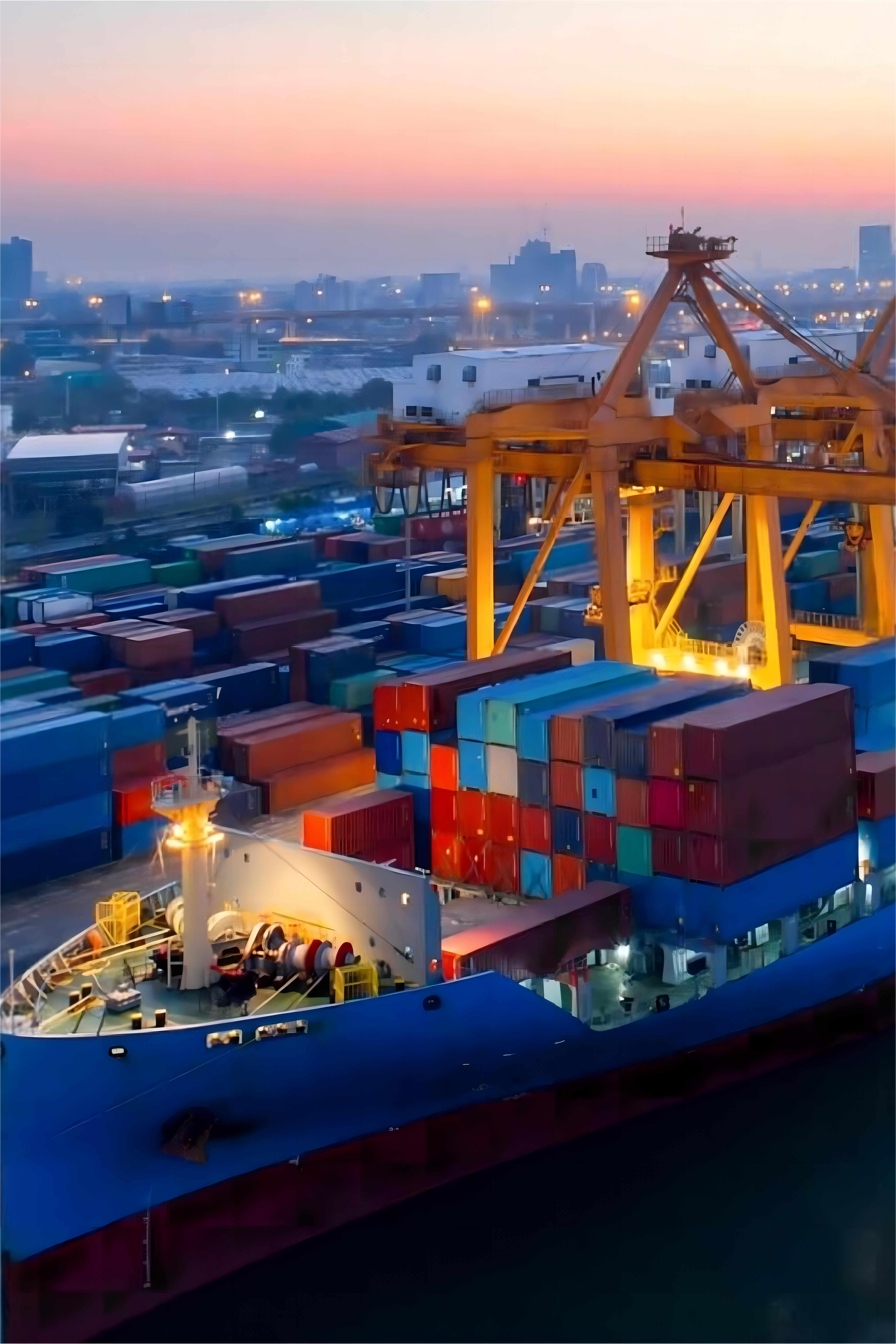
❖While sea freight remains the backbone of global trade, comparing it to rail freight reveals interesting trade-offs in 2026. For example, rail transit is nearly twice as fast as sea routes via the Suez Canal. However, sea freight offers much higher capacity and lower costs per unit for massive shipments. Consequently, large-scale manufacturers often prioritize sea routes to maintain low retail prices.
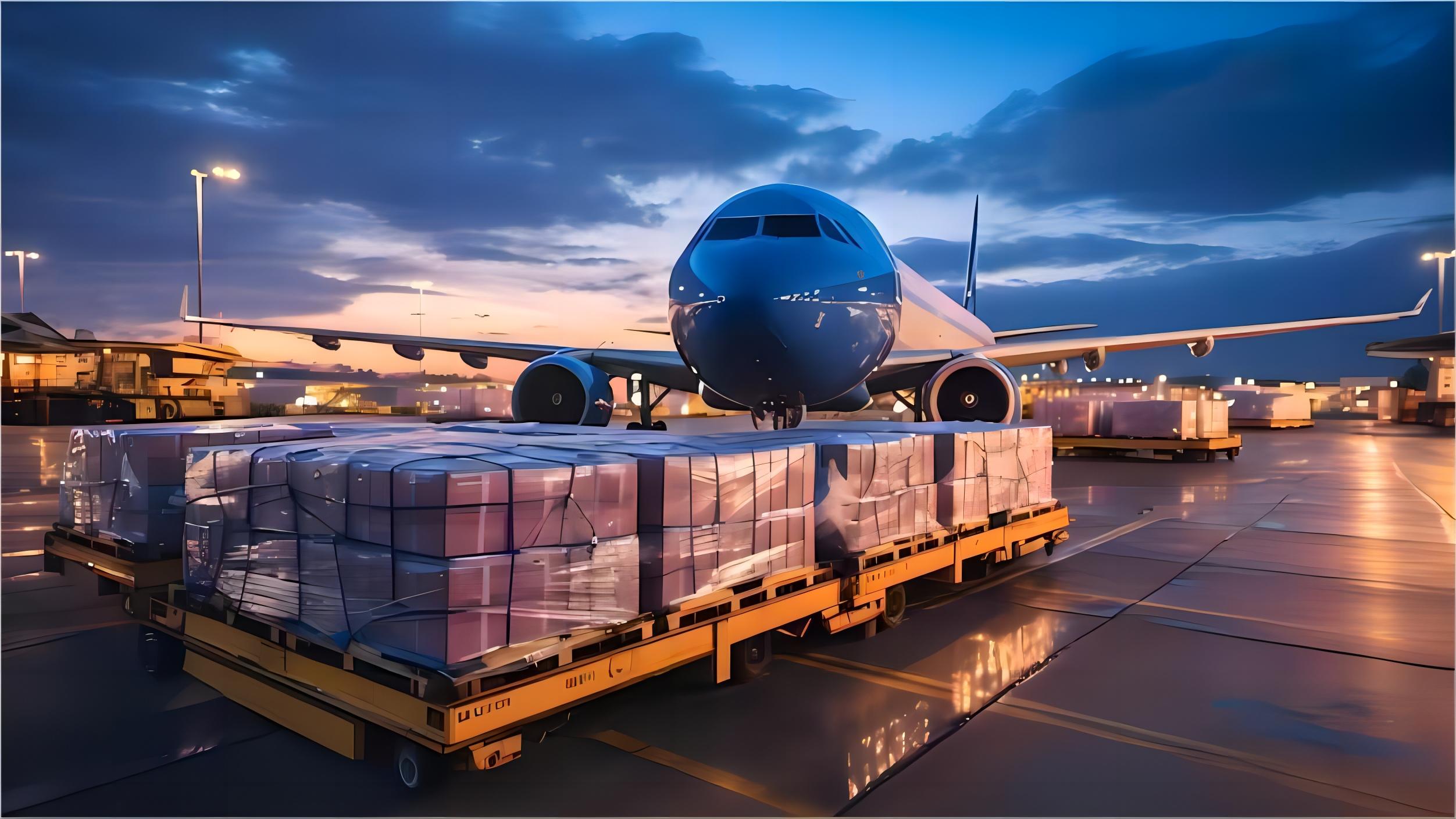
Additionally, air freight serves as a vital alternative when supply chain disruptions occur at major ports. Although the cost is substantially higher, the reduction in lead time can prevent costly production halts. Indeed, many companies now utilize a hybrid approach, split-shipping urgent components by air while sending the bulk of their inventory by sea. This strategy balances risk and expenditure effectively.
Note: Freight rates are subject to change based on fuel costs, carrier capacity, and seasonal demand. Contact us for a current quote tailored to your specific shipment.
| Shipping Method | Cost Range | Transit Time | Limitations |
|---|---|---|---|
| Sea (FCL 40HQ) | $3,500-$4,800 | 32-38 Days | Slow transit, port delays |
| Rail (FCL 40HQ) | $5,800-$7,200 | 16-20 Days | Limited to inland hubs |
| Air (1000kg+) | $4,500-$6,000 | 4-7 Days | Very high cost, weight limits |
| Sea-Air Hybrid | $2,500-$3,500 | 15-20 Days | Complex documentation |

Understanding FCL vs. LCL Pricing Models
❖Navigating the nuances of container pricing is vital for anyone using a china europe shipping cost estimator. FCL pricing is usually straightforward, involving a flat rate for the entire container regardless of how full it is. Meanwhile, LCL pricing is calculated based on volume, measured in cubic meters (CBM). Therefore, small shipments benefit from LCL, while larger volumes eventually reach a tipping point where FCL becomes cheaper.
Furthermore, our door to door services simplify this process by including inland trucking and local handling in a single quote. This eliminates the need for importers to coordinate multiple logistics providers. Consequently, businesses can focus on their core operations while we manage the transition from the Chinese factory to the European warehouse. As a result, the total landed cost becomes much more predictable.
Factors Influencing Your 2026 Shipping Quote
❖Several external factors influence the final numbers provided by a china europe shipping cost estimator. Specifically, the Port of Loading (POL) in China, such as Shenzhen or Ningbo, can affect local handling charges. Additionally, the Port of Discharge (POD) in Europe like Rotterdam or Hamburg has its own set of tariff structures. Accordingly, selecting the right port pair can save hundreds of dollars per container.
Seasonal fluctuations also play a significant role in pricing trends. For instance, rates typically increase by 15-25% during the August-October peak season as retailers prepare for the holiday rush. Moreover, the Chinese New Year period often sees a spike in demand followed by a temporary lull. Therefore, planning your shipments during off-peak months is a proven strategy for reducing overall logistics spend.
Real-World Case Studies for 2026
❖Examining actual shipping scenarios provides valuable context for new importers. These examples reflect market conditions as of early 2026. Specifically, they highlight the differences in cost and time across various routes and methods. By reviewing these cases, you can better estimate your own shipping budget and timeline.
Case Study 1: Solar Panel Shipment. Route: Shanghai, China to Rotterdam, Netherlands. Cargo: Grade A Solar Panels, 68 CBM. Container: 2 40HQ Containers. Shipping Details: Major carrier (COSCO), Direct route. Cost Breakdown: Ocean Freight: $7,400 ($3,700 per 40HQ). Origin Charges: $650. Destination Charges: $900. Customs and Duties: $1,200. Total Landed Cost: $10,150. Timeline: Booking to Loading: 4 days. Sea Transit: 34 days. Customs Clearance: 2 days. Total Door-to-Door: 40 days. Key Insight: Booking 4 weeks in advance secured a lower rate before the mid-month GRI.
Case Study 2: Industrial Machinery. Route: Wuhan, China to Lodz, Poland. Cargo: CNC Machines, 28,000 kg. Container: 1 40GP. Shipping Details: Rail Freight via Silk Road. Route Type: Trans-Siberian. Cost Breakdown: Rail Freight: $6,200. Origin Charges: $400. Destination Charges: $550. Customs and Duties: $1,800. Total Landed Cost: $8,950. Timeline: Booking to Loading: 6 days. Rail Transit: 18 days. Customs Clearance: 3 days. Total Door-to-Door: 27 days. Key Insight: Rail provided a 15-day saving over sea freight for a 25% cost increase.
Case Study 3: High-End Apparel. Route: Shenzhen, China to Paris, France. Cargo: Designer Clothing, 5 CBM, 1,200 kg. Shipping Method: Air Freight. Shipping Details: Major carrier (Air France Cargo). Cost Breakdown: Air Freight: $6,600 ($5.50/kg). Origin Charges: $300. Destination Charges: $450. Customs and Duties: $2,400. Total Landed Cost: $9,750. Timeline: Booking to Loading: 2 days. Air Transit: 2 days. Customs Clearance: 1 day. Total Door-to-Door: 5 days. Key Insight: High-margin goods justified the premium air freight cost to meet a seasonal launch date.
Which Option Should You Choose?
❖Determining the best shipping strategy requires a clear assessment of your business priorities. If your primary goal is budget optimization, sea freight is undoubtedly the winner for large volumes. However, if you are dealing with perishable goods or urgent deadlines, air freight is the only viable path. Meanwhile, rail freight serves those who need a balance of speed and cost-efficiency.
Cargo type also dictates the method. For example, hazardous materials are often restricted on rail lines and aircraft, leaving sea freight as the primary option. Additionally, the destination city matters; inland European cities like Prague or Munich are often more efficiently served by rail or truck-sea combinations. Consequently, you should evaluate your specific geographic requirements before finalizing your booking.
| Priority | Recommended Option | Key Benefit | Trade-off |
|---|---|---|---|
| Lowest Cost | Sea Freight (FCL) | Maximum economy | Longest transit |
| Fastest Delivery | Air Freight | Rapid inventory turn | High expense |
| Balance | Rail Freight | Reliable schedule | Geographic limits |
| Small Volume | LCL Shipping | Pay only for space | Higher per-unit cost |
Navigating Customs and Documentation Costs
❖Customs clearance is a significant component of the total price provided by a china europe shipping cost estimator. Specifically, every shipment must be accompanied by a Commercial Invoice, Packing List, and Bill of Lading. Furthermore, utilizing a professional customs brokerage ensures that your goods are classified under the correct HS codes. This prevents overpayment of duties and avoids costly delays at the border.
In addition to standard duties, some products may be subject to anti-dumping taxes or Value Added Tax (VAT) upon arrival in Europe. Consequently, calculating these taxes beforehand is essential for determining your final retail price. Indeed, many first-time importers are surprised by the destination charges that arise during the final leg of the journey. Therefore, always request an all-in quote that includes these essential services to avoid financial surprises.
Final Thoughts on 2026 Freight Planning
In conclusion, using a china europe shipping cost estimator is a fundamental step for any business engaged in international trade. By carefully weighing the pros and cons of sea, rail, and air freight, you can optimize your logistics budget for maximum profitability. Moreover, staying informed about market trends and seasonal shifts allows you to anticipate price changes before they impact your bottom line. As global trade continues to evolve, having a reliable freight partner becomes your greatest competitive advantage.
Remember that the cheapest option is not always the best one if it leads to stockouts or damaged goods. Consequently, a holistic approach that considers transit time, reliability, and total landed cost is the most effective strategy. We encourage you to use the data and case studies provided in this guide to refine your 2026 shipping plans. With the right tools and information, you can navigate the path from China to Europe with confidence and success.
Ready to streamline your logistics?
Managing international logistics requires precision and expert knowledge of current market trends. Our team at China Trade Freight specializes in providing accurate estimates and reliable transport solutions tailored to your specific business needs. Whether you are shipping full containers or smaller parcels, we ensure your cargo reaches its destination safely and on time. Visit our website today to request a personalized quote and see how our china europe shipping cost estimator can streamline your 2026 supply chain operations. Visit: https://chinatradefreight.com/ See: Contact Us
Request Quote