

Customs Clearance Service China Europe Import: 2026 Guide
Successfully managing international trade between Asian manufacturing hubs and European markets requires a sophisticated approach to logistics. Partnering with a professional China Trade Freight expert ensures that your supply chain remains resilient against regulatory shifts. When you secure a dedicated customs clearance service china europe import solution, you eliminate the risk of costly port delays and administrative penalties. This guide explores the essential components of modern importing to help you optimize your 2026 shipping strategy.

Why You Need a Customs Clearance Service China Europe Import Specialist
The regulatory environment for importing goods into Europe has become increasingly complex in 2026. Authorities now demand precise digital filings and strict adherence to safety standards for every shipment. Consequently, an expert customs brokerage partner is essential for navigating these bureaucratic hurdles. They provide the necessary expertise to ensure your cargo meets all legal requirements before it even leaves the port of loading.
Moreover, the financial implications of incorrect filing can be devastating for small and medium enterprises. A single error in HS code classification can lead to overpayment of duties or significant fines from customs officials. Professional specialists stay updated on the latest tariff changes and trade agreements between China and the European Union. Therefore, investing in high-quality clearance services protects your profit margins and ensures a smoother delivery schedule.
Additionally, the integration of new digital platforms like ICS2 has changed how security data is transmitted to European authorities. Modern specialists use automated systems to submit this data well in advance of the vessel’s arrival. This proactive approach minimizes the chances of your container being flagged for physical inspection. Indeed, speed and compliance are the two most critical factors in maintaining a competitive edge in today’s global market.
How Does Sea Freight Compare to Other Shipping Options?
Choosing the most effective transport method requires a careful analysis of your budget and time constraints. While sea freight remains the backbone of global trade due to its high capacity, it is not always the best fit for every scenario. On the other hand, air freight provides unmatched speed for high-value or perishable items. Understanding the trade-offs between these methods is vital for efficient supply chain management.
Furthermore, the cost-effectiveness of ocean transport makes it ideal for bulky items and large-scale inventory replenishment. In contrast, the rapid transit times of air transport allow businesses to respond quickly to market fluctuations. Meanwhile, hybrid solutions such as sea-air or rail-sea combinations are gaining popularity for their balance of cost and speed. You must evaluate your specific cargo needs against the current market rates to determine the most logical route.
| Shipping Method | Cost Range | Transit Time | Best For |
|---|---|---|---|
| Sea Freight (FCL) | $3,000 – $4,500 | 30 – 40 Days | High volume, low urgency |
| Air Freight | $8 – $15 per kg | 5 – 8 Days | High value, urgent cargo |
| Rail Freight | $4,500 – $6,500 | 18 – 22 Days | Mid-range budget and speed |
| Express Service | $12 – $20 per kg | 3 – 5 Days | Samples and small parcels |
Essential Documentation for China to Europe Imports
Accurate documentation is the foundation of any successful customs clearance service china europe import operation. You must prepare a comprehensive set of papers, including the commercial invoice, packing list, and bill of lading. Additionally, European customs require an EORI number for all businesses acting as the importer of record. Without these documents, your goods will likely be detained at the port of discharge, incurring expensive demurrage fees.
Furthermore, specific product categories may require additional certifications such as CE marking or health certificates. For instance, electronics must comply with various safety and environmental directives to enter the European market. Consequently, you should verify all requirements with your broker before the shipment departs from China. Indeed, being prepared with the right paperwork is the most effective way to avoid unnecessary logistics headaches.
| Document Name | Purpose | Required By | Criticality |
|---|---|---|---|
| Commercial Invoice | Valuation of goods | Customs / VAT | Mandatory |
| Packing List | Details of cargo | Port Authorities | Mandatory |
| Bill of Lading | Title to the goods | Carrier / Customs | Mandatory |
| EORI Number | Entity identification | EU Customs | Mandatory |

Understanding VAT and Customs Duties for China-Europe Trade
Importing goods into Europe involves significant tax obligations that must be calculated accurately to determine your total landed cost. Each member state has its own VAT rate, which is typically applied to the combined value of the goods, shipping, and insurance. Moreover, the base duty rate is determined by the specific HS code assigned to your products. Consequently, even a small classification error can result in thousands of dollars in unexpected costs.
In 2026, the Carbon Border Adjustment Mechanism (CBAM) has become a major factor for importers of steel, aluminum, and chemicals. This regulation requires detailed reporting on the carbon intensity of the production process in China. Therefore, businesses must work closely with their suppliers to gather the necessary data for compliance. Failure to report accurately can lead to heavy penalties and the suspension of import privileges within the European Union.
Note: Freight rates and duty percentages are subject to change based on fuel costs, carrier capacity, and seasonal demand. Contact us for a current quote tailored to your specific shipment.
Strategic Alternatives: Utilizing Rail and Door-to-Door Services
For many importers, rail freight offers a compelling alternative to traditional sea and air routes. It provides a faster transit time than ocean vessels while remaining significantly cheaper than air transport. Additionally, the expansion of the New Silk Road has improved the reliability and frequency of train services between major Chinese cities and European hubs. Consequently, rail is an excellent choice for seasonal goods that require a moderate delivery speed.
Furthermore, choosing a door to door service simplifies the entire logistics chain by combining multiple steps into one package. This service typically includes pickup from the factory, international transport, customs clearance, and final delivery to your warehouse. By consolidating these tasks, you reduce the risk of communication errors between different service providers. Without a doubt, this integrated approach provides the highest level of convenience for busy importers.
Real-World Case Studies: Successful Import Operations
Analyzing real-world scenarios helps importers understand the practical challenges and costs associated with China-Europe trade. These cases reflect market conditions as of early 2026 and demonstrate how different strategies impact the final outcome. Whether you are shipping high-volume consumer goods or specialized industrial equipment, these examples provide valuable benchmarks for your own operations.
Case Study 1: Electronics from Shenzhen to Rotterdam
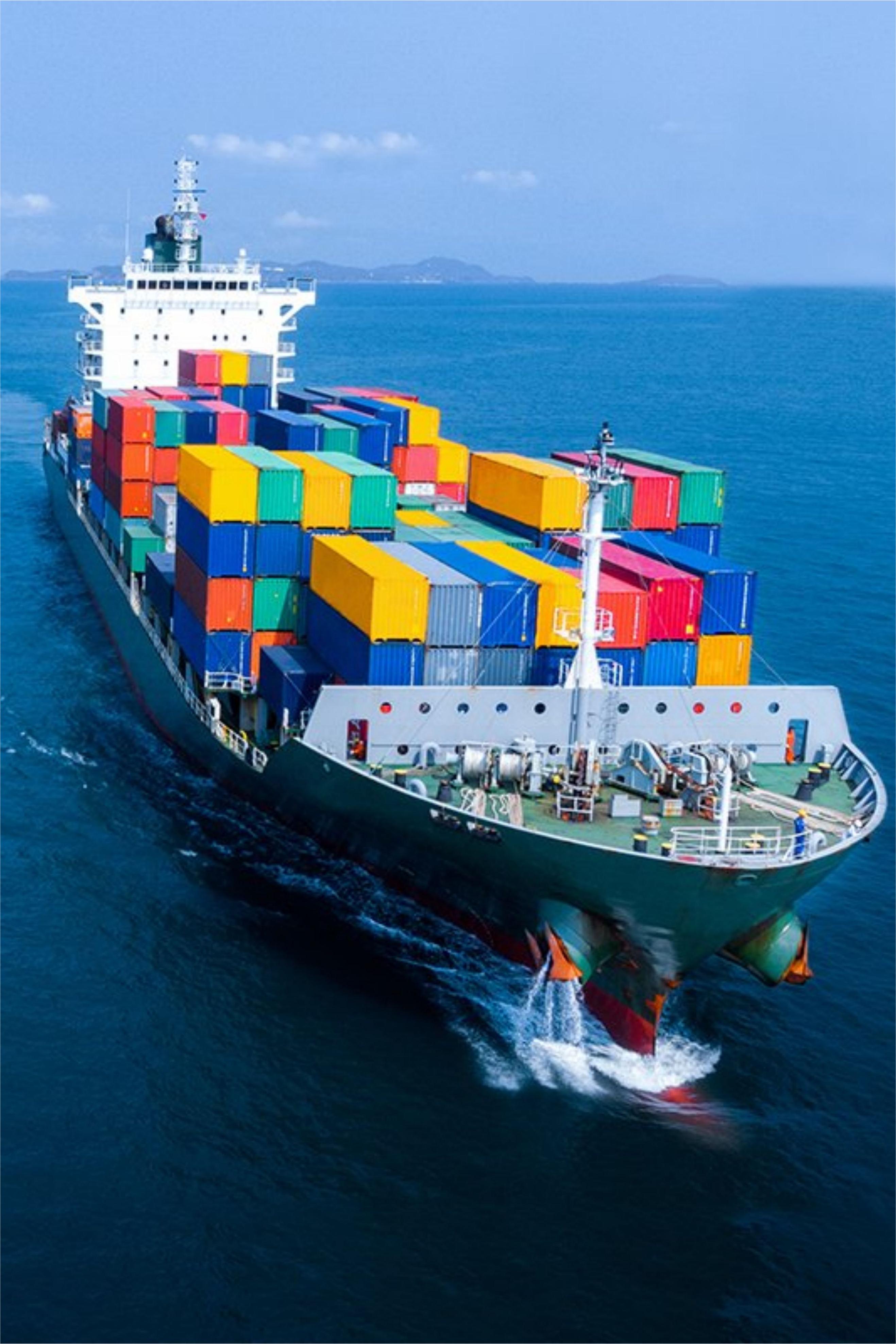
Route: Shenzhen, China to Rotterdam, Netherlands. Cargo: Consumer electronics, 65 CBM, 12,500 kg. Container: 1x40HQ. Shipping Method: Ocean Freight (Direct). Carrier: Major global carrier. Port of Loading: Shenzhen. Port of Discharge: Rotterdam. Ocean Freight: $4,200. Origin Charges: $450. Destination Charges: $600. Customs and Duties: $8,500. Total Landed Cost: $13,750. Booking to Loading: 4 days. Sea Transit: 32 days. Customs Clearance: 2 days. Total Door-to-Door: 42 days. Key Insight: Early ICS2 filing prevented any security-related delays upon arrival in the EU.
Case Study 2: Industrial Parts from Ningbo to Hamburg
Route: Ningbo, China to Hamburg, Germany. Cargo: Machine components, 8 CBM, 2,200 kg. Container: LCL shipment. Shipping Method: Rail Freight. Port of Loading: Ningbo via Xi’an terminal. Port of Discharge: Hamburg Billwerder. Total Freight Cost: $1,450. Origin Charges: $280. Destination Charges: $350. Customs and Duties: $2,100. Total Landed Cost: $4,180. Booking to Loading: 5 days. Rail Transit: 19 days. Customs Clearance: 1 day. Total Door-to-Door: 28 days. Key Insight: Rail provided a 14-day time saving over sea freight at a manageable cost increase.
Which Option Should You Choose? Decision Framework
Determining the best shipping strategy requires evaluating your business priorities against current market realities. If your primary goal is to minimize expenditure and your cargo is not time-sensitive, sea freight is the clear winner. On the other hand, if you need to maintain low inventory levels and require frequent small shipments, air or express services may be more appropriate. You must also consider the physical characteristics of your cargo, as some items are restricted on certain transport modes.
Moreover, high-value goods often justify the higher cost of air freight because it reduces the time capital is tied up in transit. Meanwhile, rail freight is increasingly used by automotive and machinery sectors for its reliable schedules and balanced pricing. Consequently, a diversified approach that uses different methods for different product lines is often the most resilient strategy. Indeed, flexibility is the key to surviving supply chain disruptions in 2026.
The Impact of CBAM and New EU Regulations on China Imports
The introduction of the Carbon Border Adjustment Mechanism (CBAM) represents a significant shift in how goods enter the European market. Importers are now responsible for accounting for the carbon emissions associated with the production of their goods in China. This requires a robust data collection process and frequent communication with manufacturers to ensure accuracy. Furthermore, these reports must be verified by accredited third parties to be accepted by European authorities.
Consequently, businesses that fail to prepare for these environmental regulations face significant financial penalties and potential cargo rejections. Moreover, other initiatives like the EU Deforestation Regulation (EUDR) are adding further layers of compliance for specific commodities. Therefore, staying informed about these legislative changes is a core part of a modern customs clearance service china europe import strategy. Adapting your supply chain to meet these green standards is no longer optional for those wishing to trade with Europe.
Optimizing Your China-Europe Import Strategy
Navigating the path from Chinese factories to European consumers requires a blend of strategic planning and regulatory expertise. By utilizing a professional customs clearance service china europe import provider, you can overcome the challenges of HS classification, VAT compliance, and environmental reporting. Moreover, selecting the right transport mode based on your specific needs ensures that you balance cost and speed effectively.
As we move through 2026, the importance of digitalization and sustainability in logistics will only continue to grow. Businesses that embrace these trends and partner with experienced freight forwarders will be best positioned for long-term success. Consequently, staying proactive and informed remains the most effective way to manage a global supply chain. We are here to help you every step of the way as you grow your international trade operations.
Start Your Shipment
Streamline your international trade today by choosing a partner that understands the complexities of the 2026 logistics landscape. Our team provides comprehensive support for your customs clearance service china europe import needs, ensuring your goods move efficiently from factory to front door. Visit our inquiry page to receive a customized quote tailored to your specific cargo requirements and transit goals. Visit: https://chinatradefreight.com/contact/
Request Quote