
Container Shipping Quote China Europe: 2026 Freight Rates and Logistics Guide
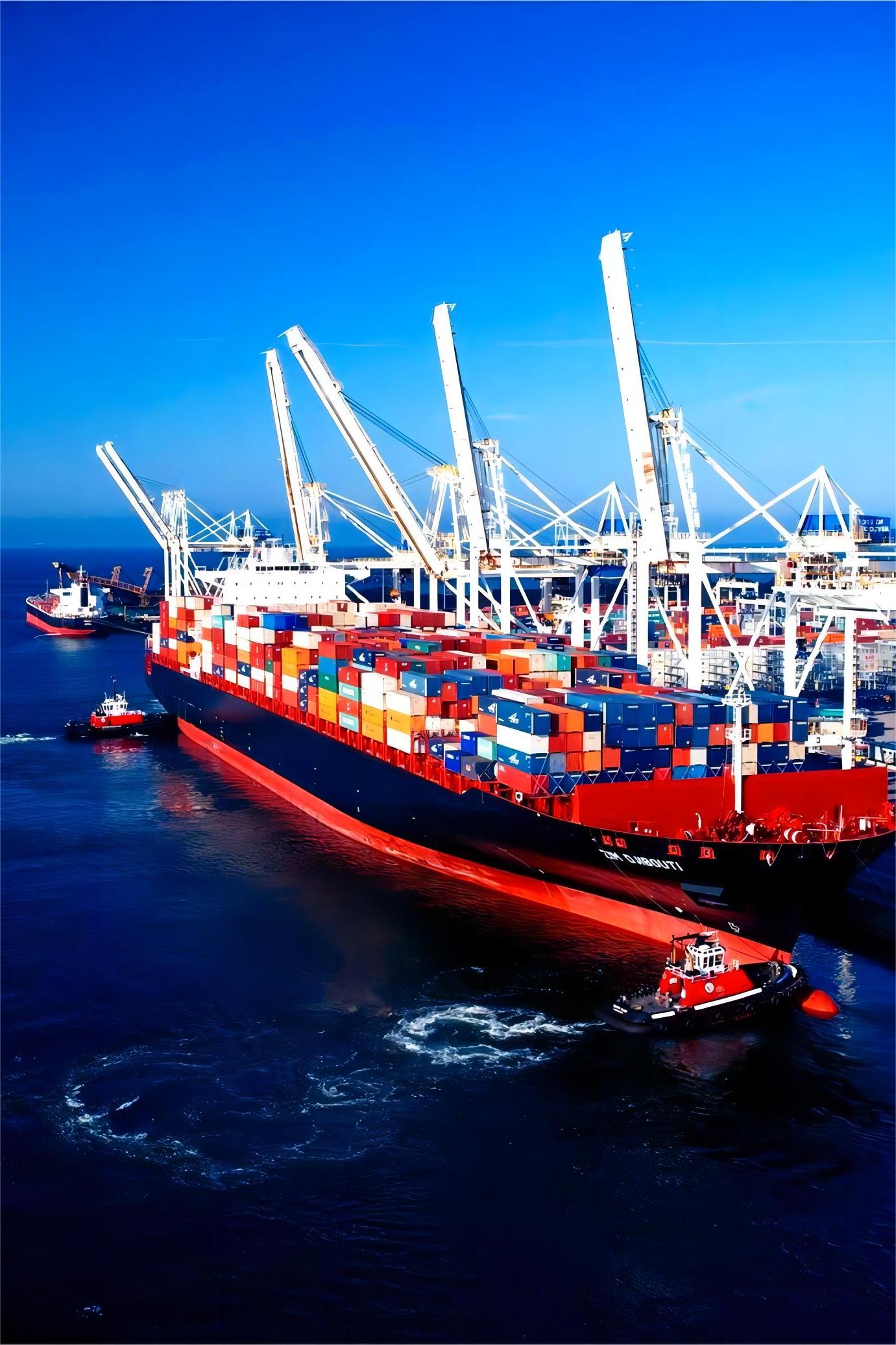
Navigating the complexities of international logistics requires a precise container shipping quote China Europe to ensure your business maintains healthy profit margins. As global trade routes evolve in 2026, understanding the nuances of ocean freight, rail alternatives, and customs procedures is more critical than ever for importers. At China Trade Freight, we provide transparent pricing and comprehensive support to help you manage your cargo efficiently from departure to arrival. This guide explores the essential factors influencing costs, transit times, and strategic choices for your next shipment to the European market.
✦
What Factors Influence Your Container Shipping Quote China Europe?
Determining the final cost of your shipment involves analyzing several dynamic variables that fluctuate based on market demand and geopolitical conditions. Fuel surcharges, often referred to as the Bunker Adjustment Factor, represent a significant portion of the total ocean freight expense in early 2026. Furthermore, seasonal peaks during the lead-up to the Golden Week or the end-of-year holidays can cause rates to spike by as much as twenty-five percent.
Port congestion remains a critical factor that logistics managers must monitor closely to avoid unexpected demurrage and detention fees. Consequently, choosing less crowded entry points in Southern Europe might offer a more stable pricing structure than traditional Northern hubs like Rotterdam or Hamburg. Additionally, the specific nature of your cargo, including its weight and classification, will dictate the necessary handling equipment and insurance premiums required for safe passage.
How to Compare FCL and LCL Shipping Rates?
Choosing between Full Container Load and Less than Container Load is a fundamental decision that impacts both your budget and delivery schedule. For businesses moving large volumes, sea freight via FCL provides a dedicated space that minimizes handling and reduces the risk of damage. On the other hand, LCL allows smaller enterprises to share container space, paying only for the volume they occupy, which is ideal for shipments under fifteen cubic meters.
While LCL offers lower entry costs for small batches, it often involves longer transit times due to the consolidation and deconsolidation processes at both ends. Moreover, the cost per cubic meter in an LCL shipment is typically higher than the equivalent space in an FCL arrangement. Therefore, calculating the break-even point between these two methods is essential for optimizing your total landed cost.
How Does Sea Freight Compare to Other Shipping Options?
Analyzing all available transport modes is necessary to build a resilient supply chain that balances speed and expenditure. While ocean transport is the most economical choice for bulky goods, air freight remains the preferred option for high-value electronics or urgent replenishment. In contrast, the middle-ground solution of rail freight has gained significant traction in 2026 for its reliable schedule and faster transit than ships.
Hybrid solutions, such as sea-air combinations via Dubai or Singapore, provide an alternative for those seeking to reduce air costs while maintaining a faster pace than standard ocean routes. Nevertheless, the environmental impact of each method is becoming a primary consideration for European importers facing stricter carbon reporting requirements. Consequently, rail options are often viewed as a more sustainable alternative to long-haul air transport.

Which Option Should You Choose? Decision Framework
Selecting the right logistics strategy depends on your specific business priorities and the nature of your inventory. If your primary goal is cost minimization, sea freight is unbeatable, especially when booking several weeks in advance to secure lower rates. However, if you are launching a new product or responding to a sudden market trend, the speed of air or rail might justify the higher investment.
Consider the following criteria when making your choice: Budget priority leads to sea freight, while speed priority points toward air or express. For cargo with high volume but moderate value, rail provides the best balance. Additionally, always factor in the destination infrastructure; for example, inland cities in Central Europe are often more efficiently reached via rail than through congested coastal ports.
Understanding Customs Brokerage and Documentation Costs
Navigating the legal requirements of European customs is a critical step that can significantly impact your total container shipping quote China Europe. Professional customs brokerage services ensure that your documentation, including the Commercial Invoice and Bill of Lading, complies with EU regulations. Indeed, incorrect HS code classification can lead to expensive fines or lengthy delays at the border.
Import duties and Value Added Tax (VAT) are calculated based on the CIF (Cost, Insurance, and Freight) value of your goods. Therefore, working with an experienced partner helps you accurately estimate these costs before your cargo leaves the factory in China. Furthermore, staying informed about trade agreements and potential anti-dumping duties is essential for maintaining a competitive edge in the European market.
The Benefits of Door to Door Logistics Solutions
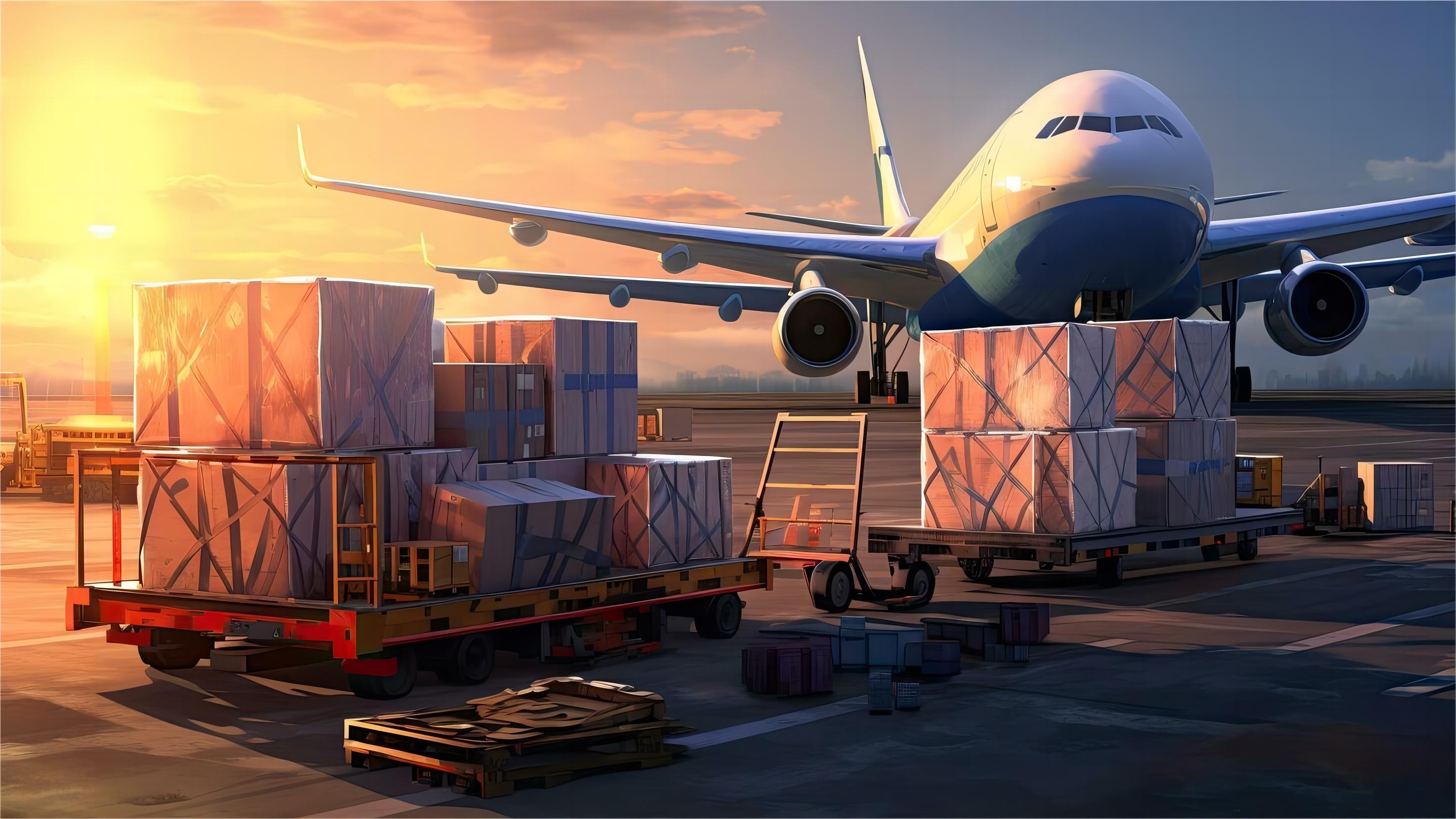
Implementing a door to door strategy simplifies the entire shipping process by consolidating all stages under a single provider. This approach eliminates the need for you to coordinate between multiple truckers, warehouse operators, and ocean carriers. Consequently, you receive a single, all-inclusive quote that covers everything from factory pickup in China to final delivery at your European warehouse.
Moreover, this integrated service provides better visibility and tracking throughout the shipment’s journey. Instead of managing individual segments, you can focus on your core business operations while your logistics partner handles the transition between different transport modes. Ultimately, door-to-door services reduce the likelihood of communication errors and hidden costs that often arise when using multiple intermediaries.
Real-World Case Studies for China-Europe Routes
Case Study 1: High-Volume Textile Import. Route: Ningbo, China to Hamburg, Germany. Cargo: Textiles, 68 CBM, 12,000 kg. Container: 40HQ FCL. Shipping Details: Direct sea carrier service. Ocean Freight: $3,450. Origin Charges: $420. Destination Charges: $580. Timeline: 34 days total. Key Insight: Booking 4 weeks in advance during the Q1 2026 period allowed the client to lock in a rate 15% below the monthly average.
Case Study 2: Urgent Electronics Distribution. Route: Shenzhen, China to Warsaw, Poland. Cargo: Consumer electronics, 12 CBM, 2,500 kg. Container: LCL. Shipping Details: Rail freight via the New Silk Road. Total Landed Cost: $5,200. Timeline: 22 days door-to-door. Key Insight: Rail provided a 12-day advantage over sea freight, allowing the client to meet a critical retail launch deadline without the extreme cost of air transport.
Case Study 3: Industrial Machinery Parts. Route: Shanghai, China to Rotterdam, Netherlands. Cargo: Spare parts, 5 CBM, 1,800 kg. Shipping Method: Air Freight. Total Landed Cost: $9,800. Timeline: 5 days. Key Insight: Despite the high cost, the air option was chosen to prevent a manufacturing plant shutdown in the EU, proving that speed is sometimes more valuable than freight savings.
Alternative Strategies for Cost-Effective Logistics
Reducing your shipping expenses requires more than just finding the lowest initial quote; it involves strategic planning and cargo optimization. For instance, consolidating multiple small orders from different suppliers into a single FCL shipment can significantly lower your per-unit transport cost. Additionally, optimizing your packaging to maximize the use of container volume prevents you from paying for empty space.
Another effective strategy is to utilize transshipment hubs where freight rates might be more competitive due to higher carrier volume. While this may add a few days to the transit time, the savings can be substantial during peak seasons. Furthermore, negotiating long-term contracts with freight forwarders can provide price stability in a market known for its volatility. Note: Freight rates are subject to change based on fuel costs, carrier capacity, and seasonal demand. Contact us for a current quote tailored to your specific shipment.
Summary of China-Europe Shipping Excellence
To summarize, obtaining an accurate container shipping quote China Europe involves a careful evaluation of transport modes, market timing, and regulatory requirements. Whether you prioritize the cost-effectiveness of sea freight or the speed of rail and air options, understanding the variables at play is crucial for success. By leveraging the right logistics partnerships and strategic planning, you can navigate the complexities of 2026 global trade with confidence.
Indeed, the landscape of international shipping continues to shift, but the fundamentals of efficiency and transparency remain constant. We encourage you to use the data and frameworks provided in this guide to optimize your supply chain. Remember that a well-chosen shipping strategy not only saves money but also enhances your reliability in the competitive European marketplace.