

Import Logistics Services Europe from China: 2026 Shipping Guide
Managing international trade requires a robust strategy and reliable partners to ensure goods move efficiently across borders. When you choose to import logistics services europe from china, you are investing in a supply chain that spans thousands of miles and multiple regulatory zones. Consequently, understanding the nuances of modern freight forwarding is essential for maintaining a competitive edge in the European market. Our comprehensive guide explores the most effective methods for transporting cargo while optimizing costs and delivery schedules.
What is the Current State of China-Europe Logistics in 2026?
The logistics landscape in early 2026 reflects a period of stabilization and technological integration following years of global supply chain shifts. Specifically, freight rates have found a new equilibrium after the disruptions seen in previous cycles. Moreover, digital tracking and automated customs processing have become standard requirements for any professional logistics provider.
Importers now prioritize resilience over the lowest possible cost to avoid stockouts during peak seasons. Therefore, diversifying transport modes is a common strategy among successful European enterprises. Additionally, green logistics initiatives are influencing how companies select their carriers to meet new environmental regulations.
Market data suggests that demand for high-tech components and renewable energy equipment continues to drive volume on these routes. Consequently, carriers have increased capacity on direct lines to major hubs like Rotterdam, Hamburg, and Antwerp. Meanwhile, smaller regional ports are gaining traction to avoid congestion at the largest terminals.

How Does Sea Freight Compare to Other Shipping Options?
Ocean transport remains the primary method for moving large volumes of cargo due to its cost-effectiveness. However, businesses must weigh the lower price against significantly longer transit times compared to air or rail. Furthermore, the choice between Full Container Load and Less than Container Load depends heavily on your specific inventory needs.
For many, sea freight offers the best balance for non-urgent shipments. It allows for the movement of heavy machinery, oversized items, and bulk commodities that would be prohibitively expensive by other means. Nevertheless, planning for a 30 to 40-day window is necessary to account for port handling and potential weather delays.
| Shipping Method | Cost Range | Transit Time | Best For |
|---|---|---|---|
| Sea Freight (FCL) | $3,000 – $4,500 | 30-40 Days | Bulk goods and large inventory |
| Air Freight | $5.50 – $9.00/kg | 5-8 Days | High-value or urgent items |
| Rail Freight | $4,000 – $6,000 | 18-22 Days | Mid-range budget and speed |
| Express Service | $9.00 – $15.00/kg | 3-5 Days | Samples and small parcels |
Why is Air Freight Essential for Time-Sensitive Cargo?
Speed is the defining characteristic of air freight when importing from China to Europe. Indeed, many companies rely on this mode to launch new products or replenish stock during unexpected demand surges. Although the cost per kilogram is higher, the reduction in inventory carrying costs often justifies the investment.
Security measures at airports are generally more stringent than at seaports, which reduces the risk of theft or damage. Additionally, the shorter transit time means less exposure to the elements during the journey. Consequently, electronics, pharmaceuticals, and fashion items are frequently shipped via air to ensure they arrive in pristine condition.
Typical routes involve departures from major hubs like Shanghai Pudong or Shenzhen Baoan with arrivals in Frankfurt, London, or Paris. Furthermore, many logistics providers now offer consolidated air services to provide more competitive rates for smaller shipments. This approach allows SMEs to access fast transit times without paying for a full aircraft pallet.
Can Rail Freight Bridge the Gap Between Sea and Air?
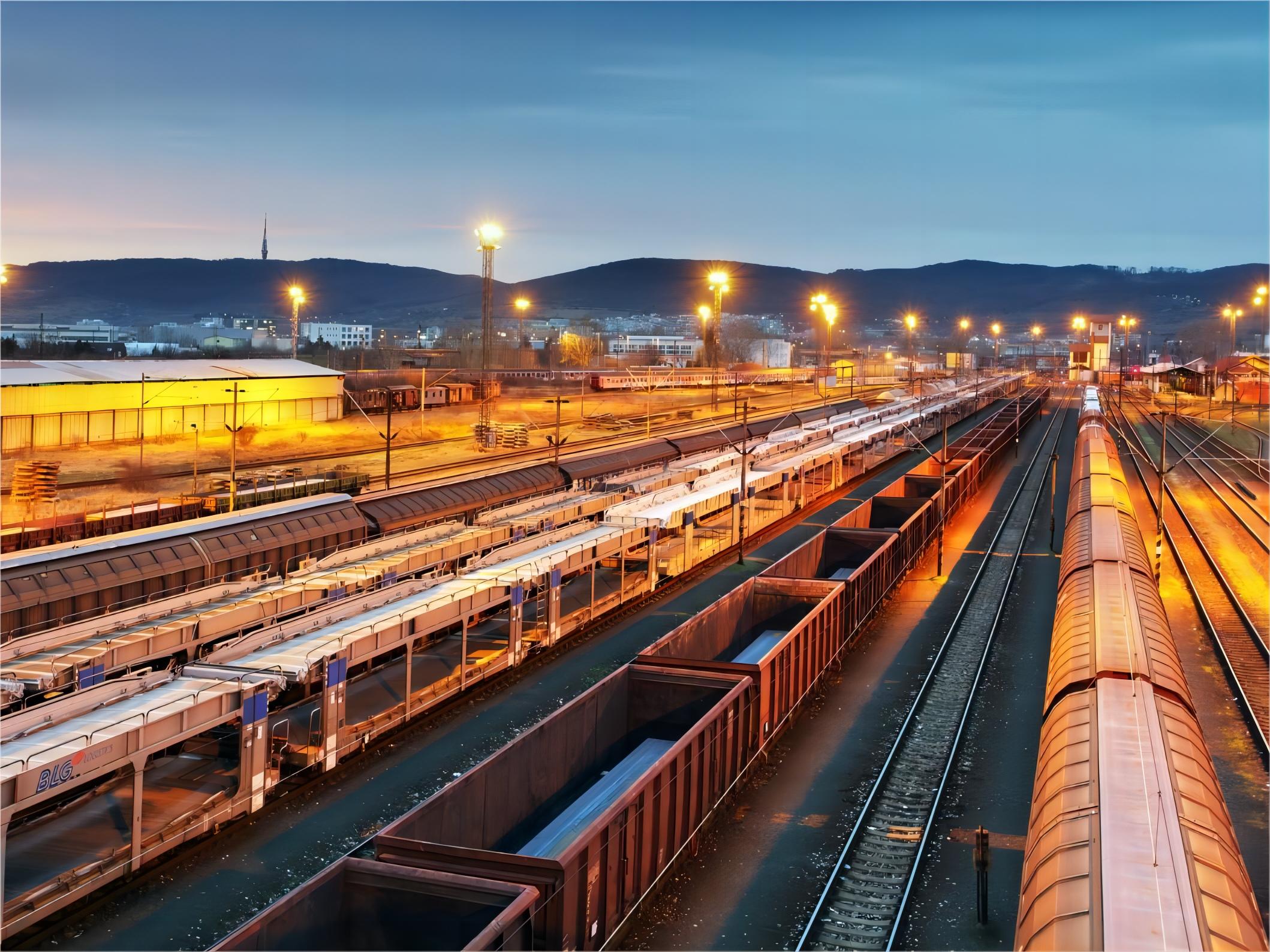
The Iron Silk Road has emerged as a vital alternative for businesses seeking a middle ground in their logistics strategy. Utilizing rail freight provides a transit time that is roughly half that of sea freight at a fraction of the cost of air. Therefore, it is an excellent choice for automotive parts and industrial equipment.
Stability in pricing is a significant advantage of the rail network compared to the volatile ocean market. Moreover, rail transport is often cited as a more environmentally friendly option than air freight. Consequently, many European brands are shifting a portion of their volume to rail to meet sustainability targets.
Operational routes typically connect inland Chinese cities like Xi’an or Chengdu directly to European logistics hubs like Duisburg or Warsaw. This direct connection reduces the need for multiple transshipments. Meanwhile, the development of faster border crossing procedures has further improved the reliability of this transport mode.
What are the Benefits of Door to Door Shipping Services?
Managing multiple vendors during an import process can lead to communication breakdowns and delays. By choosing door to door solutions, you simplify the entire chain into a single point of contact. This integrated approach covers everything from the initial factory pickup to the final delivery at your warehouse.
Efficiency is greatly enhanced when one provider handles the inland trucking, international transit, and final mile delivery. Furthermore, this service usually includes all documentation and handling fees in a single quote. Consequently, businesses can accurately calculate their landed costs before the goods even leave China.
Visibility is another key factor that makes door-to-door services attractive to modern importers. You receive updates at every milestone, ensuring you know exactly where your cargo is located. In addition, this model minimizes the risk of goods being stranded at ports due to missing paperwork or unpaid local charges.

How to Handle Customs Brokerage and Compliance?
Navigating the complex regulations of the European Union requires specialized knowledge and attention to detail. Professional customs brokerage ensures that all duties and taxes are calculated correctly to avoid costly penalties. Moreover, staying compliant with the latest VAT rules and import restrictions is critical for long-term success.
Proper classification of goods using the correct HS codes is the foundation of a smooth customs entry. Additionally, ensuring that all safety and environmental certifications are in order prevents shipments from being held for inspection. Therefore, working with an experienced broker can save both time and money during the clearance process.
Digitalization has transformed how customs declarations are filed in 2026. Most European countries now use centralized electronic systems that allow for pre-clearance of goods while they are still in transit. Consequently, many shipments can be cleared within hours of arrival at the port of entry.
Which Option Should You Choose? A Decision Framework
Selecting the right shipping method depends on four primary factors: budget, speed, cargo volume, and product sensitivity. If your primary goal is cost reduction and you have flexible timelines, sea freight is the logical choice. On the other hand, if you are shipping high-value electronics that lose value quickly, air freight is the better investment.
Volume thresholds often dictate when it is time to switch from LCL to FCL shipping. Generally, once a shipment exceeds 15 cubic meters, booking a full 20-foot container becomes more economical. Meanwhile, rail freight serves as a strategic fallback when sea freight capacity is tight or air freight costs spike.
Hybrid solutions are also gaining popularity in 2026. For example, some importers use sea-air combinations where goods are shipped by sea to a hub like Dubai and then flown to Europe. This strategy offers a balance of speed and cost that can be tailored to specific seasonal needs.
| Priority | Recommended Method | Key Reason | Trade-off |
|---|---|---|---|
| Lowest Cost | Sea Freight (LCL/FCL) | Massive scale economy | Longest wait times |
| Max Speed | Air Freight | Rapid global transit | Highest price point |
| Reliability | Rail Freight | Fixed schedules | Limited to rail hubs |
| Convenience | Door to Door | End-to-end management | Slightly higher service fee |
Real-World Case Studies: Import Logistics Services Europe from China
Examining actual shipping scenarios provides valuable insights into the practicalities of international trade. These examples reflect the current market conditions of 2025 and 2026, highlighting the costs and timelines involved in different transport modes. Note: Freight rates are subject to change based on fuel costs, carrier capacity, and seasonal demand. Contact us for a current quote tailored to your specific shipment.
Case Study 1: Sea Freight Success Route: Shenzhen, China to Rotterdam, Netherlands Cargo: Consumer Electronics, 28 CBM, 4500 kg Container: 40GP (Full Container Load) Shipping Details: – Carrier: Major Ocean Carrier – Port of Loading: Shenzhen – Port of Discharge: Rotterdam – Route Type: Direct Cost Breakdown: – Ocean Freight: $3,500 – Origin Charges: $450 – Destination Charges: $600 – Customs and Duties: Estimated based on value – Total Landed Cost: $4,550 (Excluding duties) Timeline: – Booking to Loading: 5 days – Sea Transit: 33 days – Customs Clearance: 2 days – Total Door-to-Door: 40 days Key Insight: Using a direct route saved 6 days compared to transshipment options.
Case Study 2: Rail Freight Efficiency Route: Xi’an, China to Warsaw, Poland Cargo: Industrial Components, 12 CBM, 3000 kg Container: LCL (Less than Container Load) Shipping Details: – Carrier: China-Europe Railway Express – Port of Loading: Xi’an Rail Terminal – Port of Discharge: Warsaw Terminal – Route Type: Direct Rail Cost Breakdown: – Rail Freight: $2,800 – Origin Charges: $300 – Destination Charges: $400 – Total Landed Cost: $3,500 Timeline: – Booking to Loading: 4 days – Rail Transit: 18 days – Customs Clearance: 1 day – Total Door-to-Door: 23 days Key Insight: Rail provided a 15-day advantage over sea freight at a manageable cost increase.
Case Study 3: Air Freight Urgency Route: Shanghai, China to Paris, France Cargo: Fashion Apparel, 2 CBM, 500 kg Method: Air Freight Pallet Shipping Details: – Carrier: Major Cargo Airline – Airport of Loading: Shanghai Pudong (PVG) – Airport of Discharge: Paris (CDG) – Route Type: Direct Flight Cost Breakdown: – Air Freight: $4,250 ($8.50/kg) – Handling and Documentation: $250 – Total Landed Cost: $4,500 Timeline: – Booking to Loading: 2 days – Air Transit: 1 day – Customs Clearance: 1 day – Total Door-to-Door: 4 days Key Insight: Perfect for high-demand seasonal launches where speed is more critical than shipping cost.
Final Thoughts on European Import Logistics
Successfully navigating the complexities of import logistics services europe from china requires a combination of strategic planning and reliable partnerships. By understanding the differences between sea, air, and rail freight, you can make informed decisions that protect your profit margins and satisfy your customers. Transitioning between these modes based on seasonal demand and cargo type is a hallmark of a sophisticated supply chain.
Always remember to factor in the total landed cost, including customs duties and local handling fees, to avoid surprises. As the global trade environment continues to evolve in 2026, staying flexible and informed will be your greatest advantage. Whether you are a small e-commerce seller or a large industrial manufacturer, the right logistics strategy is the key to unlocking the full potential of the China-Europe trade route.
Need a tailored shipping solution?
Streamline your supply chain today with professional import logistics services europe from china. Our team at China Trade Freight provides tailored solutions to ensure your cargo arrives on time and within budget. Contact us now for a competitive quote and expert guidance on your next shipment. Visit our website to get started: