


Freight Forwarding Company China Europe: 2026 Shipping Guide
Finding a reliable freight forwarding company China Europe is essential for businesses navigating the complex trade lanes of 2026. Consequently, global logistics require precision, especially when managing fluctuating costs and varying transit times across multiple continents. This comprehensive guide provides actionable insights into optimizing your shipping strategy to ensure your cargo arrives safely and on schedule. Without a doubt, selecting the right partner can significantly reduce your operational overhead and improve supply chain reliability.
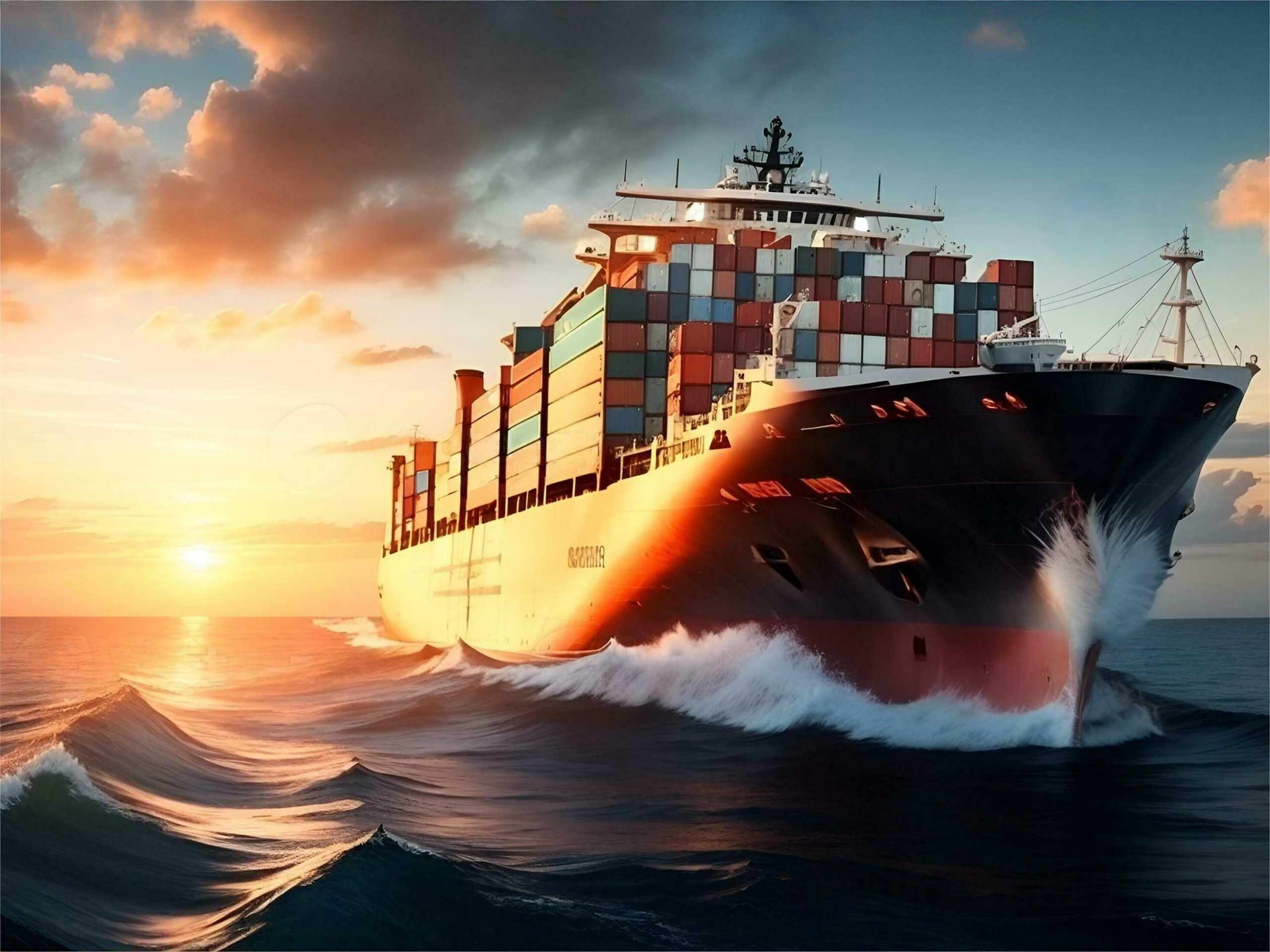
How Does Rail Freight Compare to Other Shipping Options?
Shippers often evaluate various modes based on their specific budget and timeline requirements. Consequently, rail transport has emerged as a powerful middle-ground solution for those who find sea too slow and air too expensive. Furthermore, the effectiveness of this mode depends heavily on the current geopolitical stability of the Eurasian land bridge. Therefore, consulting with an experienced partner is vital for navigating these complexities effectively.

In addition to standard options, hybrid solutions like sea-air or rail-sea combinations are gaining popularity in 2026. For example, moving goods by sea to a middle-eastern hub and then by air to Europe can save 40 percent in costs compared to pure air freight. Meanwhile, direct rail routes offer a sustainable alternative for companies looking to reduce their carbon footprint without sacrificing too much speed. Nevertheless, each business must weigh these benefits against potential infrastructure delays.
To summarize the market context, freight rates in early 2026 have stabilized following the disruptions of previous years. Moreover, carrier capacity has increased on the main routes to Northern Europe and the Mediterranean. Accordingly, now is an ideal time for importers to lock in competitive contracts for the upcoming peak season. Indeed, proactive planning remains the best defense against sudden market volatility.
| Sea Freight (40HQ) | $3,000 – $4,200 | 30-40 Days | Bulk goods | Slow transit |
| Rail Freight (40HQ) | $5,500 – $7,500 | 15-22 Days | Mid-value cargo | Route limits |
| Air Freight (1000kg) | $4,500 – $6,500 | 5-8 Days | Urgent items | High cost |
| Express Service | $8,000 – $12,000 | 3-5 Days | Small samples | Weight limits |
What Are the Key Shipping Methods for China to Europe?
Selecting the right transportation mode is the most critical decision in your logistics planning. For large-volume shipments where cost is the primary concern, sea freight remains the industry standard. This method allows for massive scale and provides the lowest cost per unit for non-urgent goods. However, you must account for longer lead times and potential port congestion in major hubs like Rotterdam or Hamburg.
Alternatively, when speed is the priority for high-value electronics or seasonal fashion, air freight is the superior choice. Although the costs are significantly higher, the reduction in inventory holding costs can often justify the investment. Furthermore, air transport offers enhanced security and a lower risk of damage for sensitive equipment. Consequently, many tech firms prefer this method for their flagship product launches.
For EACH shipping scenario, we suggest at least 2-3 alternative approaches. For instance, if sea freight is too slow but air is too expensive, consider LCL rail freight as a cost-effective compromise. Another alternative is using transshipment hubs to avoid direct route surcharges during peak periods. Without a doubt, having a backup plan is essential for maintaining a resilient supply chain in the 2026 market.
Why Choose Rail Freight for Your European Shipments?
Rail transport has revolutionized the link between Chinese manufacturing hubs and European markets. Specifically, rail freight offers a transit time that is roughly half that of sea freight at a fraction of the cost of air. This makes it particularly attractive for automotive parts, machinery, and consumer goods that require a faster turnaround than ships can provide. Moreover, the environmental impact is significantly lower than air transport.
As of early 2026, the rail infrastructure has seen major upgrades in terminal efficiency. Consequently, the reliability of departure schedules has reached an all-time high for the China-Europe Express. In addition, the integration of smart tracking technology allows shippers to monitor their containers in real-time across the entire journey. Therefore, businesses can manage their warehouse stock levels with much higher precision than in previous years.
Nevertheless, shippers must stay informed about changing customs regulations at border crossings. For example, shipments passing through multiple jurisdictions require meticulous documentation to avoid delays. Meanwhile, our team works closely with local authorities to ensure smooth transitions at every checkpoint. Indeed, expertise in rail logistics is what sets a premium freight forwarding company China Europe apart from the competition.
Understanding 2026 Shipping Costs and Transit Times
Market data suggests that shipping costs from China to Europe will remain sensitive to fuel price fluctuations throughout 2026. For example, a standard 40HQ container from Shanghai to Felixstowe might cost between $3,500 and $4,500 depending on the season. Furthermore, peak season surcharges typically apply from August to October as retailers prepare for the holiday rush. Consequently, booking at least 4 weeks in advance is highly recommended to secure the best rates.
Transit times also vary based on the specific port of loading and discharge. While a direct sea route to the Mediterranean might take 25 days, reaching Northern European ports often takes upwards of 35 days. On the other hand, rail freight consistently delivers within a 16-20 day window to major inland terminals. Accordingly, businesses must align their production schedules with these logistical realities to avoid stockouts.
Note: Freight rates are subject to change based on fuel costs, carrier capacity, and seasonal demand. Contact us for a current quote tailored to your specific shipment. Based on current market rates as of Q1 2026, these estimates provide a reliable baseline for your annual budgeting. However, always verify current surcharges before finalizing your shipping plans.
| Hamburg, Germany | 30-34 | 16-19 | 5-7 |
| Rotterdam, Netherlands | 32-35 | 18-20 | 5-7 |
| Warsaw, Poland | 38-42 | 14-16 | 6-8 |
| Milan, Italy | 25-28 | 20-22 | 5-7 |
Navigating Customs Clearance and Documentation
Successful importing requires a deep understanding of the customs brokerage process in both the origin and destination countries. For instance, ensuring that all HS codes are accurately declared is the first step in avoiding costly fines and delays. In addition, European importers must have a valid EORI number to clear goods through EU customs. Furthermore, the 2026 regulations have introduced stricter digital filing requirements for all incoming cargo.
Typical documentation for this route includes the Commercial Invoice, Packing List, and Bill of Lading or Waybill. Moreover, certain products like chemicals or electronics may require specific certificates of origin or safety compliance documents. Consequently, a single error in paperwork can lead to your shipment being held at the port for weeks. Therefore, working with a professional who understands these nuances is a critical investment for your business.
Meanwhile, our specialists handle the entire filing process to ensure your cargo moves through the border without interruption. For example, we pre-clear shipments whenever possible to minimize the time spent in customs bonded warehouses. Indeed, efficient cargo handling and documentation management are the hallmarks of a top-tier logistics partner. Without a doubt, this proactive approach saves both time and money for our clients.
Which Option Should You Choose? Decision Framework
Deciding on the best shipping method requires a clear analysis of your business priorities. If your primary goal is budget priority, we recommend sea freight for all shipments exceeding 15 CBM. On the other hand, if speed priority is your main concern for high-demand products, air freight is the only viable solution. For mid-range requirements, rail freight offers the best balance of cost and velocity.
Cargo type considerations also play a major role in this decision. For instance, hazardous materials or heavy machinery are often restricted to specific sea vessels or specialized rail cars. Additionally, volume thresholds dictate when to switch from LCL to FCL shipping. Specifically, for shipments over 15 CBM, booking a full 20GP container is often more economical than paying for individual cubic meters in a shared container.
Consider the following decision criteria: 1. Is the goods value over $50,000? (Consider Air/Rail). 2. Is the deadline under 20 days? (Consider Air/Rail). 3. Is the volume over 20 CBM? (Consider Sea/Rail FCL). By answering these questions, you can quickly narrow down the most efficient logistics path. Furthermore, our consultants are always available to provide a customized analysis of your specific shipping needs.
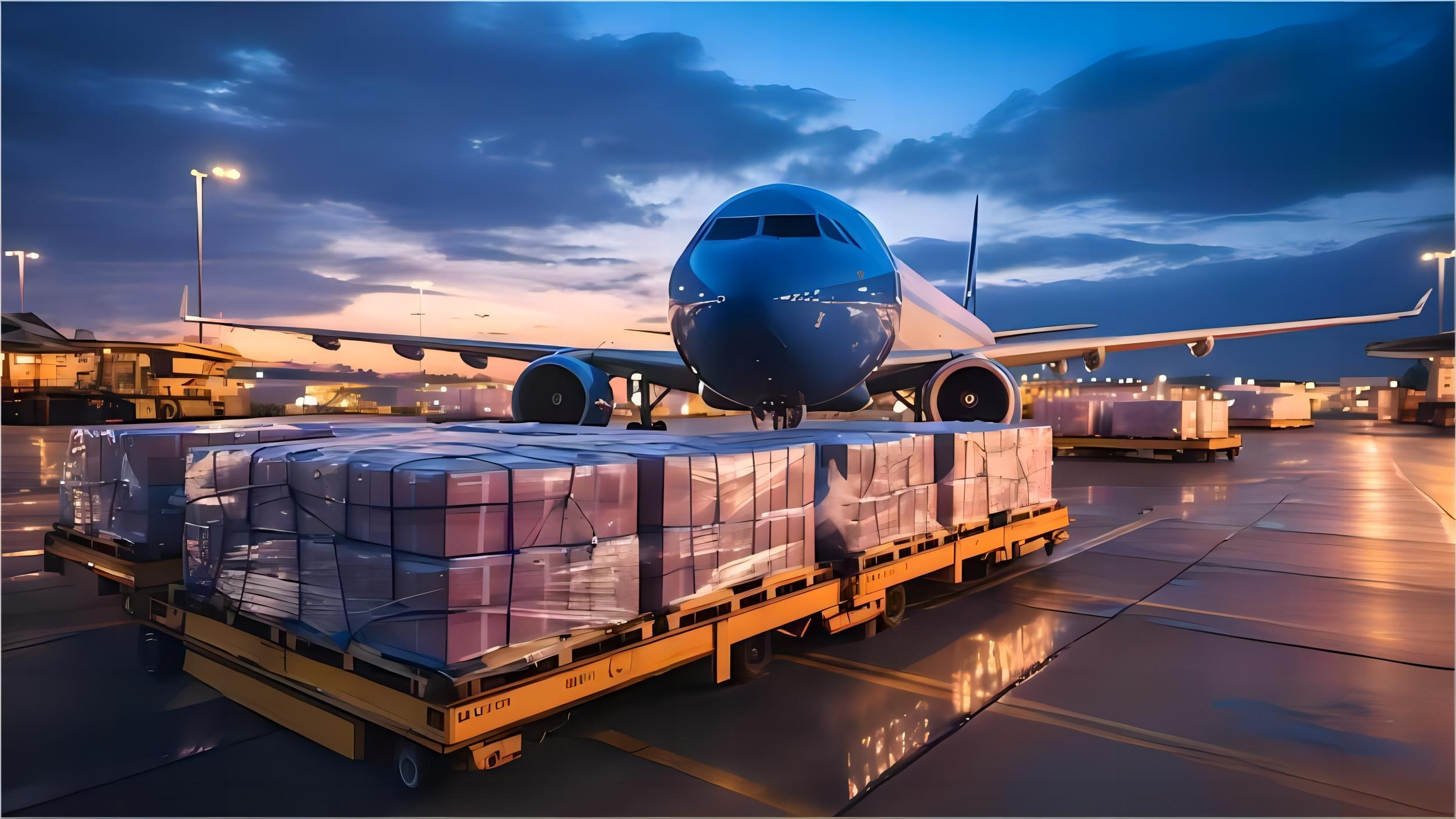
Real-World Case Studies from 2026
To illustrate how these strategies work in practice, let us examine two recent shipments handled by our team. These examples highlight the costs, timelines, and challenges associated with different shipping modes on the China-Europe route.
Case Study 1: Electronics from Shenzhen to Hamburg via Rail Route: Shenzhen, China to Hamburg, Germany Cargo: Consumer Electronics, 12 CBM, 2500 kg Container: LCL Service Shipping Details: – Carrier: Major Eurasian Rail Operator – Port of Loading: Shenzhen Terminal – Port of Discharge: Hamburg Billwerder – Route Type: Direct Rail Cost Breakdown: – Rail Freight: $2,100 – Origin Charges: $250 – Destination Charges: $320 – Customs & Duties: $1,100 – Total Landed Cost: $3,770 Timeline: – Booking to Loading: 3 days – Rail Transit: 17 days – Customs Clearance: 2 days – Total Door-to-Door: 22 days Key Insight: Using rail saved 15 days compared to sea freight while costing 60 percent less than air freight.
Case Study 2: Industrial Parts from Ningbo to Rotterdam via Sea Route: Ningbo, China to Rotterdam, Netherlands Cargo: Machine Components, 68 CBM, 15000 kg Container: 40HQ Shipping Details: – Carrier: MSC – Port of Loading: Ningbo-Zhoushan – Port of Discharge: Rotterdam Maasvlakte – Route Type: Direct Sea Route Cost Breakdown: – Ocean Freight: $3,950 – Origin Charges: $400 – Destination Charges: $550 – Customs & Duties: $2,400 – Total Landed Cost: $7,300 Timeline: – Booking to Loading: 5 days – Sea Transit: 33 days – Customs Clearance: 3 days – Total Door-to-Door: 41 days Key Insight: FCL sea freight provided the lowest possible unit cost for this high-volume industrial shipment.
Comprehensive Door-to-Door Logistics Solutions
In the modern trade environment, most businesses prefer a seamless door to door service. This approach eliminates the need for the importer to manage multiple subcontractors or coordinate local trucking. Instead, the freight forwarder handles everything from the factory pickup in China to the final delivery at your warehouse in Europe. Consequently, this reduces the risk of communication errors and logistics bottlenecks.
Furthermore, our integrated service includes expert warehouse management and last-mile delivery. For example, once your goods clear customs in Europe, we deploy our local fleet to ensure the final leg of the journey is completed within 24-48 hours. This is particularly beneficial for companies using third-party fulfillment centers. In addition, we provide real-time updates so you always know exactly where your inventory is located.
Meanwhile, many of our clients also utilize our shipping from China to Europe expertise to manage their Amazon FBA inventory. By streamlining the labeling and prep process at the origin, we help sellers avoid costly Amazon rejection fees. Therefore, a comprehensive logistics strategy covers not just the transport, but the entire lifecycle of the shipment. Indeed, this holistic view is what ensures long-term success in international trade.
Final Thoughts on Choosing a Freight Forwarder
In summary, navigating the trade route between China and Europe requires a blend of strategic planning and local expertise. Whether you prioritize the speed of air, the balance of rail, or the economy of sea, your choice of a freight forwarding company China Europe will determine the reliability of your supply chain. By understanding the 2026 market trends and utilizing the decision frameworks provided, you can make informed choices that protect your margins.
Furthermore, remember that the lowest price is not always the best value if it comes with hidden delays or poor communication. Focus on building a partnership with a logistics provider that offers transparency, comprehensive services, and a proven track record. As global trade continues to evolve, having a resilient and adaptable shipping strategy remains your most significant competitive advantage.
Need a tailored shipping solution?
Streamline your supply chain today with a trusted freight forwarding company China Europe. Contact our logistics experts now to receive a customized quote and optimize your 2026 shipping strategy. Send Inquiry for professional assistance.