

China Freight Forwarder Europe Shipping: 2026 Logistics Guide
Finding a reliable China Trade Freight partner is essential for navigating the complex logistics of 2026. Businesses often face significant challenges when coordinating a china freight forwarder europe shipping strategy due to fluctuating fuel costs and changing trade regulations. Consequently, selecting an experienced logistics provider ensures that your goods move efficiently across the Eurasian continent while maintaining your profit margins. This guide explores the best shipping methods, costs, and strategies to optimize your supply chain this year.
How Does Sea Freight Compare to Other Shipping Options?
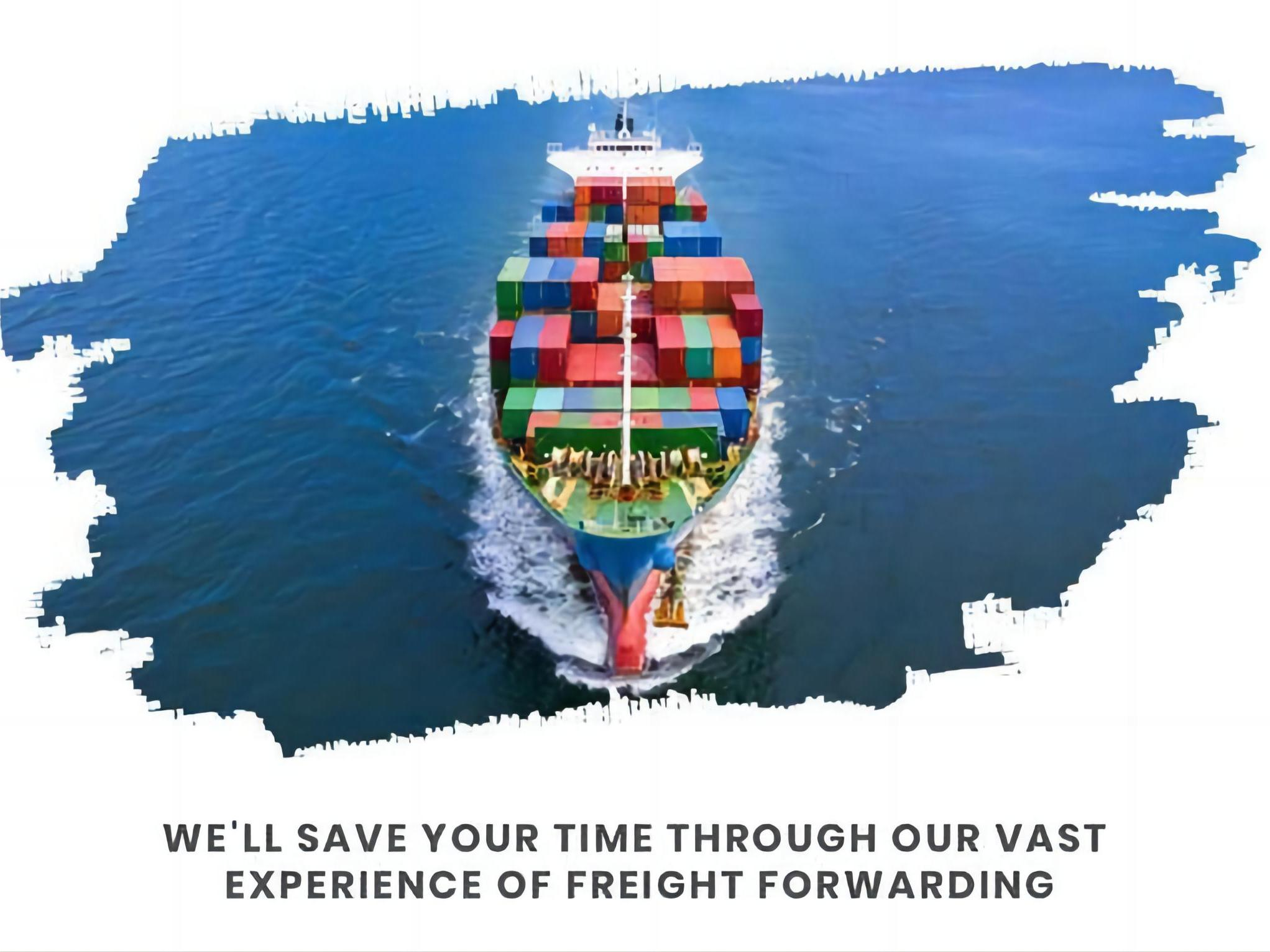
Sea freight remains the primary choice for global trade due to its ability to handle massive volumes at a low price point. In the 2026 market, ocean transit continues to offer the most competitive rates for businesses that can afford longer lead times. However, comparing this method to air or rail is necessary to determine which fits your specific delivery schedule.
Furthermore, sea freight is significantly more environmentally friendly than air transport, which is becoming a major factor for European importers. While it takes longer, the cost savings on bulk goods like furniture or heavy machinery are undeniable. Therefore, most companies utilize ocean transport as their baseline logistics strategy.
In contrast, rail freight has emerged as a high-speed alternative that bridges the gap between sea and air. While more expensive than a container ship, it offers a 50 percent reduction in transit time. Consequently, businesses must weigh the urgency of their inventory against the total landed cost of each shipping method.
| Shipping Method | Cost Range (USD) | Transit Time | Best For |
|---|---|---|---|
| Sea Freight (FCL) | $3,000 – $4,200 | 30 – 45 Days | Bulk Cargo |
| Air Freight | $12,000 – $20,000 | 5 – 8 Days | Urgent Goods |
| Rail Freight | $6,000 – $9,000 | 18 – 25 Days | Mid-value Items |
| Express Courier | $25,000+ | 3 – 5 Days | Small Samples |
Sea Freight Solutions: FCL and LCL Strategies
Utilizing sea freight is often the most cost-effective method for shipping bulky items from China to Europe in 2026. Full Container Load (FCL) shipping provides the best security and speed for large orders that can fill a 20GP or 40HQ container. Notably, FCL shipments are less prone to damage because the container remains sealed from the origin to the destination.
Specifically, Less than Container Load (LCL) allows smaller businesses to share container space and only pay for the volume they use. This flexibility is vital for startups that do not have the volume to justify a full container. Nevertheless, LCL shipments often require more time at the port for consolidation and deconsolidation processes.
Managing your sea cargo requires a deep understanding of port congestion and carrier schedules. As of early 2026, freight rates from China to Europe have stabilized after previous disruptions, but seasonal spikes still occur. Indeed, booking at least 3-4 weeks in advance is recommended to secure the best possible rates during the peak summer and autumn months.
The Speed of Air Freight for Urgent Cargo
Choosing air freight is the best strategy when time is the most critical factor in your supply chain. In the fast-paced market of 2026, many high-tech companies rely on air transport to get new products to European consumers within days. Resultantly, this method minimizes the risk of stockouts and allows for rapid market entry.
Moreover, air cargo provides higher security levels compared to other modes of transport. This makes it the preferred choice for high-value items such as electronics, pharmaceuticals, and luxury fashion. Additionally, the reduced transit time means lower insurance premiums and less capital tied up in transit inventory.
However, the high cost of air transport means it should be used strategically rather than as a default. For shipments exceeding 500kg, the price difference between air and sea can be substantial. Therefore, many savvy importers use a hybrid approach, shipping the bulk of their goods by sea and using air for urgent replenishment.

Rail Freight: The Silk Road Advantage in 2026
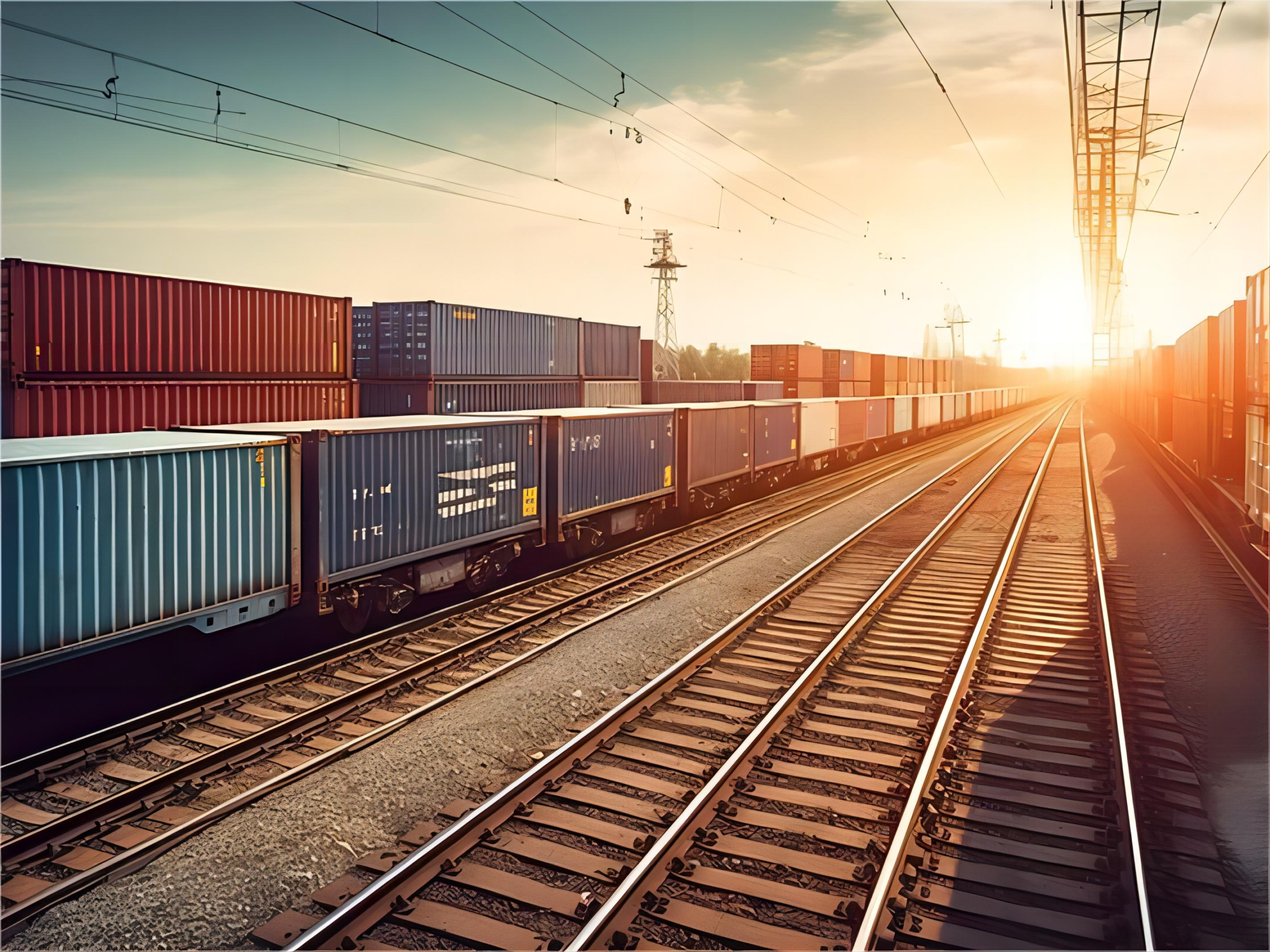
Implementing rail freight through the Trans-Eurasian corridors has become a reliable alternative for many European importers. This method offers a perfect middle ground, providing faster speeds than sea freight at a fraction of the cost of air. Notably, the infrastructure improvements in 2025 have led to even more consistent delivery schedules in 2026.
Specifically, rail transit times from major hubs like Chengdu or Xi’an to hubs like Warsaw or Hamburg are now approximately 18 to 22 days. This speed allows businesses to react more quickly to market trends without the extreme expense of air shipping. Furthermore, rail freight is less affected by weather conditions compared to sea or air transport.
Without a doubt, rail is an excellent choice for automotive parts, industrial machinery, and consumer electronics. As environmental regulations tighten in Europe, the lower carbon footprint of rail also provides a marketing advantage. Consequently, we expect to see continued growth in rail volumes throughout the remainder of 2026.
Navigating Customs Brokerage and Compliance
Managing customs brokerage is perhaps the most daunting aspect of importing goods into the European market. Each EU member state may have specific local requirements despite the unified customs union. Accordingly, a china freight forwarder europe shipping expert must ensure that all HS codes and valuations are 100 percent accurate to avoid delays.
Indeed, incorrect documentation can lead to severe fines and prolonged storage fees at the port of entry. Professional forwarders provide a customs documents checklist that includes the commercial invoice, packing list, and bill of lading. Furthermore, they handle the complexities of VAT and import duties to ensure your cargo is cleared quickly and efficiently.
Notably, the 2026 regulations have placed a higher emphasis on product safety and environmental compliance. Importers must ensure their Chinese suppliers provide all necessary certifications before the goods leave the factory. To summarize, having a dedicated customs partner is the best way to safeguard your shipment from legal and financial risks.
Door to Door Logistics and Final Mile Delivery
Selecting a door to door service simplifies the entire process by consolidating all logistics stages under one provider. This service covers everything from factory pickup in China to the final delivery at your warehouse in Europe. Furthermore, this approach is particularly beneficial for shipping from China to Europe, where multiple borders may be crossed.
Specifically, door-to-door solutions provide full visibility and accountability throughout the journey. You no longer need to coordinate between multiple truckers, warehouse operators, and sea carriers. Resultantly, this reduces the administrative burden on your team and allows you to focus on growing your business operations.
Moreover, the final mile delivery in Europe is often the most expensive part of the journey. A professional forwarder uses their local network to find the most efficient trucking or courier options for the last leg. Therefore, end-to-end solutions often result in lower total costs than managing each segment individually.
Real-World Case Studies for 2026
Case Study 1: High-Volume Electronics from Shenzhen to Hamburg. Route: Shenzhen, China to Hamburg, Germany. Cargo: Consumer Electronics, 15 CBM, 4,500 kg. Container: LCL. Shipping Details: Carrier: COSCO, Port of Loading: Shenzhen, Port of Discharge: Hamburg. Route Type: Direct. Cost Breakdown: Ocean Freight: $2,450, Origin Charges: $450, Destination Charges: $650, Customs: $300. Total Landed Cost: $3,850. Timeline: 34 days. Key Insight: Consolidating multiple small orders into one LCL shipment saved the client 25 percent compared to air freight.
Case Study 2: Auto Parts via Rail from Chengdu to Warsaw. Route: Chengdu, China to Warsaw, Poland. Cargo: Automotive Components, 26,000 kg. Container: 40HQ. Shipping Details: Service: China-Europe Railway Express, Loading: Chengdu Station, Discharge: Warsaw Terminal. Route Type: Direct. Cost Breakdown: Rail Freight: $7,200, Documentation: $250, Terminal Charges: $400, Customs: $500. Total Landed Cost: $8,350. Timeline: 22 days. Key Insight: The client met an urgent production deadline by choosing rail over sea, avoiding a factory shutdown.
Case Study 3: Fashion Apparel from Shanghai to Paris. Route: Shanghai, China to Paris, France. Cargo: Seasonal Clothing, 500 kg. Method: Air Freight. Shipping Details: Carrier: Air France Cargo, Loading: Shanghai Pudong (PVG), Discharge: Paris (CDG). Route Type: Direct. Cost Breakdown: Air Freight: $4,800, Fuel Surcharge: $600, Handling: $200, Customs: $250. Total Landed Cost: $5,850. Timeline: 6 days. Key Insight: Rapid delivery allowed the retailer to capitalize on a sudden fashion trend before the season ended.
Which Option Should You Choose?
Determining the best shipping method depends entirely on your budget, cargo type, and urgency. If your primary goal is cost-cutting and you have a flexible schedule, sea freight is the clear winner for large volumes. However, if your goods are high-value or perishables, air freight is the only viable option despite the premium price.
In contrast, rail freight serves those who need a balanced approach. It is ideal for mid-sized shipments that are too heavy for air but too urgent for the slow ocean routes. Additionally, consider hybrid solutions like sea-air combinations, which can save both time and money compared to a single-mode strategy.
Without a doubt, consulting with a professional china freight forwarder europe shipping expert is the best first step. They can provide real-time quotes based on the latest 2026 market data and help you navigate the complexities of international trade. Accordingly, always ask for a detailed breakdown of all charges to ensure there are no hidden fees.
Conclusion
Successfully managing your china freight forwarder europe shipping strategy requires a combination of market knowledge, careful planning, and the right logistics partner. Whether you choose the cost-efficiency of sea freight, the speed of air cargo, or the reliability of rail, understanding the trade-offs is key to maintaining a competitive edge in 2026.
Furthermore, staying informed about the latest customs regulations and logistics trends will help you avoid unnecessary delays and costs. By leveraging the expertise of a professional forwarder, you can ensure that your goods reach their European destination safely and on time. Indeed, the right shipping strategy is a vital component of your long-term business success.
Start Your Shipment
Ready to optimize your supply chain with a reliable china freight forwarder europe shipping partner? Contact China Trade Freight today for a customized quote and expert logistics advice tailored to your 2026 business goals. Visit our website to start your inquiry now.
Request Quote