


China to Australia Shipping Global USA: The Comprehensive 2025 Guide
Navigating the complexities of china to australia shipping global usa requires a deep understanding of international logistics and regional regulations. Many businesses face significant hurdles when managing cargo across these vast distances, yet finding the right partner simplifies the entire process. China Trade Freight offers comprehensive solutions tailored to your specific supply chain needs. Furthermore, our expertise ensures that your goods move efficiently from major Chinese ports to Australian hubs while adhering to global standards. This guide explores every facet of the shipping journey to help you optimize costs and improve delivery timelines.
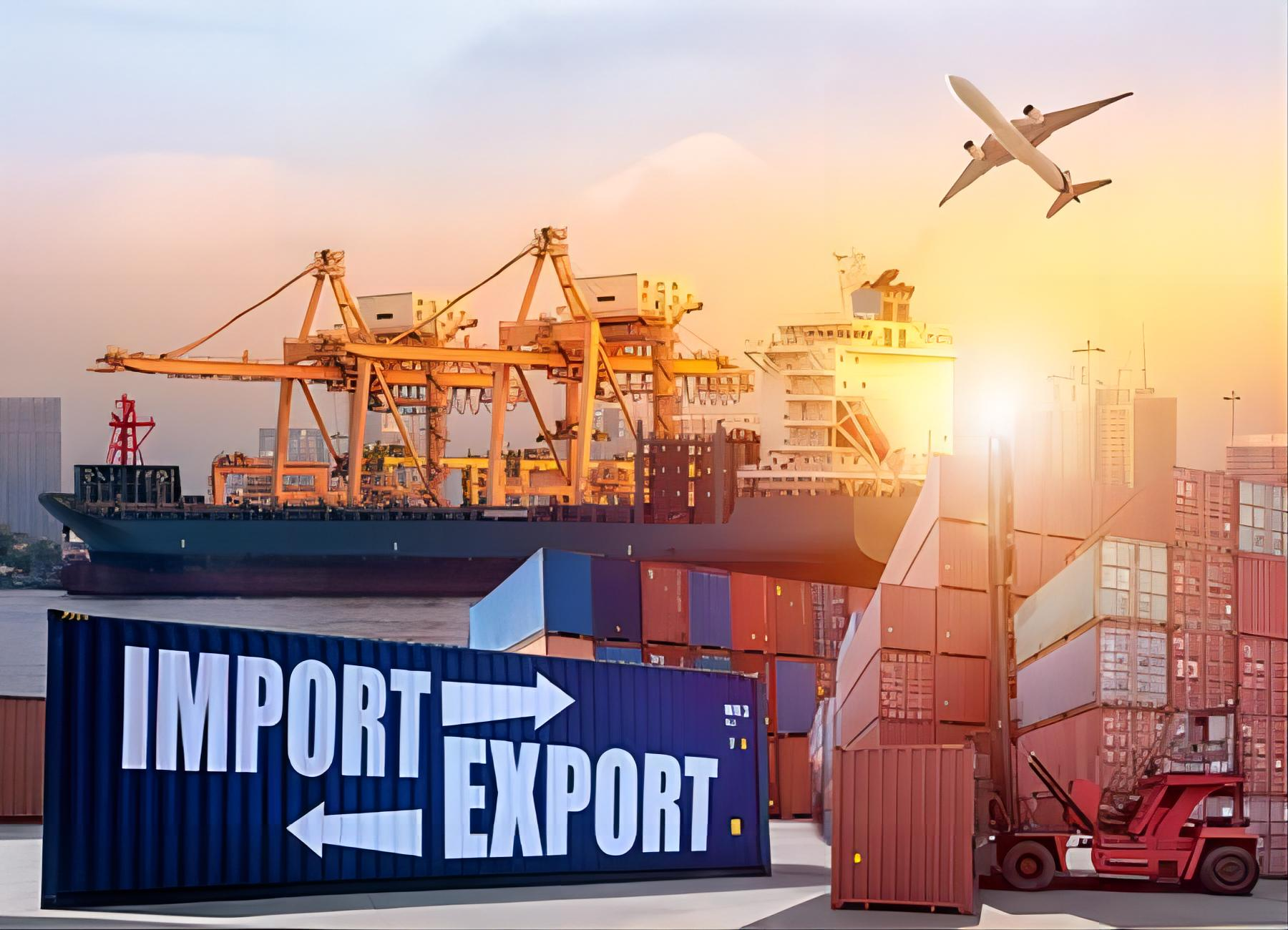
What Defines China to Australia Shipping Global USA Strategies?
International trade between these regions involves a sophisticated network of carriers and freight forwarders. Consequently, businesses must align their logistics strategies with current market trends and regulatory requirements. Specifically, the Australia trade lane remains one of the most active corridors in the Southern Hemisphere. Therefore, understanding the nuances of this route is essential for maintaining a competitive edge in the global marketplace.
Market intelligence suggests that shipping volumes continue to grow as e-commerce demand surges. Meanwhile, geopolitical factors and fuel price fluctuations often influence the overall cost of transport. Indeed, companies that stay informed about these changes can better navigate the shifting landscape of international commerce. Moreover, selecting the right port of departure in China can significantly impact both transit time and total landed cost.
Primary Methods for China to Australia Shipping Global USA
Selecting the appropriate transport mode is the most critical decision in your logistics planning. For instance, sea freight remains the most popular choice for bulk commodities and large machinery. This method offers the best balance between cost-efficiency and cargo capacity for most importers. In contrast, businesses with urgent deadlines frequently opt for air freight to ensure rapid delivery.
Each method carries specific advantages and limitations that depend on your cargo type. To illustrate, sea freight is ideal for non-perishable goods that do not require immediate shelf placement. On the other hand, air transport is superior for high-value electronics or time-sensitive fashion items. Additionally, you must consider the environmental impact and carbon footprint associated with each shipping mode.
How Does Sea Freight Compare to Other Shipping Options?
Evaluating different shipping methods requires a side-by-side analysis of costs and timelines. As of Q1 2025, freight rates from China to Australia have stabilized following previous global disruptions. To help you decide, we have compiled a comparison of the most common transport strategies used by global enterprises.
While direct sea routes are the standard, some companies explore hybrid solutions to manage costs. For example, combining sea and air transport can sometimes offer a middle ground for transit speed and pricing. Nevertheless, for the majority of shipments, the choice remains between standard ocean containers and express air services. Consider the following data to determine which approach fits your budget and schedule.
| Shipping Method | Cost Range | Transit Time | Best For |
|---|---|---|---|
| Sea Freight (FCL) | $1,200 – $2,000 | 12 – 18 Days | Large volumes |
| Sea Freight (LCL) | $50 – $120/CBM | 15 – 22 Days | Small shipments |
| Air Freight | $3.50 – $7.00/kg | 3 – 7 Days | Urgent cargo |
| Express Courier | $6.00 – $12.00/kg | 2 – 5 Days | Samples and docs |

Understanding Costs for China to Australia Shipping Global USA
Freight rates are influenced by several variables including seasonal demand and carrier capacity. As a result, prices often fluctuate during peak periods such as the lead-up to the Chinese New Year. Specifically, a 20GP container might cost between $800 and $1,200 during off-peak months. However, these rates can increase by 20% or more when vessel space becomes limited.
Note: Freight rates are subject to change based on fuel costs, carrier capacity, and seasonal demand. Contact us for a current quote tailored to your specific shipment.
In addition to the base ocean freight, you must account for origin and destination charges. These include terminal handling fees, documentation costs, and port security surcharges. Consequently, calculating the total landed cost is vital for accurate product pricing. Furthermore, insurance coverage should never be overlooked when moving goods across international waters.
Which Customs Brokerage Services Are Essential?
Navigating the legal requirements of two different nations can be a daunting task for any importer. Therefore, utilizing professional customs brokerage services is highly recommended to avoid delays. These experts ensure that all documentation complies with the Australian Border Force regulations. Without a doubt, proper paperwork is the key to a smooth clearance process at the port of discharge.
Commonly required documents include the commercial invoice, packing list, and bill of lading. Additionally, certain products may require specific permits or certificates of origin to qualify for preferential tariff rates. To summarize, being proactive with your documentation prevents costly storage fees and customs holds. Always verify the latest import duties and taxes applicable to your specific HS codes before shipping.
Can I Use Amazon FBA for Australian Markets?
Expanding your e-commerce reach into the Australian market is a lucrative opportunity for many global sellers. Specifically, Amazon FBA services allow you to store products in local warehouses for faster last-mile delivery. This strategy significantly improves customer satisfaction by reducing shipping times within the country. Moreover, it allows you to leverage Amazon’s robust logistics network for handling returns and customer service.
Successful FBA integration requires precise labeling and packaging according to Amazon’s strict guidelines. Consequently, many businesses use prep services in China to ensure compliance before the goods even leave the warehouse. Furthermore, coordinating the arrival of your shipment with Amazon’s inventory limits is crucial for maintaining stock levels. Indeed, a well-managed FBA strategy can lead to increased sales and better search rankings on the platform.
Should You Choose Door to Door Delivery?
For many businesses, the convenience of door to door service outweighs the slightly higher cost. This solution handles the entire logistics chain from the supplier’s factory in China to your final destination in Australia. As a result, you can focus on your core business operations while the freight forwarder manages the details. In contrast, port-to-port shipping requires you to arrange your own inland transport and customs clearance.
Transitioning to a full-service logistics model often reduces the risk of communication errors between different service providers. For instance, having a single point of contact simplifies tracking and troubleshooting during the transit process. Additionally, door-to-door providers often have established relationships with local trucking companies, ensuring reliable delivery schedules. Therefore, this option is particularly beneficial for small to medium-sized enterprises with limited logistics staff.

Realistic Case Studies for China to Australia Shipping Global USA
Case Study 1: Electronics from Shenzhen to Sydney. Route: Shenzhen, China to Sydney, Australia. Cargo: Consumer electronics, 5 CBM, 1,200 kg. Container: LCL. Shipping Details: Major carrier, Port of Loading: Shenzhen, Port of Discharge: Sydney. Route Type: Direct. Cost Breakdown: Ocean Freight: $450, Origin Charges: $150, Destination Charges: $250, Customs and Duties: $800, Total Landed Cost: $1,650. Timeline: Booking to Loading: 3 days, Sea Transit: 14 days, Customs Clearance: 2 days, Total Door-to-Door: 19 days. Key Insight: Accurate HS code classification saved 5% on duties.
Case Study 2: Furniture from Ningbo to Melbourne. Route: Ningbo, China to Melbourne, Australia. Cargo: Flat-pack furniture, 68 CBM, 18,000 kg. Container: 40HQ. Shipping Details: COSCO, Port of Loading: Ningbo, Port of Discharge: Melbourne. Route Type: Direct. Cost Breakdown: Ocean Freight: $1,600, Origin Charges: $300, Destination Charges: $400, Customs and Duties: $2,500, Total Landed Cost: $4,800. Timeline: Booking to Loading: 5 days, Sea Transit: 16 days, Customs Clearance: 3 days, Total Door-to-Door: 24 days. Key Insight: Using 40HQ instead of two 20GP containers reduced freight costs by 15%.
Which Option Should You Choose?
Determining the best shipping strategy depends on your specific business priorities and cargo requirements. If your primary goal is budget optimization, sea freight remains the undisputed leader for large volumes. On the other hand, if speed is your absolute priority, air freight is the only viable solution for meeting tight deadlines. Furthermore, consider the nature of your cargo; fragile or perishable items may require specialized handling or faster transit.
Volume thresholds also play a significant role in your decision-making process. For shipments under 15 CBM, LCL is often more economical than paying for a full container. However, once you exceed this volume, FCL becomes the more cost-effective choice. To summarize, evaluate your lead times, profit margins, and inventory needs before committing to a specific shipping method.
Mastering Your Logistics Strategy
Successfully managing china to australia shipping global usa requires a combination of strategic planning and reliable partnerships. By understanding the various shipping methods, costs, and customs requirements, you can build a more resilient supply chain. Furthermore, staying adaptable to market changes ensures that your business remains competitive in the long term. In conclusion, choosing the right freight forwarder is the most important step toward achieving efficient and cost-effective international trade.
Ready to streamline your logistics?
Streamline your international logistics today with our expert team. Contact us now to receive a customized quote for your china to australia shipping global usa requirements. Visit our inquiry page to start your shipment journey with a trusted partner.
Request Quote