

China to Europe Shipping Cheap: Your 2025 Guide to Low-Cost Freight
Finding China to Europe shipping cheap is a top priority for businesses looking to maintain a competitive edge in the global marketplace. Navigating the complexities of international logistics requires a strategic approach to selecting the right transport modes and providers. Visit China Trade Freight to discover affordable shipping solutions that streamline your supply chain and reduce overhead costs.
Why Is China to Europe Shipping Cheap Often Difficult to Secure?
Securing low-cost logistics involves managing various factors like fuel surcharges and seasonal demand fluctuations. Consequently, many importers struggle to find consistent pricing during peak periods when carrier capacity becomes limited.
Moreover, the geopolitical landscape can impact traditional routes, leading to sudden increases in freight rates across different transport modes. Therefore, businesses must stay informed about market trends to capitalize on price drops when they occur.
In addition, working with an experienced partner can help you navigate these challenges effectively. Consider utilizing sea freight to take advantage of the most economical rates for large volume shipments.
How Does Sea Freight Compare to Other Shipping Options?
Analyzing the different modes of transport is essential for identifying the cheapest way to ship from China to Europe. While sea freight remains the most budget-friendly option for bulk cargo, rail and air freight offer different balances of speed and cost.
Furthermore, sea freight allows for massive economies of scale that other methods simply cannot match. On the other hand, rail freight provides a middle ground for those who need faster delivery than the ocean but cannot afford air rates.
Indeed, choosing the right method depends heavily on your specific cargo volume and required delivery schedule. Review the comparison table below to understand the trade-offs between each major logistics strategy.
| Shipping Method | Cost Range (USD) | Transit Time | Best For |
|---|---|---|---|
| Sea Freight (FCL) | $2,500 – $4,500 | 30 – 45 Days | Large Bulk Shipments |
| Rail Freight | $4,000 – $7,000 | 15 – 22 Days | Medium-sized Cargo |
| Air Freight | $5 – $10 per kg | 5 – 10 Days | High-Value Goods |
| Express Service | $8 – $15 per kg | 3 – 5 Days | Urgent Documents |
Which Option Should You Choose for Maximum Savings?
Selecting the most cost-effective route requires a clear understanding of your budget priorities and time constraints. For instance, if your primary goal is minimizing expenditure, slow steaming sea routes are often the best choice.
Additionally, businesses shipping smaller volumes should evaluate rail freight as a viable alternative for consolidated cargo. This method often bypasses port congestion, reducing the risk of unexpected storage fees.
Nevertheless, importers must account for the total landed cost, which includes duties, taxes, and local delivery charges. Specifically, optimizing your packaging can lead to significant savings by reducing the billable weight of your shipment.
Top Strategies to Reduce Your Total Landed Costs
Implementing a few strategic changes can drastically lower your overall shipping expenses over time. Initially, you should consider consolidating multiple small orders into a single large shipment to benefit from lower per-unit rates.
Specifically, choosing the right Incoterms, such as FOB instead of EXW, can give you more control over the freight process and costs. Consequently, you can select your own freight forwarder rather than relying on the supplier’s potentially marked-up rates.
Moreover, leveraging air freight for lightweight, high-margin products can sometimes be more profitable than slow sea routes. This is especially true when inventory turnover speed is a critical factor for your business model.
Understanding FCL vs LCL for Small Shipments
Deciding between Full Container Load and Less than Container Load is a pivotal choice for any importer. Generally, FCL is more cost-effective if you have enough goods to fill at least 60 percent of a 20ft container.
Meanwhile, LCL allows you to pay only for the space you use, which is ideal for testing new products or managing smaller inventories. However, keep in mind that LCL shipments often incur higher warehouse and handling fees at the destination.
As a result, many savvy businesses wait until they have enough volume to justify an FCL shipment. This approach minimizes the per-cubic-meter cost and reduces the risk of damage from handling multiple items.
| Feature | FCL (Full Container) | LCL (Shared) | Winner for Cost |
|---|---|---|---|
| Pricing Base | Flat rate per container | Per cubic meter (CBM) | FCL (for large volume) |
| Handling | Minimal handling | Frequent handling | FCL |
| Transit Speed | Faster (direct) | Slower (consolidation) | FCL |
| Best Volume | Over 15 CBM | Under 15 CBM | LCL (for small volume) |
Documentation and Customs: Avoiding Hidden Expenses
Proper documentation is vital to ensuring that your China to Europe shipping cheap remains affordable. Without a doubt, missing or incorrect paperwork can lead to expensive customs delays and storage penalties at the port.
Therefore, utilizing a professional customs brokerage service can save you money by preventing these avoidable errors. They ensure that your goods are classified correctly under the right HS codes, which determines the duty rate you pay.
In addition, maintaining a clear delivery schedule with your customs agent helps streamline the final leg of the journey. Consequently, you can avoid the high costs associated with port demurrage and detention fees.

Optimizing Logistics for E-commerce and Amazon FBA
E-commerce sellers often face unique challenges when trying to keep their logistics costs low. For example, Amazon FBA requirements demand strict adherence to labeling and packaging standards.
Indeed, failing to meet these standards can result in rejected shipments and additional shipping fees. To summarize, choosing a logistics partner who specializes in FBA can help you avoid these pitfalls and maintain a low-cost structure.
Furthermore, using hybrid solutions like sea-to-door delivery can provide the perfect balance of affordability and convenience for online retailers. This approach allows you to focus on marketing while your logistics provider handles the heavy lifting.
Real Case Studies: Success Stories in Low-Cost Shipping
Examining real-world examples provides valuable insights into how other companies achieve China to Europe shipping cheap. These scenarios highlight the importance of route selection and method comparison in the current market.
Specifically, the following cases demonstrate how strategic planning can lead to significant savings even during volatile periods. Based on early 2025 market data, these examples represent typical costs and timelines for standard cargo.
Case Study 1: Electronics from Shenzhen to Hamburg. Route: Shenzhen Port to Port of Hamburg. Cargo: 500 units of consumer electronics, 28 CBM. Container: 40GP. Shipping Details: Ocean Freight via major carrier. Port of Loading: Shenzhen. Port of Discharge: Hamburg. Route Type: Direct. Cost Breakdown: Ocean Freight $3,200, Origin Charges $450, Destination Charges $600, Customs $200. Total Landed Cost: $4,450. Timeline: 33 days door-to-door. Key Insight: Booking 4 weeks in advance secured a rate 15% below the spot market average.
Case Study 2: Apparel from Ningbo to Warsaw. Route: Ningbo to Warsaw via Rail. Cargo: 15 CBM of textiles. Container: LCL. Shipping Details: Rail Freight. Port of Loading: Ningbo Terminal. Port of Discharge: Warsaw Hub. Route Type: Transshipment via Xi’an. Cost Breakdown: Rail Freight $2,100, Handling $300, Customs $150, Delivery $400. Total Landed Cost: $2,950. Timeline: 20 days door-to-door. Key Insight: Rail was 50% cheaper than air while being twice as fast as sea for this inland destination.
Final Thoughts on Affordable China to Europe Logistics
Summarizing the best practices for China to Europe shipping cheap involves a combination of early booking, method comparison, and accurate documentation. By choosing the right transport mode, such as sea or rail freight, you can significantly lower your expenses.
Indeed, the logistics landscape is constantly changing, but staying informed and flexible allows you to adapt to new opportunities for savings. Always prioritize working with reputable freight forwarders who understand the nuances of the China-Europe trade lane.
Ultimately, the goal is to balance cost with reliability to ensure your goods arrive safely and on time. Implement these strategies today to see a noticeable improvement in your bottom line.
Ready to streamline your logistics?
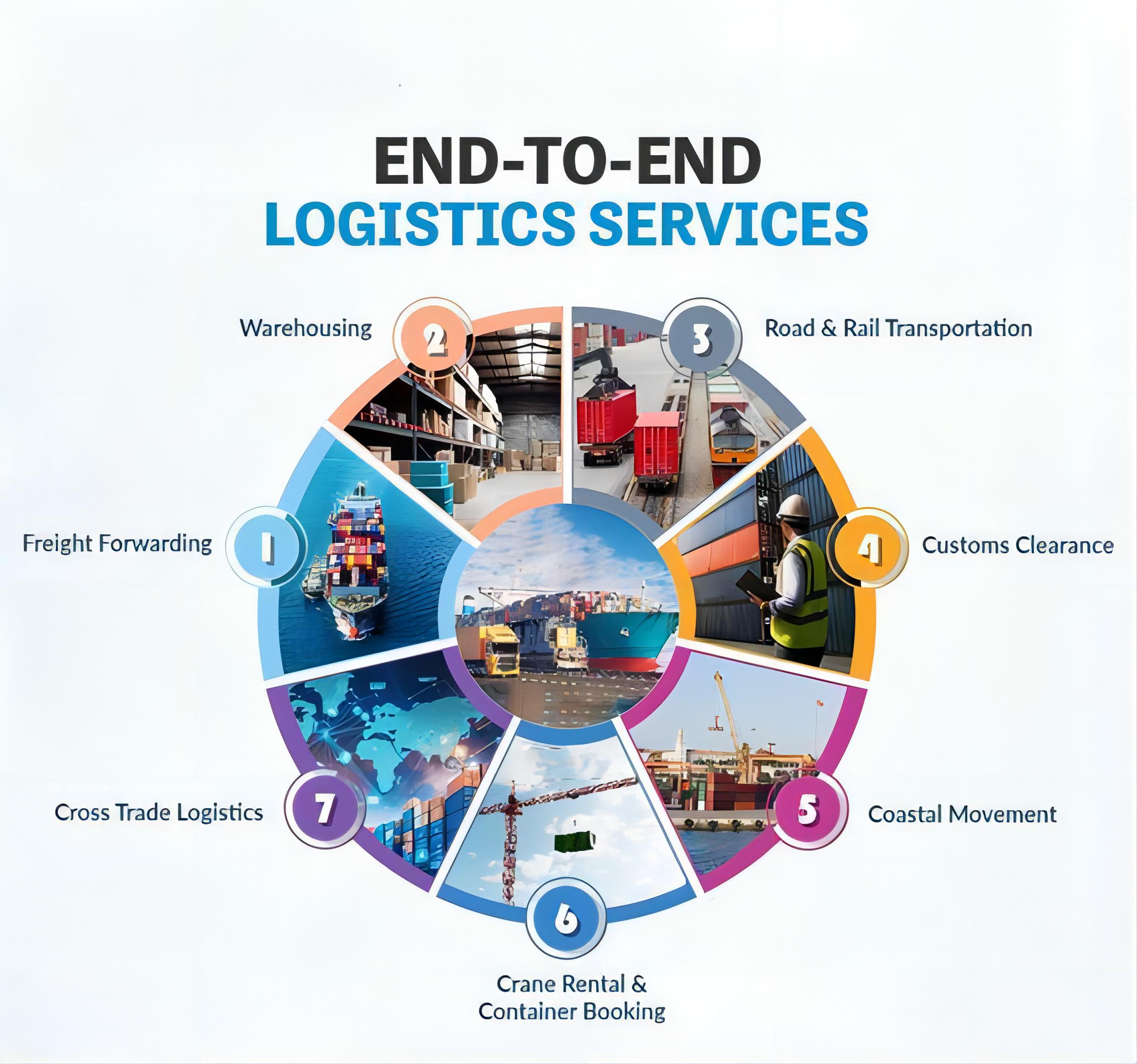
Achieving China to Europe shipping cheap is possible with the right logistics partner by your side. Our team specializes in finding the most efficient routes and methods to save you money on every shipment. Contact us today for a personalized quote and start optimizing your international supply chain. Visit our contact page to send an inquiry: https://chinatradefreight.com/
Request Quote