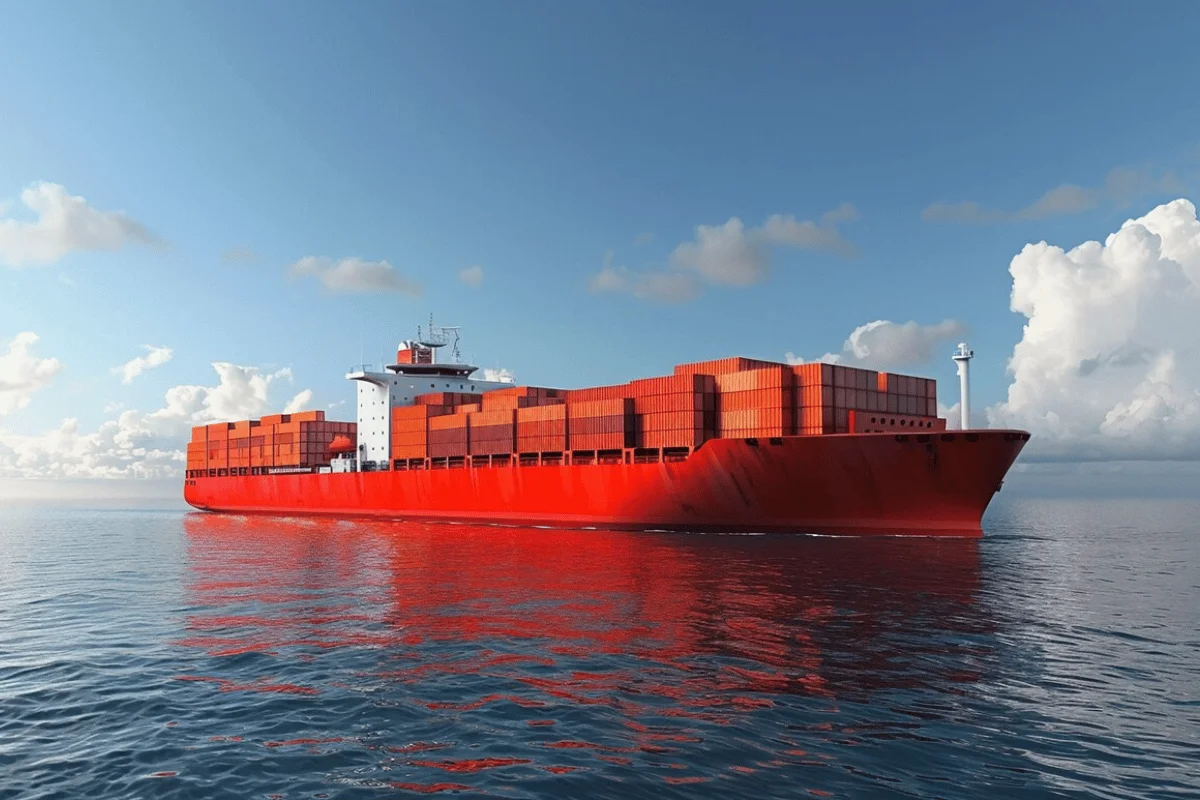
Shipping from China to Cape Verde connects Chinese manufacturing centers with this island nation off the west coast of Africa. China exports machinery, electronics, construction materials, vehicles, and consumer goods to Cape Verde, supporting infrastructure, energy, and local market development. The main maritime gateway is the Port of Praia, which handles the majority of imports and provides connections to inter-island and international shipping routes. China Trade Freight offers professional shipping solutions from major Chinese ports including Shanghai, Ningbo, Shenzhen, and Guangzhou, ensuring efficient transportation, compliant customs clearance, and secure delivery.
Learn more at China Trade Freight.
Sea freight from China to Cape Verde is the most economical option for large-volume and heavy shipments. Cargo typically departs from major Chinese ports and sails across the Atlantic Ocean to the Port of Praia. Sea freight is ideal for construction materials, machinery, vehicles, and industrial goods supporting Cape Verde’s infrastructure and import needs. This shipping method provides stable transit schedules and cost-efficient solutions for companies serving the island nation.
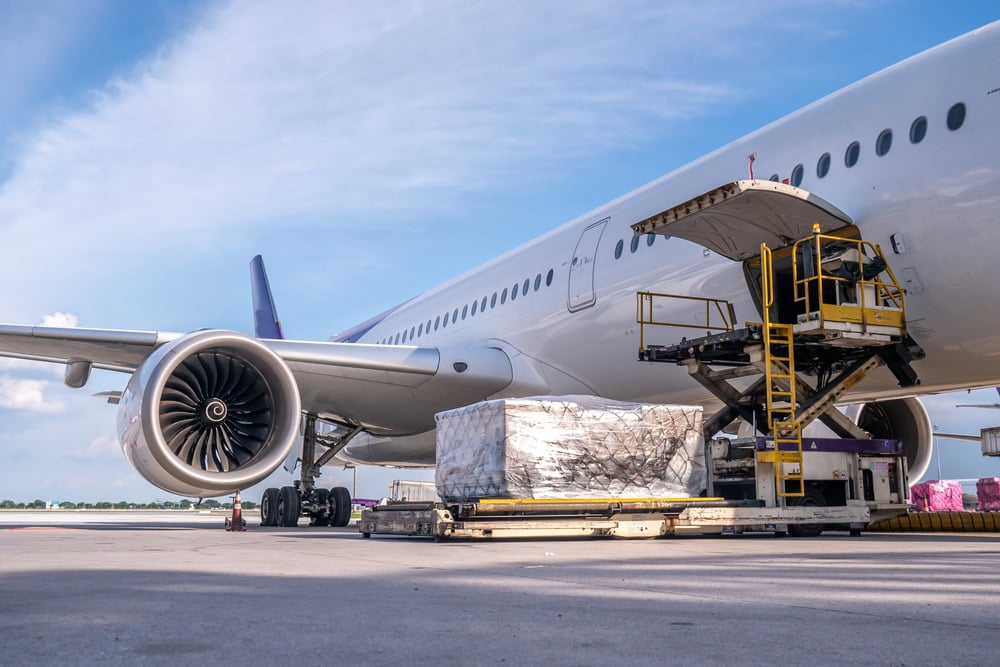
Air freight from China to Cape Verde is suitable for urgent, high-value, or time-sensitive shipments such as electronics, medical supplies, spare parts, and essential industrial equipment. Cargo usually departs from Shanghai, Guangzhou, or Shenzhen and transits through European or African hubs before arriving at Amílcar Cabral International Airport on Sal Island. Although air freight costs are higher than sea freight, it significantly reduces transit time and ensures reliable delivery for urgent commercial or industrial needs.

Door to door shipping from China to Cape Verde provides a complete logistics solution including cargo pickup in China, international transportation, customs clearance, and final delivery to the consignee’s location. China Trade Freight manages the entire shipping process, ensuring smooth clearance at Cape Verdean ports or airports and reliable delivery to the final destination, whether on the main islands or secondary islands.

FCL shipping from China to Cape Verde is ideal for importers with sufficient cargo volume to fill a full container, offering enhanced security, reduced handling, and predictable transit schedules. Full containers are shipped directly to the Port of Praia, minimizing delays and handling risks. FCL is commonly used for construction projects, industrial equipment, and large-scale commercial imports.
LCL shipping from China to Cape Verde is a flexible and cost-efficient option for smaller shipments that do not require a full container. Cargo is consolidated in China and deconsolidated at Praia port. This option allows small and medium-sized businesses to manage shipping costs while maintaining reliable access to Cape Verde’s import market.
Cargo pickup across China and delivery to Cape Verde’s main islands.
Secure storage and consolidation services in China and at Cape Verde transit hubs.
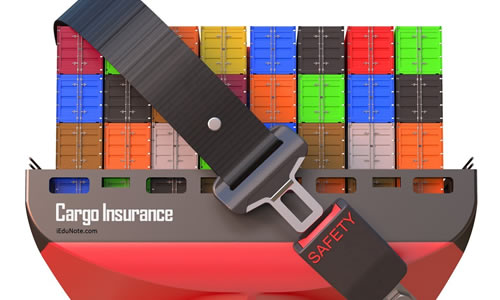
Comprehensive insurance coverage to protect goods during ocean and inland transport.

Professional handling of Cape Verde customs documentation and compliance requirements.
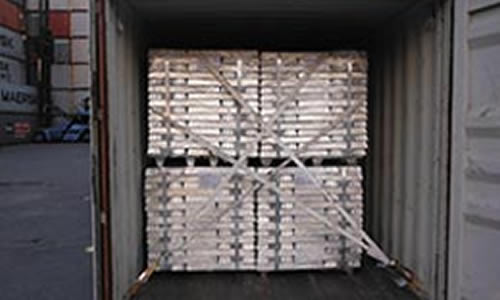
Pre-shipment inspections to verify cargo quantity, packaging, and condition.

With extensive experience in China–West Africa island trade lanes, China Trade Freight is your reliable freight forwarder for shipping from China to Cape Verde. We provide:
Strategic Routing: Optimized ocean and air routes via the Port of Praia and inter-island connections.
Comprehensive Services: Sea freight, air freight, FCL, LCL, and door-to-door shipping solutions.
Operational Expertise: Strong port handling capabilities and in-depth knowledge of Cape Verdean customs procedures.
Dedicated Support: Transparent communication and end-to-end shipment management from origin to final destination.
Choose China Trade Freight to move your cargo efficiently to Cape Verde and ensure reliable delivery across the archipelago.
The most common shipping methods are sea freight and air freight. Sea freight is more economical but slower, taking about 30 to 45 days. Air freight is faster, usually between 7 to 15 days, but more expensive. Each method has its own set of advantages depending on urgency and budget.
Customs clearance can impact shipping times significantly. Delays at customs can extend delivery times due to inspections, paperwork, and possible tariff or tax issues. Properly preparing and submitting required documentation can help minimize delays.
Sea freight is generally much cheaper than air freight, making it a cost-effective choice for larger shipments or less urgent deliveries. Air freight is more expensive due to its speed and is often used for smaller, high-priority shipments.
Major global shipping carriers like DHL, FedEx, and UPS offer reliable services for air freight. For sea freight, companies like Maersk and MSC are well-regarded. Carrier choice can influence delivery speed and cost, so it's beneficial to compare services.
Required documentation typically includes a commercial invoice, packing list, bill of lading, and possibly certificates of origin or conformity. Ensuring all paperwork is accurate and complete helps avoid customs delays and potential fines.
Most shipping carriers provide tracking services. You can track your shipment using a tracking number provided by the carrier on their website or through their customer service. This allows you to monitor the progress of your shipment in real-time.
Potential delays can include customs processing, shipping route disruptions, weather conditions, or logistical issues at ports. Understanding these factors and staying informed through your carrier can help manage expectations and mitigate delays.
Cape Verde may have specific import regulations, tariffs, or restrictions depending on the type of goods being shipped. It’s important to check with local customs authorities or a customs broker to ensure compliance with import regulations and avoid unexpected costs.
Freight forwarders can streamline the shipping process by handling logistics, customs documentation, and coordination between different carriers. They offer expertise in navigating international shipping complexities and can often provide cost-effective solutions.
Yes, consolidating shipments can reduce costs by combining multiple orders into one shipment. This approach minimizes the per-unit shipping cost and is often used for bulk orders or frequent shipments. However, it requires careful planning to ensure timely delivery.
Fast responses and proactive updates throughout the shipment. A very dependable logistics partner.
Their team understands international shipping and Incoterms very well. We feel confident leaving our shipments in their hands.
China Trade Freight delivers consistently reliable service. Clear communication, accurate pricing, and on-time shipments every time.